1. Decide what the reference is meant to communicate
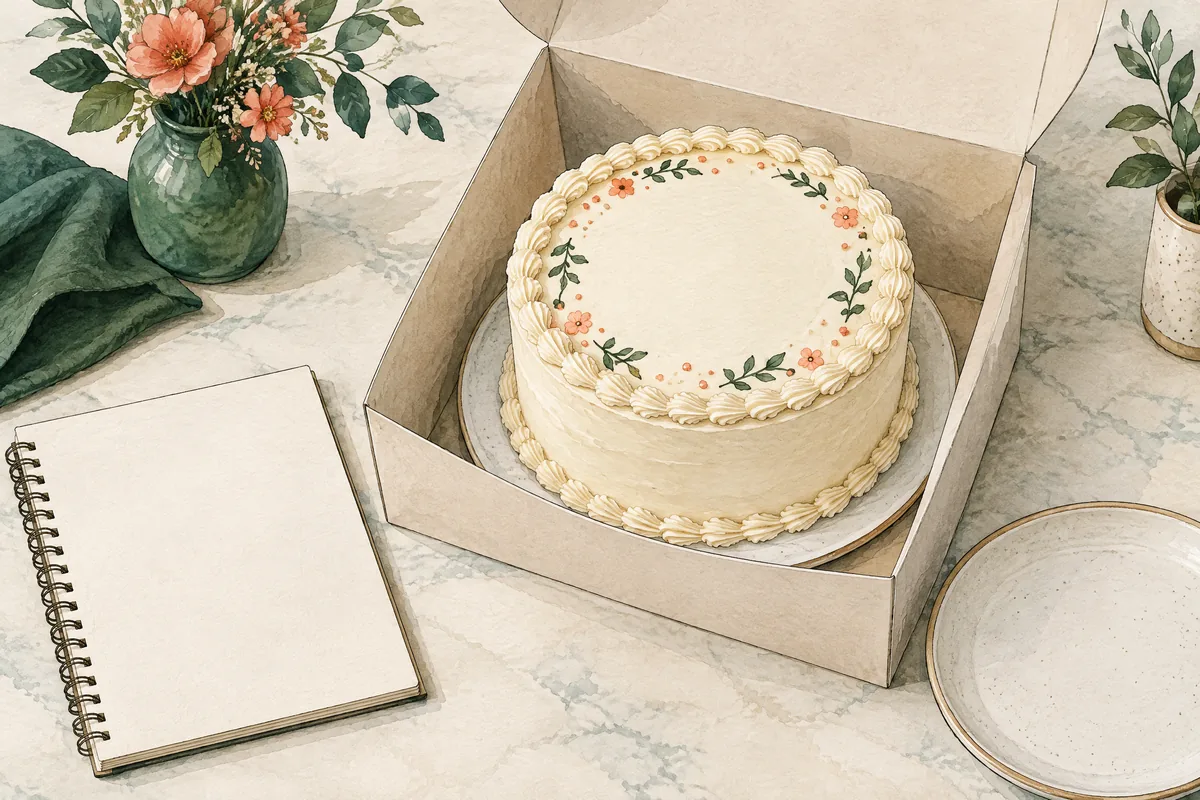
A decorated cake image may show several things at once: a colour palette, lettering, a character, a surface finish, a tier arrangement or a particular mood. Before sharing it, decide which features are essential and which are examples only. Otherwise, a baker may interpret the picture differently from the person approving it, and a small difference in proportions or finish can feel like a major change.
Write a short brief in plain language. For example: “Use the image for the pastel colours and simple lettering; the exact flowers and border may differ.” Identify the occasion, intended serving date and any firm design boundaries. Do not treat a photo as proof that a specific technique, material, size or outcome is available. Those are questions for the merchant to answer in writing.
If the order is part of a creative activity rather than a finished cake request, keep those plans distinct. FlintHub’s art workshop hong kong page is a learning and activity-planning resource; it does not establish that a course includes a cake, food, flowers or any particular event service.
2. Map the people, setting and practical needs
Start with who will choose, receive, transport and serve the cake. The person requesting the design may not be the person carrying it into a venue or checking ingredients with guests. Agree who has authority to approve the final design, who can answer practical questions, and how any change will be recorded. If a child or group is involved, decide in advance whether one adult consolidates preferences rather than sending conflicting instructions.
Then consider the event context: where the cake will be received, whether refrigeration is available, how long it may be outside controlled storage, and whether a venue has access or setup rules. These are planning prompts, not statements about any Hong Kong venue’s rules. Ask the venue and merchant directly, and do not assume delivery, setup or storage is included.
For a group activity linked to baking, FlintHub’s baking workshop Hong Kong page can help reconnect the planning to learning or activity options. It is not evidence that a workshop provides a decorated cake, catering, ingredients for an event or a particular service scope; confirm any arrangement separately.
3. Compare design approaches before committing
There is no single best way to translate a reference. A close visual interpretation can be useful when the image’s overall composition matters, while a more flexible brief can leave room for the maker to adapt details. Choose according to what must remain recognizable, how much variation is acceptable and what has actually been confirmed.
| Approach | Useful when | Agree in writing | Main trade-off |
|---|---|---|---|
| Close reference-led brief | A few visible details are central to the occasion | Which features must be retained; which may change; whether the reference is feasible | Can create an expectation of close replication that has not been promised |
| Mood-board or palette brief | The feeling, colours or broad theme matter more than exact copying | Colour direction, lettering, decorative priorities and acceptable substitutions | The finished composition may differ substantially from any one image |
| Simple text-and-shape brief | Clarity and legibility matter more than intricate detail | Exact wording, spelling, placement, colours and approximate layout | It may not deliver the elaborate look shown in inspiration images |
A themed page can be a starting point for questions, not proof of what can be made. If you are exploring Korean Cake, describe the features you mean—such as a restrained palette or lettering—rather than assuming a page label confirms a particular design, recipe, size or availability. Ask which elements the merchant can actually confirm for the requested order.
4. Turn references into specific, answerable questions
A useful enquiry separates the visual brief from the product and event details. Give the merchant the reference image and explain whether you have permission to use it as a reference if that is relevant. State the parts that matter, then ask whether the requested design is feasible. Ask what dimensions and units apply, what the finished cake dimensions would be, whether design or revisions are included, and how the final artwork or wording will be approved. These are open questions requiring written confirmation, not established YumYum services.
Also identify the exact cake base, filling and decorations under consideration. Ask for the ingredients and storage instructions for that specific choice. The Hong Kong Centre for Food Safety’s Trade Guidelines on Safe Production of Sweet Food, printed in June 2011, recommends keeping ready-to-eat dairy cream at 4°C or below in its Swiss-roll example and also recommends keeping chilled desserts at 4°C or below. It also says that some high-sugar artificial cream may be suitable for room-temperature storage; that limited exception should not be generalized to every filling or cake 1. Confirm the selected product’s requirements and arrange suitable storage from collection until serving.
If an image-themed design interests you, Unicorn Cake is a page label to use as a specific enquiry reference, not a guarantee of a particular character, decoration, size or outcome. Explain what you want to borrow from the idea and ask what can be supplied, which elements may differ, and which decorations are edible or must be removed before serving.
5. Use the reference-rights and approval worksheet
Fill this in before approving a design. Keep the replies with the order record so that the person collecting or serving the cake can see the same agreed details. Blank answers mean “ask,” not “assume.”
Reference and permissions - Reference image or link: ______ - Source or creator, if known: ____ - Permission or usage question to resolve: ___ - What the reference is for: colour / layout / lettering / motif / finish / other: __
Must-have and flexible details - Three features that must remain: 1) _ 2) _ 3) _ - Features that may change: _______ - Exact wording and spelling to check: _______ - Acceptable substitutions or simplifications: _______
Product and confirmation - Requested cake dimensions and units: ______ - Merchant-confirmed finished dimensions: _____ - Confirmed base and filling, with ingredient information requested: ___ - Design, revision and final-approval process confirmed in writing: ___ - Edible decorations; non-edible decorations and removal instructions: ___
Event handover - Collection or delivery arrangement confirmed by merchant: __ - Storage instructions for this specific cake: ____ - Venue access and refrigeration checked with venue: _____ - Named approver and contact for changes: __________
For edible images or glitter, ask what the material is and whether it is expressly intended for food use. The U.S. Food and Drug Administration advises against using decorative products on food when they say only “non-toxic” or “for decorative purposes only” without listing ingredients; it also advises removing non-edible decorations before serving 2. This US guidance is not a Hong Kong legal rule or a certification of any merchant’s materials. Get product-specific answers, and do not infer that a decorative element is edible from its appearance.
6. Coordinate handover, storage and exceptions
A design approval is not a handover plan. Confirm in writing who will receive the cake, where the handover occurs, what packaging or transport instructions apply, and who to contact if the timing or venue access changes. Do not assume a merchant offers delivery, setup or a particular response time. Likewise, do not assume a venue can refrigerate a cake simply because it hosts events; ask the venue about its arrangements and restrictions.
Ask for storage instructions for the actual cake rather than relying on a broad rule. The Centre for Food Safety’s guidance gives general time-and-temperature advice for applicable sweet foods, but its examples and exceptions do not establish how long a particular decorated cake can remain out. It is not a guarantee that an event display period is safe. Follow product-specific instructions, and resolve any mismatch between the merchant’s advice and the venue’s facilities before confirming the order.
| Storage approach | What to establish | When it may fit |
|---|---|---|
| Follow the merchant’s instructions for the selected cake | The specific temperature and handling requirements, in writing | When the merchant can provide product-specific guidance |
| Use venue refrigeration | Whether the venue confirms suitable refrigeration and access arrangements | When the venue can confirm the facilities and handover details |
| Revise the serving or handover plan | A different arrangement that avoids relying on unavailable storage | When the original plan cannot meet confirmed requirements |
For a hand-painted concept, Hand Painted Cake is a page name that can help focus the enquiry on the intended visual style. Ask what finish is being proposed, whether any parts are non-edible, and how the finished dimensions and wording will be checked. A page label does not confirm painting materials, design revisions, food suitability or availability.
7. Resolve open questions before approval
Do not approve while a central detail remains ambiguous. Ask the merchant to confirm the exact wording, agreed design features, dimensions and units, ingredients for the selected base and filling, decoration materials, storage requirements, handover arrangement and any agreed changes. If a reply is verbal, request a written summary. Keep the latest version of the reference and the final approval together so nobody relies on an outdated image or message.
If someone has a food allergy, do not treat a design substitution, ingredient change or missing warning as proof of safety. The FDA explains that cross-contact can occur through shared equipment or production lines and that “may contain” statements are voluntary in the US; its major-allergen list is also a US list, not a complete Hong Kong legal checklist 3. Ask the merchant about the specific ingredients and cross-contact controls, consider the person’s individual needs, and do not rely on this article for an allergy-safety assurance. If the merchant cannot answer a decision-critical question, pause approval or choose a different plan.
Frequently asked questions
How can I ask for a design without demanding an exact copy?
Label the image as inspiration and identify only the features that matter most, such as colour, lettering or layout. State what can change, then ask the merchant to confirm feasibility and acceptable differences in writing before you approve.
What should I confirm about edible and non-edible decorations?
Ask which specific parts are edible, what materials are used, and whether anything must be removed before serving. Do not judge food suitability by appearance or by a “non-toxic” label without ingredient information; seek product-specific answers.
Can I rely on a general storage rule for every decorated cake?
No. Storage depends on the selected cake and its ingredients. Request the merchant’s instructions for that exact product and check that the venue or transport plan can meet them; general guidance is not a product-specific shelf-life guarantee.
Does a reference page confirm that a particular design is available?
No. A page label can help you describe an idea, but it does not confirm current availability, dimensions, materials, recipe or service scope. Send the specific request and obtain a written answer about what can be provided and what may differ.
What should I do if allergy or cross-contact questions remain unanswered?
Do not infer that an item is suitable from a missing warning or a proposed substitution. Ask for specific ingredient and cross-contact information, make the decision with the affected person’s needs in mind, and pause or change plans if essential details remain unresolved.
Editorial disclosure
FlintHub Academy and YumYum have the same owner. This article was prepared with AI assistance on 2026-11-10; this is the editorial preparation date, not a stated publication date. It is not an independent recommendation or an endorsement of YumYum. FlintHub Academy does not claim medical, veterinary or professional qualifications. The cited guidance is limited to the topics and jurisdictions stated; it does not verify any merchant’s ingredients, materials, practices or services. No FlintHub course is represented as including gifts, food, catering or flowers.
References