1. Start with the recipient and the occasion
A seasonal sweet gift can feel considered without being elaborate. Begin by asking what the recipient is likely to enjoy, how the gift will reach them, and whether it is meant for one person or a shared moment. The occasion helps set the tone, but it should not decide every detail: a festive design may be less useful than a format that travels well or suits the recipient’s preferences.
Think through the social setting too. Is this a personal thank-you, a family gathering, a workplace gesture or a celebration where the gift will be opened in front of others? A boxed assortment may be easy to share, while a decorated cake may make sense when there is a planned moment to serve it. Neither is automatically the better choice. The recipient, setting and practical handover should lead.
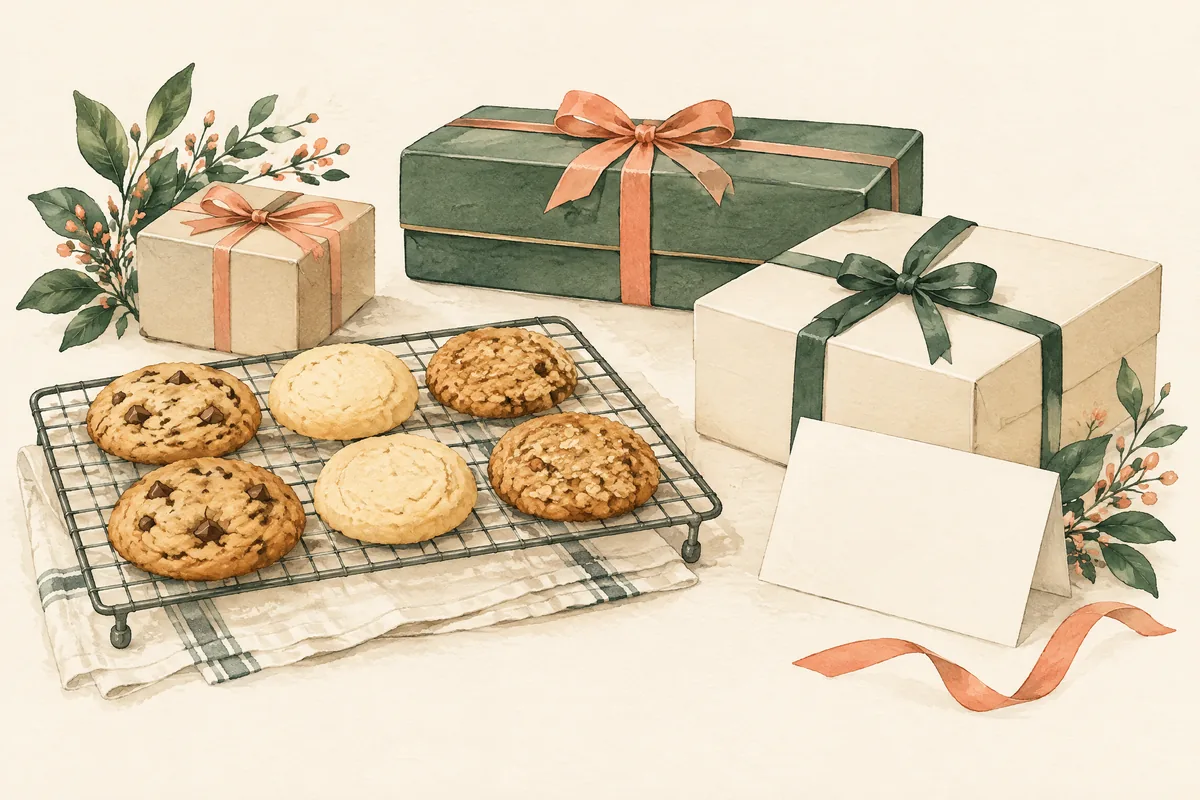
For a spring occasion, Easter Cake Gift Box is a page label to review when considering a themed boxed gift. It does not confirm particular contents, personalisation, availability or delivery. Compare the actual format and written order details with your recipient’s preferences before deciding whether a seasonal theme is appropriate.
2. Coordinate handover, access and exceptions
A gift plan is only useful if the recipient can receive and enjoy it. Confirm the collection or delivery method directly with the seller, and ask for the proposed date, time window, address requirements and what happens if the recipient is unavailable. These are open details: do not assume a service area, delivery time, packaging or redelivery option without written confirmation.
Next, work backwards from when the food will be eaten. Ask the seller for the selected item’s storage instructions and any time limits after collection. The Hong Kong Centre for Food Safety’s Trade Guidelines on Safe Production of Sweet Food gives general handling guidance for sweet foods, including cold desserts, but it does not establish the storage requirements of a particular order or show that a venue can maintain them 1. Plan suitable storage at the destination and during any transfer, based on the seller’s instructions.
Make a short exception plan: who can accept the item, where it can be stored, and who should be contacted if the agreed handover fails. For a group event, identify one named receiver rather than relying on a general reception desk or an unconfirmed venue arrangement. FlintHub’s baking workshop Hong Kong page is a separate learning-planning route; it can help readers explore a baking activity, but it does not include or promise food, gifts, catering or flowers.
3. Compare workable gift formats
Compare options by how they fit the occasion, not by an assumed price or unverified product promise. A cake may create a shared serving moment, but it also calls for decisions about storage, transport, serving and the time between collection and eating. Individually portioned sweets can be easier to distribute, while a boxed selection can offer variety; the actual contents, packaging and handling still need confirmation.
| Gift approach | May suit | Confirm before choosing |
|---|---|---|
| Decorated cake | A planned celebration with a clear serving moment | Size and units, design limits, ingredients, storage instructions, handover and any non-edible decorations |
| Boxed assortment | A recipient who may prefer a selection or a gift that can be shared | Exact contents, quantities, packaging, ingredient information and how it should be stored |
| Individually portioned sweets | A gathering where portions need to be handed out separately | Number and type of pieces, packaging, ingredient details and whether the format suits the recipient |
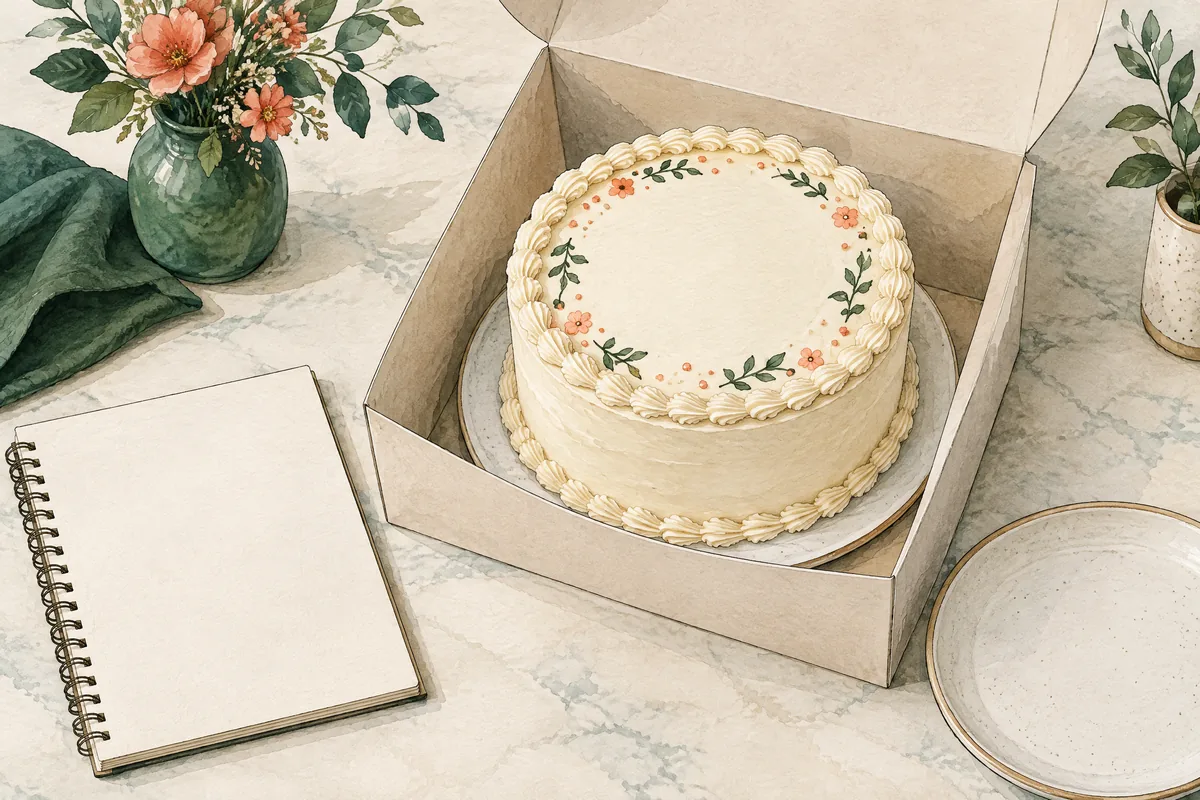
Seasonal design is another choice, not a substitute for confirming the product. Christmas Cake is a page label for exploring a festive cake option, not evidence of a particular design, order window or service. Ask what the finished item includes, what can be changed, and whether any decorations are edible or must be removed before serving. The seller’s written answer should describe the specific item you intend to order.
4. Turn enquiries into specific requirements
A clear enquiry names the decisions that are still open. Instead of asking whether a cake can be “made festive,” describe the occasion, preferred colours or theme, intended serving date and any reference artwork. Then ask which parts can be accommodated, what the finished dimensions and units are, whether design or revisions are included, and how the final design will be approved. These are questions for written confirmation, not assumed features of a merchant’s service.
If decorations are involved, distinguish edible elements from non-edible ones and ask how the latter are identified and handled. The U.S. Food and Drug Administration advises against using decorative products on food when they are labelled only “non-toxic” or “for decorative purposes only” without an ingredient list; it also says non-edible decorations should be removed before serving 2. This is U.S. guidance about decorative products, not a certification of any particular product or a statement of Hong Kong law. Ask about the actual materials and removal instructions for the order.
For ingredient concerns, give the seller the exact ingredients or cross-contact questions that matter to the recipient. The FDA explains that shared equipment and production lines can create cross-contact, and that the absence of a “may contain” statement does not establish that no cross-contact occurred 3. Do not translate a requested substitution or a missing warning into an assurance of allergy safety. If the seller cannot provide clear information, choose a different gift or recipient plan.
5. Use the preference and packaging worksheet
Fill in this practical worksheet before requesting a quote or approving an order. Keep the answers together in one message or document so that preferences, seller replies and final approval can be compared. Write “unconfirmed” rather than guessing. The worksheet is a planning aid, not a food-safety guarantee or a promise that any seller offers a particular option.
Seasonal baked-gift preference and packaging sheet
- Recipient and occasion: Who will receive the gift? What is the occasion and intended tone?
- Use and handover: Is it for one person or a group? Who will receive it, where, and when?
- Preferred format: Cake, boxed assortment or individually portioned sweets. What makes this format suitable?
- Design and packaging: What theme, colours or reference artwork are requested? Ask what can be made, what packaging is included, and whether artwork or revisions are part of the order.
- Ingredients and cross-contact: List specific concerns. Request ingredient information for the selected base, filling and decorations, plus a direct answer about relevant cross-contact controls. Do not record an assumption as a guarantee.
- Storage and serving: Request the selected product’s written storage instructions, suitable serving window and instructions for any decorations that are not edible.
- Collection or delivery: Confirm method, address, date, time window, recipient availability and what happens if the handover fails.
- Approval record: Record the exact item, confirmed details, open questions, final design approval and the person who approved them.
A useful order record separates confirmed facts from preferences and unanswered questions. Keep any change to the design, ingredient choice or handover plan visible in the same record, then ask the seller to confirm that the change is accepted. This simple discipline reduces the chance that an early enquiry is mistaken for a final agreement.
6. Map participant needs before choosing
When a gift is for a group, do not treat the group as if everyone has the same preferences. Ask the organiser whether there are known ingredient concerns, dietary preferences, cultural considerations or practical limits on serving and storage. Share only the information needed to make the decision, and avoid asking the seller for a broad “suitable for everyone” assurance. A single alternative gift may be more appropriate when needs cannot be confirmed.
A product’s name is not a complete ingredient description. For example, the Centre for Food Safety's guidelines, printed in June 2011, discuss Swiss-roll preparation and advise keeping ready-to-eat dairy cream at or below 4°C, while noting that some high-sugar artificial cream may be suitable for room-temperature storage 1. That exception cannot be extended to every cream, filling or whole cake. Ask about the exact filling and follow the seller’s product-specific instructions. The same guidance says cold desserts should be kept at or below 4°C, so make sure the planned handover and destination can support the confirmed requirements 1.
If the gift accompanies a creative activity, keep the activity decision separate from the food order. FlintHub’s cake-making class page is a route for exploring learning and activity planning; it does not imply a particular class format or include a cake, gift, catering or flowers. This separation helps organisers make a clear choice about what they are ordering and what still needs to be arranged independently.
7. Resolve open questions before approval
Before approving an order, review the written record from the recipient’s perspective. Can they receive it at the agreed place and time? Is there a confirmed storage plan? Are the exact format, design, ingredients and packaging understood? Do you know what is edible, what must be removed, and how to serve the item? If an answer is missing, ask the seller to clarify it in writing rather than relying on a general product label or an earlier conversation.
| Planning approach | Useful when | Main trade-off to consider |
|---|---|---|
| Choose one clearly specified item | The recipient’s preferences and the intended serving occasion are known | Fewer alternatives if a key detail, such as ingredients or storage, cannot be confirmed |
| Compare two or more formats before enquiring | The recipient’s needs or the group setting are still being clarified | More details must be checked for each option before approval |
| Hold approval until written answers arrive | Ingredients, decoration, storage or handover details could change the choice | The gift decision remains open until the seller responds |
For small-format sweets, French Macarons is a page label to consider as one possible enquiry route. It does not confirm flavours, ingredients, quantities, packaging, stock or suitability for a particular recipient. Ask for the exact product information and written handling details before treating the option as resolved; if an essential answer remains unclear, hold approval and choose a plan that can be confirmed.
Frequently asked questions
How far ahead should I plan a seasonal sweet gift?
Start when you know the occasion and handover date, then ask the seller directly about availability and any order deadlines. No lead time is confirmed here. Leave room to review the written product details and resolve ingredient, design and storage questions before approval.
Can I assume a cake will stay safe during an event?
No. Ask for storage instructions for the specific item and plan how those conditions will be maintained from handover to serving. General guidance cannot verify the product, packaging, venue or time involved, so do not treat a broad time estimate as a guarantee.
What should I ask about decorative designs?
Request a description of the actual materials, which elements are edible, and what must be removed before serving. Confirm artwork dimensions, design limits and approval steps with the seller. A decorative page or image alone does not establish the materials or service scope.
Is a missing “may contain” warning proof that a gift is suitable?
No. The FDA notes that cross-contact can occur through shared equipment and that such warnings are voluntary in the United States 3. Ask about the specific ingredients and relevant controls; do not infer an allergy-safety guarantee from missing wording or a requested substitution.
What if a seller cannot answer an important question?
Keep the issue marked as unconfirmed and do not approve on the basis of an assumption. Ask for a clear written answer or select another gift plan that meets the recipient’s needs. Where information remains uncertain, avoid presenting the choice as suitable for everyone.
Editorial disclosure
This article was prepared by FlintHub Academy’s AI-assisted editorial team on 2026-11-10; that is the editorial preparation date, not a stated publication date. FlintHub Academy and YumYum have the same owner, so this is not an independent recommendation. FlintHub Academy does not claim medical, veterinary or professional qualifications. The article uses the cited public guidance for general planning context and does not verify YumYum’s products, ingredients, availability, order terms, storage controls or services. Hong Kong is discussed as a planning context, not as a claim that FlintHub Academy or YumYum operates a branch there. FlintHub courses do not thereby include gifts, food, catering or flowers.
References