
Quick answer
For a younger child, look for a short session with simple, hands-on tasks such as shaping or decorating biscuits, and check the stated age range directly with the organiser. Older children may enjoy a cake-making class with more stages, while latte art is generally a better fit for teenagers and adults. Before booking, confirm the session length, what is included, adult-child arrangements, venue details and any dietary or accessibility considerations.
Choosing between a baking workshop and a cake-making class
What a baking workshop can cover
A baking workshop can cover more than one kind of treat, such as biscuits, bread or other baked goods. Its scope varies from one organiser to another, so the name alone will not tell you whether children will mix, shape, decorate or mainly watch demonstrations. Ask for a clear outline of the activities before deciding, especially if you want the child to have a substantial hands-on role.
A focused cake activity
A cake-making class is usually centred on a cake or a particular decorating task. That focus can suit families who want to take home a finished design, but the session may involve waiting while parts of the activity are completed. Find out whether the class includes baking, assembling, decoration or only selected stages; the answer will help you judge whether the pace is right for your child.
What children can do
For younger participants, simple tasks such as shaping dough or adding decorations may be easier to enjoy than a long sequence of instructions. Older children may welcome more steps and a chance to make choices about the finished item. These are broad pointers rather than age rules: ask the organiser what children of your child’s age are expected to do, and whether an accompanying adult is required to participate.

Match the activity to children’s ages and interests
Younger children and simple tasks
A useful starting point is not a single age threshold but the kind of task involved. Very young children may enjoy decorating or shaping, while measuring, following several steps and waiting patiently can be more demanding. Ask whether the activity is designed for children to complete parts independently, with adult help, or mainly alongside a parent. The organiser’s description is more reliable than assumptions based on a class label.
Older children and longer sessions
Primary-school-age children may be ready for a wider range of tasks, although attention span and confidence differ from child to child. A longer cake session might suit a child who likes detailed decoration, while a shorter biscuit activity may feel more rewarding for someone who prefers quick results. If the organiser lists a minimum age, confirm whether that applies to every participant and what adult supervision or participation is expected.
Check age guidance directly
Teenagers may be interested in more specialised formats, including coffee-based sessions, but these are not automatically suitable for every young person. A latte art class is distinct from baking and may involve different materials and expectations. Ask about the intended age group, whether participants handle hot drinks or equipment, and what alternatives are available if the session is not a good fit. Do not rely on generic age suggestions copied from another provider.

Plan a family baking session around your weekend
Allow time for the whole activity
Session lengths vary by activity and provider. The original guide gives indicative ranges of around 1.5 to 2.5 hours for a parent-child baking session and two to three hours for some cake classes, but these are not confirmed timings for a particular booking. Check the current schedule, and ask whether the stated duration includes preparation, decorating, cooling or packing up. This makes it easier to plan around meals and other weekend commitments.
Consider travel and timing
Think about the journey as well as the class itself. A child who has already spent a long time travelling may find a detailed activity harder to enjoy, while a session that finishes close to another commitment can feel rushed. Confirm the venue, arrival time and expected finish time with the organiser. If you are comparing options, consider how easy it is for your family to get there and whether the timing leaves room for a relaxed trip home.
Make the session manageable
A successful family outing does not have to produce a perfect-looking result. It can be more enjoyable to choose a session where adults and children can share tasks, make small decisions and learn at a comfortable pace. Before booking, ask how much of the activity is guided, whether each family makes one item together or separate items, and whether there is time to finish decorating. These details can set realistic expectations for both adults and children.

Compare baking with latte art and other family activities
When latte art may suit older participants
Latte art is a different kind of activity from baking: it focuses on pouring steamed milk into coffee to create a design rather than making baked food to take away. It may appeal to teenagers or adults who are curious about coffee, but ask the organiser about the intended age group and activity details before treating it as a family option. For younger children, a simple baking or decorating session may be a more natural fit, depending on the specific class.
Creative alternatives beyond food
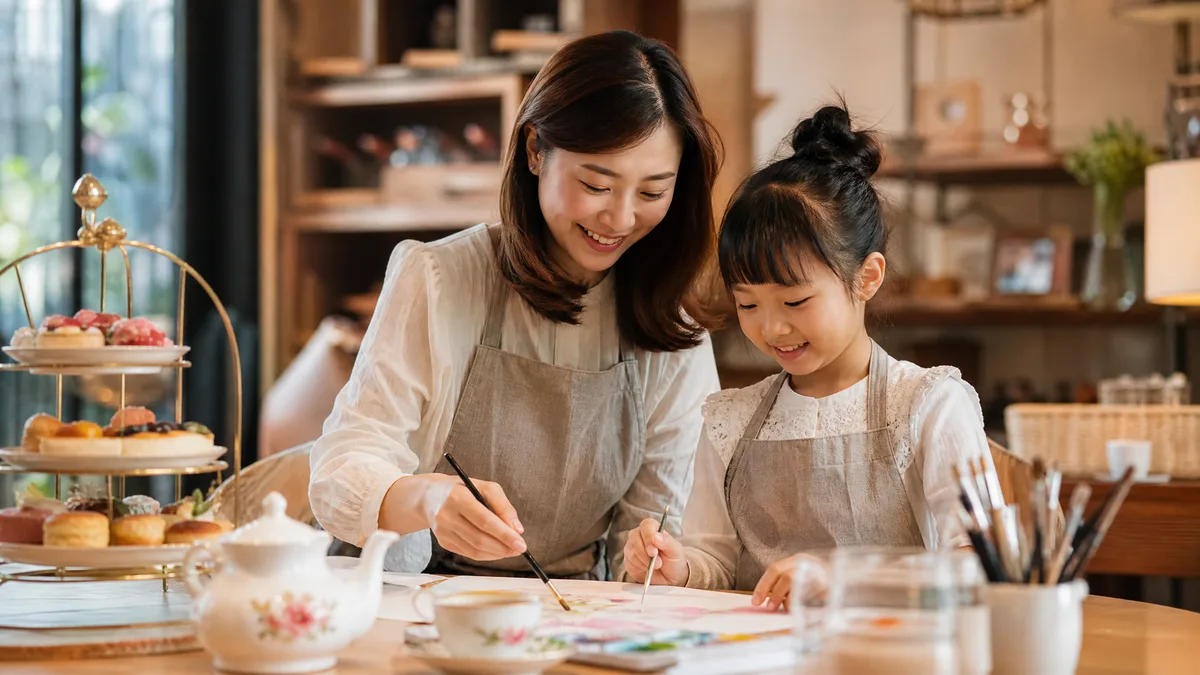
If baking is not the right match, the source guide also suggests pottery, hands-on craft activities, flower arranging and Art Jamming as possible weekend alternatives. These formats offer different kinds of participation: some involve making a lasting object, while others centre on an open-ended creative session. Check the organiser’s age guidance, duration, materials and adult-child arrangements in each case rather than assuming all family workshops work in the same way.
Choose by the family’s interests
A useful way to decide is to ask what your family wants from the day. If the children enjoy food and making things together, a baking workshop may be worth considering. If they prefer drawing or tactile craft, another activity may hold their attention for longer. For ideas beyond food, compare the available options and practical details rather than booking solely on the basis of a promotional description.

Questions to ask before booking parent-child baking activities
Who can join parent-child baking activities?
Start with the participant rules: what ages are accepted, how many children can attend with each adult, and whether adults take part or supervise? Also ask about group size and whether the session is shared with other families. The answers can affect how much individual attention a child receives and whether the event feels suitable for a family new to baking.
Ingredients and finished items
Ask what the fee covers rather than relying on broad claims that materials are included. Confirm which ingredients and tools are supplied, whether participants should bring anything, and whether each family takes home a finished item. If your child has dietary requirements or a food allergy, explain this before booking and ask what the organiser can accommodate. Do not assume that substitutions or separate preparation are available.
Venue, access and session format
Confirm the location and the arrangements for getting there, along with the session’s start and finish times. If you have questions about access needs, toilets, seating or space for a pram, raise them with the provider in advance. For a private group or school enquiry, request a written outline of the proposed activity, participant numbers, venue responsibilities and price. Availability and arrangements need to be confirmed directly.

Compare prices and what each session includes
Ask for current prices
Do not assume that parent-child baking sessions, cake classes and latte art classes use the same pricing basis. Ask each organiser for a current quote for your preferred date and group size. Confirm the currency, whether the charge is per adult-child pair or per person, and whether there are any additional charges. Without confirmed quotes and session details, a general price range is not a reliable basis for deciding which activity offers the best value for your family.
Compare like with like
A lower headline price may not cover the same things as a higher one. Check whether the quoted amount is per person or per pair, whether an accompanying adult pays, and what ingredients, tools or take-home items are included. For a cake activity, ask whether the price covers baking as well as decoration. When comparing family options, use the total cost for your group and the complete session details, not a single advertised figure.
Check the booking terms
Before paying, read the provider’s booking, cancellation and rescheduling terms. The source does not establish a particular refund policy, payment method or change option, so these should be confirmed directly. If an organiser offers a tailored family or group session, ask for the scope, timing, venue and total price in writing. That makes it easier to compare the proposal with a standard public class without assuming either includes extra services.
Keep your weekend activity plans up to date
Check current schedules
If you are planning family outings over the coming months, use this guide to shortlist the type of activity rather than relying on any schedule or price mentioned elsewhere. Class availability, age guidance, session length and venue arrangements can change. Ask the organiser for the latest information for your preferred weekend and confirm that the session is suitable for every participant before committing.
Confirm details close to booking
Keep a short list of the details that matter to your family: the activity itself, accepted ages, adult participation, duration, price basis, ingredients, travel arrangements and booking terms. This makes enquiries more efficient and helps you compare a baking session with a cake-focused class or a non-food activity. If you are booking for a group, add participant numbers and any practical requirements to the questions.
Keep expectations realistic
The best choice is the one that fits your family’s interests and expectations, not necessarily the class with the most elaborate title. A simple biscuit session can be enough for a shared weekend experience; a longer activity may suit children who enjoy more detailed tasks. Confirm the specifics with the provider, allow time for the outing as a whole and leave room for the finished work to be imperfect—and enjoyable.
Questions about parent-child baking activities
What age is suitable for a parent-child baking class?
There is no age range that applies to every class. The source guide suggests simple biscuit decorating may suit younger children, while more involved cake activities may appeal to older children, but these are general pointers rather than confirmed provider rules. Check the organiser’s minimum age, adult participation requirements and the tasks children will do before booking.
What is the difference between a baking workshop and a cake-making class?
A baking workshop may cover different baked items, such as biscuits or bread, depending on its programme. A cake-making class is generally focused on cake preparation or decoration. Ask the organiser which stages are included, what participants will make and whether the session is hands-on throughout.
Is a latte art class suitable for a family activity?
It can suit older participants who are interested in coffee, but suitability depends on the class and the provider’s age rules. Confirm the intended age group and the activity details directly. For younger children, consider a baking or cake-decorating session if its age guidance and arrangements fit your family.
How long does a parent-child baking session take?
The source gives an indicative range of about 1.5 to 2.5 hours for some parent-child sessions and two to three hours for some cake classes. These are not guaranteed timings. Confirm the current duration and whether it includes preparation, decorating, cooling and packing up.
How much does a baking workshop cost?
Ask the organiser for a current quote for your preferred session and group size. Confirm whether the charge is per person or per adult-child pair, whether an accompanying adult pays, and what ingredients, tools and take-home items are included. Compare the total cost for your family rather than relying on an unverified general price range.
What other weekend activities can families consider besides baking?
The source suggests pottery, hands-on crafts such as plaster-figure painting, flower arranging and Art Jamming. Availability and age suitability vary, so check each organiser’s activity outline, duration, materials and adult-child arrangements before booking.
Prepared with AI assistance and local editorial adaptation. This is planning guidance, not a record of a delivered event. Confirm current arrangements directly; images are references and do not verify a particular class or event.
Where a school is planning a parent day with small-group rotation, parent-child baking class Hong Kong can be a starting point for discussing flow, space, and adult accompaniment.
Before setting a family activity theme, ask how an art workshop Hong Kong would fit the group’s ages, room conditions, and cleaning needs.
When a company needs shared practice rather than only a social break, corporate training Hong Kong should begin with a real work situation and a clear participation goal.