
Quick answer
For a team-building workshop, first decide what you want the group to experience: relaxed conversation, a shared creative task or a finished item to take away. Then compare activity format, group size, duration, venue, accessibility, materials and total cost. Painting, crafts, baking and floristry are possible options, but suitability and availability vary by provider. Ask for written details before committing, especially about the schedule, setup, travel and cancellation terms.
Compare creative formats for team-building workshop recommendations
Collaborative painting and art workshops
Creative sessions can give colleagues a shared focus without requiring everyone to be equally confident or experienced. In art workshops, a group might work on individual paintings or contribute to a shared piece; formats such as Art Jamming and fluid painting are examples to enquire about. Ask what participants actually do, how much instruction is involved and whether the activity is suitable for beginners.
Crafts, floristry and baking
A making session can offer a more tangible outcome. DIY crafts might include leatherwork, candle-making or metalwork, while floristry and baking provide different kinds of hands-on collaboration. These are examples, not a confirmed list of available sessions: check the materials, finished item, level of participation and any limits on group size directly with the organiser.
Match the activity to the team
The activity should reflect the event’s purpose. If conversation is the priority, avoid a format that demands continuous attention. If the group wants to create something together, ask whether the task genuinely involves collaboration or simply places individuals side by side. For a mixed group, find out whether participants can choose different levels of involvement without holding up the session.
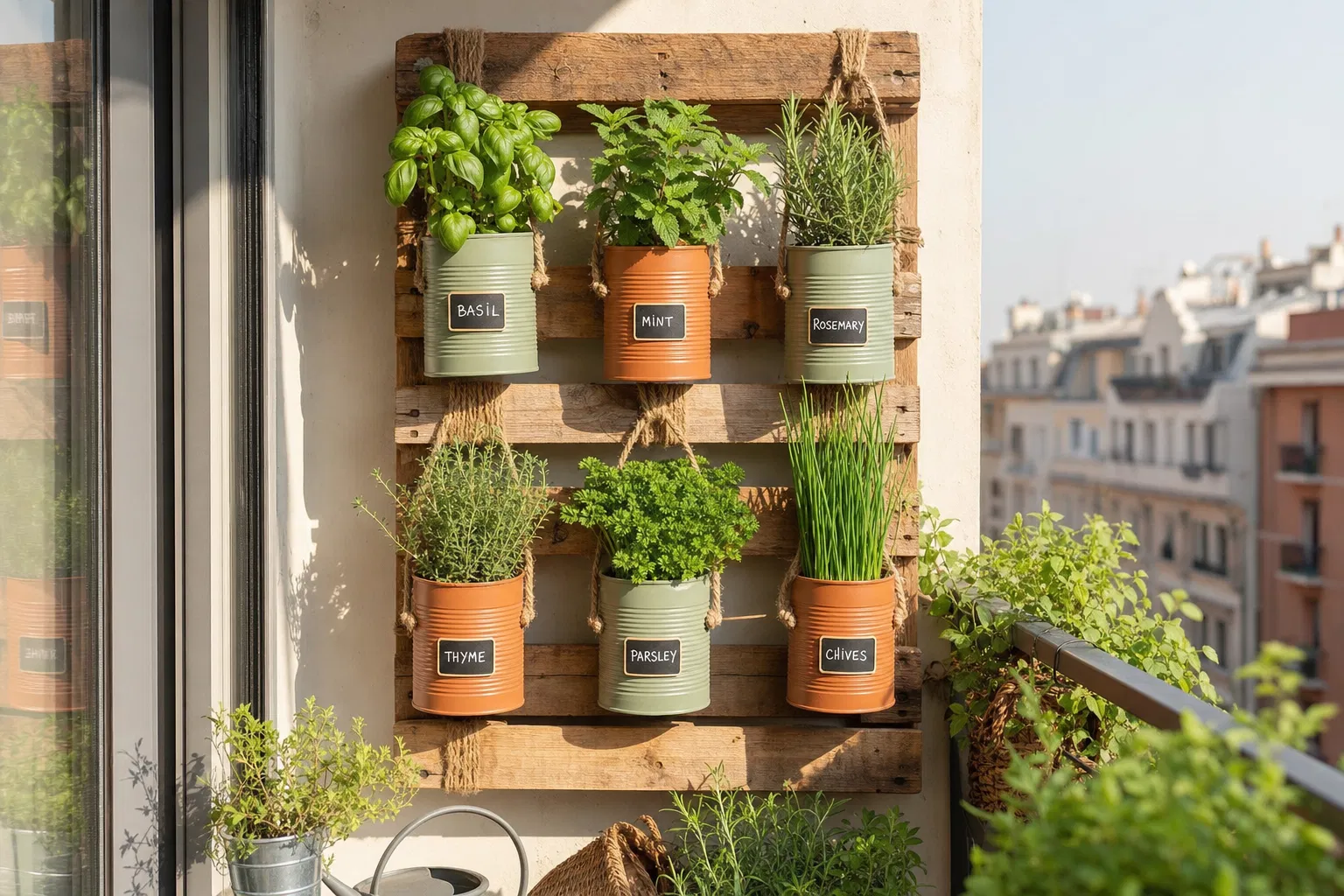
Plan around group size and different needs
Ask how the session works at your headcount
A headcount alone does not establish whether a workshop is suitable. Ask the provider for its minimum and maximum numbers, how participants are divided into groups, and whether everyone can take part at once. For larger groups, clarify whether the activity needs stations, extra facilitators or a longer schedule; none of these arrangements should be assumed from a listing or title.
Consider access and participation
Consider the range of people attending, including colleagues who may not want to paint, handle particular materials, stand for long periods or share their work publicly. Ask about seating, step-free access, dietary requirements for food-based sessions, language of instruction and alternative ways to participate. The organiser should explain what can and cannot be accommodated before you confirm.
Plan for a group of 20–30
For a group of 20–30, painting, baking or floristry may be worth comparing, but do not assume that every provider can host that number. Ask for a proposed layout and running order, including how long participants wait for materials or instruction. Request confirmation of the exact capacity and staffing for your date, venue and chosen activity.
Set a realistic duration and running order
Confirm the full time commitment
If you are planning a two- to three-hour workshop, check whether that allows enough time for your chosen activity. Confirm whether the quoted time includes arrival, introductions, demonstrations, making, clean-up and photographs. Ask when participants should arrive and whether the group needs to be ready to start at the stated time.
Build in arrival and transitions
A short creative session may fit into a workday, while a half-day or full-day event could involve more than one activity or additional breaks. Treat these as planning possibilities rather than standard packages. Before booking, request a schedule showing each stage and ask whether there is time for people to move between activities, eat or return to work afterwards.
Choose a format that fits the day
Keep the programme proportionate to the team’s energy and objectives. A tightly packed series of activities can leave little room for informal conversation; a single focused task may be enough for a social event. If you are considering a longer programme, confirm what extra arrangements are involved, whether breaks are included and whether the proposed timing is feasible at your venue.
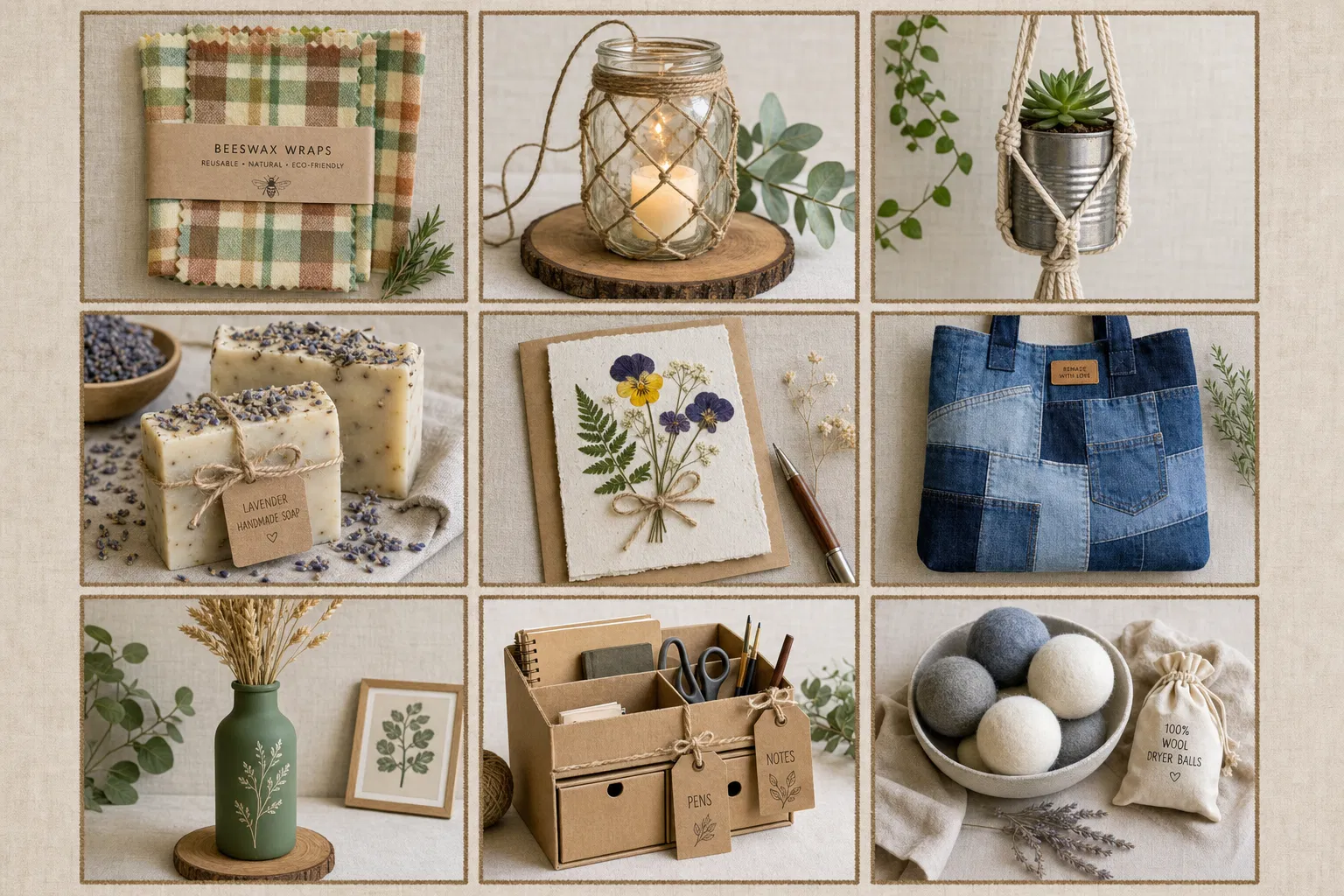
Check venue, setup and on-site arrangements
Ask about an office-based session
Some providers may be able to run activities at a company office, but on-site service should never be assumed. Ask whether the organiser travels to your location, what districts are covered, and whether travel or setup affects the quote. If the provider cannot come to the office, ask what venue options are available and who is responsible for arranging one.
Confirm space and facilities
Describe the room before agreeing to a plan. Confirm the number and size of tables, seating, access to water or power if required, ventilation, storage and time available for setup and pack-down. These needs differ by activity; a baking session, for instance, may depend on facilities that a meeting room does not have. Ask the organiser to state requirements in writing rather than relying on a general assurance.
Clarify materials and transport
Clarify who supplies and transports materials, what is included in the activity fee and what the host must provide. Ask about protecting surfaces, managing waste and taking finished pieces away, without assuming that the organiser supplies every tool or handles every cleanup task. For anything involving specialist equipment or materials, request details of the proposed setup and any restrictions relevant to your venue.
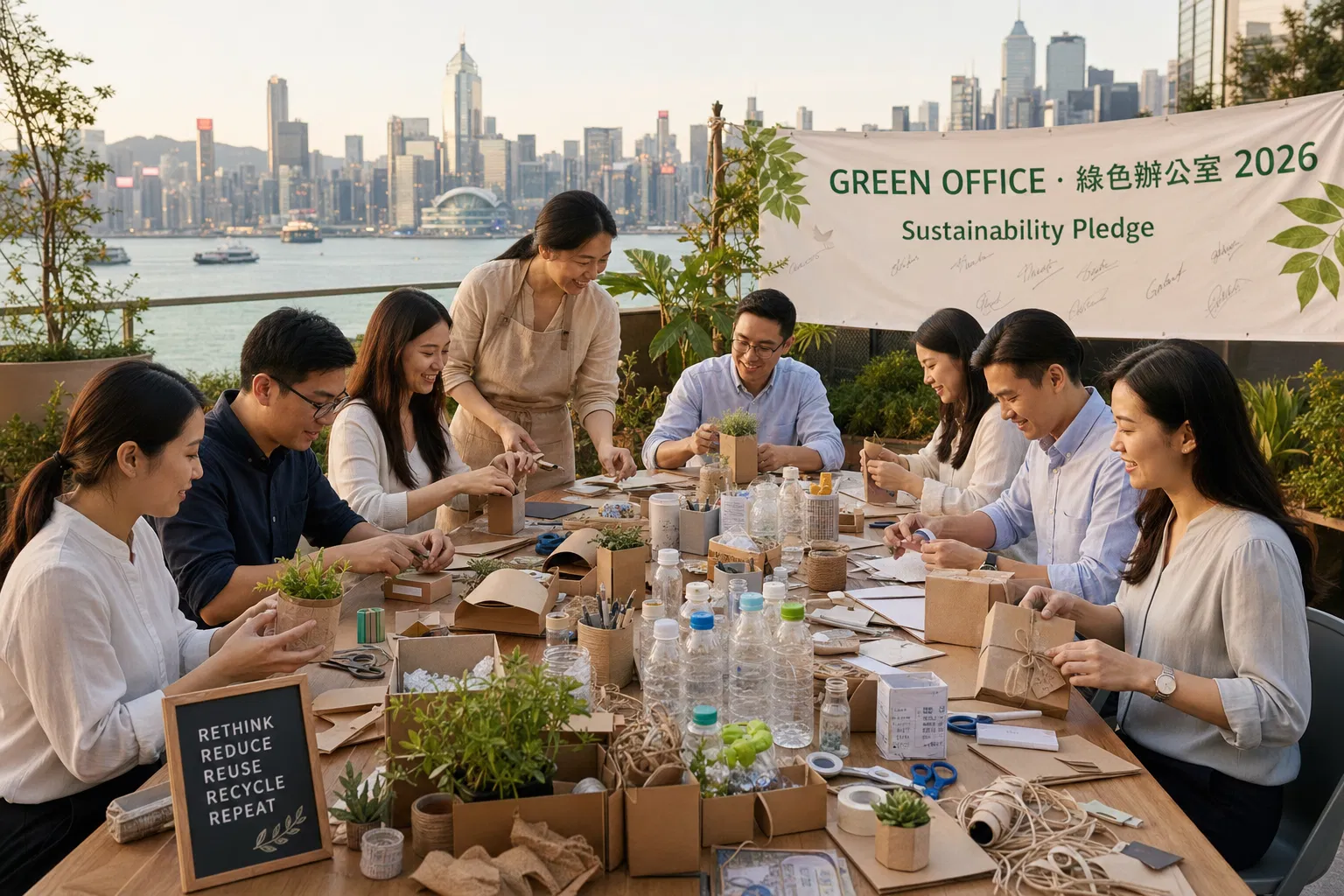
Compare quotes, inclusions and customisation
Request a like-for-like quote
Workshop costs can vary with the activity, headcount, materials, location and duration. Request an up-to-date quote for your chosen format and group size rather than relying on a general price range. Ask whether the amount is per person or per session, and whether transport, venue, setup or additional staff cost extra.
Ask whether the theme can be adapted
To compare proposals fairly, ask each provider to list the activity, session length, participant capacity, materials, staffing, venue assumptions and any optional additions. If a quote mentions a group discount, ask how it is calculated and whether a minimum number applies. Do not infer that materials, refreshments, photography or a finished item are included unless the written proposal says so.
Check terms before confirming
A provider may be able to adapt a session around a company anniversary, seasonal celebration or new-starter event, but customisation is subject to confirmation. Explain the occasion and what you hope participants will take away from it, then ask what changes are possible and whether they affect the price or schedule. Before paying, review the provider’s booking, rescheduling and cancellation terms; do not assume refunds or flexible changes are available.

Use a practical checklist to choose a provider
How should you compare team-building workshop recommendations?
A useful shortlist starts with a clear brief: approximate headcount, preferred date, location, time available, budget and the kind of interaction you want. Share the same brief with each provider so that their replies are comparable. Look for concrete answers about delivery and constraints, not just broad claims that an activity suits every team or can be customised without limits.
Get operational details in writing
Ask for a description of the session and its sequence, the facilitator-to-participant arrangements, the materials supplied and the responsibilities of the host. Confirm the provider’s experience with your proposed group size if that matters to your decision, and request any relevant terms or venue requirements. Avoid treating photographs or a sample project as proof that your group will receive the same result.
Make the booking decision
Once the practical details are clear, weigh the format against your team’s preferences. A relaxed painting session may suit a group seeking an informal shared experience; a craft, baking or floristry activity may be more appealing when people want a specific kind of making. Keep a backup date or activity in mind if availability is limited, and confirm the final arrangements in writing.

Plan a 2026 team event without relying on assumptions
Start enquiries early, then confirm availability
The 2026 planning horizon is a useful reason to begin comparing options, not evidence that a particular date, venue or package is available. Once you have a preferred period, ask providers about dates, lead times and how long they need to confirm an event. If the event depends on an office venue or an external location, check both sides before treating the booking as settled.
Set expectations with participants
Tell participants what the activity involves, how long it is expected to take and what they should wear or bring, based on information supplied by the organiser. If the session includes food, materials or a take-home item, describe those accurately only after confirming the details. An advance note can also invite participants to raise access or dietary needs privately, giving the organiser time to respond.
Review the outcome for next time
After the event, a brief team check-in can help you decide what to repeat or change. Ask whether the pace, level of interaction and activity suited the group, and note any practical issues with timing or venue. This is a planning tool, not a promise of measurable team-building results. Use what you learn to make a more informed choice for a future event.
Choose How Your Team Creates
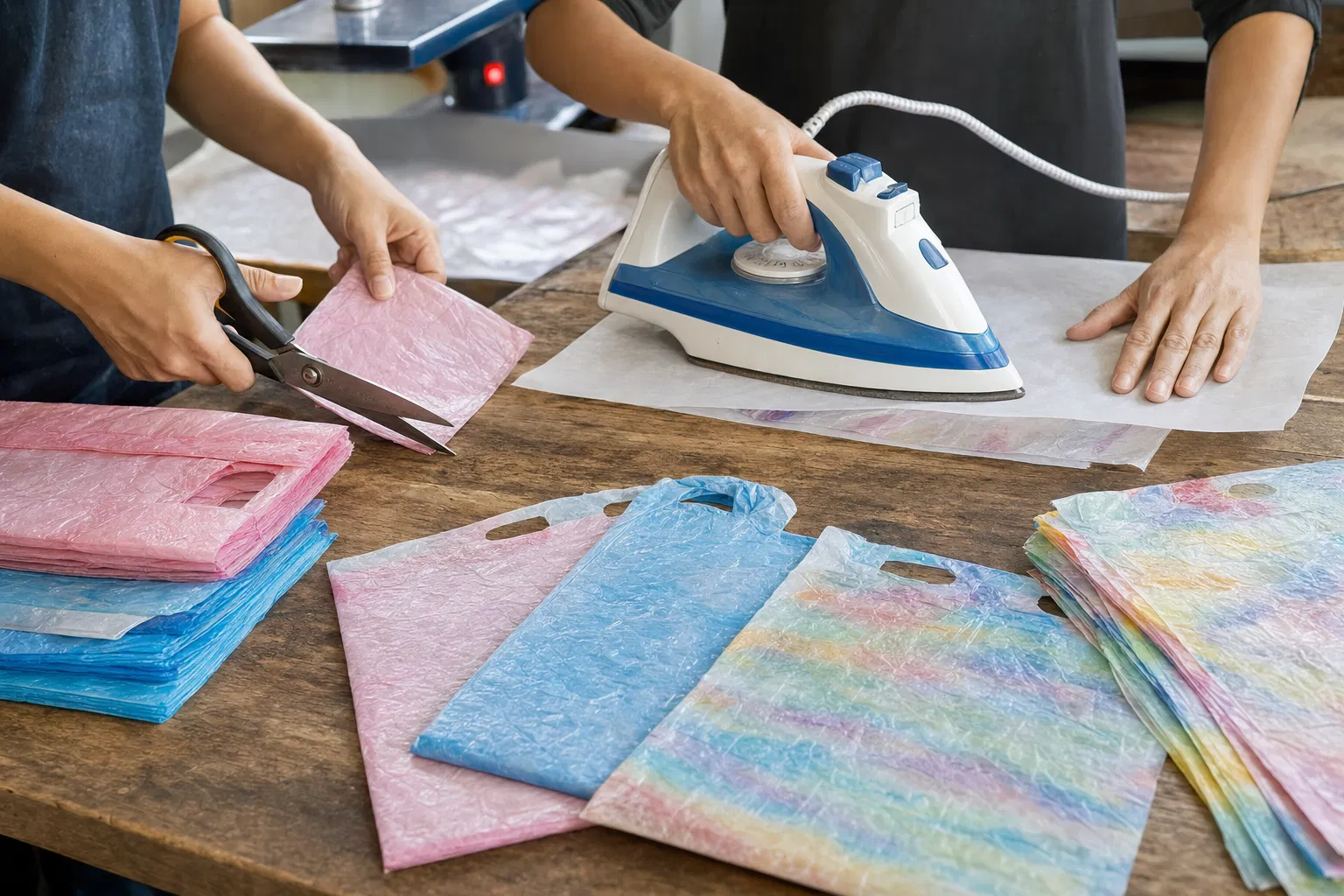
For a private floral workshop, decide whether colleagues should build a shared display or make individual arrangements. Ask the organiser: can the proposed format include discussion about flower placement, a demonstration and feedback at each workstation? Request a layout showing where materials and tools would sit, and clarify whether participants would share supplies or have separate sets. If collaboration is the priority, individual making alone may not suit your plan. Before booking, ask for confirmation of the venue, setup responsibilities and what happens if your headcount or date changes, so the agreed format remains workable.
Prepared by FlintHub Academy with AI assistance from public information for event catering, gifting, baking and floristry planning and enquiries, not first-hand service testing or real client cases. YumYum and FlintHub Academy have the same owner; links are relevant service resources, not independent third-party endorsements. AI-generated concept illustrations do not depict actual YumYum products, services, venues, instructors or clients. No professional author credentials or guarantees of safety, price, availability or outcomes are claimed. Confirm allergies, materials and storage requirements, scope, fees and availability with the actual provider.
Questions about team-building workshop recommendations
What types of team-building workshops are available?
Options to ask providers about include collaborative painting or fluid painting, crafts such as leatherwork or candle-making, baking, floristry, music-making and outdoor activities. Availability and the session format vary, so confirm what is offered rather than assuming every provider runs each type.
What workshop might suit a team of 20–30 people?
Painting, baking and floristry are possible formats to compare, but suitability depends on the provider’s capacity, venue and staffing. Ask whether the full group can participate at once, how materials are organised and whether the proposed schedule includes waiting time.
How long does a team-building workshop usually take?
Confirm the duration with the provider for your chosen activity and group size. If you are planning a two- to three-hour session, check whether that includes introductions, making, breaks and pack-down. Half-day or full-day arrangements may be possible by combining activities, subject to confirmation.
How much should a company budget for a team-building workshop?
Costs depend on the activity, group size, venue, duration and materials. Request an up-to-date, itemised quote for your event and check whether travel, venue hire, setup or other costs are additional. Confirm what is included before setting the final budget.
Can a workshop be held at our office?
Possibly, but on-site delivery is not guaranteed. Ask the provider whether they travel to your office, what space and facilities are needed, and whether transport or setup affects the price. Confirm materials, access and venue responsibilities in writing.
Can we customise a workshop around a company theme?
A provider may be able to adapt an activity for an anniversary, seasonal event or new-starter gathering. Explain your aims and ask which changes are available, whether they affect the fee or schedule, and what the final session will include before booking.
Prepared with AI assistance and local editorial adaptation. This is planning guidance, not a record of a delivered event. Confirm current arrangements directly; images are references and do not verify a particular class or event.
To fit campus safety rules and the school timetable, candle workshop Hong Kong should be considered after the year level and room conditions are shared.
A family planning a commemorative activity can compare a leather workshop Hong Kong option with its preferred pace and adult support.
When a company is looking for a hands-on shared activity for a quarterly gathering, a baking workshop Hong Kong can be a useful starting point for comparing group size, venue, and flow.