Define the classroom purpose before selecting a format
Start with observable learning situations
Begin with one or two recurring classroom situations that colleagues can describe without naming students or staff. A team may be concerned that discussion stops at short answers, group tasks distribute participation unevenly, or written feedback does not lead to revision.
Turn a broad theme into teacher actions
A focus on questioning is different from a focus on collaborative learning. The former may involve wait time, follow-up prompts and student-to-student questions; the latter may involve task instructions, roles, accountability and sharing.
Frame the intended outcome as an action a teacher could notice and test. Examples might include writing an open question that asks for evidence, preparing a task with two levels of support, or using a quick check to gather student thinking. Sharing a current unit, year level and the question to be explored in an enquiry makes it easier to discuss an appropriate level of detail.
Compare explanation, modelling and collaborative planning
Knowing an idea is not the same as using it
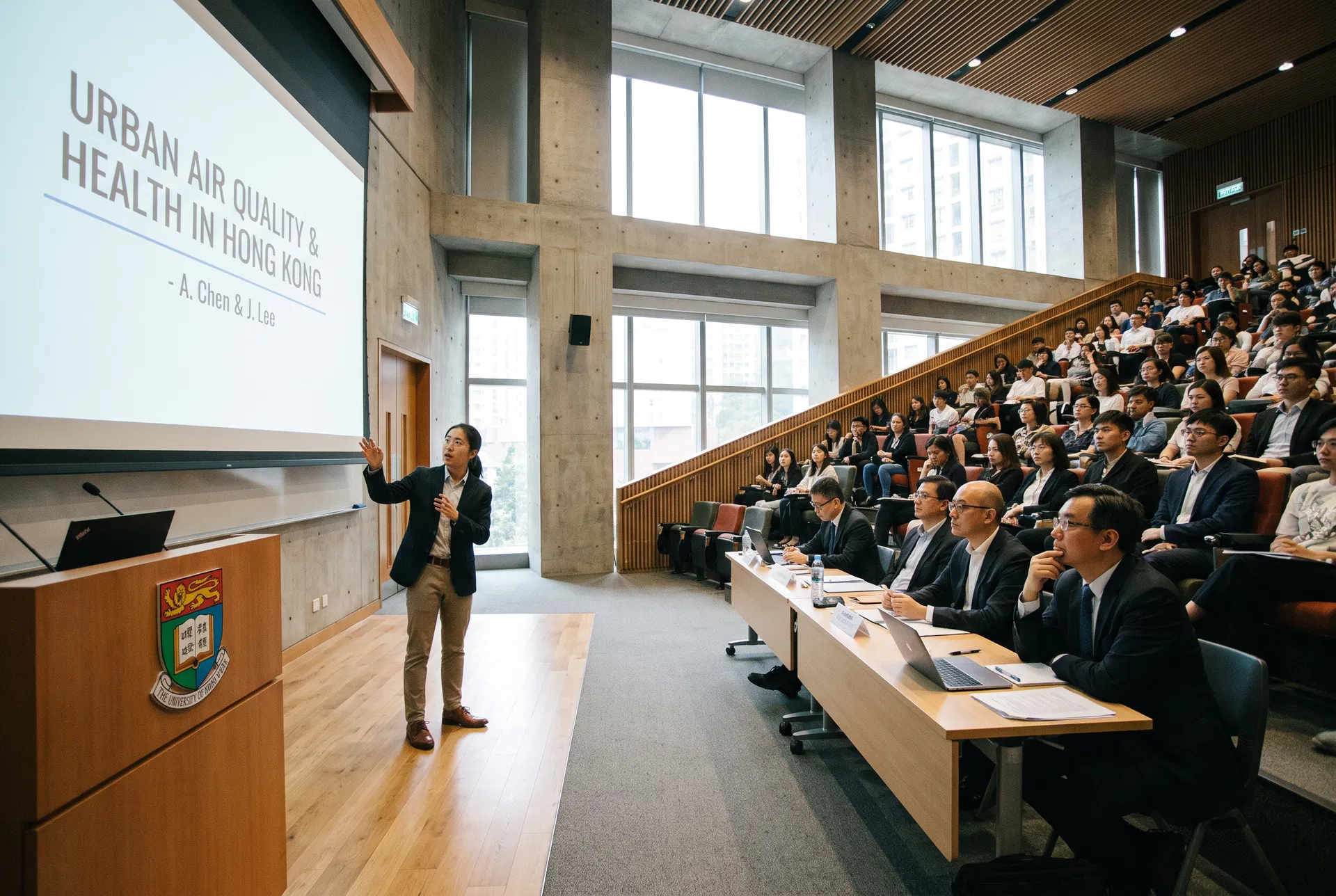
A concise presentation can establish vocabulary and a shared framework. Modelling lets participants observe how instructions, pacing and responses work in a limited time. Collaborative planning then gives colleagues a chance to translate that framework into a lesson sequence for a particular class. The useful balance depends on the purpose, rather than an assumption that every component must occupy the same amount of time.
Choose materials for a teaching decision
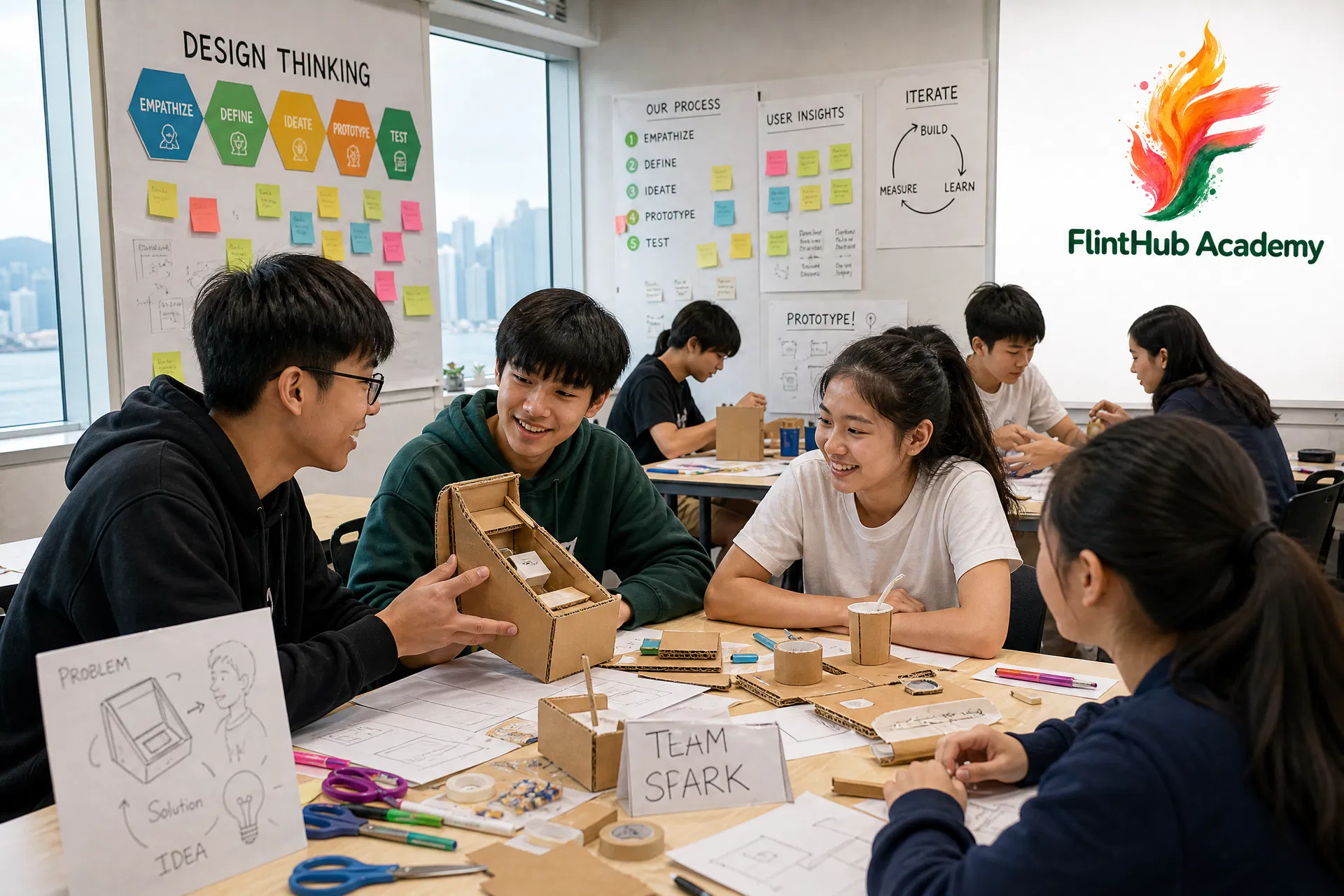
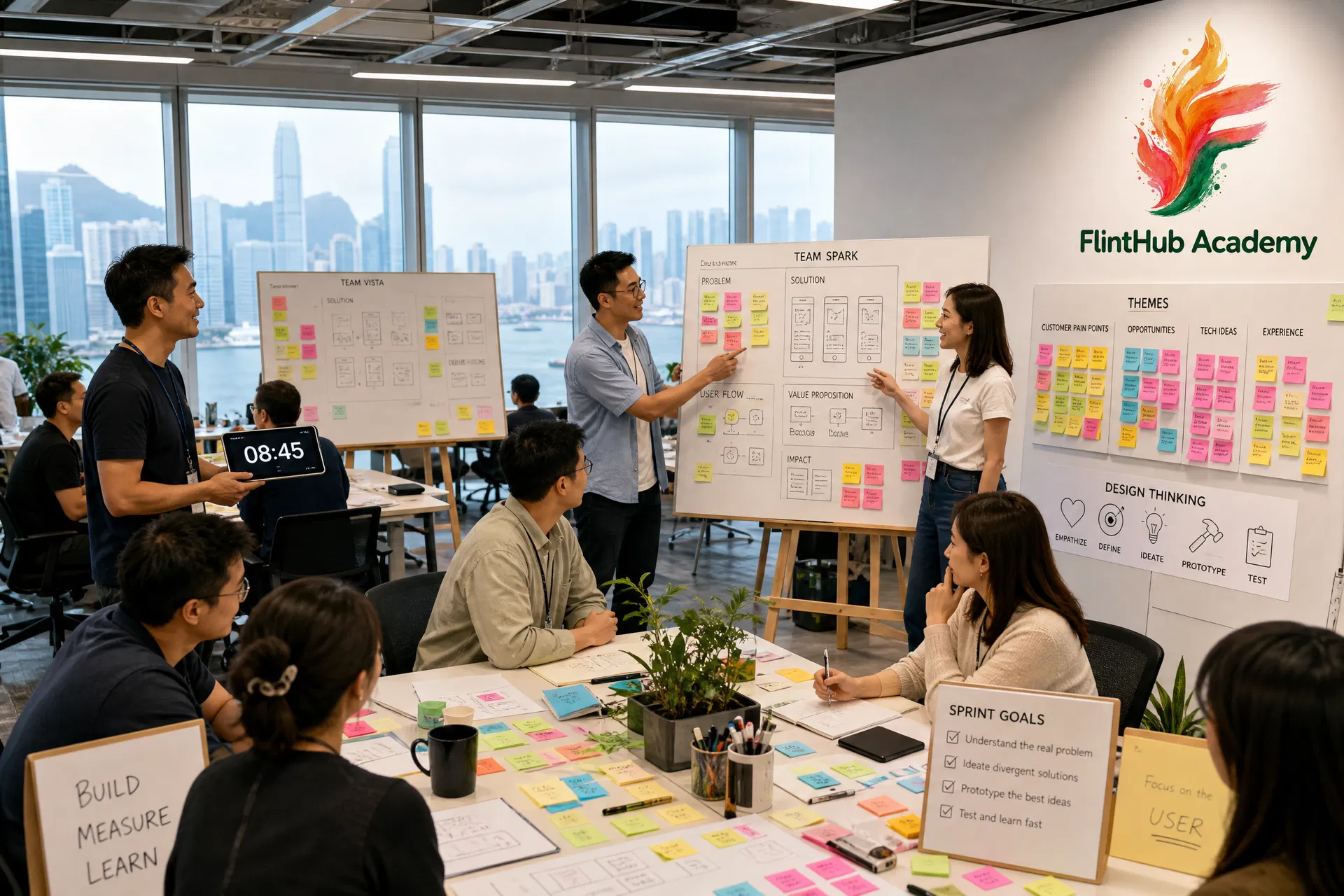
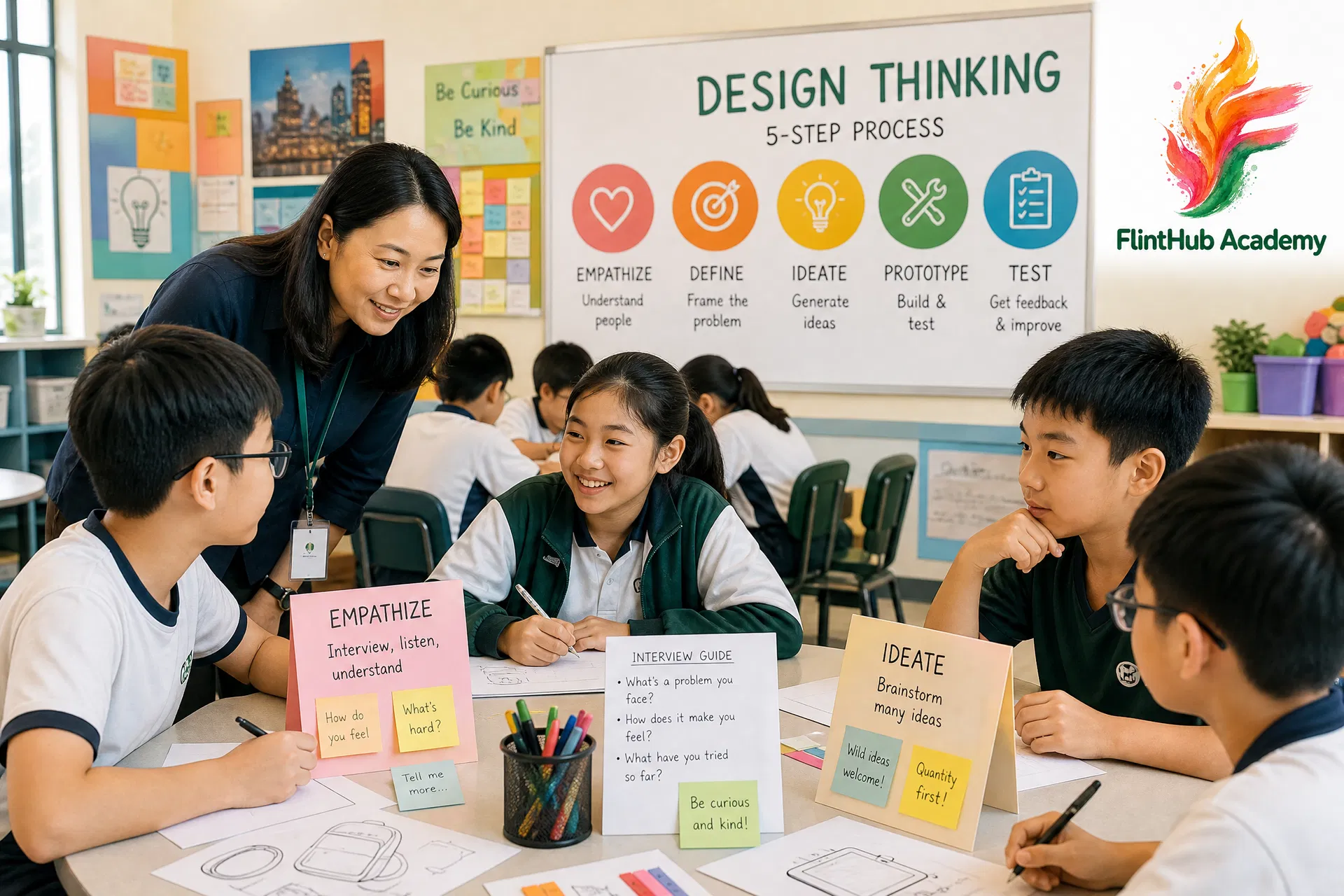
Possible discussion materials include anonymised samples of student work, scenario cards, short classroom video extracts, sticky notes, task sheets or simple prototypes. Subject to school approval and privacy arrangements, they can support comparison of feedback language, revision of question order, or testing of instructions. A display piece should not be treated as the only evidence that learning has occurred.
Materials should fit the discipline. Arts educators might examine how learners look at and respond to a piece of work; language teachers might rehearse questions around a text; inquiry-based learning may organise observations and evidence. Explain the subject and available equipment when enquiring, so the venue can be considered for tables, projection, writable surfaces or a quieter discussion area.
Design for the roles and experience in the room
Use shared school routines with an established team
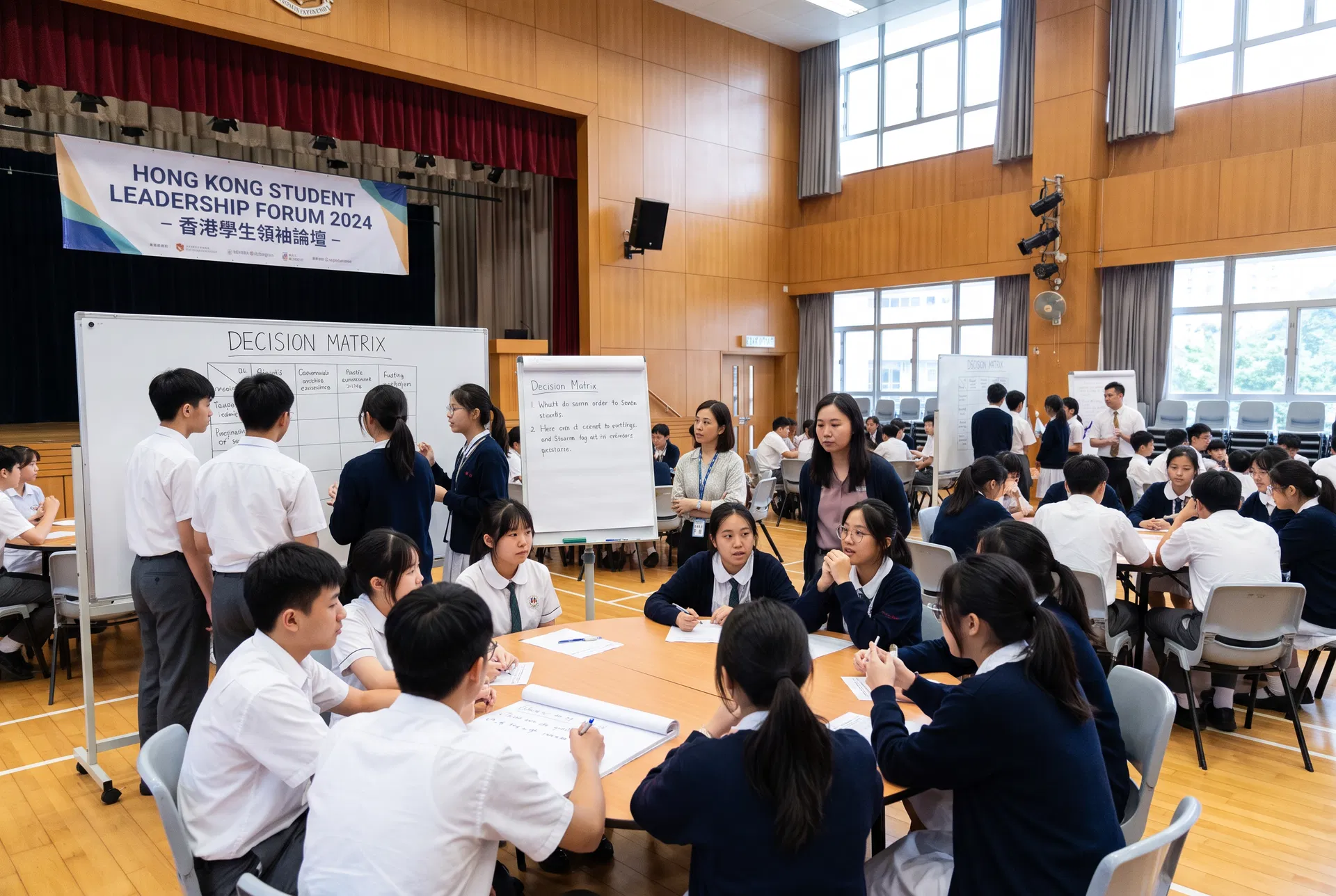
When a department or year team attends together, activities can connect to a common unit, assessment point or classroom routine. Time may be reserved for revising one lesson plan together. Where newer and more experienced teachers participate in the same room, a task can include a core sequence and an extension, so neither group is reduced to watching the other work.
Create a common entry point for mixed groups
For participants from several schools, it is usually more useful to begin with a recognisable classroom scenario and shared language before asking each person to apply the ideas locally. Teaching assistants, social workers, librarians and activity coordinators may also contribute to student learning, but their expected participation should be clarified rather than assuming that everyone has the same teaching responsibility.
An education team within a company that supports school volunteering may need to focus on communication with the school, activity boundaries and student participation. Families may instead discuss ways to support reading, making or everyday conversation at home. These groups have different purposes, preparation time and decision-making roles, so an arrangement should be scoped according to the people involved.
Protect time for rehearsal, feedback and reflection
Sequence input, trial and revision
A possible flow includes a short diagnostic opening, shared input, a facilitated model, group trials, peer feedback and an individual action note. The duration of each part must be matched to the actual time available and the number of participants. What matters is that teachers can use a principle in a concrete task, not simply collect notes from a presentation.
Use a short session for one defined skill
A half-day may be best used to build and rehearse one classroom skill, such as making success criteria visible or improving discussion norms. A longer development plan may be needed before lesson analysis, practice teaching, observation discussion and revision can be considered. Packing several large themes into one gathering makes it harder for a team to identify which adjustment is realistic for its classrooms.
Quiet writing, paired exchange and small-group sharing can give colleagues who speak less often a way to develop ideas. Where a session may be delivered in English, Cantonese or bilingually, ask about participants’ working language and whether bilingual materials are needed. Language choice affects the pace of instructions, the time required for dialogue and the preparation of handouts.
Fit professional learning to school conditions
Work with the academic calendar and local procedures
Before choosing an approach, consider whether the session falls before term, near an assessment period or during scheduled collaborative planning, and whether teachers can test an adjustment in the following weeks. Existing curriculum frameworks, learning platforms and observation language are not obstacles to ignore; they define the conditions in which a new routine would have to work.
Begin with a small, testable change
A team can test a change in one class, one lesson or one worksheet rather than attempting a whole-school shift immediately. For example, a single instruction could be divided into prompts, or a task could add a space where students explain a choice. Teachers can note student responses and their own observations, then decide together what to retain, alter or stop at a later planning conversation.
If the school wants continuity, an enquiry can ask whether planning prompts, reflection questions or a sharing format should be considered. Any later support, deliverables, advanced learning options or documentation are not assumed features. Their scope, availability, dates and resource requirements need to be agreed in response to the school’s specific request.
Check venue, materials and everyday safety arrangements
Match the room to the interaction required
A school hall, classroom, library or external activity room will have different constraints. If the session includes table-based making, poster work or movement between groups, check whether furniture can be rearranged, where projection and power points sit, and whether there are washing, storage and accessible-route considerations. The organiser responsible for the venue should confirm the actual conditions.
Identify practical coordination points early
Where scissors, paint, modelling materials or small tools are considered, select options suited to the participants and the venue rules, and agree how items will be used, cleaned and stored. Anyone with concerns about odour, skin contact or a particular material should raise them early with the organiser, who can follow the school’s established procedures and make appropriate arrangements.
Conservative planning may include clear walkways, adequate lighting, separate food and materials areas, a short reminder before group movement, and awareness of the school’s on-duty and emergency-contact arrangements. These are ordinary organisational precautions, not a substitute for venue management, school risk assessment or advice relating to an individual’s particular needs.
Use an enquiry checklist to compare workable options
Share the information that shapes the design
For a teacher training workshop Hong Kong enquiry, provide the school or organisation type, participant roles, approximate group size, relevant age range or year levels, the teaching situation to explore, available dates and times, venue type and preferred language. It is also helpful to mention a budget range, equipment limitations, accessibility considerations and whether the group will have a later opportunity to collaborate.
Confirm key conditions in writing
Ask how the proposed balance of modelling, practice and planning relates to your purpose, what the host team may need to prepare, and whether projection, tables or specific materials need to be discussed. Fees, final date, facilitator, actual attendance, materials, delivery of any work or documents, and possible advanced options all require confirmation through the enquiry process.
When comparing options, look beyond the number of hours or the activity label. Consider whether the approach addresses the school’s stated aim, gives participants meaningful practice, works in the available room and can be adapted by the team afterwards. A single-page question list can help school leaders, subject teams and administrative colleagues align expectations.
Before confirming a cross-curricular event, a school workshop Hong Kong gives staff a prompt to check materials, movement routes, and support needs.
After confirming classroom or specialist-room conditions, a school can compare whether STEM school programme Hong Kong belongs within its current science topic or project learning.
When comparing creative activities for a child, start by exploring a children’s art class Hong Kong and then enquire about age fit, material choices, and accompaniment details.