Start with learning intent, not the final item
Turn a theme into observable actions
One campus activity may support expression, environmental awareness, cultural inquiry, communication, or observation, but should have one or two outcomes. A reuse-material task can focus on texture and structure instead of identical decorations. The aim shapes questions, materials, and pace.
Set an appropriate level for each pupil group
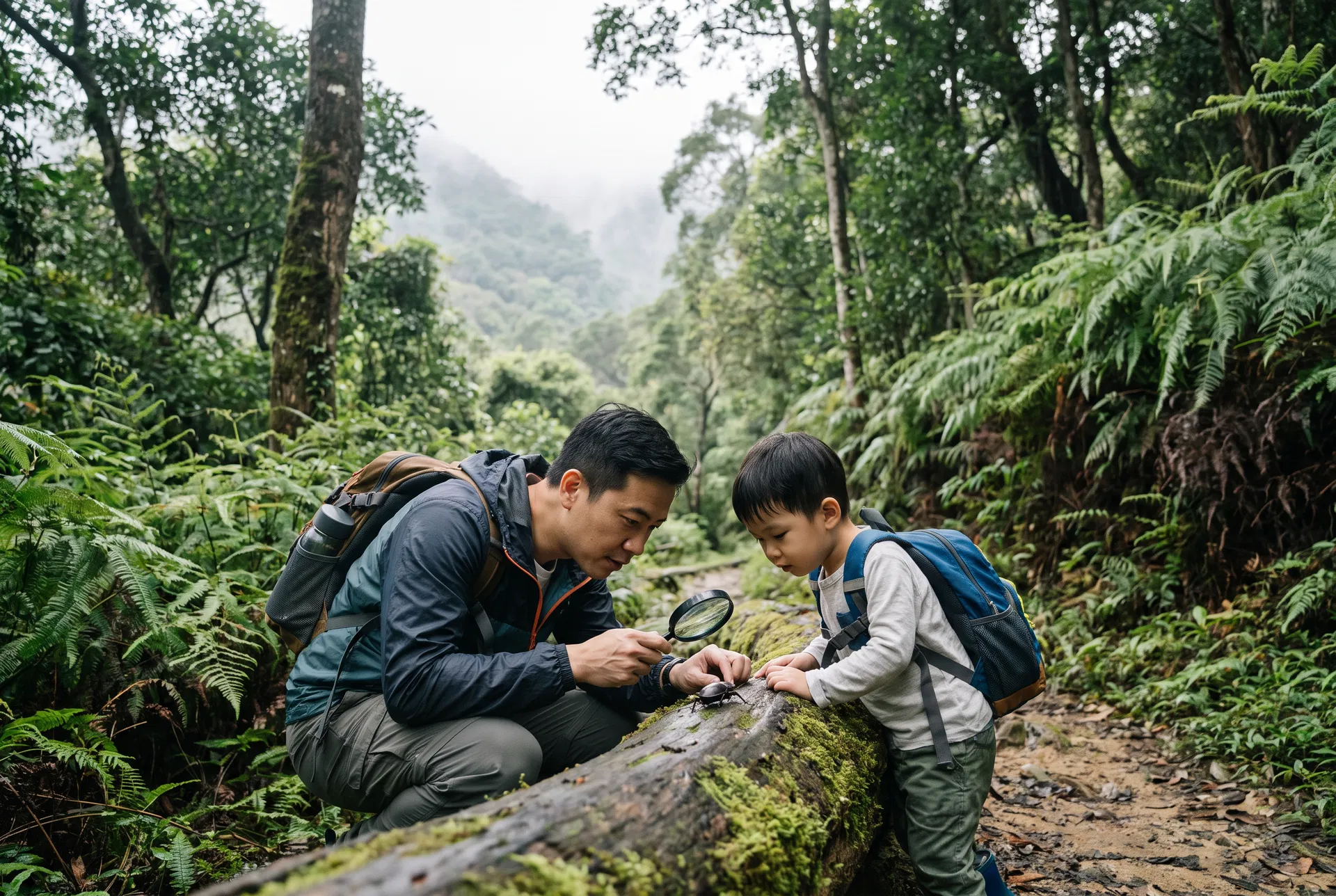
Drawing, collage, simple construction, and inquiry tasks build different skills. Creative work may involve composition, colour, cutting, or shaping; an investigation may prioritise noticing, testing, sorting, recording, and explaining. In an enquiry, share the class topic, relevant prior learning, and the thinking steps pupils should practise, so an activity can support teaching rather than replace it.
Younger children need larger components, fewer steps, and closer support, while older pupils may manage design choices, evidence notes, or team roles. Where ability levels vary in one room, ask about a core task with optional extensions. This gives everyone a route to participate without imposing one fine-motor standard or one working speed.
Match material behaviour to skills and campus conditions
Compare texture, cleanup, and drying needs
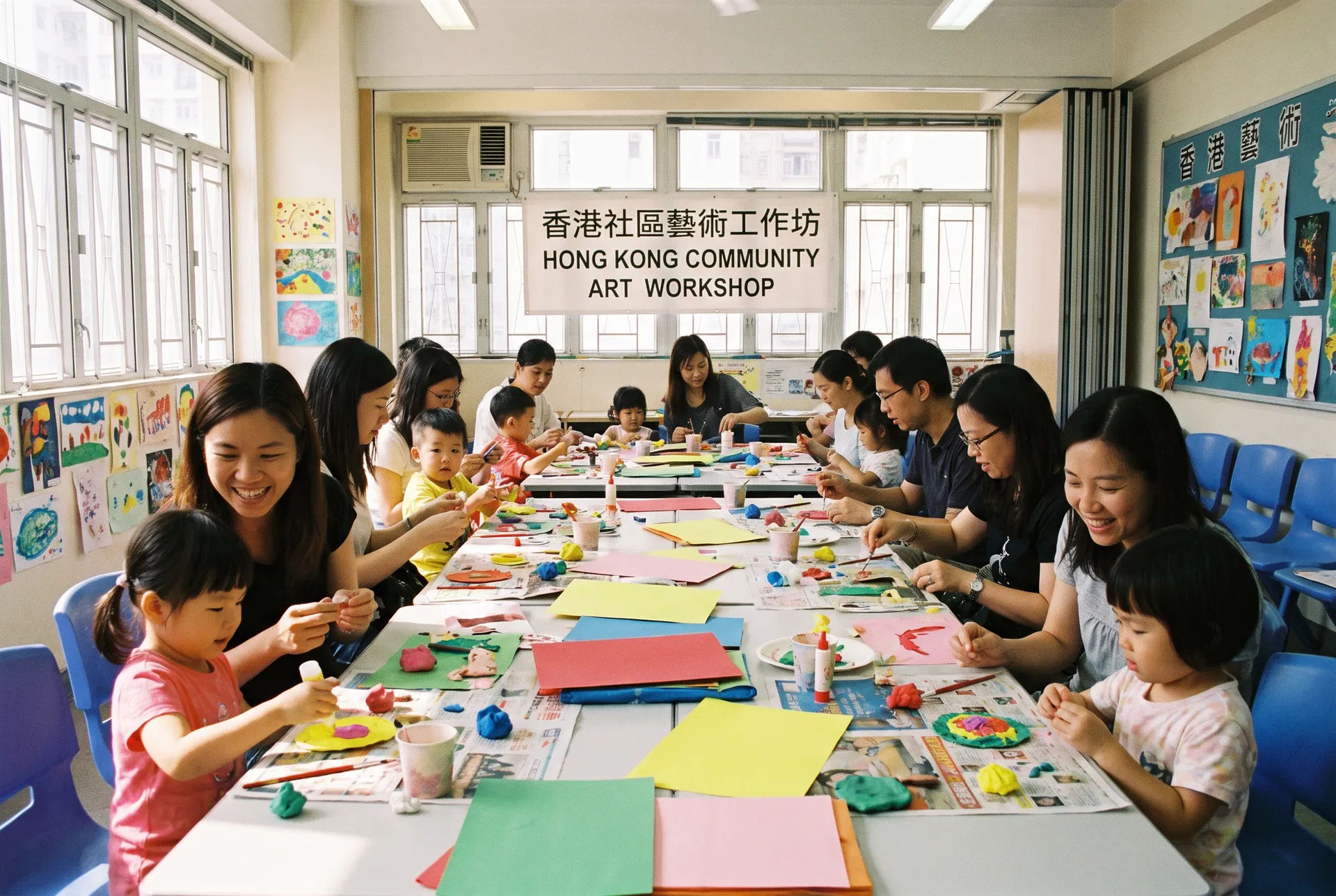
Paper, fabric, clay, paint, and reclaimed materials create different preparation demands. Paper and collage can be compact, while clay may need protected tables and a plan for handling pieces before pupils take them away. Paint raises questions about surface protection, washing points, and drying space. Check the room and cleanup window before selecting by appearance.
Break techniques into manageable actions
Measuring, cutting, folding, colour mixing, or assembling can develop coordination, sequencing, and problem-solving, but each additional technique needs time for demonstration and support. For a single period, it is often more workable to concentrate technical instruction in one or two key actions and leave other decisions open. This reduces tool queues and supports ownership.
Low-odour, easy-clean, or pre-portioned alternatives may be worth discussing, but their suitability must be confirmed for the specific plan. Schools should disclose known allergies, prohibited items, uniform protection requirements, and waste-sorting practices. No material should be assumed risk-free, and routine planning information is not a substitute for individual medical advice or school safeguarding procedures.
Fit the sequence into the real school timetable
Compare one-period, station, and staged formats
A short session suits one focused idea and one main action, such as observing a material before creating a simple arrangement. Longer or multi-session plans leave more room to sketch, revise, test, and share. If the activity should connect with literacy, general studies, or visual arts, confirm usable periods and changeover times rather than forcing every element into one lesson.
Allow time for entry, reset, and handover
A large school day might rotate classes, use learning stations, or organise small teams with distinct tasks. Each option changes the needs for furniture, replenishment, teacher support, and instructions. Rotation can keep traffic moving but needs very clear signage; deeper group making can support discussion but is more constrained by room capacity and pupil numbers. Compare these trade-offs before confirming.
The schedule should include arrival, handwashing or material collection, explanation, making time, sharing, cleaning, and the handover to the next class. If pieces need to sit, dry, or travel home later, ask whether labelling, packing, and temporary storage can be considered. Any storage location should be planned so it does not obstruct corridors, exits, or normal school operations.
Use venue safety to define the activity boundaries
Review movement, work surfaces, and cleaning access
Classrooms, halls, libraries, and covered playgrounds differ in table space, ventilation, lighting, noise, and foot traffic. Before an enquiry, note the usable area, seating layout, water access, power points, and storage locations. These details help the provider assess whether materials fit the setting and whether smaller groups or a simpler sequence should be considered.
Take a cautious approach to tools and support needs
Where scissors, adhesives, paint, heat, or small parts could be involved, choose a cautious arrangement that follows the school's own rules and pupil age. Options may include adults handling specified stages, safer alternatives, or removal of an unsuitable element. Keep routes clear, avoid overloaded tables, and count items; actual controls need individual confirmation.
Tell the organiser early about wheelchair access, sensory sensitivities, communication support, or other known participation needs. This can inform table height, seating, texture choices, sound level, and the form of instructions. Planning should not label individual pupils or make assumptions. Schools and families should use their existing support and consent procedures when deciding what adjustments are appropriate.
Plan for school, family-day, and community contexts
Connect an in-school activity to teaching and operations
Hong Kong schools may wish to connect an activity with a reading week, cultural day, visual arts extension, wellbeing theme, or student-development period. Whether a proposed approach fits a school's curriculum is for the school to specify and confirm during enquiry. Teachers can decide whether pupils work independently, collaborate with peers, or bring a reflection back into class, keeping the experience connected to subsequent learning.
Clarify roles at parent-child and partner events
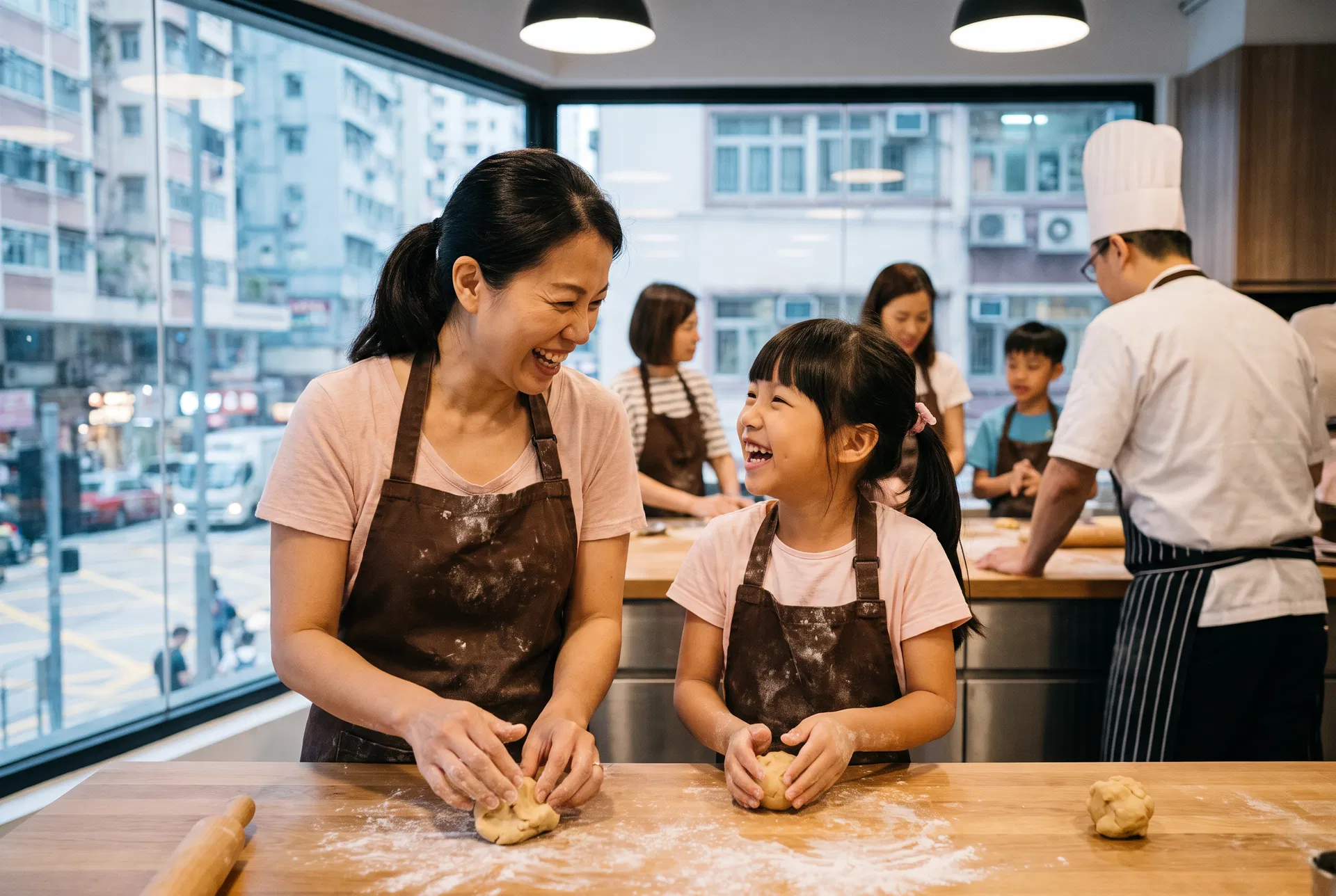
When a company or community partner supports a school family day, its role can be framed around resources, volunteering, or shared participation rather than a sales message. Parent-child groups work best when both people can make choices and no one must wait for one scarce tool. Set out which stages require adult accompaniment while preserving meaningful actions that a child can attempt independently.
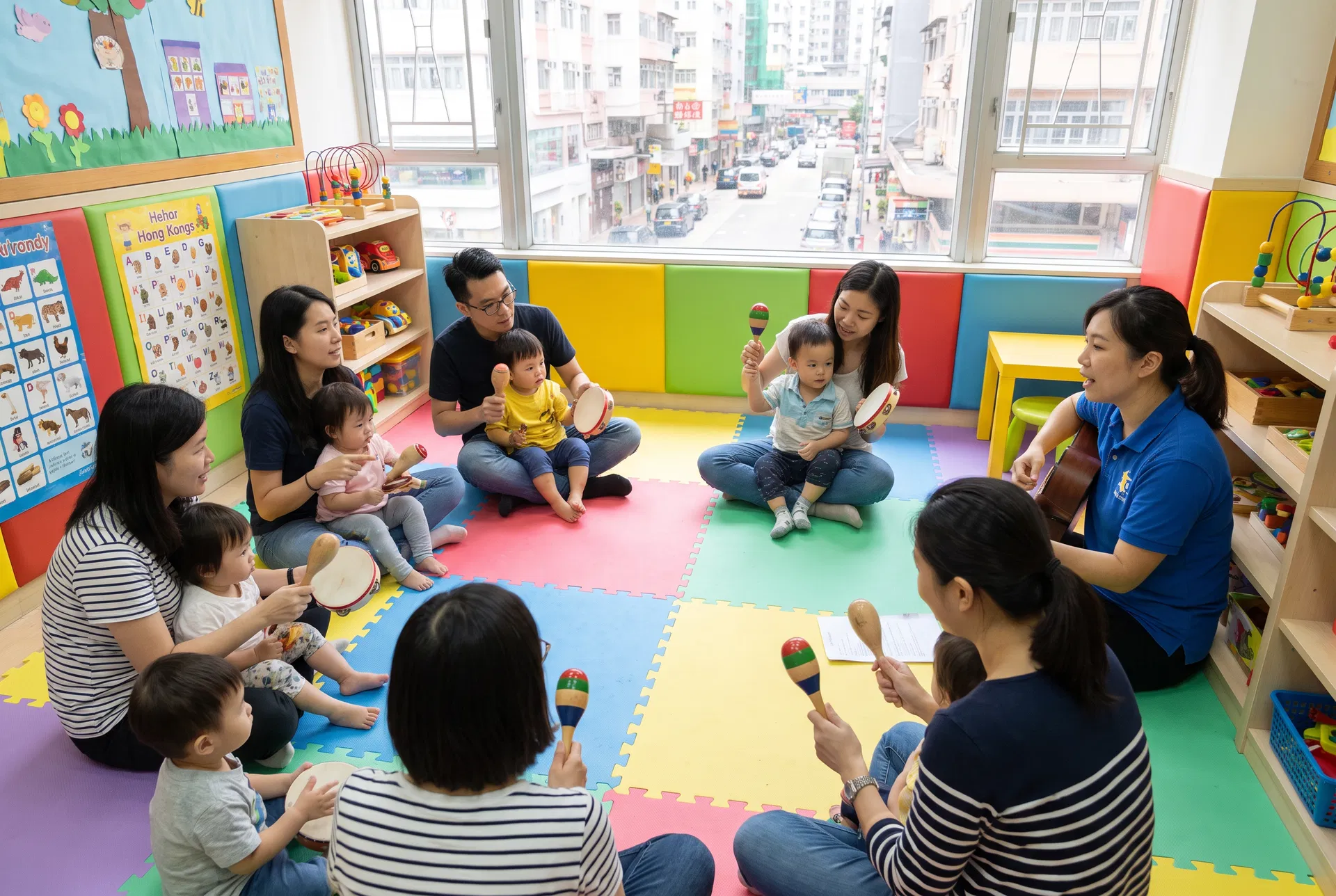
Open family registration may bring wider ages, varied caregiver ratios, and less predictable arrival times. A class group is usually easier to align with prior learning. In either setting, confirm capacity, waiting arrangements, language preferences, and the approach to rain or venue changes. Do not treat unconfirmed dates, headcounts, or inclusions as a fixed service commitment.
Make instructions, outputs, and extensions visible
Confirm teaching language and visual support needs
Cantonese, Putonghua, and English instructions can require different pacing, while bilingual settings may benefit from visuals, key-word cards, or staged demonstrations. Explain the pupils' principal language, whether bilingual materials are needed, and whether teachers can help restate directions. The provider can then confirm what language support may be possible instead of assuming every pupil follows the same verbal explanation.
Separate a finished item from learning evidence and progression
A visible outcome might be an individual piece, a group display, an observation record, a photo board, or a short reflection prompt; it does not need to be an elaborate product. If pupils should take items home, consider size, fragility, drying, labelling, and storage. If process matters more, teachers can prepare a reflection that values decisions and observations rather than visual polish alone.
A first experience may sometimes lead a school to explore a sequence at greater depth, but the theme, number of sessions, facilitator, assessment, and any participation record or certificate must be individually confirmed. A sound approach is to state the longer-term learning aim and available teaching time first, then compare a one-off event with a gradual arrangement before making a commitment.
Use a complete enquiry checklist to obtain a workable plan
Supply the details that shape a decision
An initial enquiry can include preferred and alternative dates, venue, year level, numbers, learning aim, budget range, teaching language, venue photographs or layout, and school restrictions. Specific information supports grouping, material choices, and reset time. State whether the school needs one class, a year event, or a parent-child component.
Record every unresolved point in the reply
Ask what a quotation covers, who prepares materials and tools, what group size may suit the proposed format, what school staff support is needed, and who is responsible for setup and cleanup. Also ask about the handling of completed items and any approach to weather, rescheduling, cancellation, payment, or refunds. Fees, dates, and all commercial terms should be verified in the formal response, not inferred from general information.
When a proposal arrives, compare it against learning relevance, pupil fit, safety feasibility, total duration, school workload, and budget rather than price alone. If needed, ask whether fewer steps, another material, staggered timing, or a revised group size can be explored. The school can then use its own approval process to decide on a confirmed arrangement.
Teachers who want students to revise models using test data can enquire about the materials, grouping and record keeping in STEM school programme Hong Kong.
Before a parent-child session, ask whether achildren’s art class Hong Kongcan accommodate the preferred date, supervision approach, and materials plan.
For a cross-year activity with a clear learning focus, a study tour Hong Kong can be scoped around the schedule, adult support and venue conditions.