
Quick answer
For an art workshop, plan the tea break around the session rather than choosing a menu first. Estimate attendance, confirm the length and layout of the event, ask guests about dietary requirements, and check delivery, setup and collection arrangements with the caterer. For a two-to-three-hour session, a short mid-session break may work well, but the best timing depends on the activity and the group. Confirm all menu and service details directly with the provider.
Plan afternoon tea catering around the workshop
Start with the session format
Before looking at menus, write down the basic shape of the event: its start and finish times, the number of participants, the venue and whether guests will be working at tables. A painting session, for example, may need participants to put down materials and move away from their work before eating. A break that is convenient for catering but interrupts a key stage of the activity may feel poorly timed.
Match afternoon tea catering to the creative activity
For a two-to-three-hour workshop, the source guide suggests considering a 15-to-20-minute break around the middle. Treat this as a starting point, not a fixed rule. A shorter session may not need a formal pause, while a half-day event might benefit from separate refreshment and meal breaks. Ask the facilitator how long participants need to stop and resume comfortably.
Include the break in the event plan, rather than fitting it in after the rest of the schedule is settled. Allow time for guests to wash or wipe their hands, serve themselves and return to their places. If an activity has a natural pause between stages, coordinating refreshments with that transition can help the group settle back in.
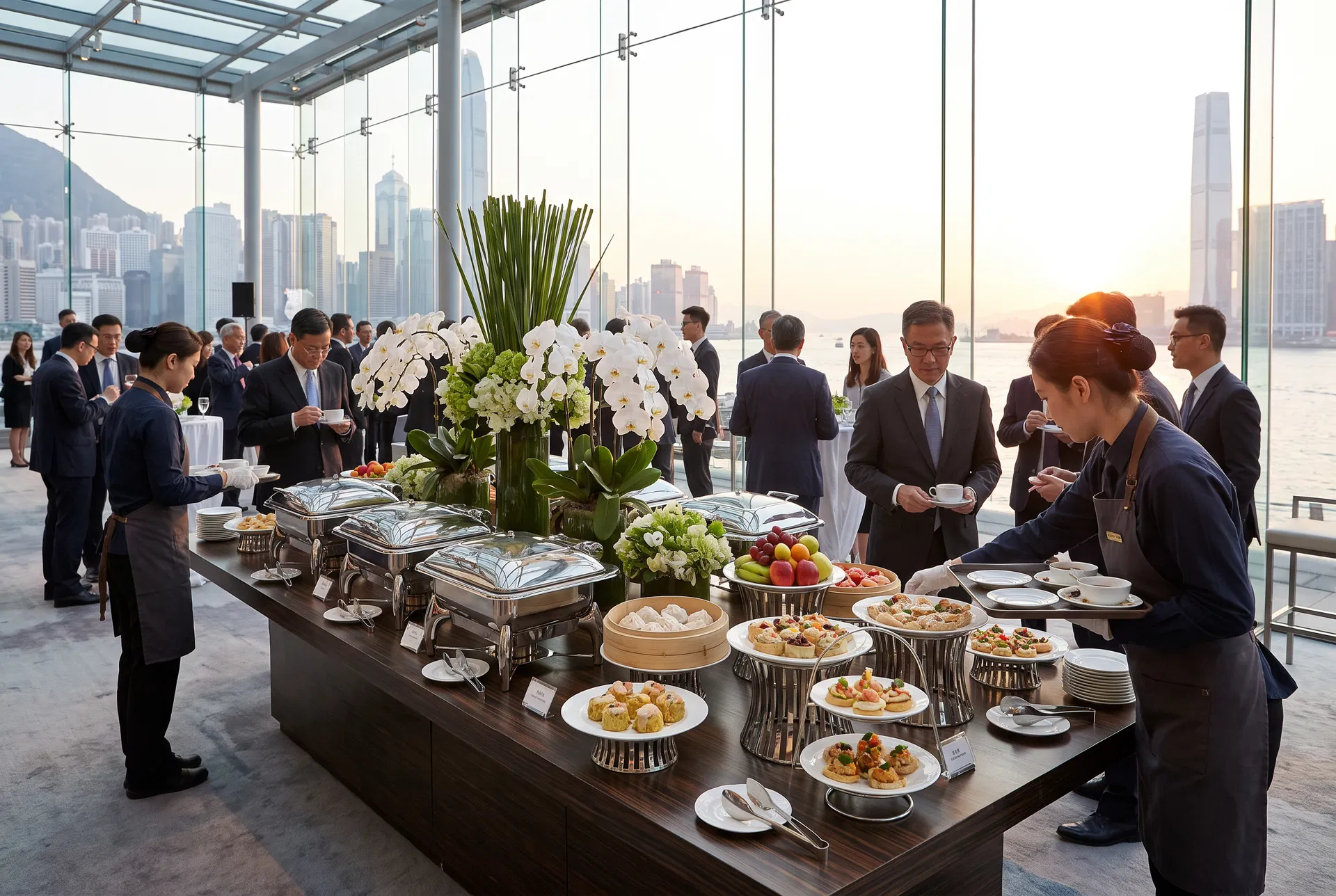
Choose a menu and format to suit the group
Consider easy-to-serve options
The right menu depends on the length of the event, the time of day and what participants will be doing. A light selection may suit a short afternoon session, whereas a longer programme could call for more substantial food. Consider whether guests can eat while standing or need to sit down, and whether the venue has enough room for a serving table without narrowing walkways or work areas.
Use dessert catering thoughtfully
Dessert catering can be one option for a short tea break, but it is worth checking whether guests will also expect savoury food or drinks. Think about the group rather than assuming one style suits everyone: age range, event length and the nature of the activity may all affect what feels appropriate. Ask the provider for a menu and serving details before making a decision.
A Japanese-inspired menu may appeal for a particular event theme, but the label alone does not tell you what dishes are included or whether they suit your guests. Request a clear menu, serving format and ingredient information. If you are comparing options, assess them against the same needs—portion style, delivery window, dietary requests and space required—rather than relying on broad descriptions.
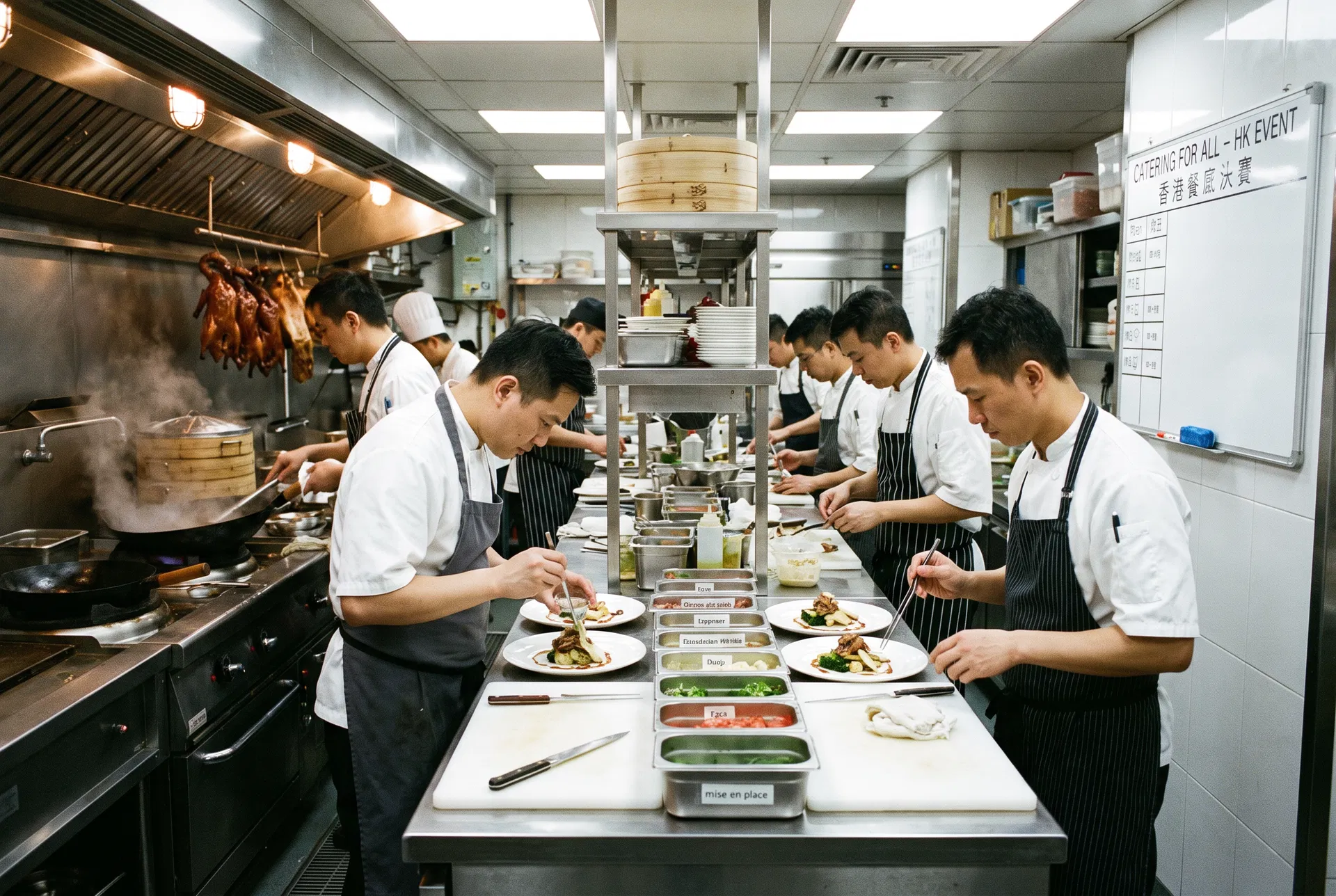
Estimate quantities and confirm guest numbers
Build in a clear RSVP deadline
Use registrations or RSVPs to create an initial estimate, then set a date for confirming the final attendance. The number of guests affects more than the amount of food: it may change the table space, serving time and collection arrangements you need. If attendance could vary, ask the caterer how late changes can be handled and whether there are minimum order requirements.
Ask how the provider calculates portions
There is no universal package size for an art workshop. A small group taking a brief break has different needs from a full-day event with guests arriving at different times. Tell the provider how long the event runs and whether refreshments are the only food being served. Ask how portions are calculated and what assumptions are built into the quote.
Avoid relying on a generic price-per-person estimate as a final budget. Menus, service levels, delivery conditions and minimum orders can all affect the total, and the source information does not establish current prices. Request an itemised quote from each provider you are considering, and check whether delivery, setup, serving equipment or collection is included or charged separately.
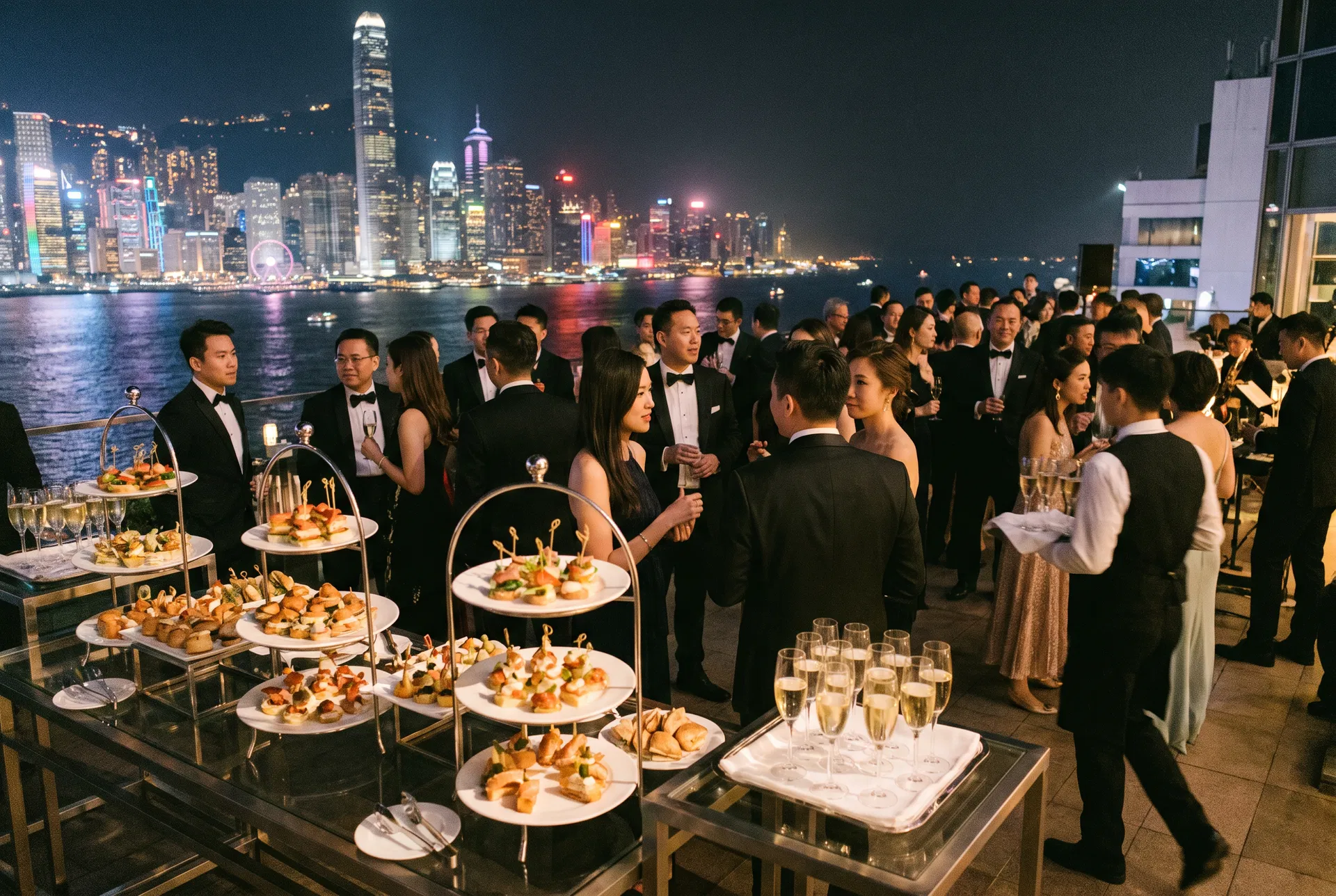
Check dietary needs and menu information in advance
Collect requests before confirming the order
Give participants a straightforward way to report dietary requirements when they register, and set a deadline for replies. Needs may include vegetarian choices, religious dietary requirements, allergies or other restrictions. Share the information with the caterer early, without assuming that every request can be met. Ask the provider to confirm what alternatives, if any, are available for the menu being considered.
Ask specific questions about ingredients
Ask for ingredient and allergen information in a format you can pass on to guests. Do not treat a general description such as “vegetarian” or “gluten-free” as confirmation that a dish meets an individual’s needs. Where a participant has a serious concern, they should be able to review the provider’s information and decide what is suitable for them.
Confirm the final menu and any agreed substitutions in writing before the event. Check that the items arriving match the information provided and that any special portions can be identified clearly. These are practical checks, not a guarantee about food handling or suitability; ask the caterer directly about its processes and what it can confirm.
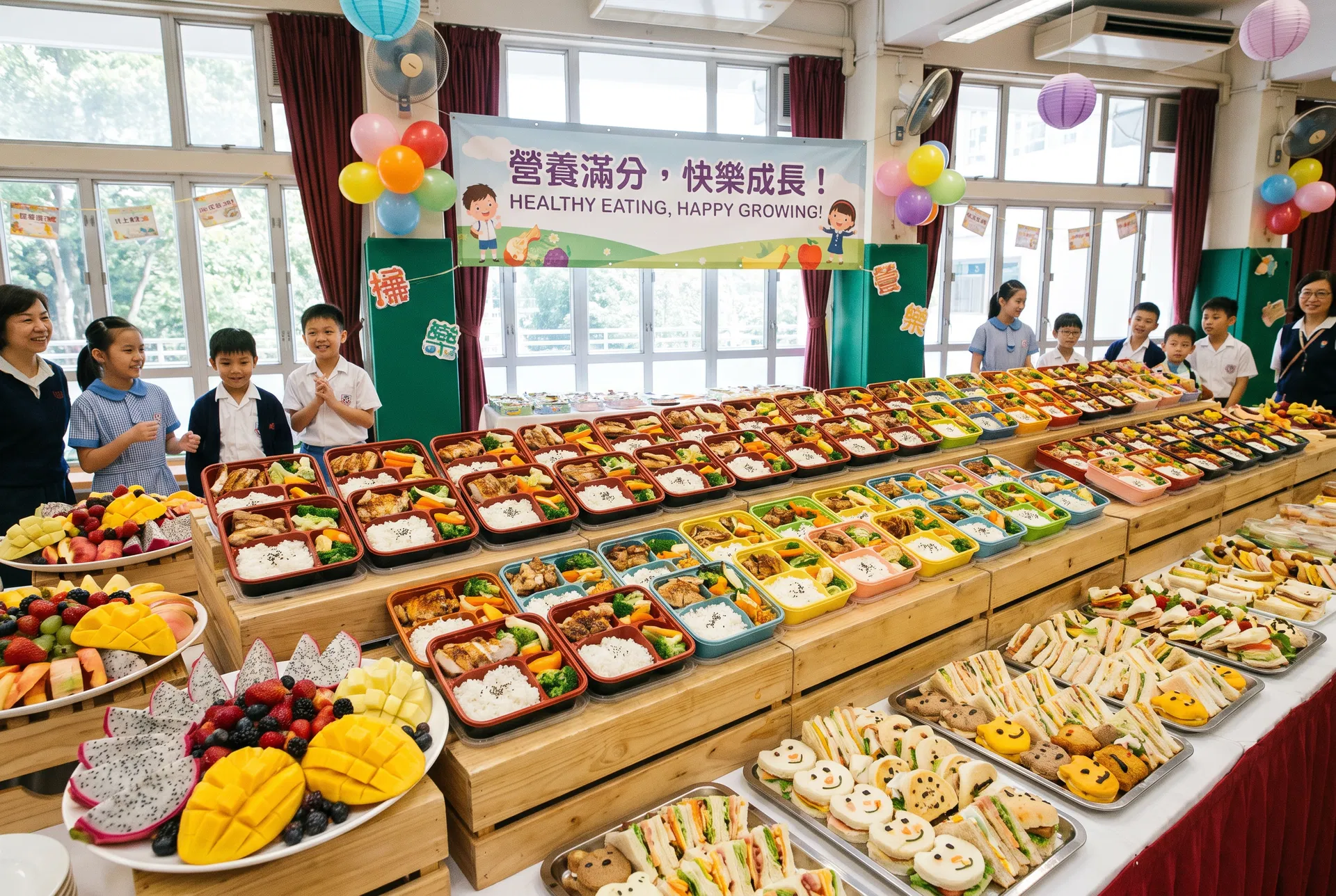
Coordinate delivery, setup and the workshop space
Check access and serving space
Before booking, establish what the venue can accommodate. Check the delivery entrance, access times, serving-table space, seating and any restrictions on food. In an art room, also consider where refreshments can be placed without coming into contact with participants’ work or materials. The organiser should confirm these details with the venue rather than assume a standard room layout will work.
Agree responsibilities with the venue
Agree a delivery window that leaves time to arrange the break without disrupting the session. Ask who will receive the order, where it will be placed, whether setup is included and who is responsible for clearing the area afterwards. If the venue has its own requirements, pass them to the caterer and request confirmation that the proposed arrangements are feasible.
For a half-day event, the source guide mentions the possibility of a morning refreshment break and a separate lunch. Whether that makes sense depends on the schedule, the group and the venue. Make a simple timeline showing when food arrives, when the break begins and how long is available for clearing and returning to the activity.
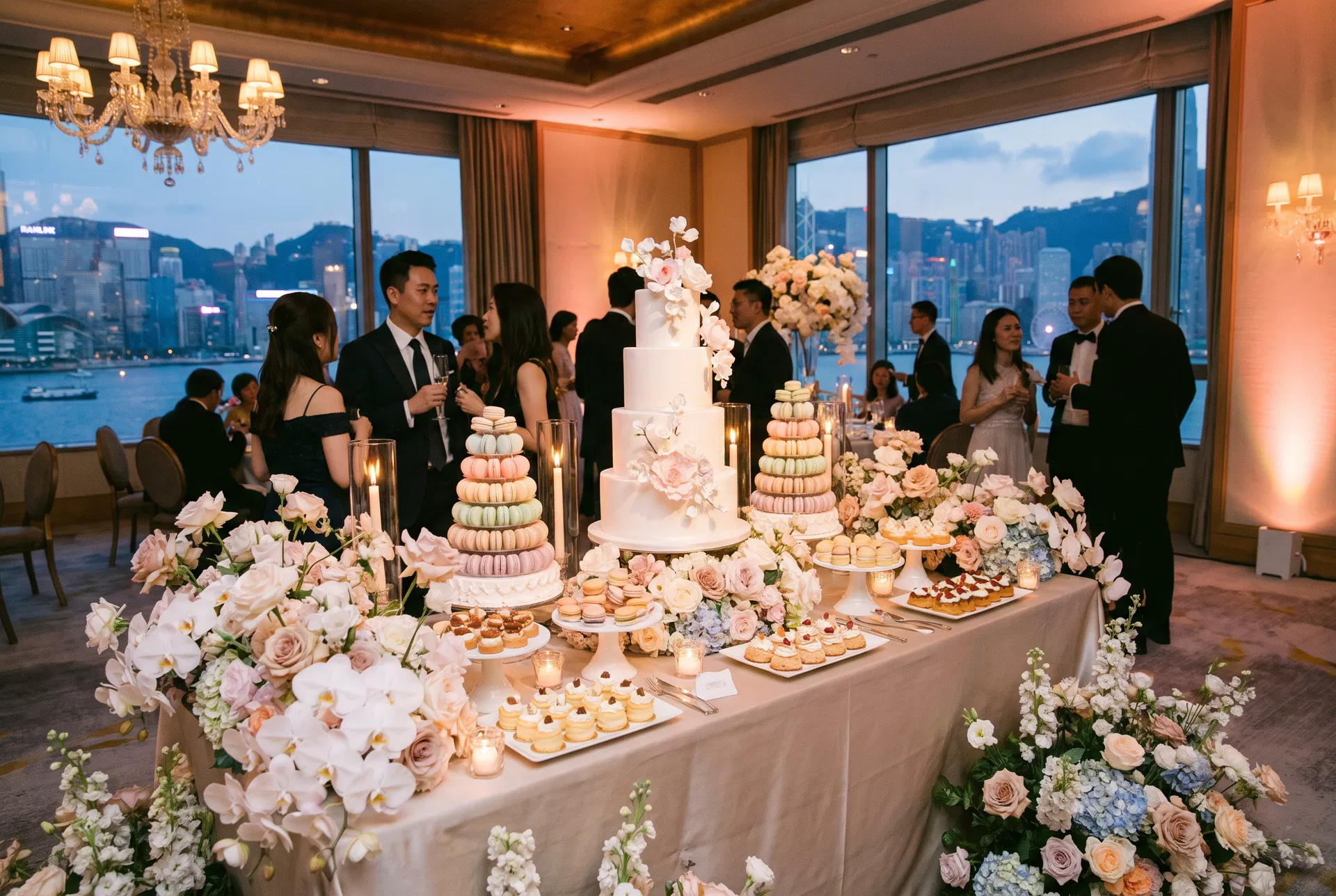
Questions to ask before booking a caterer
Confirm the service details
Ask whether the provider can serve your location and proposed time, what the minimum order is, and how it handles changes to guest numbers. Check which parts of the service are included: delivery, setup, serving items and collection may not all be covered. Request a written summary so you can compare the offer with your event plan.
Compare quotes on the same basis
Ask how the menu is presented, what ingredient and allergen information is available, and how dietary requests are confirmed. If you are considering a particular cuisine or theme, ask for the actual dishes rather than relying on a category name. You can also ask what happens if a requested item becomes unavailable, and whether substitutions require your approval.
Claims about packaging, temperature control, food standards or certifications should be checked with the provider rather than assumed. Ask what relevant information it can supply and whether it can meet the venue’s requirements. A recommendation or attractive menu does not, on its own, establish a provider’s credentials or guarantee how food will be handled.
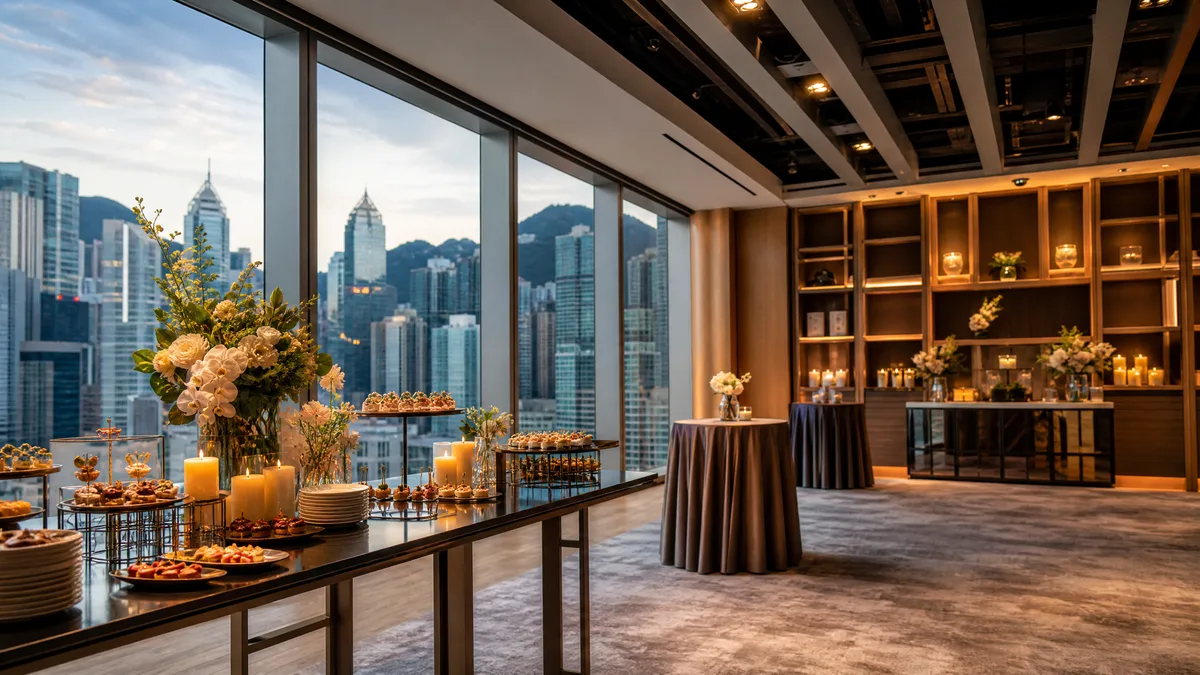
Bring the catering plan together with event planning
Use a simple coordination checklist
A concise checklist can keep the organiser, facilitator, venue and caterer aligned. Record the event date, expected attendance, menu, dietary requests, delivery contact, serving location, break time and who will clear the space. Share the final version with the people responsible for the relevant tasks, and ask them to flag any conflicts before the event.
Review the plan for 2026 events
If the workshop includes painting, pottery or resin activities, food and creative materials may need separate areas. For example, someone planning an art jamming workshop can check whether participants will need a clear space to step away from their work during the break. Those considering a pottery class or resin workshop should likewise ask the facilitator and venue about the activity layout and suitable break point; do not assume one arrangement fits every workshop.
For events being planned for 2026, confirm availability, menus, delivery terms and prices directly with each provider as the date approaches. The source guide’s lead-time suggestions—around five to seven working days for a typical booking, and longer for busy seasonal periods or larger groups—are planning prompts only. Providers’ actual booking policies and availability may differ, so allow time to verify them.

Catering information to check with providers
If this option is relevant to your event, review afternoon tea catering and confirm the menu, delivery arrangements, dietary information and booking terms directly with the provider.
If this option is relevant to your event, review dessert catering and confirm the menu, delivery arrangements, dietary information and booking terms directly with the provider.
If this option is relevant to your event, review japanese catering and confirm the menu, delivery arrangements, dietary information and booking terms directly with the provider.
FlintHub and the linked partner website have common ownership. This link is not an independent endorsement, tested recommendation or confirmation of availability.
Choosing Macarons for the Workshop Break
If you are arranging macarons separately for an art workshop’s tea break, compare Macaron Prices by asking for both per-piece quotes and box totals, including the quantity in each box and any delivery charges. Does the proposed order match confirmed attendance without leaving surplus that needs storage? Request ingredients and allergen information for the selected shells and fillings, plus product-specific storage instructions from collection until serving. If the venue cannot meet those requirements, reconsider the selection or timing. Plan a separate refreshment table away from paints, brushes and other art materials rather than serving beside unfinished work.
Prepared by FlintHub Academy with AI assistance from public information for event catering, gifting, baking and floristry planning and enquiries, not first-hand service testing or real client cases. YumYum and FlintHub Academy have the same owner; links are relevant service resources, not independent third-party endorsements. AI-generated concept illustrations do not depict actual YumYum products, services, venues, instructors or clients. No professional author credentials or guarantees of safety, price, availability or outcomes are claimed. Confirm allergies, materials and storage requirements, scope, fees and availability with the actual provider.
Questions about afternoon tea catering
How far in advance should I book catering for an event?
The source guide suggests allowing around five to seven working days for a typical booking, and two to three weeks or more during busy periods such as Christmas and New Year. These are not guaranteed lead times. Larger events may need earlier coordination, so check the caterer’s current availability, order deadline and change policy before confirming your date.
How do I choose a catering package for the number of guests?
First confirm the expected attendance, event length, age range and whether other food will be served. Then ask the provider how portions are calculated, whether it has a minimum order and how late you can change the quantity. A dessert selection may suit some short breaks, but the best format depends on the group and schedule.
How can I check food handling and hygiene arrangements?
Ask the provider directly what information it can supply about packaging, transport, food handling and any relevant credentials. Do not assume a particular container or a general claim proves that food will arrive at a specific temperature or meets every requirement. Confirm any venue requirements with both the venue and caterer.
When is the best time to schedule a tea break during a workshop?
For a two-to-three-hour session, a 15-to-20-minute break around the middle is one possible starting point from the source guide. Adjust it to the activity, group and venue. For a half-day event, separate refreshment and meal breaks may work better; coordinate timing with the facilitator and allow time for guests to return to the activity.
How should I handle vegetarian or other dietary requirements?
Collect requests before confirming the menu and send them to the provider with enough time to respond. Ask for ingredient and allergen information and confirm any alternatives in writing. Do not assume that every provider can accommodate every requirement; share the available information with guests so they can assess whether the options suit them.
How are catering costs usually calculated?
Costs may depend on the menu, guest numbers, service level, delivery and any minimum order. The source guide gives price examples, but they should not be treated as current or reliable quotes. Ask providers for an itemised quotation based on your date, location, attendance and requirements, and check what is included before comparing offers.
Prepared with AI assistance and local editorial adaptation. This is planning guidance, not a record of a delivered event. Confirm current arrangements directly; images are references and do not verify a particular class or event.
Before requesting a proposal for team building Hong Kong, list the venue limitations around space, access routes, materials and cleaning.
Before setting a family activity theme, ask how an art workshop Hong Kong would fit the group’s ages, room conditions, and cleaning needs.
When a company needs shared practice rather than only a social break, corporate training Hong Kong should begin with a real work situation and a clear participation goal.