
Quick answer
A resin session can focus on small decorative pieces, plaster painting on decorating a cast figure, and an eco-friendly craft workshop on reusing materials. The best fit depends on the finished project you want, the time available and any age or venue requirements. Ask the provider what is included, whether a piece needs extra time to set, and how the activity is adapted for your group. Do not assume prices, materials or collection arrangements without checking.
Compare niche creative workshops: resin, plaster and upcycling
What a resin art workshop can involve
These activities share a hands-on format, but the materials and outcomes differ. A resin session may centre on arranging decorative elements in a small object, while plaster painting is about adding colour and detail to a pre-made figure. Upcycling takes a different route: it gives an existing or reclaimed material a new purpose. The exact project depends on the workshop, so look for a description of the item participants will make rather than relying on the activity name alone.
Plaster painting as a decorative activity
A resin art workshop may appeal if you want to explore arrangements of colour, dried flowers or other decorative inclusions. Examples often associated with resin crafts include keyrings, jewellery, coasters and small ornaments; a particular provider may not offer every format. Ask which project is available, what materials are supplied and whether the finished object will be ready to take home. Resin may need time to set, so the making time and collection time may not be the same.
Making something from reused materials
Plaster figures offer a clear surface for painting and personalising, which can make the activity accessible to people who want to focus on colour rather than constructing an object from scratch. An eco-friendly craft workshop, meanwhile, might use items such as fabric offcuts, old clothing or reclaimed paper, but materials vary and the label does not explain the source or condition of each item. Ask what you will work with and what you are expected to bring.
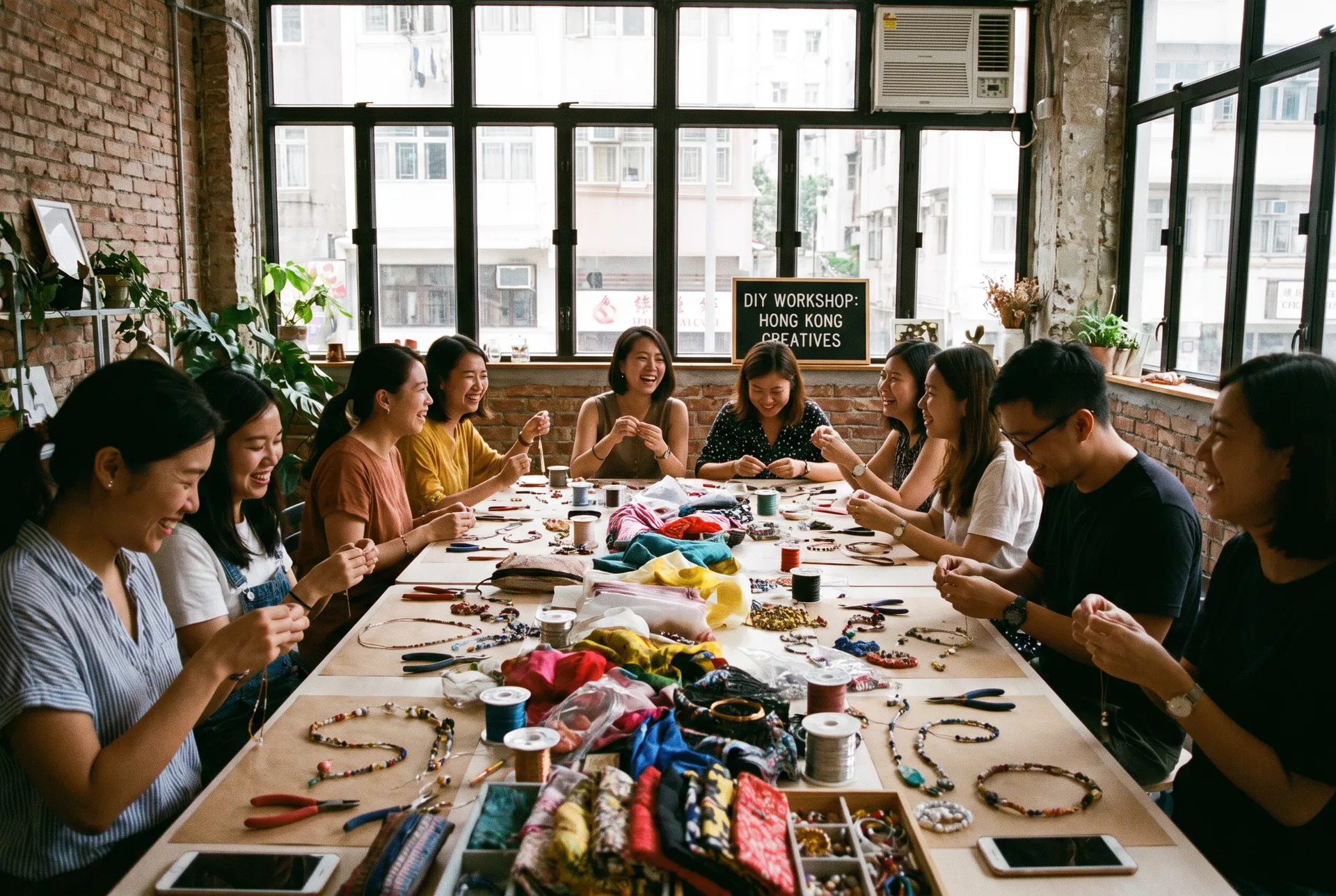
Choose a workshop by the experience you want
Choosing niche creative workshops for a personal project or first try
For an individual, start with the process that sounds enjoyable rather than assuming a workshop needs to lead to a course or advanced skill. Do you want to arrange small decorative elements, paint a ready-made shape or transform a reusable material? A beginner may prefer a clearly described project with a stated level of guidance. If you have made similar items before, ask whether there is room to choose colours or develop your own design.
For families and mixed-age groups
Families may find a shared making activity appealing, but age suitability should be confirmed directly. Plaster figure painting is one option to consider for a family outing; do not assume that every session or material is suitable for young children. Ask the organiser about the intended age range, supervision expectations, session length and whether adults and children each make an item or share one.
For schools, teams and community groups
For a school, workplace or other group, first clarify the purpose and practical constraints: participant numbers, ages, available time, location and the kind of finished project wanted. A creative session can provide a shared activity, but no particular outcome, team-building benefit or learning result should be assumed. Ask whether the provider can accommodate the group and venue, what set-up is required and whether the activity is offered on-site. Confirm any proposed arrangement in writing.
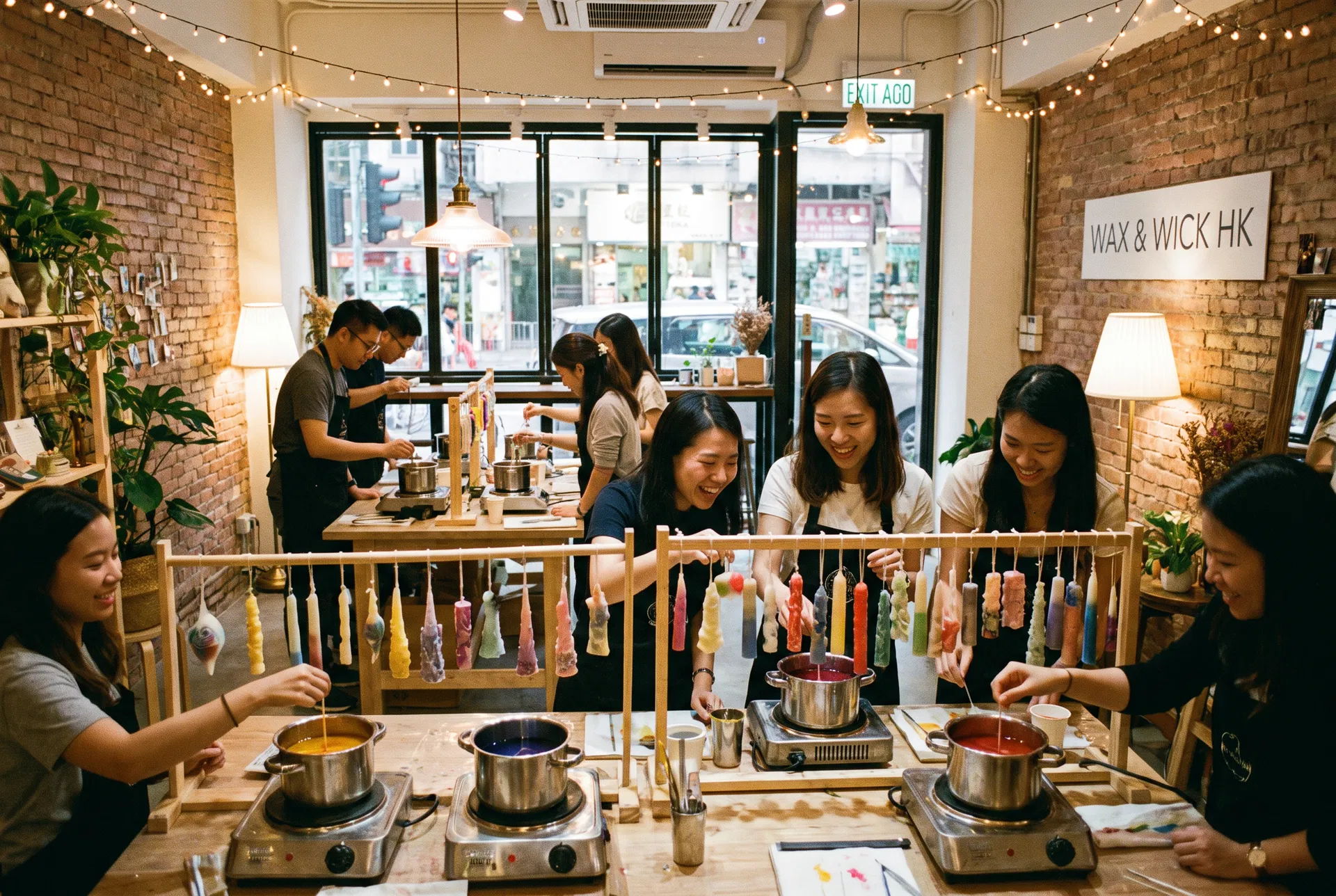
Materials, finished pieces and what to confirm
Ask what the project includes
Workshop titles can cover different projects, so ask for a specific materials and project description before booking. For resin crafts, check which object participants will make and whether decorative additions such as dried flowers, metallic accents or colour pigments are available. For plaster painting, confirm whether a figure is provided and what paints or tools are included. These are questions to ask, not a promise that every session supplies those options.
Check setting, drying and collection
A completed piece may need time to dry or set after the hands-on part ends. Resin curing time depends on the materials and method used, so check when the finished piece will be ready rather than relying on a general estimate. Ask the organiser how long the session lasts, whether the item can be taken away that day and, if not, whether collection or delivery is available and at what cost.
Understand the reuse behind eco-crafts
For an eco-friendly craft workshop, ask what is being reused and how participants will use it. Possible materials include reclaimed fabric, old clothes, discarded wood and recycled paper, but availability and suitability depend on the particular project. If environmental impact matters to you, ask whether materials are reused, recycled or newly supplied, and whether the finished item is designed for practical use or display. Avoid assuming that every activity described as eco-friendly uses only reclaimed materials.
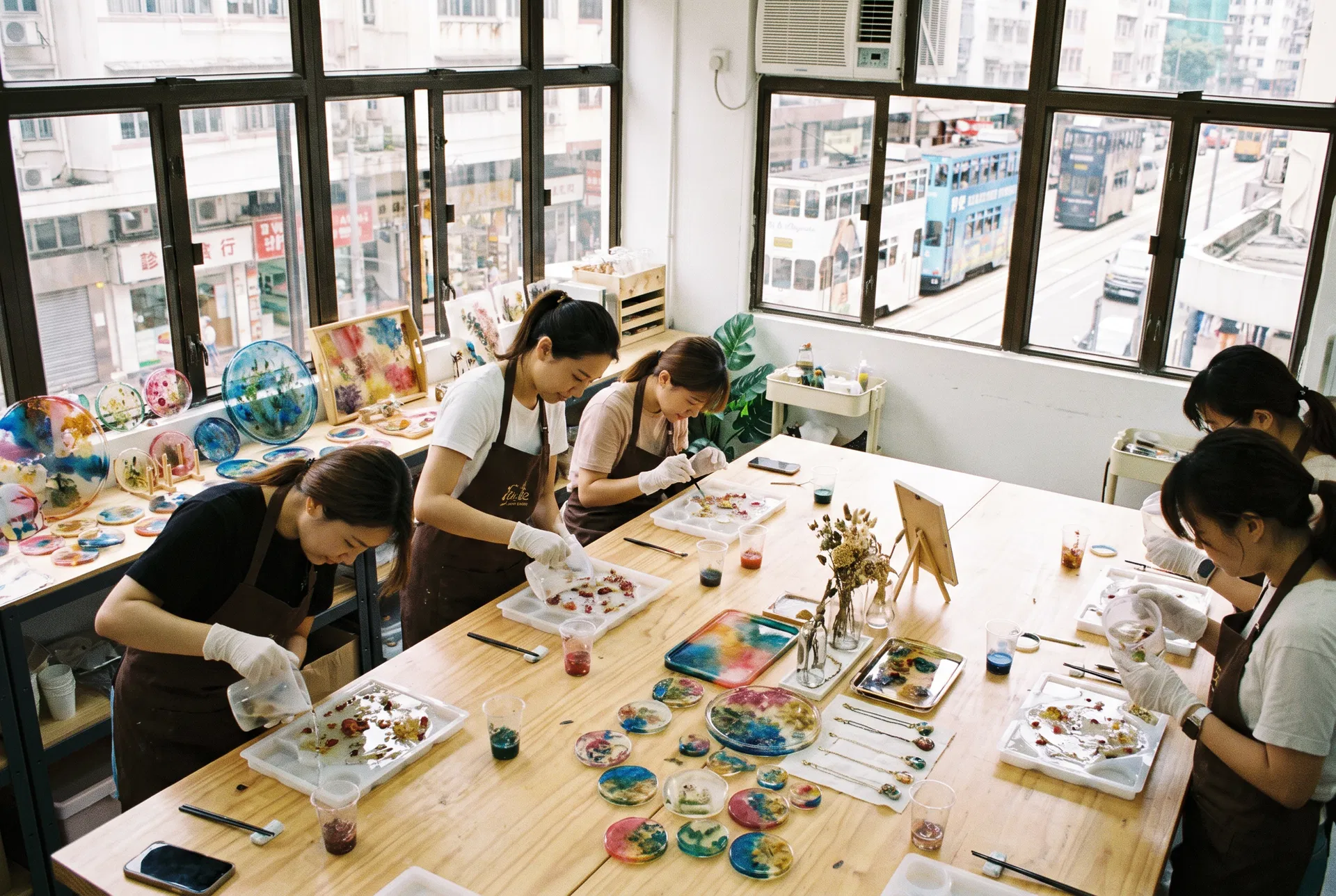
Plan a family, school or group session around practical needs
Match the format to the available time
Session lengths and formats vary by project and provider, so check whether the available session fits your plans. Resin work may also involve a wait after the making stage, while painting and upcycling projects have their own pace. Ask for the full schedule, including arrival, introduction, making, tidy-up and any time needed for the piece to set. This helps you decide whether the activity fits a school period, family outing or workplace event.
Check the venue and group arrangements
For a group booking, establish where the session can take place and what the space needs to provide. Do not assume a provider can travel to a school, office or outdoor venue, or that every activity is suitable for every setting. Ask about the minimum or maximum group size, table space, access to water if relevant, and arrangements for transporting materials and finished work. The provider should confirm which requirements apply to the selected project.
Agree the activity before confirming
Before confirming, request a written outline of the project, included materials, timing, participant requirements and total cost. If you are choosing between a resin activity, a plaster painting workshop and an upcycling project, compare what participants will actually do rather than comparing labels alone. For a school or company, also clarify who will coordinate on the day and what happens if the group size or venue changes. Policies for changes and cancellations should be checked with the provider.

Compare prices and booking details without guesswork
Why prices vary
Do not rely on general price ranges as quotes for a particular workshop. Fees can depend on the project, materials, group size, location and whether delivery or collection is involved. Ask for a current price per participant or per group, and check whether there are additional charges for travel, a larger project or take-home materials.
Questions to ask before paying
Before paying, confirm the date, start and finish times, venue, project, what the fee includes and how many places are reserved. Ask whether participants need to bring anything and whether the activity has age or other participation requirements. For resin, specifically check whether the finished piece will be ready that day. For group enquiries, request a clear written quotation rather than assuming that a standard individual rate applies.
Confirm changes and cancellation terms
Do not assume that a provider offers a particular payment method, free consultation, refund or flexible rescheduling. Ask which payment options are currently available and request the cancellation, postponement and refund terms before booking. If a session depends on a venue or group headcount, clarify the deadline for confirming those details. This makes it easier to compare offers on the same basis and reduces the chance of misunderstandings.
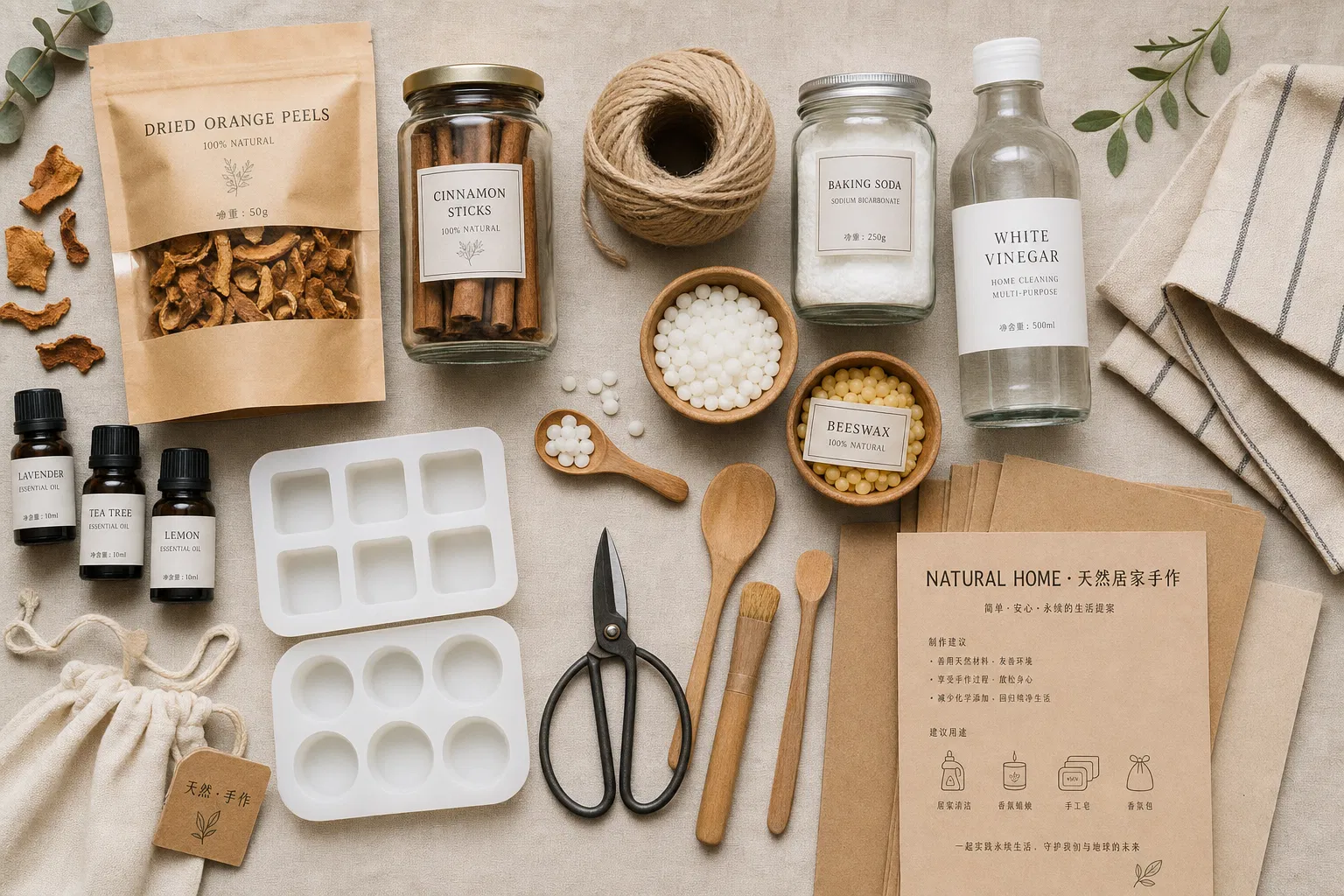
How to assess a workshop description and provider
Look for a specific project outline
A useful listing explains the activity in concrete terms: what participants will make, which materials are supplied, how long the session takes and what happens to the work afterwards. If the description only promises a creative experience, ask for more detail before deciding. You do not need to assume a provider offers a fixed curriculum, multiple levels or a particular type of instructor unless those details are clearly confirmed.
Check what guidance is included
Ask how the session is guided and whether the format suits complete beginners. For children or mixed-age groups, check how instructions and support are organised, and whether adults are expected to take part. For an experienced maker, ask whether there is any choice in design or materials. These questions help you judge whether the activity fits your expectations without relying on unsupported claims about qualifications, personal attention or outcomes.
Ask questions that affect your group
If you are arranging an event, ask whether the provider can work with your proposed venue, date and number of participants. Confirm any equipment, set-up or clean-up responsibilities rather than assuming they are included. If you are considering FlintHub Academy, check its current workshop projects, schedules and booking terms directly before making plans.

Plan ahead for your chosen occasion
Allow time to compare available sessions
If you are planning an activity for a particular date, allow time to compare options rather than assuming a workshop date or programme is available. Start by deciding whether you want resin, plaster painting or a project based on reused materials. Then compare current listings and ask providers about availability, group size, lead time and any seasonal constraints. Availability can change, so a general guide cannot substitute for a confirmed booking.
Choose a project that suits the occasion
For a gift or special occasion, consider who will take part and what they are likely to enjoy making. A small resin keepsake may suit someone interested in decorative objects, while a plaster figure may appeal to a participant who enjoys painting. An upcycling project may be a better match for someone curious about reusing materials. These are ways to think about the activity, not guarantees that a specific project or design will be offered.
Keep arrangements flexible until confirmed
Before you settle on a date, keep a record of the agreed project, fee, venue, schedule and terms. Ask the provider to confirm any special requirements, including age guidance, collection of finished pieces and changes to group numbers. With those details in hand, niche creative workshops are easier to compare and plan, whether you are booking for yourself, your family or a larger group.
Questions about niche creative workshops
What can you make at a resin art workshop?
Possible projects include small ornaments, keyrings, coasters or jewellery, and some sessions may offer decorative inclusions such as dried flowers, metallic accents or pigments. The project and materials vary, so ask the organiser what is available and included before booking.
Is plaster figure painting suitable for children?
It may be suitable for a family activity, but age limits, supervision and materials vary by provider. Do not assume every session is suitable for young children. Check the organiser's age guidance, whether the paints and tools are appropriate for your child, and what adults need to do.
What materials are used in an eco-friendly craft workshop?
Possible materials include reclaimed fabric, old clothing, discarded wood and recycled paper. Not every workshop uses all of these, and the description 'eco-friendly' does not by itself explain where materials come from. Ask what the chosen project uses and whether participants need to bring anything.
How long does a resin workshop take?
The hands-on session and the time needed for a piece to set are separate. Curing time depends on the resin, method and project, so ask the organiser when the finished piece will be ready. Confirm the session length and whether you can take the finished item home that day.
How much do these workshops cost?
Prices vary by project, materials, group size, location and any collection or delivery arrangements. Ask the provider for a current quotation and check what the fee includes before booking.
Which workshop makes the best gift?
It depends on the recipient. A small resin keepsake may suit someone who likes decorative accessories, while plaster painting may appeal to someone who enjoys personalising a figure. Ask what projects are currently offered, how long the finished work takes to set and whether it can be collected in time.
Prepared with AI assistance and local editorial adaptation. This is planning guidance, not a record of a delivered event. Confirm current arrangements directly; images are references and do not verify a particular class or event.
A family event balancing child participation and adult collaboration can first ask whether Art Jamming Hong Kong fits the expected group size and cleaning requirements.
For a session that uses poured colour and movement as prompts for observation, consider a fluid art workshop Hong Kong within a wider creative plan.
For a family creative afternoon, explore pottery class Hong Kong options with age, adult support, cleaning needs and the collection process in mind.