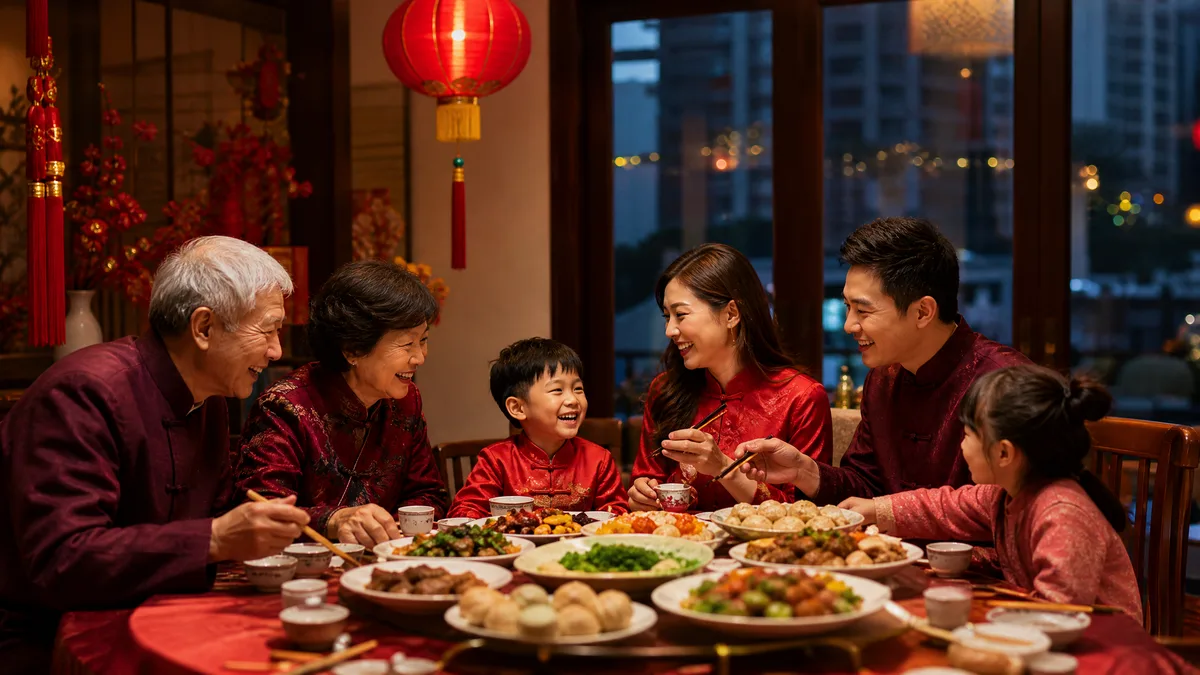
Quick answer
Start by confirming the date, venue, approximate guest count, event length and dietary needs. Then compare menu formats, including whether poon choi suits the group, and ask providers about delivery arrangements, minimum orders, serving equipment and final booking deadlines. Confirm the menu and timing in writing, and build in a buffer between delivery and serving. For busy festive dates in 2026, enquire early, but verify availability and all terms directly with the supplier.
Plan the occasion before choosing Chinese New Year catering
Set the purpose, date and guest profile
Begin with the shape of the gathering rather than a particular menu. A family reunion, office lunch and school celebration may all take place around Lunar New Year, but they differ in formality, timing and the needs of their guests. Decide whether the meal is the main event or one part of a wider programme, and note the likely age range and any guests who may need extra time or assistance.
Match Chinese New Year catering to the event programme
The date and location affect what is feasible. Before requesting quotes, check the venue's access arrangements, delivery point, available serving area and any restrictions on outside food. If the event is in a shared office or school, find out who can receive the order and whether there is a suitable place to arrange and serve it. Do not assume a provider can enter a venue, set up food or collect equipment unless this has been agreed.
Check the venue's practical limits
Next, map the programme against the meal. A short welcome, speeches or a cultural activity can shift serving time, so allow a realistic window for guests to arrive and eat. If you are also organising a calligraphy workshop, a Chinese painting activity or a floral arrangement session, decide whether refreshments will be served before, during or after it. Keep food and activity timings distinct in the running order so neither feels rushed.

Choose a menu format that works for the group
When poon choi catering may suit
Poon choi catering can be a fitting choice for a communal celebration where guests are comfortable sharing dishes. Its format can make the meal feel like a focal point, but it is not automatically the best option for every group. Consider table layout, serving space, the number of guests eating at different times and whether everyone can comfortably reach the food. Ask the supplier how portions are estimated and what serving arrangements are expected.
Compare shared dishes and individual portions
Other Chinese catering formats may be easier to manage when guests need to eat in shifts, have limited seating or prefer individual portions. A buffet can offer choice, while boxed meals may help with staggered schedules; each format has different implications for space, waste and service. Compare like with like by asking for the menu, portion basis, delivery charge, minimum order and any additional items or services that affect the total.
Ask what each menu includes
Do not rely on a menu title alone. Ask which dishes are included, whether rice or other accompaniments are supplied, and whether serving utensils, disposable plates or warming equipment are part of the order. Confirm whether the provider can accommodate specific requests rather than assuming substitutions are available. A clear written menu also gives the organiser a reliable basis for sharing information with guests.

Confirm guest numbers and dietary requirements early
Build a realistic headcount
A useful estimate starts with invitations and attendance expectations, but the final count may change. Separate confirmed guests from possible attendees and note the deadline for updates. Ask the provider when the final number must be supplied and whether changes are possible after that point. Minimum orders and portion sizes vary, so request the supplier's guidance rather than relying on a general rule of thumb.
Collect dietary information discreetly
Give guests a straightforward way to share dietary requirements when they respond. Depending on the group, this may include vegetarian choices, religious requirements, allergies or other foods they avoid. Collect only the information needed to plan the meal, and pass relevant requests to the provider in a clear, organised form. For a workplace or school event, identify one organiser to consolidate replies and reduce conflicting updates.
Check options and cross-contact details
Ask the supplier exactly which alternatives can be provided and how they are prepared and identified. Do not assume that a dish is suitable based on its name, or that every dietary request can be met. Where a guest has an allergy or strict requirement, seek specific information from the provider and communicate the confirmed details to that guest. If the provider cannot confirm suitability, make that limitation clear and discuss another arrangement.

Book delivery with timing and venue logistics in mind
Enquire well ahead for festive dates
Festive periods can be busy for food suppliers, so enquire as soon as the date and approximate numbers are known. The source guidance suggests allowing around five to seven working days for ordinary advance booking and two to three weeks during peak periods, with larger events planned earlier. These are planning estimates, not guarantees of availability or universal deadlines; ask each provider for its current cut-off dates, particularly when organising a 2026 gathering.
Agree a delivery window and contact person
Confirm the delivery address, access instructions, preferred arrival window and a named contact who will be on site. Build in time to receive and arrange the order before guests are due to eat. If speeches or activities may overrun, ask whether the delivery timing can be adjusted and what flexibility, if any, is available. Do not treat a requested time as confirmed until the supplier has agreed it.
Confirm what happens on arrival
Clarify the handover before booking: will the food be delivered to a reception desk, a particular room or another agreed point? Ask whether setup, serving staff, collection or equipment are included, and whether there are separate charges or venue requirements. The organiser should also know whom to contact if the order is delayed or an item is missing. Put the agreed details in writing and share them with the person receiving the delivery.

Coordinate food service with the event schedule
Choose a serving time that gives guests room
For a short gathering, serving food as guests arrive may be more practical than interrupting the programme later. For a formal meal, schedule a clear transition from welcome or speeches to serving, and tell guests when food will be available. Think about queues and the number of serving points, especially if many people have a short lunch break. Ask the provider what service format it recommends for the group and venue, without assuming staff or setup are included.
Plan refreshments for longer programmes
A workshop or training session may benefit from a mid-session break, but the best timing depends on the length and structure of the activity. The source guidance suggests a 15–20-minute break around the middle of a two- to three-hour session; for a half-day programme, it mentions a morning break and lunch. Treat these as starting points, then adapt them to the agenda, guest needs and the time required to serve the food.
Allow for arrival, speeches and clean-up
Build more into the schedule than the stated eating time. Guests may arrive late, speeches may run over, and clearing tables takes time. Ask the venue what needs to be cleared and by when, and agree who is responsible for waste and any reusable items. A simple running order with delivery, welcome, activity, serving and tidy-up times can help the organiser, venue contact and supplier work from the same plan.

Compare quotes, minimum orders and booking terms
Request a comparable written quote
There is no single reliable price for a gathering meal: cost depends on the dishes, portion format, headcount, delivery and level of service. The original source includes indicative per-person ranges, but these should not be treated as current market prices or a quote. Ask providers for a current written estimate based on the same guest count, menu style and delivery location so you can compare the actual offer rather than a headline figure.
Check minimum spend and extra charges
Ask whether there is a minimum order or spend, and whether delivery, setup, serving items, staffing or equipment are charged separately. Check how the final bill changes if the guest count rises or falls, and when the provider needs confirmation. If two menus look different in price, compare portion sizes, included dishes and service details before deciding which is better value.
Clarify amendments and cancellation terms
Read the provider's terms before confirming. Ask what deposit or payment is required, which payment methods are accepted, and the deadline for changes. Confirm the provider's own cancellation, postponement and refund policy rather than assuming flexibility. Keep the quote, final menu, delivery details and agreed terms together, and make sure the person authorised to approve the order has reviewed them.
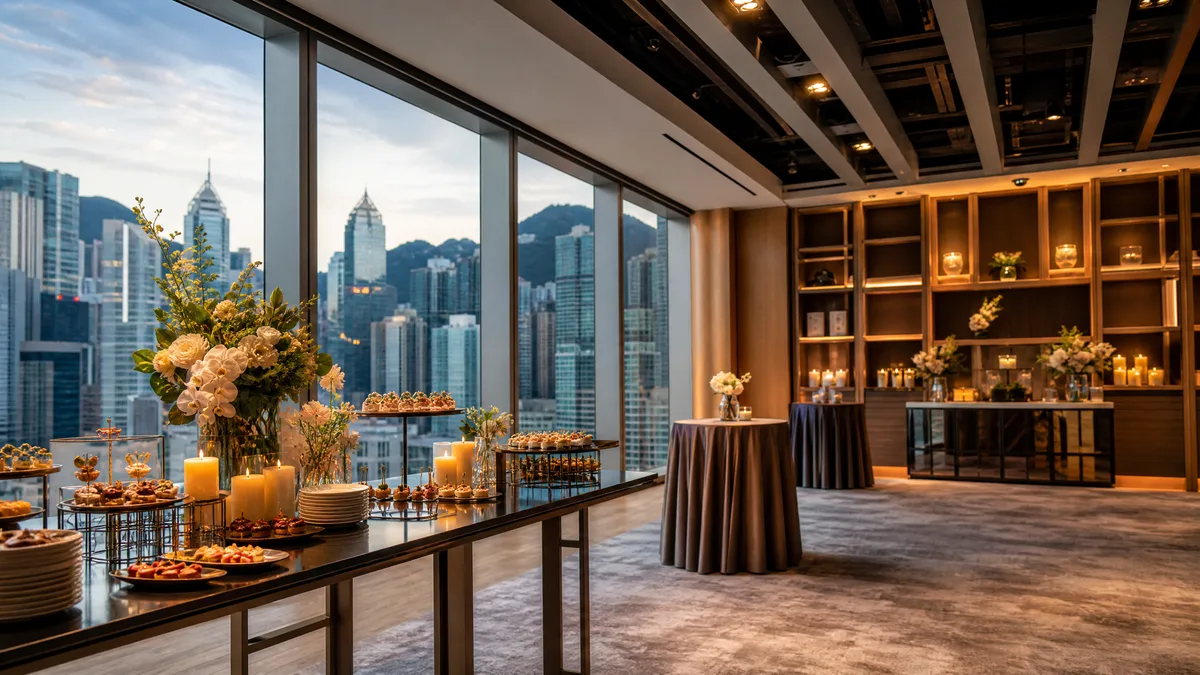
Use a final checklist for a smoother Lunar New Year event
Keep one confirmed version of the plan
A few days before the event, review the confirmed headcount, menu, dietary notes, venue access and delivery window against the provider's latest written details. If anything has changed, contact the supplier and ask for confirmation rather than assuming an earlier message still applies. Keep one current version of the running order and designate a person to handle last-minute communication on the day.
Share essential details with guests and helpers
Give guests practical information without overloading them: when food will be served, whether the meal is shared or individually portioned, and how they can raise a dietary question. Make sure the venue contact and helpers know where the delivery is expected and who will receive it. If the meal is part of a larger programme, share transition times with anyone leading activities or speeches.
Review the event as a whole
After the gathering, note what worked and what you would change next time: whether the quantity was appropriate, whether service fitted the programme and whether venue access caused delays. These observations are useful when planning another event, but they do not guarantee a particular result with a different provider or guest group. For future Lunar New Year dates, including the 2026 planning horizon, begin with the same checks and reconfirm availability and terms directly.

Catering information to check with providers
If this option is relevant to your event, review chinese new year catering and confirm the menu, delivery arrangements, dietary information and booking terms directly with the provider.
If this option is relevant to your event, review poon choi catering and confirm the menu, delivery arrangements, dietary information and booking terms directly with the provider.
If this option is relevant to your event, review chinese catering and confirm the menu, delivery arrangements, dietary information and booking terms directly with the provider.
FlintHub and the linked partner website have common ownership. This link is not an independent endorsement, tested recommendation or confirmation of availability.
Separate Catering From Festive Gifting
If your workplace reuses its Lunar New Year gathering plan for Mid-Autumn, keep Corporate Mooncake Orders separate from the event catering brief. Before committing to gifts, ask: do the intended recipients’ organisations permit acceptance, and who must approve the purchase internally? Record the answers before confirming the recipient list; unresolved restrictions may mean excluding recipients or choosing a non-gift greeting. Keep mooncake quantities and handover arrangements distinct from poon choi portions, venue access and meal timing. If public officials are included, seek specific compliance advice rather than treating internal approval as permission to proceed.
Prepared by FlintHub Academy with AI assistance from public information for event catering, gifting, baking and floristry planning and enquiries, not first-hand service testing or real client cases. YumYum and FlintHub Academy have the same owner; links are relevant service resources, not independent third-party endorsements. AI-generated concept illustrations do not depict actual YumYum products, services, venues, instructors or clients. No professional author credentials or guarantees of safety, price, availability or outcomes are claimed. Confirm allergies, materials and storage requirements, scope, fees and availability with the actual provider.
Questions about Chinese New Year catering
How far in advance should I book catering for an event?
The source guidance suggests enquiring around five to seven working days ahead for a routine booking and two to three weeks ahead during busy festive periods; larger events may need more lead time. These are estimates, not guarantees. Ask the provider for its current availability, order deadline and final headcount date, especially for a Lunar New Year event.
How do I choose a catering package for the number of guests?
Confirm the expected attendance, event length, venue layout and serving format before comparing menus. Poon choi may suit a group sharing a meal, while individual portions or a buffet may work better for staggered schedules or different seating arrangements. Ask the supplier how it calculates portions and whether minimum orders apply.
How can I check food storage and hygiene arrangements?
Ask the provider how the food is packed, transported and handed over, and what serving or storage arrangements it expects at the venue. Do not assume a particular temperature, container or certification applies. Request any relevant information directly from the supplier and check that the venue can support the agreed arrangements.
When is the best time to schedule a refreshment break during a workshop?
For a two- to three-hour workshop, the source suggests considering a 15–20-minute break around the midpoint. A half-day event may need a morning break and a meal break. Adjust the timing to the activity, serving arrangements and participants, and leave enough time for guests to eat without disrupting the programme.
How should I handle vegetarian or other dietary requirements?
Ask guests to share requirements when they RSVP, then give the provider the details early and request confirmation of which options it can supply. Check how alternatives are identified and whether the provider can answer questions about ingredients and preparation. Do not promise that a meal is suitable unless the supplier has confirmed it.
How are catering costs usually calculated?
Quotes may be based on guest numbers, menu selection, portions, delivery and any additional service or equipment. Ask about minimum orders, extra charges, payment deadlines and how changes affect the total. Prices vary, so check current rates directly with providers and obtain a written quote for your event.
Prepared with AI assistance and local editorial adaptation. This is planning guidance, not a record of a delivered event. Confirm current arrangements directly; images are references and do not verify a particular class or event.
Before requesting a proposal for team building Hong Kong, list the venue limitations around space, access routes, materials and cleaning.
Before setting a family activity theme, ask how an art workshop Hong Kong would fit the group’s ages, room conditions, and cleaning needs.
When a company needs shared practice rather than only a social break, corporate training Hong Kong should begin with a real work situation and a clear participation goal.