Quick answer
For a Chinese culture day, choose food that suits the event’s length, audience, venue and dietary requirements. Confirm the headcount, serving time, delivery arrangements and menu details with the caterer before booking. Dim sum can work well as a shared snack or light meal, but check whether portions and service style suit your schedule. Ask the supplier directly about allergen information, food handling, equipment, minimum order and any extra charges; do not assume these are standard.
Make food part of the Chinese culture day
Connect the menu to the event without overcomplicating it
Catering is more than a final item on an event checklist: it affects the pace of the day, the time available for conversation and how comfortable people feel between activities. For a school programme, family gathering or workplace event, a considered menu can support the theme without turning the meal into a lesson. Think about what participants will be doing, how long they will be there and whether the food is intended as a snack, lunch or more substantial meal.
Plan the food around the activities
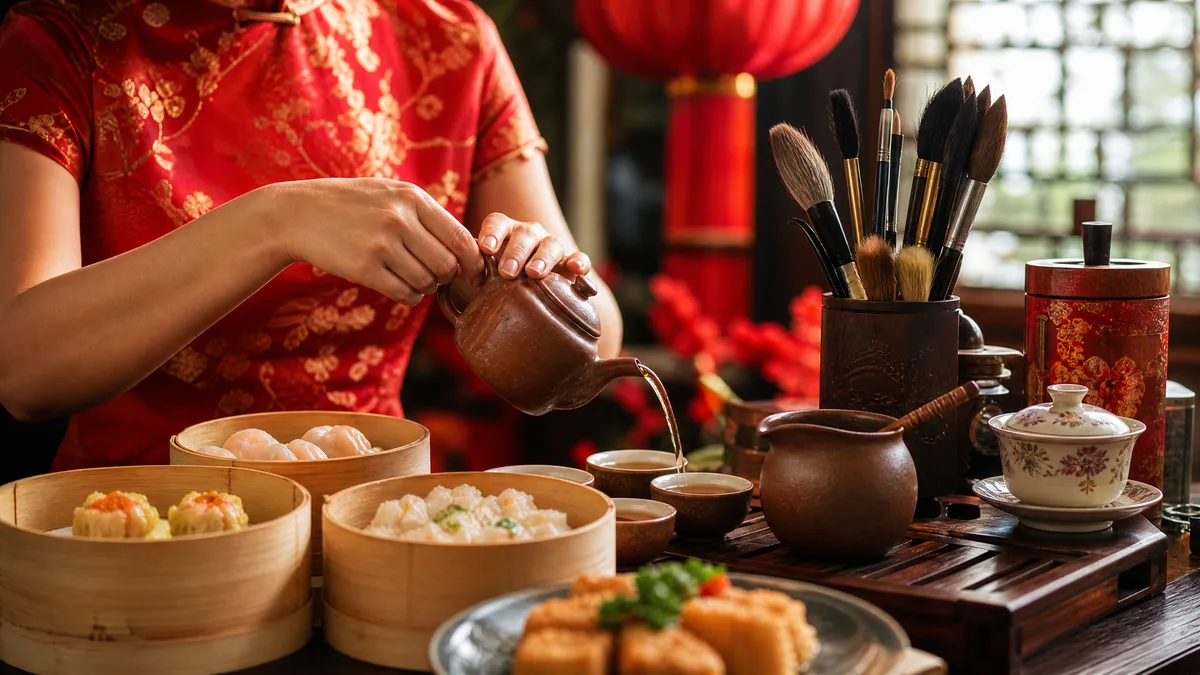
Dim sum can be a natural option for a Chinese-themed gathering because it offers a range of small portions that are easy to share. That does not mean every menu will suit every group. Ask the supplier what dishes are available, how they are served and whether the selection can accommodate the event’s audience. For a Mid-Autumn Festival gathering, you might also ask whether seasonal choices are available, but confirm the actual menu rather than assuming a particular dish will be offered.
Activities such as a calligraphy workshop, tea ceremony or Chinese painting can give the day a practical and creative focus. Food can sit alongside these experiences, but allow enough time for people to take part without rushing to eat or return to the activity. When planning the sequence, consider when food arrives, how it will be served and whether the venue has a suitable space. These are details to agree with the venue and caterer, not arrangements to take for granted.

Choose a dim sum catering menu for your audience and event format
Start with the guest profile and headcount
Before comparing menus, establish who is attending and how many people you expect. A group of pupils, colleagues or family members may have different preferences, and the event format matters too. A short workshop with a brief refreshment break calls for a different arrangement from a half-day programme with a meal. Treat the headcount as an estimate until registrations are closed, and ask the supplier when it needs a final number and whether changes are possible.
Decide what role the meal will play
Decide whether the food is a light bite, a shared meal or the main catering for the day. This will help you describe your needs clearly and compare like with like when requesting a quote. Ask what is included in the proposed package: the dishes, portion quantities, serving items, delivery and any set-up or collection arrangements. If those details are not stated, ask for clarification in writing instead of assuming that the quoted menu covers them.
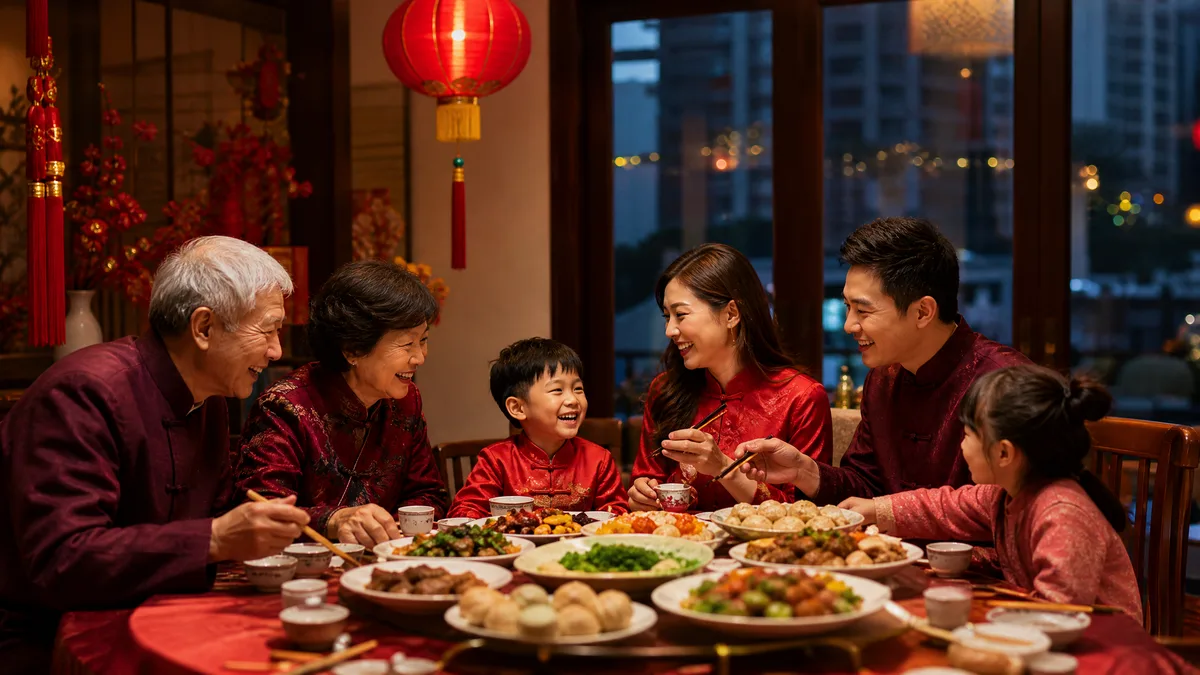
A menu can support a cultural theme without relying on a long explanation of every dish. If useful, provide a short description of the food and the schedule so guests know what to expect. Keep the needs of the group at the centre: familiar options may help a mixed-age audience, while a smaller group may enjoy a more exploratory selection. The right balance depends on the participants and supplier’s available choices, so discuss options before confirming.

Check dietary requirements before confirming Chinese catering
Gather dietary requirements early for Chinese catering
Ask attendees about dietary requirements early enough to discuss them with the caterer. Needs may include vegetarian choices, religious dietary requirements, allergies or other restrictions. Avoid treating these categories as interchangeable: a dish described as vegetarian, for example, does not automatically meet every guest’s requirements. Record requests clearly and ask the supplier which options it can provide, along with any limitations it needs you to understand.
Ask specific questions about ingredients and allergens
When asking about allergens, request accurate ingredient and handling information from the supplier. Do not rely on a dish name or a general assurance as a substitute for details relevant to a particular attendee. If the caterer cannot confirm whether a meal meets a requirement, communicate that uncertainty to the guest and discuss alternatives with them. The organiser should not promise that a menu is suitable unless the information has been checked with the supplier.
Confirm the final requirements, menu and guest numbers by an agreed deadline, then share the relevant information with the people who need it on the day. Ask how separately requested meals will be identified and served, if applicable. These arrangements vary between suppliers, so confirm what they can actually do. A clear written record of the request and the supplier’s response helps reduce misunderstandings, but it is not a substitute for checking individual needs directly.

Schedule food and breaks around the programme
Set a realistic serving window for dim sum catering
Work backwards from the activity schedule to choose a serving time. For a two- to three-hour workshop, a break around the middle may be a useful starting point, but the right duration depends on the group, venue and service format. A half-day event may need a longer meal break or more than one refreshment stop. Discuss the timetable with the venue and caterer, including the time needed for delivery, set-up and clearing, where those services are available.
Build breaks into the activity timetable
For dim sum catering, confirm whether food is intended to be served as it arrives or laid out for guests to help themselves. Ask how long the supplier expects the food to remain suitable for serving and what arrangements it recommends for the specific order. Do not assume that the caterer provides serving equipment, staff or temperature-control facilities. The organiser should check these points with both the supplier and venue before settling on a schedule.
Give participants enough time to eat, speak with one another and return to the activity without creating a bottleneck. If a group will be moving between rooms or taking part in a hands-on session, consider how food and drinks fit into that movement. Make the break time clear in the programme and allow some flexibility for late arrivals or changes to the activity. The aim is a comfortable rhythm, not a timetable so tight that every delay disrupts the day.

Confirm the caterer’s arrangements and the venue details
Ask what the quote includes
Request a written quotation that explains the menu, quantities, delivery charge, service arrangements and any minimum order. Ask whether taxes or other charges apply, and how the price changes if the final headcount differs from the estimate. Costs and terms vary by supplier, so there is no universal per-person price to rely on. Comparing itemised quotations can help you understand what is included rather than judging offers by a headline figure alone.
Check delivery and access with the venue
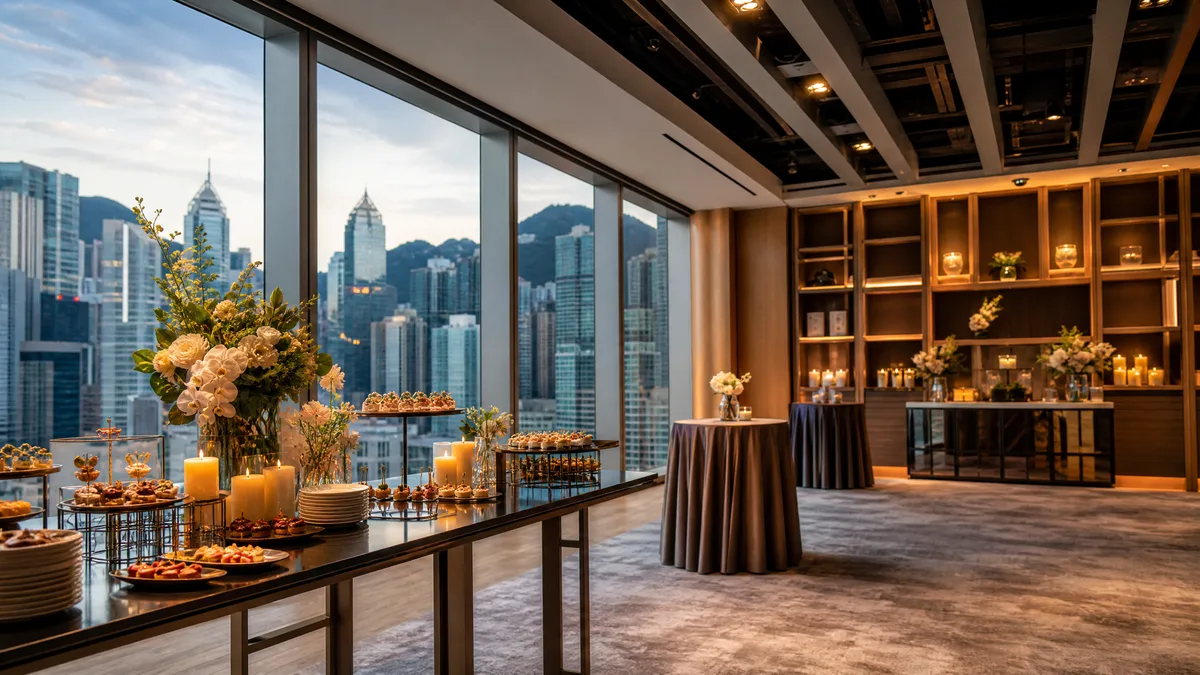
Confirm the delivery address, arrival window, access arrangements and a contact person for the event. Check with the venue whether outside catering is permitted and what facilities are available; do not assume there will be a kitchen, refrigeration, tables or serving equipment. If a venue has restrictions on delivery times or waste disposal, communicate these to the caterer before booking. Responsibility for set-up and clearing should also be agreed rather than left vague.
Ask the supplier directly about food handling, packaging and the information it can provide about its food-safety practices. Do not infer certification, specialist equipment or a particular standard of service unless the provider confirms it and can give relevant details. For a Mid-Autumn Festival event or another busy seasonal date, ask how far ahead the supplier recommends booking and whether the requested menu and delivery slot are available. Confirm the booking terms and cancellation or change conditions in writing.

Build the catering budget and booking plan
Compare the full cost, not just the food price
Set a budget after deciding what the catering needs to cover. The overall cost may depend on the menu, quantity, delivery, staffing or other services, but the details differ between suppliers. Ask for a breakdown so you can see which items are included and which are optional. If your budget is limited, discuss alternatives such as a simpler menu or a different service style instead of assuming that a quoted per-person amount covers every requirement.
Record deadlines and terms
Create a short booking checklist with the supplier’s contact details, menu, estimated headcount, dietary requests, delivery time and venue arrangements. Note the deadline for confirming numbers and the terms for amendments or cancellation. Do not assume that a booking can be changed without a fee or that a deposit is refundable; ask the provider to explain its policy before committing. If there is any uncertainty, get the answer in writing.
For events planned well in advance, treat availability and prices as provisional. Seasonal demand, supplier schedules and menu costs can change, so verify current details when you are ready to book. If the event date is not final, ask what information the caterer needs to give an indicative quotation and when it can confirm availability. This helps keep early planning useful without presenting tentative figures as a confirmed offer.
Coordinate catering with the people running the event
Share one clear event brief
A concise event brief can keep the organiser, venue and caterer aligned. Include the event date, expected numbers, programme, serving time, delivery access, dietary requests and the person to contact on the day. Share only information that is necessary and make sure the people responsible for the arrangements have the latest version. If a workshop facilitator is involved, agree how breaks fit around the session rather than adding catering details at the last minute.
Keep a simple plan for changes
Decide who will receive the delivery, check that it matches the agreed order and direct the supplier to the right area. Agree in advance what to do if the delivery is delayed, the headcount changes or a requested item is unavailable. The supplier’s response times and options are not guaranteed, so ask what its process is. Keep the venue contact details available to the person handling the delivery, particularly where access needs to be arranged.
After the event, note what worked and what you would change next time: the amount of food, the break length, menu preferences or communication with the supplier. Feedback from participants can help inform future event planning, but one group’s preferences may not represent another’s. Use the notes as a practical record, then confirm current menus, costs and arrangements afresh for the next booking.
Catering information to check with providers
If this option is relevant to your event, review dim sum catering and confirm the menu, delivery arrangements, dietary information and booking terms directly with the provider.
If this option is relevant to your event, review chinese catering and confirm the menu, delivery arrangements, dietary information and booking terms directly with the provider.
If this option is relevant to your event, review mid-autumn catering and confirm the menu, delivery arrangements, dietary information and booking terms directly with the provider.
FlintHub and the linked partner website have common ownership. This link is not an independent endorsement, tested recommendation or confirmation of availability.
Questions about dim sum catering
How far in advance should I book catering for an event?
There is no single lead time that applies to every supplier or date. Ask the caterer how much notice it needs, and check availability as early as possible for seasonal dates or larger groups. Confirm the menu, headcount deadline and delivery slot directly with the provider.
How do I choose a catering package for the number of guests?
Start with the expected headcount, event length and whether the food is a snack or a meal. Ask the supplier to explain portions, menu options and any minimum order. Confirm how late you can adjust the final number and compare the full quotation before deciding.
How can I check food handling and delivery arrangements?
Ask the supplier how it packages and transports the food, what serving-time guidance it provides and what information it can share about its food-safety practices. Verify any claimed certification or equipment with the provider rather than assuming it is included. Check that the venue can support the agreed arrangements.
When should a break be scheduled during a workshop?
For a two- to three-hour workshop, a break around the middle can be a useful starting point. Adjust the timing and length to suit the activity, group and serving arrangements. For a half-day event, consider whether participants need a meal break as well as refreshments, and coordinate the schedule with the venue and caterer.
How should vegetarian or other dietary requirements be handled?
Ask attendees about their needs early, then check specific ingredients and allergen information with the supplier. Confirm which requests it can meet and communicate any uncertainty to the guest. Finalise the requirements and menu by an agreed deadline; do not assume that a general label guarantees suitability.
How is the cost of catering usually calculated?
Suppliers may price by person, menu, order size or service requirements, and terms vary. Request an itemised quotation that covers quantities, delivery, staffing if applicable, minimum orders and other charges. Confirm how changes to the headcount affect the total rather than relying on generic price ranges.
Prepared with AI assistance and local editorial adaptation. This is planning guidance, not a record of a delivered event. Confirm current arrangements directly; images are references and do not verify a particular class or event.
Where families of different ages will participate, a school workshop Hong Kong should clarify grouping, adult roles, and the capacity of the venue.
When an open day needs a creative station that people can complete together, compare the materials and take-home arrangements for an art workshop Hong Kong before choosing a format.
Before scheduling a staff development day, a teacher training workshop Hong Kong helps colleagues compare the time needed for modelling, rehearsal and reflection.