1. Decide what the gift should resolve
A personal gift can mark a milestone, offer thanks or acknowledge a change. Before choosing an item, decide what you want the gesture to communicate—and whether the recipient would welcome attention at all. A private note, a modest shared moment or a carefully chosen object may suit different people. Do not treat intimacy as permission to disclose someone’s news, health, family circumstances or preferences to others.
Start with what you actually know. Has the recipient expressed a preference, or are you relying on assumptions about age, family role, culture or taste? If the choice depends on something sensitive, ask a trusted contact only with appropriate discretion, or ask the recipient directly where that is comfortable. A gift’s label or occasion does not establish who will use it. In particular, a present described as a baby or newborn gift should not be assumed to be suitable for an infant to eat or play with.
2. Coordinate the handover and exceptions
A considerate choice can still create awkwardness if it arrives at the wrong place, exposes private information or requires the recipient to manage an unexpected delivery. Confirm whether a handover is welcome, who may receive it and whether a neutral location or a specific time would be preferable. If the recipient’s address or schedule is private, do not circulate it more widely than needed. Ask before putting a personal message on packaging or including other people in the presentation.
Set out what should happen if the recipient is absent, the timing changes or the gift cannot be handed over privately. These are planning questions, not details to guess. If a merchant is involved, request written confirmation of the actual delivery arrangements, recipient contact process, packaging, message options, substitutions, cancellation terms and any charges. No delivery time, confidentiality practice or service scope should be assumed until the relevant provider confirms it.
| Handover approach | Potential advantage | Questions to settle |
|---|---|---|
| Private, direct handover | Keeps the presentation between the giver and recipient | Is the recipient comfortable with the location and timing? Who will make contact if plans change? |
| Handover at a gathering | May suit a recipient who welcomes a shared moment | Does the recipient want the gift presented publicly? Who will keep private details out of the announcement? |
| Ask before arranging delivery or collection | Gives the recipient more control over access | What information must be shared, and what arrangements has the relevant provider confirmed in writing? |
For a family gathering, consider whether the gift belongs in a public celebration or a quieter exchange. Housewarming hampers is an exact page label for an enquiry, not an endorsement or evidence of a particular product’s contents or suitability. Ask the relevant provider to confirm the actual item, handover arrangements and any open details in writing. FlintHub’s guide to housewarming party catering is a separate learning resource for thinking through a gathering; it does not include food, catering or gifts. Keeping the event plan separate from the present can help prevent a personal gesture from becoming an unplanned public announcement.
3. Compare workable gift approaches
The best option is not necessarily the most elaborate. Compare likely fit, privacy and effort from the recipient’s point of view. A useful gift should not create a burden to store, consume, display or explain. Where preferences are uncertain, a direct question or a less specific gesture may be more respectful than a confident guess. The alternatives below are planning approaches, not recommendations for any particular product or seller.
| Approach | When it may fit | Questions to resolve |
|---|---|---|
| Ask the recipient first | Their preference matters more than surprise, or the choice depends on personal details | Is asking comfortable? What choices can they decline without pressure? |
| Ask a trusted contact discreetly | A small practical detail is unclear and the contact can reasonably know it | Are they authorized to share it? Can the question avoid revealing sensitive information? |
| Choose a flexible, low-commitment gesture | Preferences are unknown and asking would spoil the moment or feel intrusive | Will it still be useful or welcome? Does it require storage, a response or public acknowledgment? |
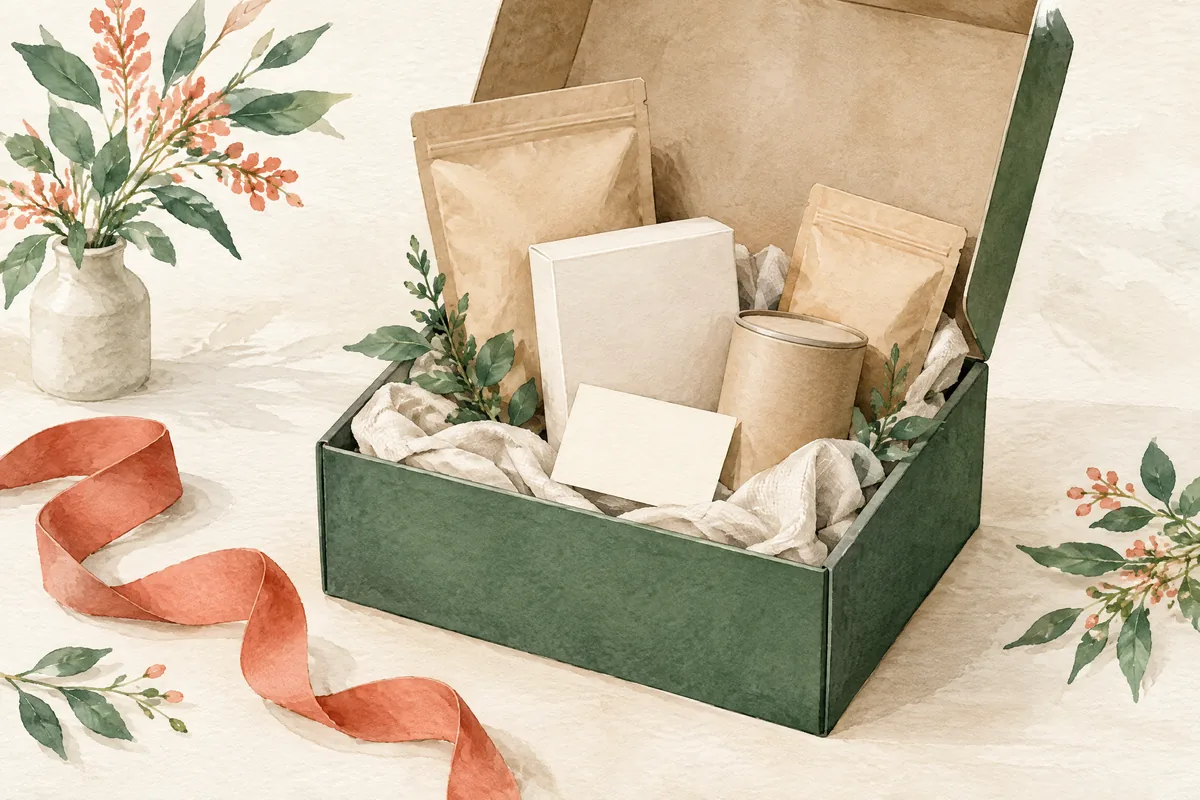
For a celebratory presentation, Romantic gift hampers is an exact page label to use as an enquiry starting point, not an endorsement or evidence that a particular hamper fits the recipient. Before considering any food gift, establish the recipient’s restrictions and check the actual product information for that purchase. FARE advises rereading packaged-food labels each time because ingredients and manufacturing processes can change; where ingredients or cross-contact are uncertain, it advises contacting the manufacturer 1. This is not a guarantee that a product is risk-free.
4. Turn an enquiry into specific requirements
A product or category name rarely answers the questions that matter to a particular recipient. When making an enquiry, describe the occasion without oversharing, then ask about the concrete option under consideration. Request current details in writing: contents, packaging, available message wording, delivery or collection arrangements, substitutions, cancellation conditions and the final amount payable. These are questions requiring confirmation, not claims about what any merchant provides.
If the possible recipient is a child, separate the child’s age and intended use from the occasion’s name. Hong Kong Customs says not to give children under three toys intended only for ages three and above, and advises against toys with small or detachable components because of swallowing or inhalation risks 2. Age guidance is a selection aid, not certification of an individual product. For covered toys and children’s products, the Customs guidance also addresses bilingual safety warnings and supplier identification; it does not apply to every kind of family gift. If you are considering a toy, check the actual age label and product details rather than inferring suitability from a “newborn” or “baby” description.
A farewell can also call for discretion: someone may prefer a quiet acknowledgment over a public presentation. Farewell gift is a page label for an enquiry or browsing route, not a recommendation of its contents. Decide first whether the person wants a group gesture, an individual note or no gift, then verify any item and handover details directly with the relevant provider.
5. Use the personal gift discretion and message planner
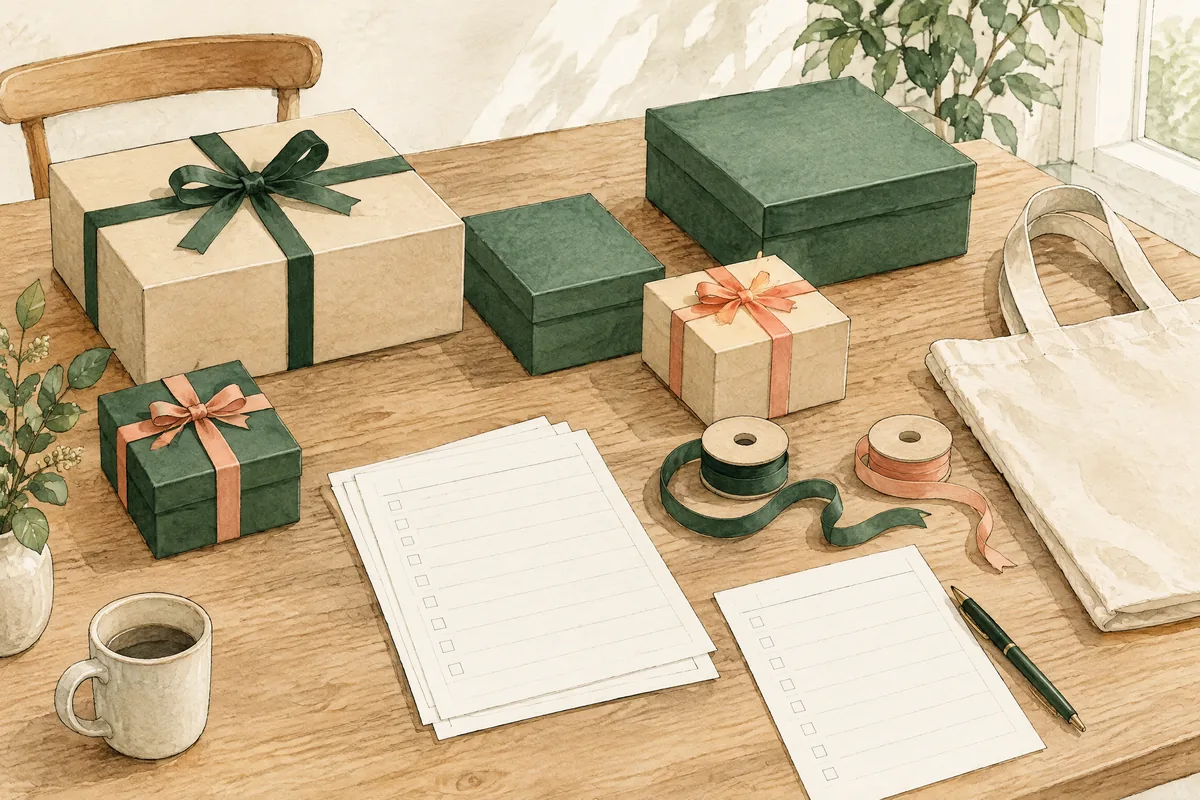
Complete this worksheet before selecting or ordering anything. If you cannot answer a field without guessing, mark it “ask” or “unconfirmed”; do not turn an assumption into a requirement. Keep any sensitive information in a private note rather than a group chat.
Purpose: What am I acknowledging? What should the recipient understand, and what should the gift not imply?
Recipient and user: Who will receive it? Who, if anyone, is expected to use it? Is the occasion label being mistaken for an intended user?
Known preferences: What has the person actually said they like, avoid or need? Which details are my inference? What can I ask without making them feel obliged to accept?
Privacy: Is the occasion, address or message private? Who needs to know? Is public presentation welcome, or should the handover be discreet?
Practical fit: Will the gift need to be stored, consumed, displayed or shared? Does that create work? If it is food, have the recipient’s restrictions been confirmed and the current package information checked? If it is a toy, have the age marking and intended use been checked?
Provider questions: What exactly is included? What could be substituted? What are the confirmed handover arrangements, charges and cancellation terms? Who should be contacted if the plan changes? Record the provider’s answers and the date received.
Message and decision: Draft one sentence that is warm but does not disclose private information. Choose: proceed, ask first, choose a more flexible option, or pause. Set a reminder to reconfirm any detail that may change before the handover.
The worksheet is a decision aid, not a product-safety assessment, allergy assessment or guarantee. FlintHub’s family activities page is a separate learning and activity-planning resource; it does not promise gifts, food or services connected to a course or activity. Use it only if you are separately planning an activity, not as evidence that a present is suitable for a particular child.
6. Map recipient and participant needs
Map the people involved before choosing: the intended recipient, anyone who will handle or share the item, and anyone whose privacy could be affected by the presentation. For a family occasion, that might mean asking the parent or caregiver what is welcome rather than assuming a baby can use a gift bearing a baby-themed name. Keep the answer tied to the actual item, its intended age and the family’s stated preferences.
If food is being considered, ask the recipient or an appropriate caregiver about relevant restrictions before selecting it. Then inspect the current label for the specific packaged product; prior experience with a different batch or item is not enough. FARE notes that the absence of a precautionary “may contain” warning does not establish that food is suitable for someone with an allergy, and says to contact the manufacturer when ingredient or cross-contact information is unclear 1. That guidance does not amount to a zero-risk assurance, and the U.S. context of its labeling discussion should not be treated as Hong Kong law.
If a toy is being considered, check the actual age recommendation and product identification rather than relying on its marketing category. Customs guidance offers a Hong Kong-specific reference for covered toys and children’s products, but a label alone does not verify every safety aspect or make a particular gift appropriate. When information remains unclear, pause and ask the responsible supplier or choose another approach. A gift should not substitute for a family’s established decisions about a child’s food, play or care.
7. Resolve open questions before approval
Before committing, review what is confirmed and what remains open. Confirm the intended recipient, the item and quantity, current contents, message, packaging, recipient-facing contact, handover location and timing, and the consequences of absence or a change of plan. Ask for the total charge and any relevant cancellation or substitution terms in writing. Do not infer free delivery, a particular delivery window, special handling or a guaranteed result from a category page or an informal conversation.
Then make a clean decision: proceed only if the choice respects the recipient’s preferences and the practical details are sufficiently clear; ask a focused follow-up if one answer could change the choice; or pause if privacy, suitability or consent remains uncertain. Keep the explanation simple if you need to decline a proposed group gift. A courteous “I’d rather check what they would welcome first” protects the recipient without making the decision about anyone’s intentions.
The same principle applies to every stage: distinguish what the person has said, what a source or label states, and what you still need a provider to confirm. This guide uses Hong Kong as a planning context, not as a statement of legal rules beyond the cited Customs guidance. U.S. food-label advice and any other country-specific guidance should not be recast as Hong Kong law or individual medical advice.
Frequently asked questions
How can I find out what someone wants without spoiling a surprise?
Ask a small, low-pressure question or invite a trusted contact to check only if they can do so appropriately. Offer the person an easy way to decline. If the answer depends on sensitive information, avoid sharing it widely and consider choosing a flexible gesture instead.
Is a baby-themed present automatically suitable for a newborn?
No. A name or occasion does not establish who can use an item. For a toy, check its actual age recommendation and details; for food, do not assume it is intended for an infant. Ask the caregiver what is welcome and appropriate.
What should I check before giving a food gift?
Confirm the recipient’s restrictions, inspect the current package information for the specific product and contact its manufacturer if ingredients or cross-contact are unclear. A missing precautionary warning is not proof of suitability, and no general guide can guarantee zero risk.
What should I confirm with a merchant before placing an order?
Ask for written confirmation of the exact contents, packaging, message options, substitutions, charges, delivery or collection details, cancellation terms and what happens if the recipient is unavailable. Treat any unanswered point as open rather than assuming a service or outcome.
How do I make a group gift more discreet?
Agree privately on who will contact the recipient, what information may be shared and whether a public handover is welcome. Avoid distributing private addresses or personal circumstances unnecessarily. If the recipient’s preference is unknown, ask before announcing the gift or presenting it at an event.
Editorial disclosure
FlintHub Academy and YumYum have the same owner. This article was prepared with AI assistance on 2026-11-10; that is the editorial preparation date, not a known publication date. It is not an independent recommendation of YumYum or any product, merchant or service. FlintHub Academy does not claim medical, veterinary or professional qualifications. The guidance is general planning information, not medical, legal, allergy-safety or product-safety certification. Merchant details are open questions requiring written confirmation; no product, price, delivery service, food suitability or safety outcome has been independently assessed.
References