
Quick answer
For housewarming party catering, first confirm your guest count, the space available and any dietary requirements. Then choose a menu and service style that suit the occasion, and ask suppliers about lead times, delivery, setup, food handling, minimum orders and the final cost. Confirm the menu and timing in writing before the event. For planning in 2026, treat dates and availability as details to verify directly rather than assuming a supplier can accommodate them.
Start with the shape of your housewarming
Choose a date and a realistic guest list
Before comparing menus, decide what kind of gathering you want. A casual drop-in with guests arriving over a few hours has different catering needs from a sit-down meal at a fixed time. Set a likely guest count and think about how long people will stay. Your estimate does not need to be exact at the outset, but it gives you a sensible basis for enquiries and helps avoid ordering far too much or too little.
Make the new-home setting part of the plan
Consider how ready the home will be. There may still be unpacked boxes, limited seating or areas you would prefer guests not to enter. Decide where people can gather, where food can be placed and whether guests will be able to move around comfortably. In a smaller flat, a more informal menu and staggered arrival times may work better than trying to recreate a formal banquet.
A housewarming does not need an elaborate theme to feel welcoming. A few personal touches, a clear place for guests to leave coats and bags, and a simple arrangement for drinks can be enough. If you are considering a floral arrangement, choose one that fits the available table space and does not obstruct food or conversation. Keep decoration decisions secondary to practical needs such as access, seating and serving.

Choose housewarming party catering to suit your guests
Compare seafood catering and other menu styles
The right menu depends on the occasion, the length of the gathering and what your home can accommodate. Finger food can suit a standing reception, while shared dishes may encourage guests to settle in and talk. A seafood catering menu may appeal to guests who enjoy a celebratory spread, but check what is included, how it is portioned and whether any dishes require particular serving arrangements. Do not rely on a menu title as a substitute for the details.
Think through dietary requirements early
Hotpot catering can make a meal feel interactive, but it also requires suitable space and a clear understanding of what the supplier provides. Ask whether equipment, ingredients, serving utensils and any setup or collection are included, and confirm what you would need to provide yourself. Consider whether the arrangement fits the room, your guest count and the way you want people to mingle. If the format seems impractical, a ready-to-serve menu may be easier to manage.
Ask guests about dietary needs before finalising the order. Clarify requirements such as vegetarian food, allergies or religious dietary restrictions, and pass accurate information to the supplier. Ask what alternatives are actually available and how they will be identified and kept separate, where relevant. Never assume a provider can cater for every request; get the response and any limitations confirmed directly before you place the order.

Plan the layout, serving and guest flow
Match the food setup to the home
Think about the route from the entrance to the area where guests will gather. A clear path makes it easier for people to arrive, put down their belongings and find refreshments without crowding the doorway. Identify a practical surface for food and drinks, and check whether there is enough room for guests to serve themselves. If space is tight, fewer menu items with a simple serving setup may be more manageable than a large spread.
Keep arrival and serving arrangements straightforward
Ask the catering provider how delivery and handover work. Confirm the expected arrival window, where the order can be left and whether anyone needs to be present. Do not assume that delivery includes setup, serving staff, equipment or collection. These details can affect the layout and the time you need to spend preparing, so establish exactly what is and is not part of the quoted service.
For a workshop or another activity during the party, food breaks need to fit around the schedule rather than interrupt it. For a two-to-three-hour gathering, you might consider a break around the middle, but the best timing depends on the programme and how guests are using the space. For a half-day event, separate refreshment and meal periods may be more practical. Let guests know when food will be available if arrivals are staggered.

Confirm lead times, quantities and the final order
When should you book housewarming party catering?
Order deadlines vary by provider, menu and date, so ask how much notice is required rather than treating a general estimate as a guarantee. The source guide suggests allowing five to seven working days for a typical order and more time around busy festive periods, but availability must be confirmed with the supplier. For a larger gathering, enquire earlier, especially if you have a fixed event date or specific menu requirements.
Agree quantities and delivery details
When discussing quantities, share your expected guest count, the event duration and whether the food is a meal or refreshments. Ask how portions are calculated and whether the supplier recommends a minimum order. The right amount depends on the menu and the role it plays in the event; a light spread for a short reception is not comparable to a full meal. Get the agreed quantities in writing and ask how changes to the guest count are handled.
Before confirming, check the delivery address, arrival time, contact person and any building access requirements. Explain relevant constraints, such as a limited lift or a narrow entrance, and ask whether these affect delivery. Confirm the menu, quantities, price and any additional charges in writing. If you are planning for 2026, verify current availability and terms directly; a planning horizon is not evidence that a particular supplier or date is available.

Compare quotes and ask what the price covers
Look beyond the per-person figure
A quote may be calculated per person, by package or in another way. Costs can depend on the menu, quantities and service required, so check prices directly with suppliers rather than relying on general estimates. Ask for a quote based on your own menu, headcount and event date, and check whether there is a minimum spend.
Check service, equipment and cancellation terms
Compare like with like. One quote may cover food only, while another may include delivery or additional services. Ask whether cutlery, plates, serving equipment, setup, staff and collection are included, and whether any delivery or access fees apply. Request an itemised breakdown so you can understand the difference between options. If anything is unclear, ask the provider to explain it before accepting the quote.
Read the terms for changing or cancelling an order before paying or confirming. Ask when the final guest count is due, what happens if it changes and whether a date change is possible. Do not assume refunds, amendments or particular payment methods are available. Confirm the provider’s actual policy in writing and keep the confirmation together with the final menu and event details.

Discuss food handling and special requests directly
Ask how food is packed and delivered
Food handling arrangements are worth clarifying, particularly if there is a gap between delivery and serving. Ask the supplier how the food will be packed, what serving instructions apply and whether the delivery timing is suited to your schedule. The source material mentions insulated boxes and food-grade packaging as possible arrangements, but you should not assume a provider uses them. Ask what applies to your order and follow the instructions they provide.
Confirm dietary options without assumptions
If you have questions about hygiene or relevant food-safety credentials, ask the supplier what information they can provide and how it relates to the service you are booking. Do not rely on a general claim that a provider is professional or popular. Where a particular document or certification matters to you, request confirmation directly. This guide cannot verify any supplier’s handling practices, credentials or suitability.
For vegetarian, halal, gluten-free or other dietary requests, describe the requirement clearly and ask what the provider can accommodate. Confirm whether the alternative is a separate dish, a modification or simply an item without a particular ingredient. If the request relates to an allergy, ask the supplier directly about their processes and limitations rather than assuming that an alternative is suitable. Share only accurate information and confirm the final arrangements before the event.

Bring the plan together for a relaxed event
Use a short checklist before confirming
Before placing an order, check that you have a date, an estimated guest count, a menu direction and a delivery plan. List dietary requests and confirm which ones the provider can meet. Make sure the serving area, seating and guest flow suit the format you have chosen. A short written checklist helps catch omissions while there is still time to ask questions or adjust the plan.
Keep the hosting plan flexible
A housewarming can include more than a meal, but activities should fit the space and the guests. If you want a small creative element, a candle workshop or another activity might be worth exploring separately; check its format, space requirements and availability with the organiser. Avoid scheduling a demanding programme if the main purpose is to let people catch up and see the new home.
The best plan is one you can host without spending the whole event managing logistics. Choose a menu that suits your home, clarify the supplier’s responsibilities and leave a little flexibility around arrivals and serving. Keep the final confirmation accessible, including the agreed order, timing and contact details. With the key points settled in advance, you can focus on welcoming people rather than resolving avoidable surprises.
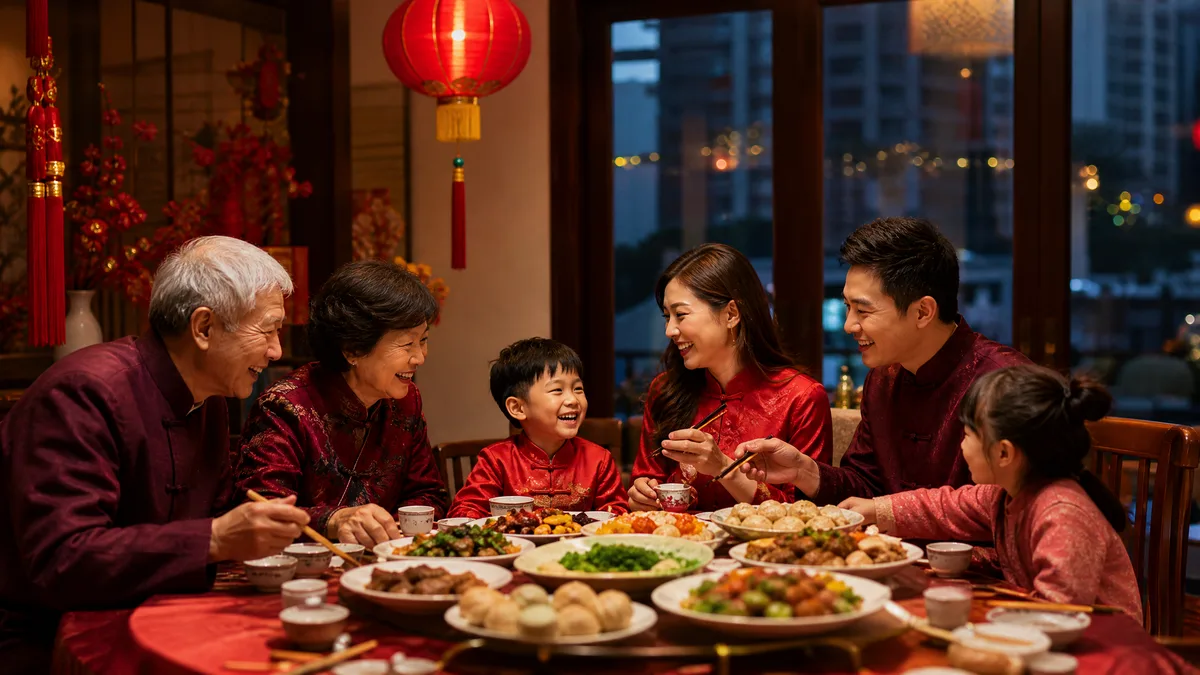
Catering information to check with providers
If this option is relevant to your event, review housewarming catering and confirm the menu, delivery arrangements, dietary information and booking terms directly with the provider.
If this option is relevant to your event, review seafood catering and confirm the menu, delivery arrangements, dietary information and booking terms directly with the provider.
If this option is relevant to your event, review hotpot catering and confirm the menu, delivery arrangements, dietary information and booking terms directly with the provider.
FlintHub and the linked partner website have common ownership. This link is not an independent endorsement, tested recommendation or confirmation of availability.
Keep Housewarming Gifts Separate from Catering
Choosing a Gift hamper for a housewarming starts with asking the host: would they prefer fruit, packaged treats or no food gift, how many people will share it, and what storage space is available? Use those answers to choose manageable contents rather than adding to an already crowded kitchen. If including fruit products, follow their labelled storage instructions. Ask the gift supplier to confirm contents and handover arrangements separately from the party caterer. Keep the hamper out of planned seafood or hotpot portions unless the host explicitly wants to serve it, so the meal order does not depend on an unconfirmed gift.
Prepared by FlintHub Academy with AI assistance from public information for event catering, gifting, baking and floristry planning and enquiries, not first-hand service testing or real client cases. YumYum and FlintHub Academy have the same owner; links are relevant service resources, not independent third-party endorsements. AI-generated concept illustrations do not depict actual YumYum products, services, venues, instructors or clients. No professional author credentials or guarantees of safety, price, availability or outcomes are claimed. Confirm allergies, materials and storage requirements, scope, fees and availability with the actual provider.
Questions about housewarming party catering
How far in advance should I book catering for a housewarming?
Lead times depend on the provider, menu, guest count and date. The source guide suggests five to seven working days for a standard order and two to three weeks during busy festive periods, but these are planning estimates, not guaranteed deadlines. Ask your chosen supplier about availability and booking cut-offs as soon as you have a date, and enquire earlier for a larger gathering.
How do I choose a catering package for the number of guests?
Start with a realistic headcount, then tell the supplier how long the event will last and whether the food is a full meal or light refreshments. Ask how portions are calculated, what the minimum order is and whether the menu can be adjusted. Seafood catering may suit some gatherings, but the best option depends on your guests, budget and serving space. Confirm quantities in writing.
How can I check how catering food is packed and handled?
Ask the supplier how food will be packaged, when it will arrive and what serving instructions apply. Confirm directly whether insulated containers or particular packaging are used; do not assume that they are included. If you want to check food-safety information or credentials, ask the provider what they can confirm for the service you are booking. This guide does not verify any supplier’s practices.
When is a good time to serve refreshments during a workshop?
For a two-to-three-hour workshop, a break around the middle may be a useful starting point, but it should suit the programme and the group. For a half-day event, separate refreshment and meal breaks may work better. Agree the schedule with the organiser, and let guests know when food will be available, particularly if people will arrive at different times.
How should I handle vegetarian or other dietary requirements?
Ask guests about requirements early and give the supplier clear, accurate details before the menu is finalised. Check which alternatives are available and how the provider handles each request; options vary, so do not assume every service can accommodate every diet. If a request concerns an allergy, discuss the supplier’s processes and limitations directly and confirm the arrangement before ordering.
How is catering usually priced?
Pricing may be per person or based on a package, and can vary with the menu, quantities, service and delivery arrangements. The source guide lists example figures, but they are not verified current prices and should not be used as a quote. Ask for an itemised price for your date and guest count, and check minimum spend, additional fees and the provider’s change or cancellation terms.
Prepared with AI assistance and local editorial adaptation. This is planning guidance, not a record of a delivered event. Confirm current arrangements directly; images are references and do not verify a particular class or event.
Before requesting a proposal for team building Hong Kong, list the venue limitations around space, access routes, materials and cleaning.
Before setting a family activity theme, ask how an art workshop Hong Kong would fit the group’s ages, room conditions, and cleaning needs.
When a company needs shared practice rather than only a social break, corporate training Hong Kong should begin with a real work situation and a clear participation goal.