
Quick answer
For an outdoor sports day, decide first when participants will eat, where catering can be delivered and whether the venue permits cooking or open flames. Then confirm the headcount, dietary requirements, serving arrangements and delivery window with the supplier. BBQ catering can work for a relaxed meal if the venue and provider can accommodate it; for active schedules, pre-prepared food and drinks may be simpler. Get current prices, minimum orders and all practical arrangements in writing.
Start with the sports day schedule and site
Match food to the activity timetable
Begin with the shape of the day rather than a menu. Note the arrival time, opening remarks, activity blocks, breaks and finish, then identify when participants can realistically stop to eat. A sports day with short gaps between games may call for food that is quick to serve and easy to carry. A longer lunch break can allow a more substantial meal, including BBQ catering if the venue and supplier can support the arrangement.
Check access and venue rules
The site affects what is practical. Confirm whether vehicles can reach the delivery point, where food can be set out, whether tables are available and how far participants will need to walk from the activities. Ask the venue about restrictions on cooking, equipment, waste and use of outdoor areas; do not assume a barbecue is permitted simply because the event is outdoors. If the site has limited access, ask the caterer what delivery and set-up options they can actually provide.
Build a weather contingency into the plan. Rain, strong sun or a change of venue can affect serving points and timings, so ask what adjustments are possible and by when they must be confirmed. Keep the contingency straightforward: identify a suitable sheltered area if available, decide who will communicate any change, and check whether the supplier can still reach the revised location. If your event includes adventure team building or an outdoor activity such as an aerial yoga session, coordinate catering breaks with the activity organiser rather than interrupting a session.

Choose the right format: BBQ catering or lighter options
When BBQ catering may suit your event
BBQ catering can give an outdoor gathering a relaxed, social feel, particularly when there is a defined meal break and enough space for serving. It may be less suitable when participants are moving between activities, the schedule is tight or venue rules limit cooking. Ask the provider whether the offer is cooked on site or delivered ready to serve, what facilities they require and what is included. These are questions to verify, not details to take for granted.
Consider food that is easy to serve
For a busy programme, consider a simpler format such as individually packed meals, snacks or a buffet that can be served in stages. The best choice depends on the age range, length of the event, facilities and how much time participants have to eat. Food that can be picked up quickly may reduce queues, but packaging and waste also need consideration. Ask the supplier how the proposed format works for your particular venue and group.
Drinks catering deserves its own plan, especially for an event lasting several hours. Confirm what drinks are available, how they will be delivered and where they can be placed so participants can reach them without crossing busy activity areas. Ask whether cups, ice or other serving items are included rather than assuming they are. Keep the service point convenient and account for replenishment and rubbish collection in the event plan.

Set the headcount, menu and dietary requirements
Use attendance figures carefully
A reliable estimate helps a supplier propose suitable quantities, but sports day numbers can change. Separate confirmed participants from staff, volunteers and guests, and ask when the final headcount is due. Check the supplier’s minimum order, how late changes can be made and whether an updated number affects the price. Avoid ordering solely from a rough attendance figure if registration is still open.
Confirm dietary requests early
Collect dietary information in a consistent way and share only what the supplier needs to plan the order. Ask participants to state relevant requirements when they register, then confirm which requests the caterer can accommodate and how dishes will be identified at service. Vegetarian, halal or gluten-free requests should be discussed explicitly; availability and preparation arrangements vary by supplier. Do not describe a dish as suitable until the provider has confirmed the ingredients and handling details.
The menu should reflect the event as well as personal preference. Consider whether participants will be eating before or after active sessions, whether children are attending and whether food can be eaten comfortably outdoors. Ask about portion sizes, sides and alternatives, and clarify what is included in the quoted menu. If you are planning a hiking experience as part of the day, consider whether the meal and delivery point fit the route and whether participants can carry any food they need.

Plan serving times, queues and breaks
Allow time for the whole group
A meal break needs to account for more than the time people spend eating. Allow for participants to leave the activity area, queue, collect food and return, while making room for late arrivals or staggered groups. Ask the supplier how long service may take for your headcount and what serving set-up they can provide. If everyone is released at once, a single collection point may create a bottleneck; staged groups can be easier to manage where the programme allows.
Coordinate catering with activities
For a workshop or activity session lasting two to three hours, a mid-session break of around 15 to 20 minutes is one possible starting point, not a fixed rule. The suitable duration depends on the group size, travel between activity and serving areas, and whether food is being served. A half-day event may need a separate meal break as well as a shorter pause. Confirm the plan with the event lead and supplier rather than relying on a generic timetable.
Assign someone to coordinate the food handover and tell participants where and when to collect it. Confirm the delivery window, contact person, access instructions and what happens if the programme runs late. For activities such as games, workshops or adventure team building, share the latest schedule with the caterer and activity lead. This makes it easier to identify timing clashes before the event and agree which arrangements are feasible.

Compare quotes and keep the budget clear
Look beyond the headline per-person price
A useful comparison starts with the same brief sent to each supplier: date, venue, estimated headcount, service time, menu format and dietary requests. Ask for the price basis and any minimum order, delivery charge or other additional cost. A lower headline quote may not include the same food, serving items or delivery arrangements as another offer, so compare like with like before deciding.
Ask what is and is not included
Budget catering does not have to mean choosing the cheapest menu without checking suitability. Consider the overall value for the event: whether the serving format fits the timetable, whether participants’ needs can be covered and whether the delivery plan is clear. Ask if the supplier can suggest alternatives within your target budget, and request an itemised quote so you can see what changes affect the total. Prices and terms vary, so the article cannot provide a reliable current price range.
Confirm the quote’s validity, payment arrangements, cancellation or amendment terms and the deadline for final numbers directly with the provider. Do not assume payment or refund terms until the supplier has confirmed them. Save the written confirmation alongside the event schedule, including the agreed menu, quantities, delivery location and contact details. That gives the organiser a shared reference if the plan needs to be checked before the day.

Confirm delivery, serving and clean-up details
Clarify the handover and set-up for drinks catering
Before placing an order, ask exactly what the supplier will deliver and what the organiser must provide. Confirm whether the service includes set-up, serving equipment, tableware or collection of packaging; these details are provider-specific. Make sure the delivery point is identifiable and that the person meeting the driver has the supplier’s contact details. If access requires a gate code, booking reference or timed entry, confirm how that information should be shared.
Plan for waste and changing conditions
Food storage and serving arrangements are important, particularly when meals will be outdoors or delivery and eating are separated by time. Ask the provider how the food should be handled after delivery, how long it is intended to remain available and whether the proposed serving plan is appropriate for the expected conditions. Do not infer temperature control or food-safety certification from a supplier’s marketing. Verify any relevant documentation or handling information directly where it matters to your event.
Decide who will oversee rubbish, leftover food and the return or disposal of any reusable items. Check the venue’s waste rules and whether bins are available near the eating area. Have a named organiser monitor the serving point and notify the caterer promptly if the delivery is delayed or the location changes. These simple responsibilities help avoid confusion without assuming the provider offers services that have not been confirmed.
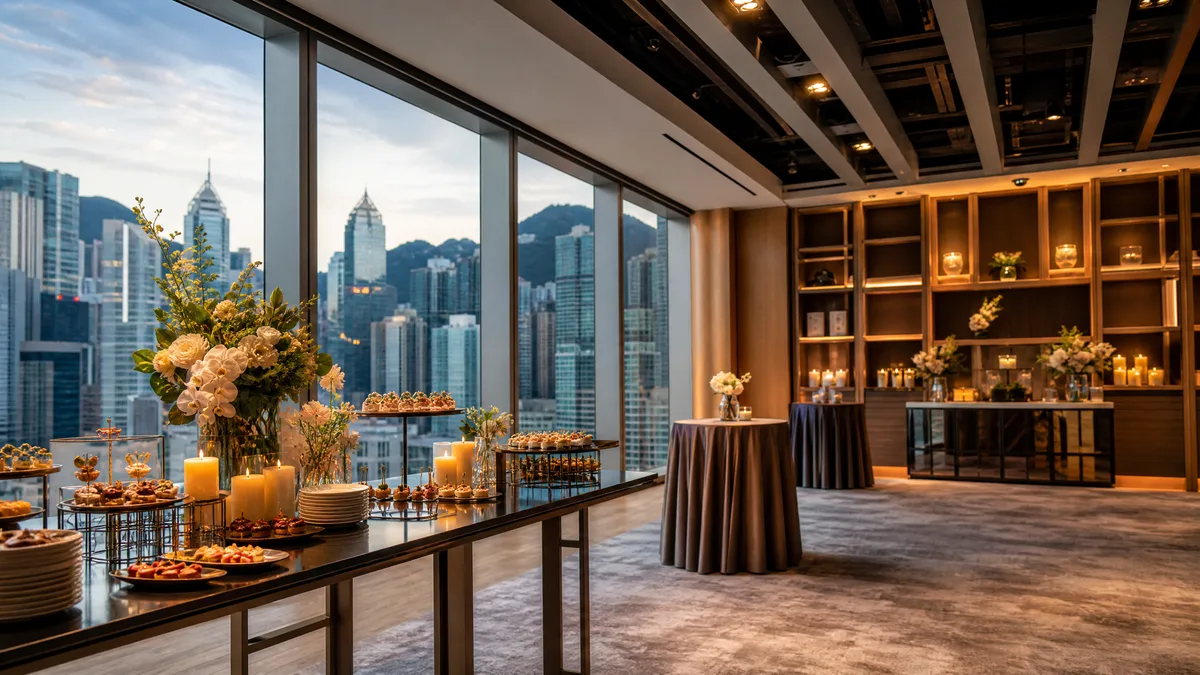
A practical booking checklist for your sports day
Book early, then reconfirm
As a planning starting point, allow five to seven working days for a routine order and two to three weeks during busy periods such as Christmas and New Year, with more notice for larger groups. Treat these as planning prompts rather than guaranteed lead times: availability depends on the supplier, date, menu and location. Begin enquiries early enough to compare options, then ask each provider for its actual booking deadline and confirmation process.
Keep one written event brief
Put the essential details in one brief: event date, venue, access instructions, expected and final headcount dates, serving time, menu format, dietary requests and a contact person on the day. Ask the supplier to confirm the proposed service, delivery window, total cost and relevant terms in writing. If the weather or programme changes, identify who has authority to contact the provider and by what deadline changes can still be made.
Keep the plan proportionate to the event. A small gathering may need only a clear meal break and a simple delivery point, while a larger sports day may need staggered service and a designated coordinator. Check the latest arrangements with the venue, activity organisers and caterer rather than relying on assumptions from another event. With the timetable, food format and responsibilities agreed, BBQ catering can be considered as one option among several for a well-organised outdoor day.
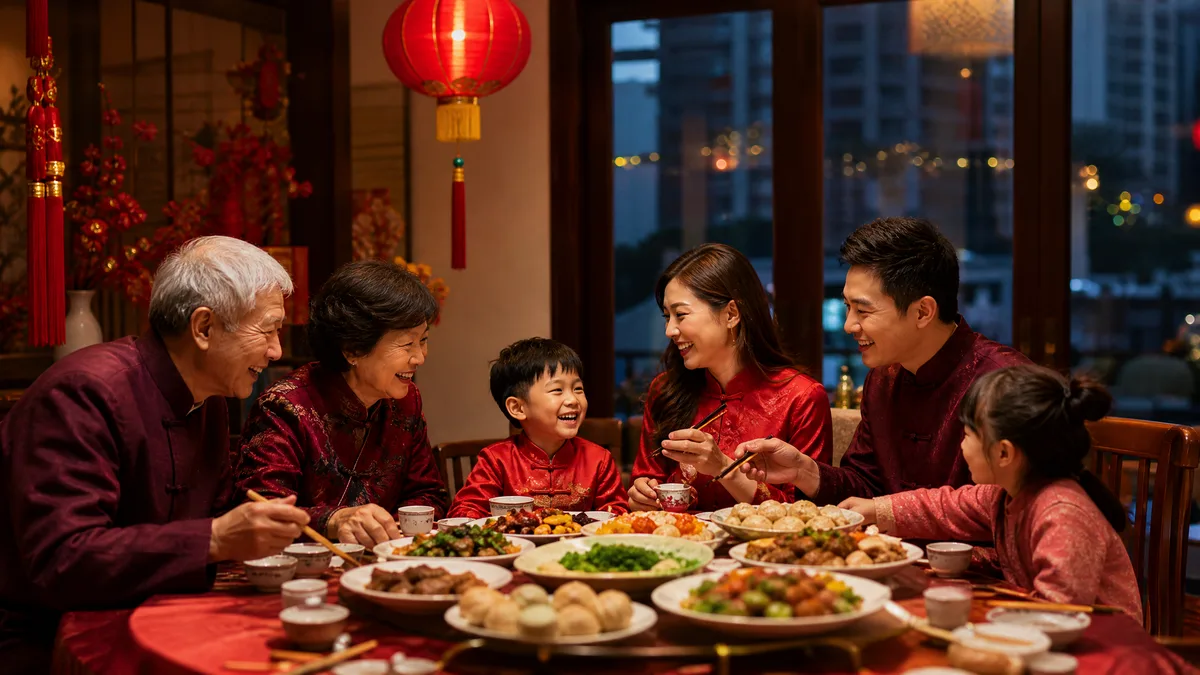
Catering information to check with providers
If this option is relevant to your event, review BBQ catering and confirm the menu, delivery arrangements, dietary information and booking terms directly with the provider.
If this option is relevant to your event, review drinks catering and confirm the menu, delivery arrangements, dietary information and booking terms directly with the provider.
If this option is relevant to your event, review budget catering and confirm the menu, delivery arrangements, dietary information and booking terms directly with the provider.
FlintHub and the linked partner website have common ownership. This link is not an independent endorsement, tested recommendation or confirmation of availability.
Questions about BBQ catering
How far in advance should I book catering for an outdoor event?
The source guide suggests five to seven working days for a routine order and two to three weeks during busy periods, with larger events requiring more notice. These are not guaranteed lead times. Availability depends on the supplier, date, headcount and location, so contact providers early and confirm their actual booking deadline.
How do I choose a catering package for the number of participants?
Start with the confirmed headcount and include staff, volunteers and guests. Then consider the event length, age range, meal break and dietary requests. Ask the supplier about minimum orders, portion assumptions, final-number deadlines and whether a suitable format is available for your group. Confirm the final quantity in writing.
How can I check how food will be handled and kept suitable for serving?
Ask the caterer how food is packaged, delivered and intended to be handled before serving, and whether the proposed timing suits your venue and conditions. Do not assume a supplier uses particular equipment or holds specific certifications. Verify any handling information or documentation you need directly with the provider.
When is the best time to schedule a refreshment break during a workshop?
For a two- to three-hour session, a 15- to 20-minute break in the middle is a possible starting point, but the group size, serving queues and distance to the catering point all matter. A half-day programme may need a separate meal break. Coordinate the timing with the activity lead and caterer.
How should I arrange vegetarian or other dietary requirements?
Collect requirements early and share them with the supplier when requesting a quote. Ask which requests they can accommodate, how dishes will be identified and whether they can confirm ingredient or handling details relevant to attendees. Options vary between providers, so do not assume that every supplier can meet every dietary requirement.
How are catering costs usually calculated?
Suppliers may quote per person, by menu or with a minimum order, and delivery or other service costs may be additional. Ask for an itemised, current quote that states what is included, the price basis, any extra charges and the deadline for final numbers. Compare offers using the same event brief rather than relying on unverified price ranges.
Prepared with AI assistance and local editorial adaptation. This is planning guidance, not a record of a delivered event. Confirm current arrangements directly; images are references and do not verify a particular class or event.
For a cross-year activity with a clear learning focus, a study tour Hong Kong can be scoped around the schedule, adult support and venue conditions.
Before requesting a proposal for team building Hong Kong, list the venue limitations around space, access routes, materials and cleaning.
Where families of different ages will participate, a school workshop Hong Kong should clarify grouping, adult roles, and the capacity of the venue.