Quick answer
For a wellness workshop, decide first whether food is a snack, a meal or part of the overall experience. Confirm attendance, allergies and dietary requirements with participants, then ask the caterer what vegetarian options, ingredient information, delivery arrangements and serving needs are available. Match the menu and break length to the event schedule, and reconfirm the final details before the day. Specific menus, prices and delivery arrangements vary by provider, so check them directly.
Why food planning matters at a wellness workshop
Think beyond the menu
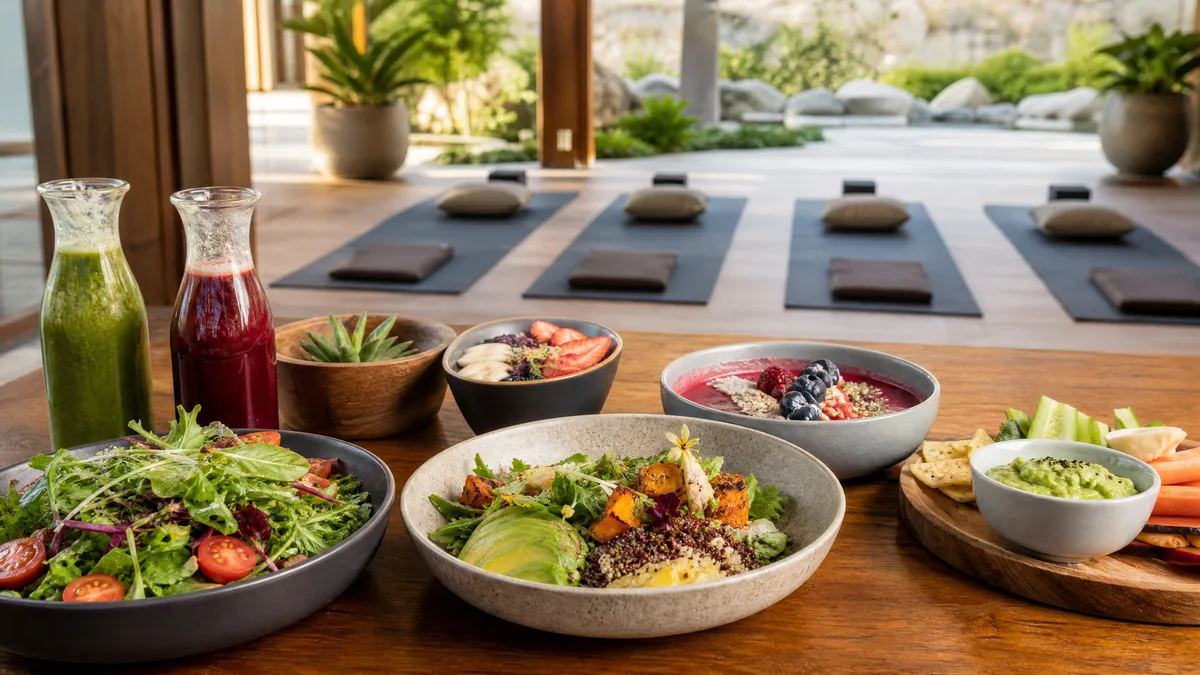
Food is one part of the setting in which a workshop takes place. A considered refreshment break can give attendees time to pause and talk, while an ill-timed meal may interrupt a reflective session or leave too little room for the next activity. Treat catering as an element of the event plan rather than a last-minute add-on.
Coordinate food with the session
Start by identifying what the session is intended to feel like. A quiet meditation workshop may call for a simple, unobtrusive break; a longer group programme may need a more substantial meal. Neither format is automatically better. The facilitator’s running order, venue access and participants’ needs should guide the decision, rather than assumptions about what people will want.
Choose a clear purpose for the break
FlintHub Academy’s topic introduction connects food planning with workshops and activities such as a meditation workshop, singing bowl sessions and aerial yoga. These are possible contexts for thinking about refreshments, not evidence of a particular catering package. Ask the organiser or venue whether food is permitted, where it can be served and whether the planned break fits the session format.

Planning a vegetarian catering menu for a mixed group
Ask what vegetarian means to attendees
Vegetarian catering is a useful starting point when planning a menu without meat or fish, but the label alone does not settle every dietary question. Participants may avoid particular ingredients, follow different practices, or need to manage an allergy. Ask attendees for requirements in a discreet, consistent way and pass the relevant information to the provider. Do not infer that a vegetarian menu is automatically suitable for everyone.
Build a useful vegetarian catering brief
A concise brief helps a caterer respond accurately. Include the event date and location, estimated headcount, service time, whether the food is a snack or meal, and any known dietary needs. Ask what dishes are proposed and whether ingredient or allergen information can be supplied. Confirm whether the menu is fully vegetarian or includes separate alternatives, and how the provider identifies dishes at service.
Keep variety and clarity in balance
Variety need not mean an elaborate spread. Depending on the provider’s offer, a menu might include a mix of savoury items, lighter choices and a sweet option. Ask whether portions are intended as refreshments or a meal, and whether food arrives ready to serve. These details help avoid ordering based on a dish list that does not explain quantity, serving format or suitability for the length of the event.

Comparing Korean catering and Thai catering options
Use cuisine as a preference, not a dietary guarantee
Korean catering or Thai catering can bring a distinctive flavour profile to a gathering, but cuisine names do not tell you whether individual dishes are vegetarian. Recipes and menus differ between providers, and dishes may contain ingredients that are not obvious from their names. Ask for the proposed dishes and ingredient details rather than assuming a cuisine will meet a dietary requirement.
Ask about ingredients and substitutions for Thai catering
If attendees have specific needs, ask the provider whether suitable options can be offered and how they will be kept distinct from other dishes. Clarify whether substitutions are possible and whether they affect the menu or quote. Avoid promising a particular option to guests until the provider has confirmed it. For allergies or other important restrictions, make the requirement explicit and ask the provider what information they can reliably confirm.
Choose for the event setting
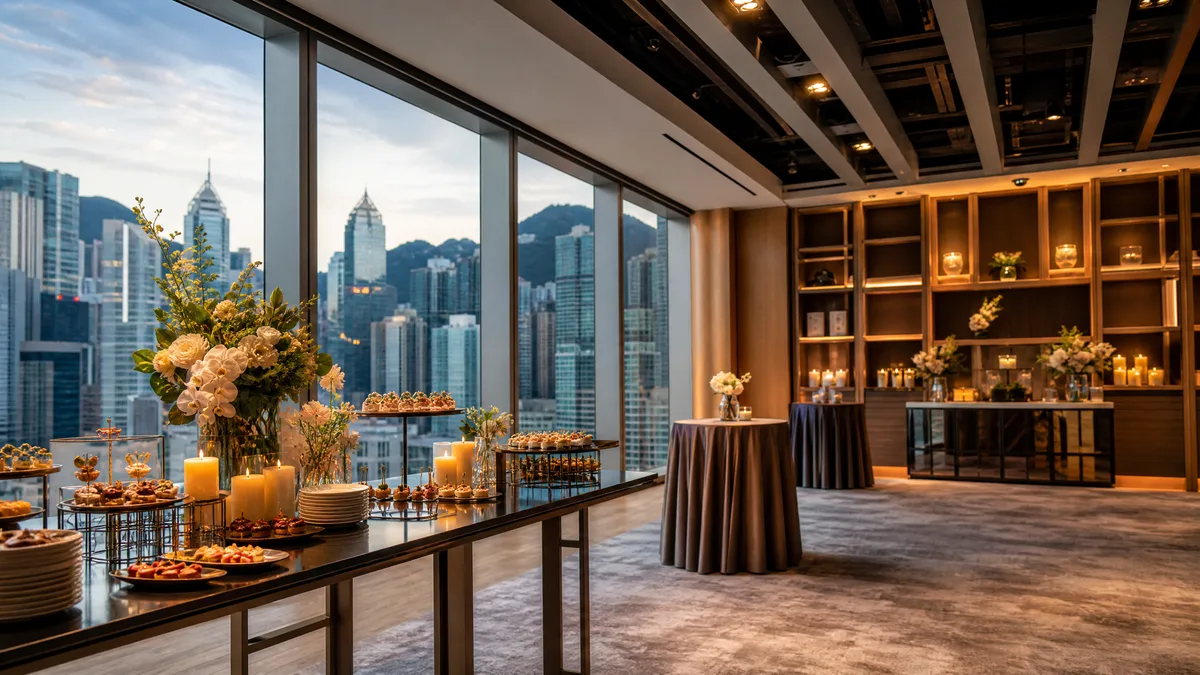
The event setting also affects what is practical. Consider how much time is available to serve and eat, whether attendees will remain seated or move between activities, and how food can be presented in the venue. A buffet, individually packed portions or a simple refreshment table may each have different space and service requirements; availability should be checked with both the venue and caterer.

Scheduling refreshments around a mindful programme
Map the session before setting break times
Set the food schedule against the actual programme. Note the start and end times, activity changes and any period when participants will need to leave the room. The source guide suggests that a two-to-three-hour workshop could include a mid-session break of around 15–20 minutes. Treat this as a planning example, not a fixed rule: group size, venue layout and the format of the session can all change how much time is needed.
Plan for short and half-day events
For a half-day event, the source also raises the possibility of separate morning refreshments and a lunch break. Whether that is appropriate depends on the programme and attendees. A short session may need only water or a small snack, while a longer event may require more time for food. Confirm what the venue allows and whether delivery, set-up and clearing time are included in the proposed schedule.
Allow time for transitions
Build transitions into the plan rather than counting only the time people spend eating. A break may involve leaving a room, queuing, finding a seat or returning to the next activity. Ask who is responsible for arranging the serving area and clearing it, and whether the caterer or venue provides any support. Unless those responsibilities are confirmed, do not assume they are included in a catering order.

Practical questions to ask before confirming an order
Check lead times and delivery details
Ask each provider how much notice is needed for the date and number of people, and whether availability changes during busy periods. The source guide recommends booking at least five to seven working days ahead, or two to three weeks for peak periods, and starting earlier for larger events. These are general planning suggestions, not a guaranteed lead time. Confirm the provider’s actual cut-off, minimum order and delivery window.
Confirm quantity, service and cost
Before comparing quotes, make sure they describe the same requirements: headcount, menu, delivery location, serving time and any service or equipment included. Ask whether the charge is per person or calculated another way, whether a minimum spend applies, and whether delivery or other charges are separate. The source guide gives example price ranges, but they may be outdated or provider-specific; do not rely on them as current Hong Kong prices. Request a dated quote directly.
Request clear dietary information
Ask how the provider handles food during delivery and service, and what information is available about ingredients and allergens. Do not assume that packaging, temperature control, food-safety certification or a particular transport method is included: ask the provider what procedures and documentation it can confirm. If an attendee has a serious allergy or strict dietary requirement, communicate it clearly and assess the provider’s answer before deciding whether the menu is suitable.

Coordinating the venue, organiser and caterer
Agree who owns each task
Good event coordination begins with clear responsibilities. Establish who is contacting the provider, collecting dietary information, confirming the final headcount and sharing updates with participants. Separately clarify who will receive the delivery, arrange the food area and deal with leftovers. These tasks may sit with the organiser, venue or caterer; they should not be assumed to belong to any one party without confirmation.
Check the room and serving arrangements
Check the venue’s requirements before placing an order. Ask about delivery access, available serving space, rubbish and cleaning arrangements, and any rules about eating in the room. For a reflective or movement-based session, consider whether food smells, noise or a busy serving area could affect the planned atmosphere. A separate space may be useful, but its availability needs to be checked with the venue.
Reconfirm the final details
Before the event, reconfirm the date, delivery point, serving time, final guest count and agreed menu with the provider. Share any changes to dietary requirements as early as possible and ask whether they can still be accommodated. Keep a written record of what has been agreed, including what the provider will supply and what the organiser must arrange. This simple check reduces the chance of relying on assumptions on the day.
A practical checklist for planning a 2026 wellness event
Start with the purpose and audience
Use 2026 as a planning horizon if you are organising an event for that year, not as evidence of current menus, prices or provider availability. Begin with the event’s purpose, expected attendance and likely duration. Decide whether food is essential, a convenience or part of the intended social experience. Then establish a realistic budget with the people responsible for approving it.
Keep the plan proportionate
Next, gather the information needed to make a suitable enquiry: date and venue, estimated numbers, service time, menu style and dietary requirements. Ask providers for options and itemised details where available. Compare their responses on what is included and what remains for the organiser to arrange, rather than choosing on cuisine or price alone. Verify any claim about ingredients, delivery, service or food handling directly.
Review the details before booking
Finally, allow time for confirmation and communication. Tell attendees how to share dietary needs and provide an appropriate deadline; send the final requirements to the provider and request acknowledgement. Recheck the schedule with the facilitator and venue so the break works with the programme. A well-prepared plan cannot guarantee that every preference can be met, but clear questions and confirmed responsibilities make the decision more informed.
Catering information to check with providers
If this option is relevant to your event, review vegetarian catering and confirm the menu, delivery arrangements, dietary information and booking terms directly with the provider.
If this option is relevant to your event, review korean catering and confirm the menu, delivery arrangements, dietary information and booking terms directly with the provider.
If this option is relevant to your event, review thai catering and confirm the menu, delivery arrangements, dietary information and booking terms directly with the provider.
FlintHub and the linked partner website have common ownership. This link is not an independent endorsement, tested recommendation or confirmation of availability.
Questions about vegetarian catering
How far in advance should I book catering for an event?
The source guide suggests allowing at least five to seven working days, and two to three weeks during busy periods such as Christmas and New Year; it also recommends starting earlier for larger events. These are planning estimates, not a provider guarantee. Ask the caterer about availability, order deadlines, minimum numbers and delivery arrangements for your date.
How do I choose a catering package for the number of guests?
Confirm the guest count, event length and whether the food is a snack or a meal before requesting options. Ask the provider what quantities and serving format its quote covers, and whether there is a minimum order. Cuisine alone does not determine suitability: check the actual dishes and dietary information, then confirm the final count by the provider’s deadline.
How can I check food freshness and hygiene arrangements?
Ask the provider how food is packaged, transported and handled, and what information or documentation it can confirm about its practices. Do not assume a particular temperature-control method or certification without verification. Also ask when the food will arrive and how it should be served or stored, and coordinate these details with the venue.
When is the best time to schedule a workshop break?
Plan the break around the session’s activities, duration and venue logistics. The source guide offers 15–20 minutes midway through a two-to-three-hour workshop as an example, and suggests separate refreshment and lunch times for some half-day events. These are not fixed rules; allow enough time for serving and transitions, and agree the schedule with the facilitator.
How should I handle vegetarian and other dietary requirements?
Collect requirements from attendees in advance and share them clearly with the provider. Ask for dish and ingredient information, whether substitutions are available and how different dishes will be identified. Do not assume that vegetarian food is suitable for someone with an allergy or another specific restriction; confirm the provider’s response before promising an option.
How is catering usually priced?
Pricing may depend on the menu, quantity, service format, delivery and any minimum order, so ask for a quote that lists what is included and any additional charges. The source guide includes example per-person ranges, but they are not verified current prices and may not apply to your provider or event. Compare like-for-like written quotes rather than relying on those figures.
Prepared with AI assistance and local editorial adaptation. This is planning guidance, not a record of a delivered event. Confirm current arrangements directly; images are references and do not verify a particular class or event.
For a company gathering that needs room for beginners and conversation, an art workshop Hong Kong can be a practical starting point for discussing media and staggered timing.
A family event balancing child participation and adult collaboration can first ask whether Art Jamming Hong Kong fits the expected group size and cleaning requirements.
When a team needs a quieter transition during a busy event, compare creative options and consider a stress-relief workshop Hong Kong that fits the available time and venue.