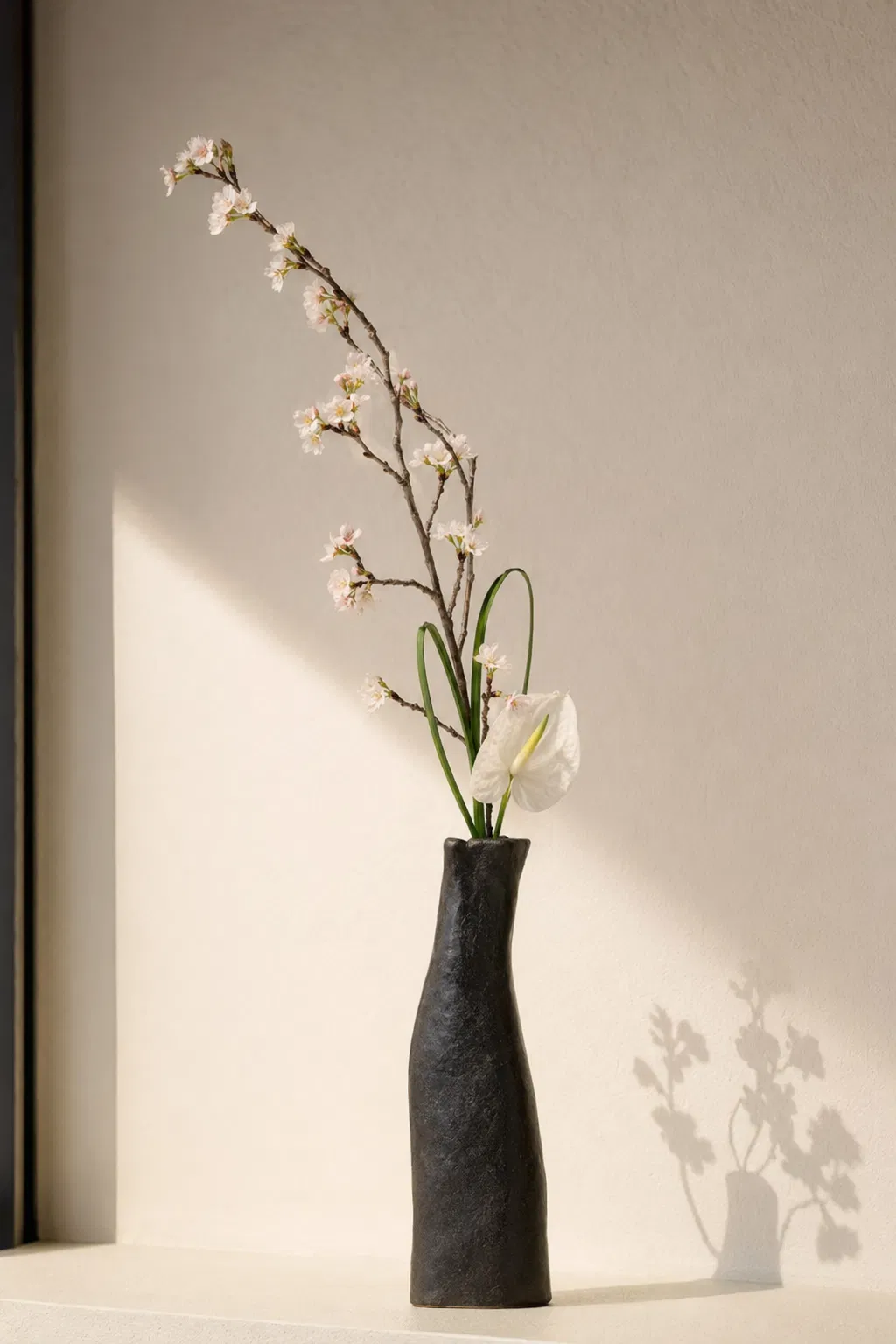
Start with the creative and practical purpose
A personal skill goal needs a different pace
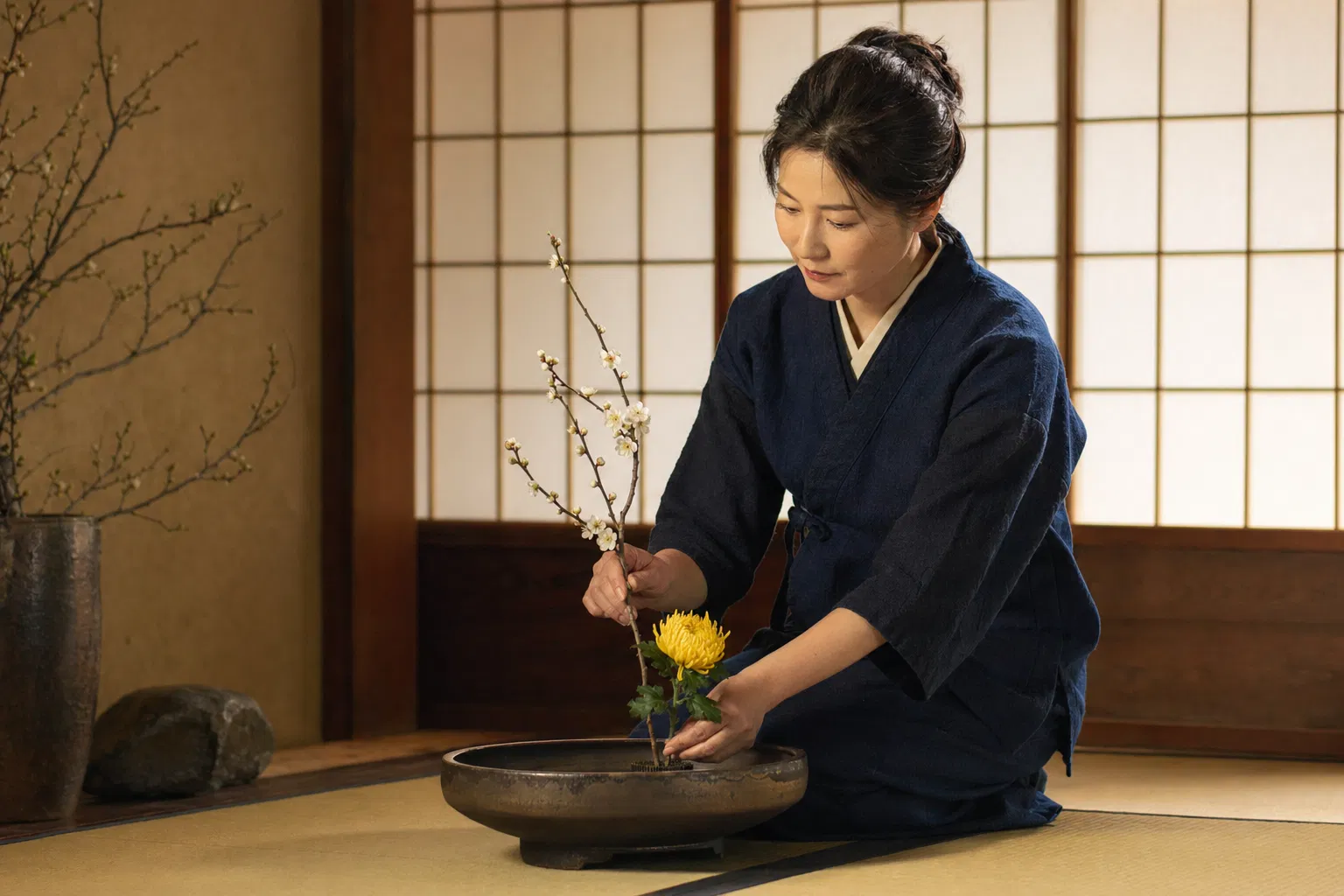
Someone arranging flowers for the first time may want to understand shape, colour, proportion, and the relationship between stems and vessel before attempting an elaborate design. A short-lived home display or thoughtful gift can make fresh flowers appealing, while a longer-lasting decorative idea may lead a group to ask about dried or preserved materials instead. Neither route is automatically better; it serves a different intention.
A shared event needs a different outcome
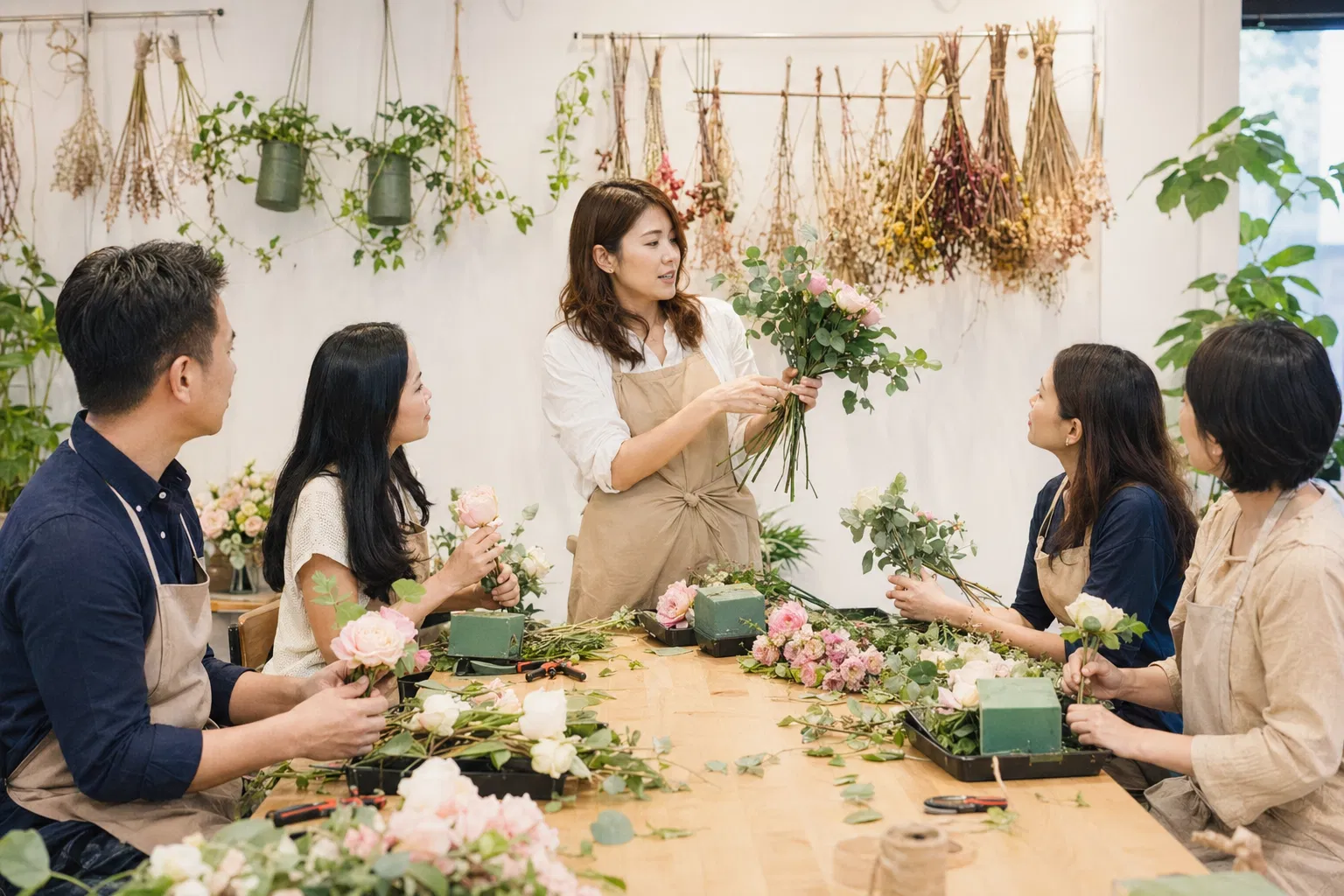
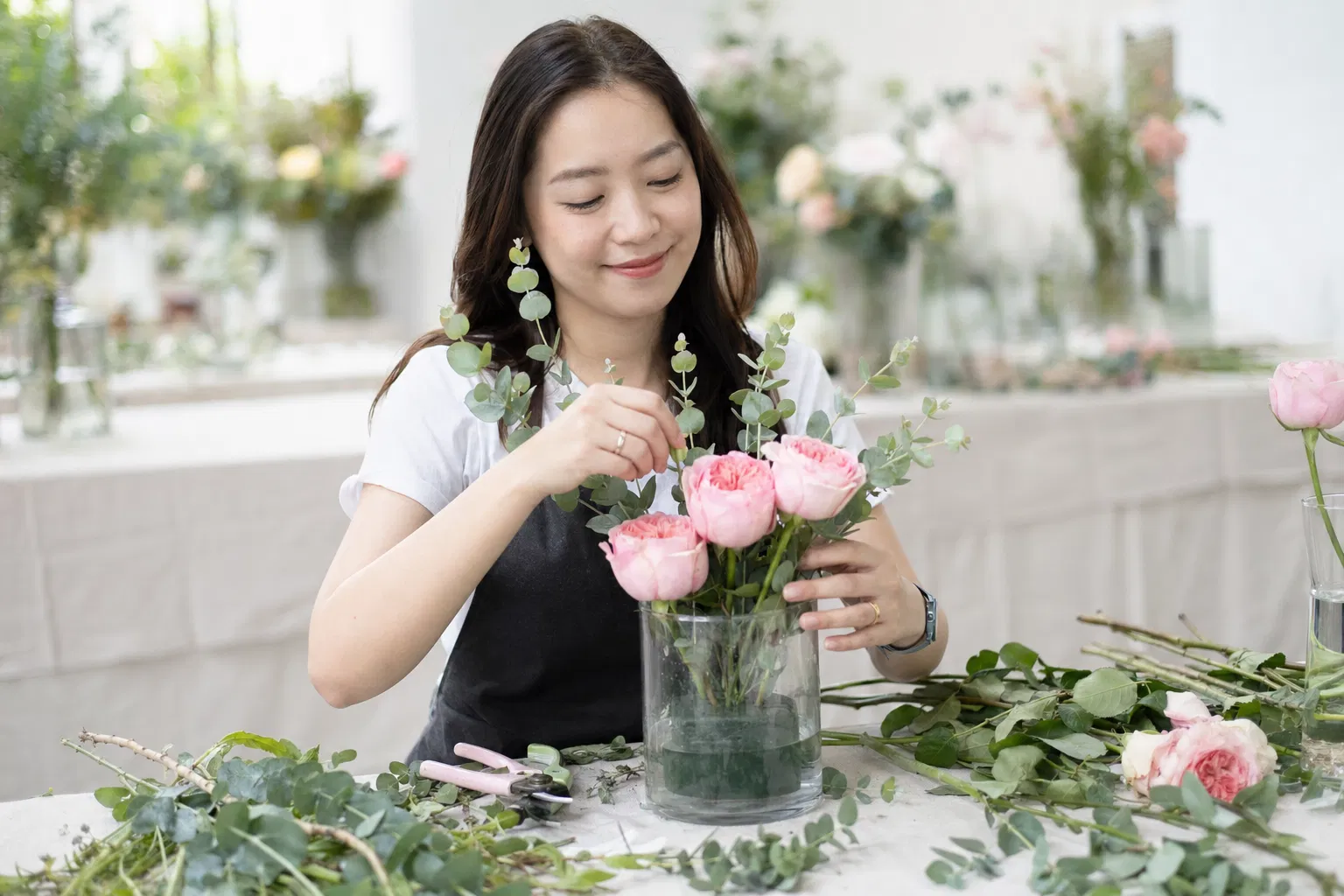
For skill development, ask whether the proposed format can devote time to cutting, conditioning, securing stems, balancing focal blooms with foliage, and finishing a piece. That is unlike an open-ended social session, where choice and conversation may take more of the schedule. Stating whether you prefer demonstrations, independent practice, or a blend of both gives the enquiry a useful starting point.
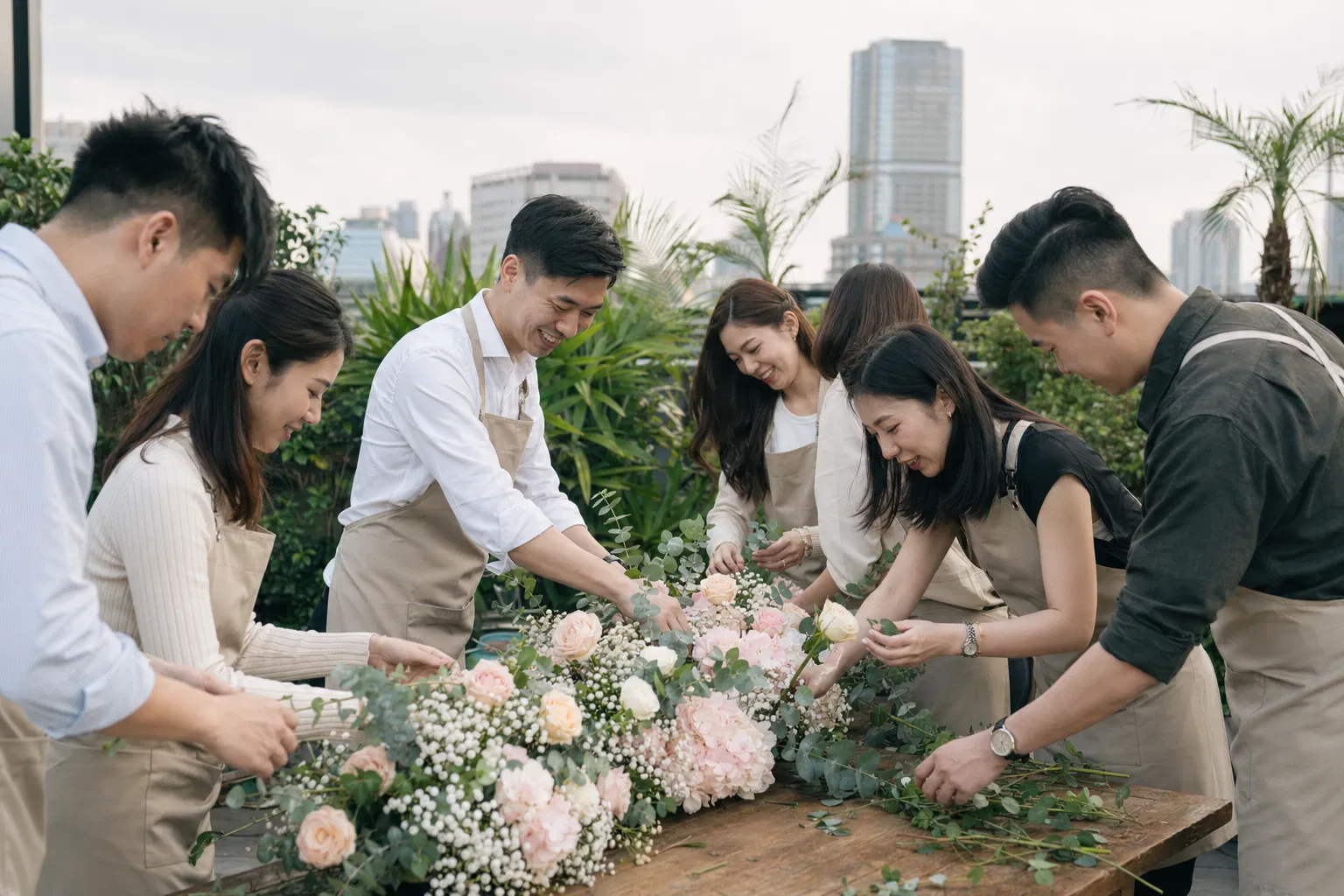
A school may frame the activity around observation, seasonal themes, or collaboration. A workplace or community group may prioritise conversation, shared tables, or a final display. These aims do not guarantee a lesson plan, but help identify suitable duration, layout, grouping, and closing needs.
Compare fresh, dried, and preserved materials
Fresh stems involve water and changing condition
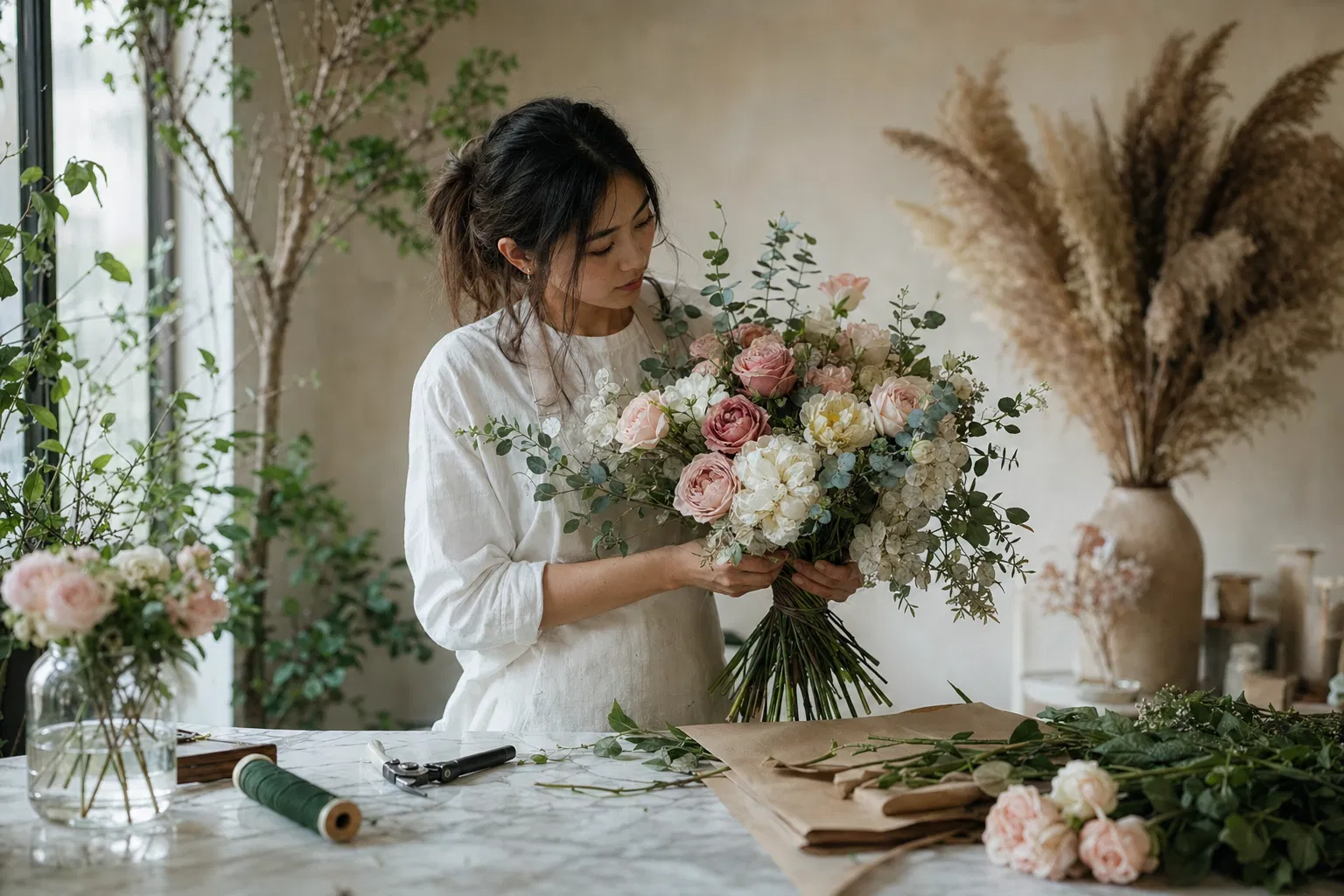
Fresh flowers offer natural movement, scent, and variation, and can support practice in trimming stems, arranging in water, and responding to each bloom's condition. Their availability, colour range, and vase life may vary with season and supply. A venue therefore needs a sensible place for water containers, plant offcuts, temporary storage, and cleaning; exact flower choices should be confirmed for the planned date.
Dried and preserved flowers bring other trade-offs
Dried flowers tend to highlight line, texture, and silhouette. They do not require changing water, but can be delicate when compressed or repeatedly handled. Preserved flowers have been treated to retain part of their appearance and softness, yet still benefit from being kept away from damp conditions and strong sunlight. Available varieties, colours, and fixing methods should be discussed rather than presumed.
Vessel choice affects both difficulty and result. A vase needs attention to height, balance, and water; a box or foam design needs fixing and surface protection; a small bottle limits the material selection. For younger or first-time makers, discuss tool size and sharp components before selecting the format.
Match the session to the skills people want to practise
Composition and colour guide what people notice
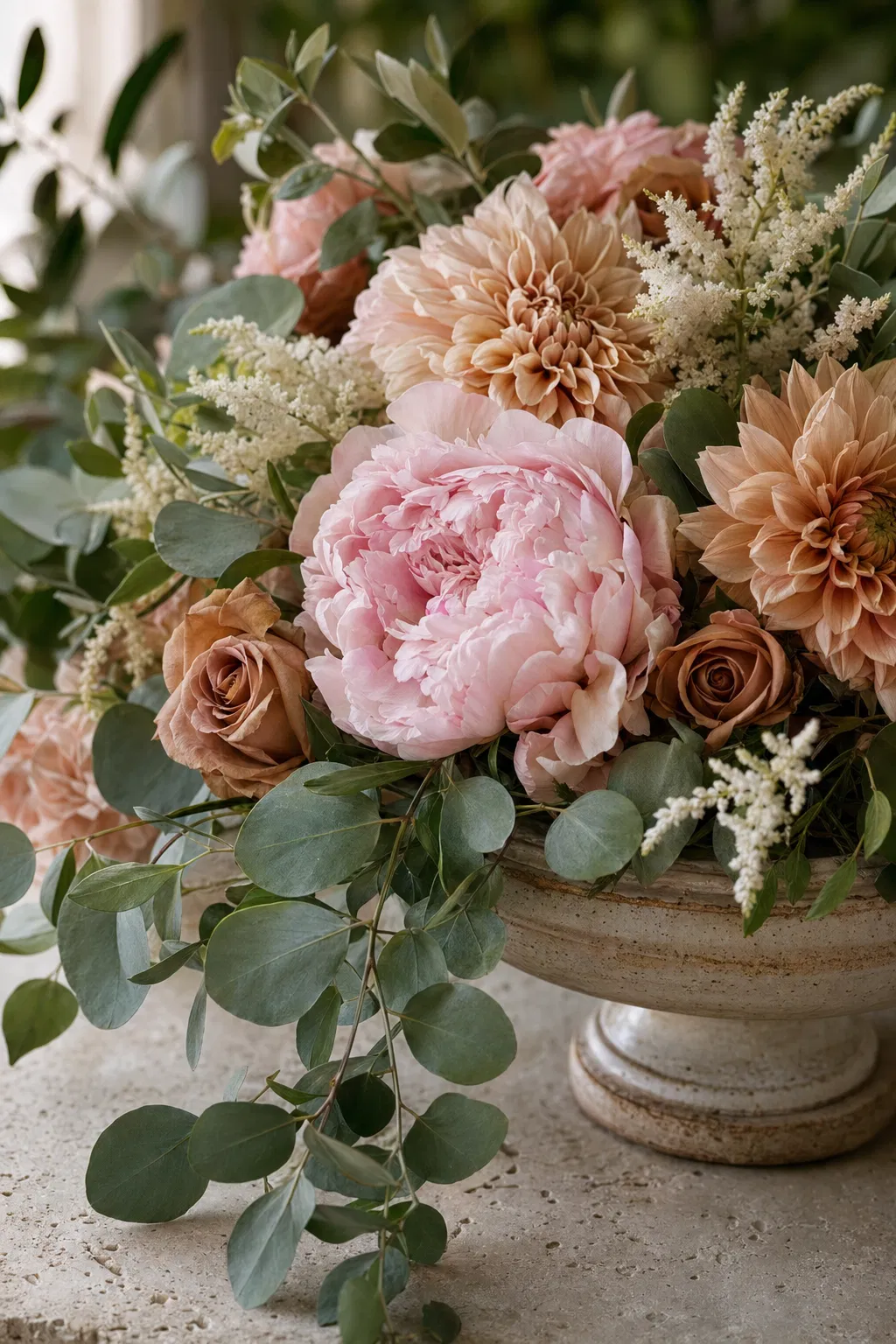
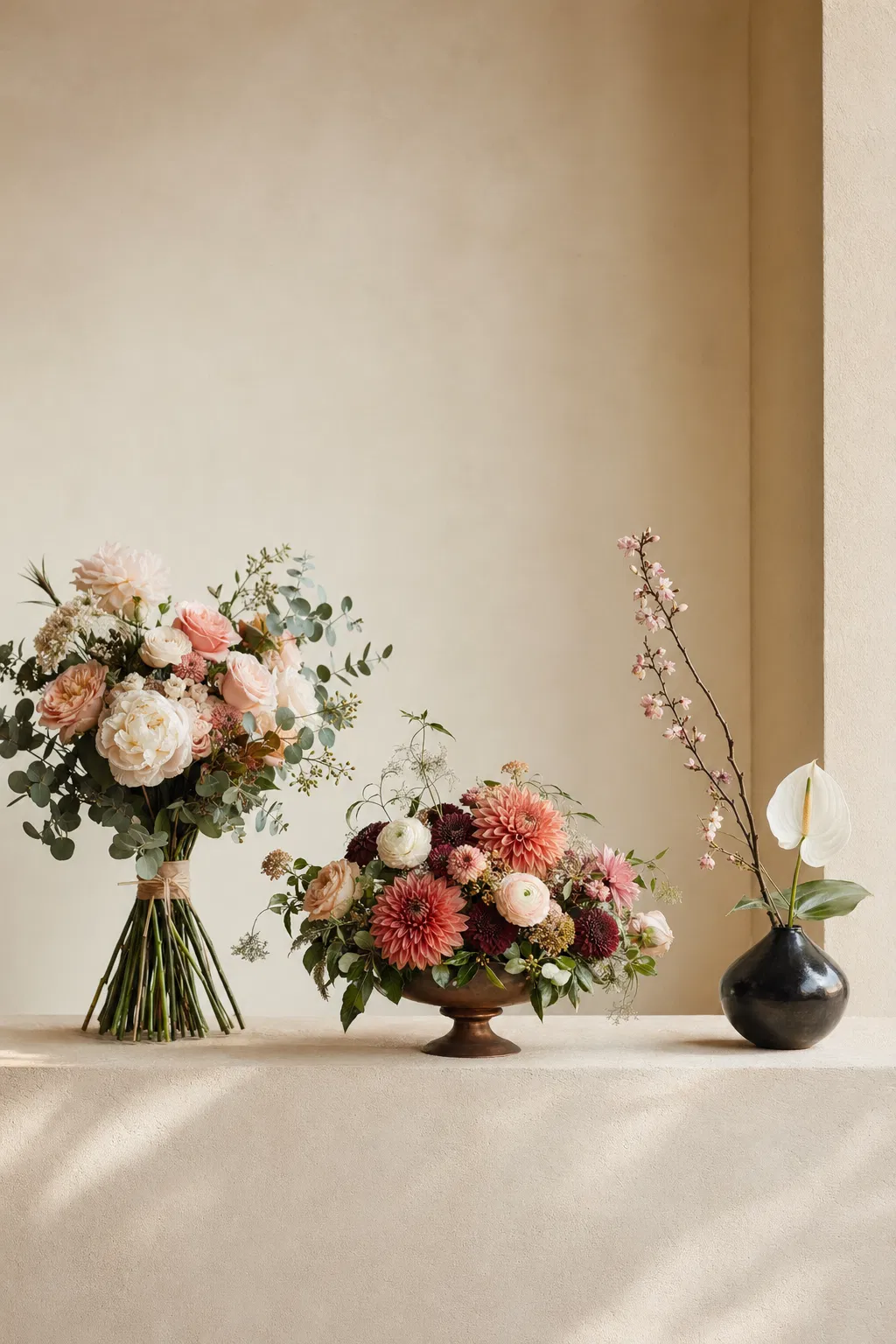
A useful beginner focus may be the roles of focal flowers, supporting blooms, foliage, height, density, and intentional empty space. Someone drawn to a contemporary arrangement might ask about line and negative space, while a celebratory brief may focus on palette, vessel, and wrapping. Listing one or two learning priorities avoids trying to fit every technique into one occasion.
Handling and finishing guide what people can do
Cutting angle, stem length, and the point at which a stem is secured all affect stability, but materials respond differently to pressure and tools. Newcomers may prefer a pace that separates demonstration from practice. People with prior experience can ask whether asymmetry, a limited palette, or more detailed structural adjustments are appropriate; the answer will depend on available materials and the agreed format.
Finishing also matters. Fresh work may need basic water and placement reminders, while dried or preserved pieces need protection from moisture, knocks, and dust. These are general care considerations, not a lifespan guarantee. Raise handling constraints in advance so they can be considered.
Adapt participation for schools, workplaces, and families
Schools need age-aware sequencing
For a school enquiry, provide year level, class size, lesson length, room layout, available tables, entry time, and the school's cleaning rules. Younger children may benefit from clearly separated steps, easy-to-hold tools, and more adult support, while older students may have time for observation, sketching, or thematic choices. Exact steps and materials should be agreed around the school's own conditions.
Groups and households need workable collaboration
A workplace group should decide whether the priority is a brief social pause, team collaboration, or an individual piece for each participant. Round tables, boardroom tables, standing areas, carpeted rooms, and shared venues differ in their need for surface protection, movement space, and water management. A time window and a photo or dimensions of the room are often more useful than a broad request for a team activity.
For a family booking, decide whether several ages will make one arrangement or smaller individual designs. Adults can manage cutting and water vessels while children choose, sort, and place suitable materials. Confirm language, adult supervision, and any take-home arrangement in advance.
Plan the venue and everyday safety before choosing details
Protect surfaces and keep a clear workflow
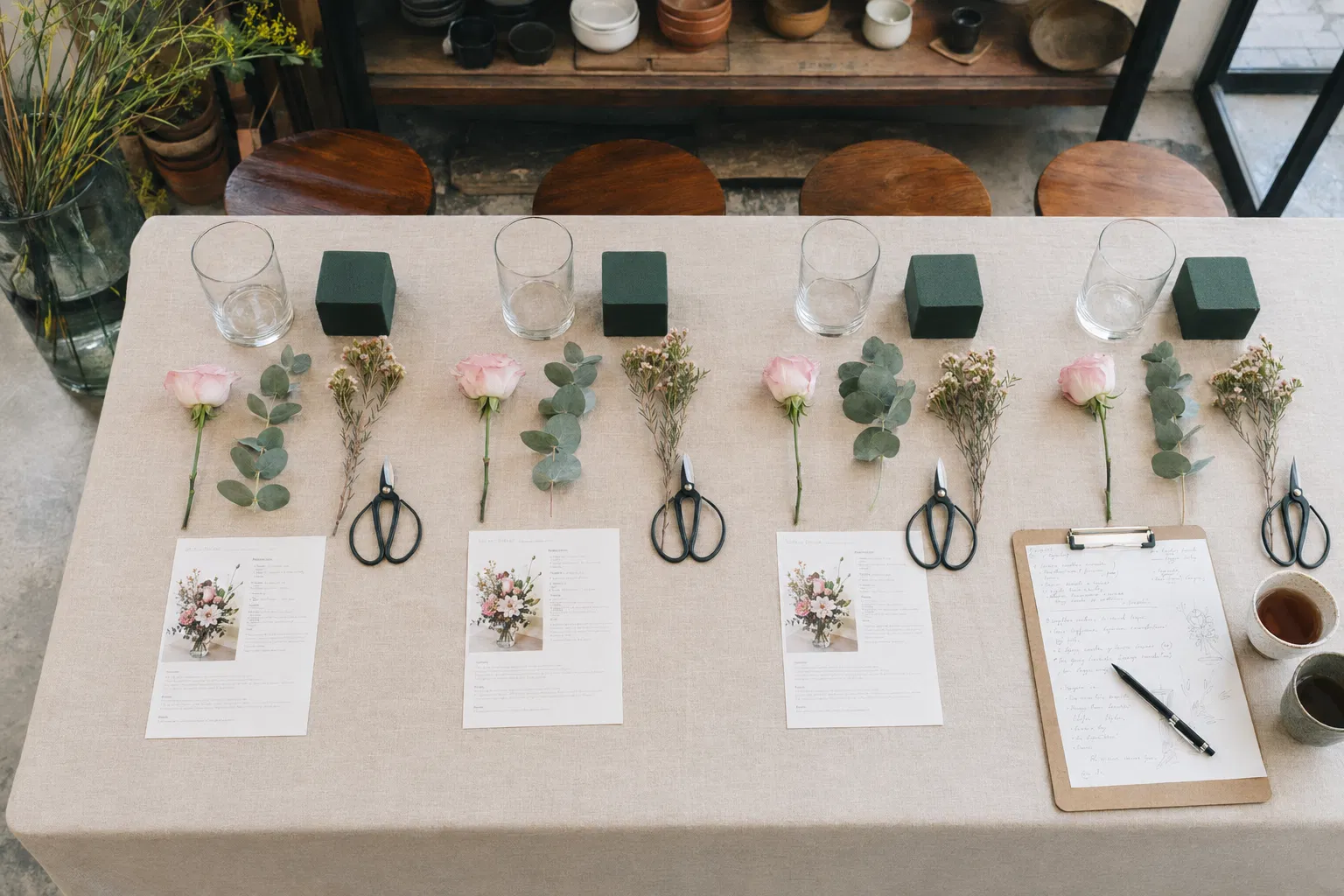
Flower arranging benefits from stable tables, good light, a level place for materials, and a practical area for clearing debris. If fresh stems and water containers are proposed, check whether the venue permits water, whether coverings or trays are needed, and how plant waste can be removed. Keep walkways open and dry where possible so containers are less likely to be knocked over during the session.
Use tools according to participant needs
Scissors, floral cutters, wire, and pins should be selected and explained in line with the group's age and confidence. A school, family, or organiser can flag in advance if participants need seating, access, or additional support so that tools and positioning can be discussed before arrival. This is safer and more workable than deciding only when the materials are already laid out.
Botanical materials may have scent, pollen, thorns, or sap. Participants can identify materials they prefer to avoid so options can be considered. This is a cautious planning step, not health advice. Include building access, cleaning, lifts, fire rules, and time limits where relevant.
Compare proposals beyond the finished-piece image
Time, headcount, and handover change the plan
A brief introduction and a fuller skills-based session require different amounts of demonstration, material allocation, making time, and clearing. When comparing options, ask whether the stated duration includes setup and cleanup, how many people share a table, whether participants work in groups, and whether there is time to introduce materials or photograph pieces. A headline duration alone rarely explains the experience.
Flexibility and learning depth are separate questions
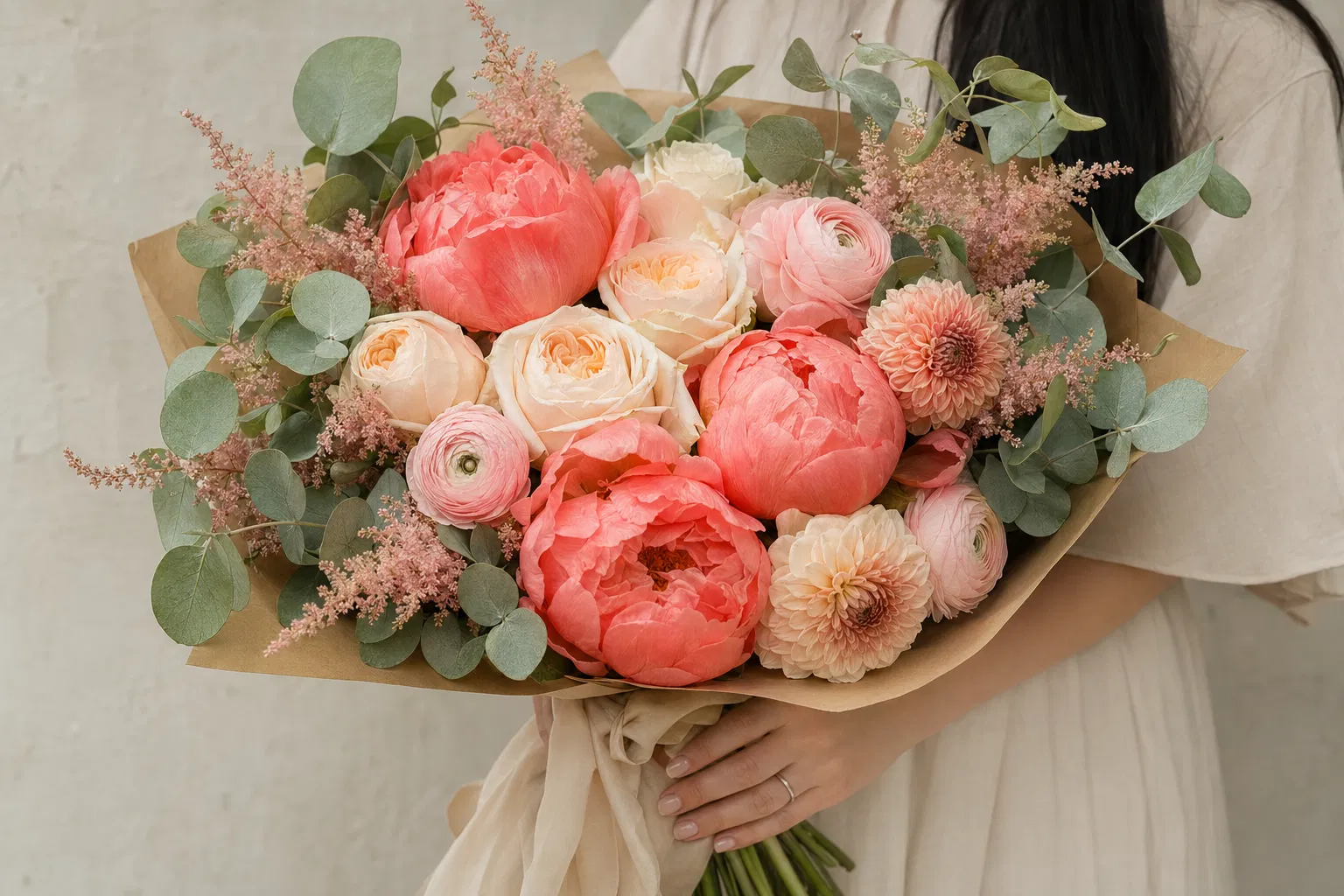
If taking home a piece matters, ask about the likely format, vessel or wrapping requirements, and how carrying it fits the venue and travel plan. If learning matters more, ask which beginner skills may be covered, whether explanations can be adjusted for age, and what basic care information can be shared after making. Actual inclusions should be confirmed in the response to the enquiry.
Price needs context: materials, quantity, delivery, venue, language, time, and group size may affect the arrangement. Share a budget range and essential requirements rather than request a fixed, unconfirmed package. If progression or certificate information matters, ask whether relevant options exist.
Send an enquiry that can lead to an executable plan
Give the practical facts at the outset
A useful first message states preferred and alternative dates, location, age range, participant count, creative purpose, budget range, teaching language, and a contact person. Schools and workplaces can add venue type, table layout, access time, and who will be present to support the group. This lets an organiser assess constraints instead of offering a generic answer detached from the site.
Confirm the details that should not be guessed
Add material preferences, such as fresh, dried, preserved, or a broad colour direction, together with any need to avoid strong scents or to support mixed-age participation. State whether the group imagines a shared arrangement or small individual pieces. Do not assume a certain flower, size, or process is always available; supply, date, and venue conditions need to be reviewed before a specific design can be discussed.
Before confirming, check the estimate scope, final date and duration, headcount limits, tools, surface protection, take-home method, access, and cleaning. Put requests about difficulty, language, later learning, or certificate information in writing. Fees, availability, materials, outcomes, and any further arrangements remain subject to enquiry confirmation.
For a school planning an optional making period with clear practical boundaries, astress-relief workshop Hong Kongcan be discussed alongside class timing and teacher support.
If a gift piece must be carried and displayed, ask a preserved flower workshop Hong Kong provider about vessel size, packaging, and handover arrangements.
When an open day needs a creative station that people can complete together, compare the materials and take-home arrangements for anart workshop Hong Kongbefore choosing a format.