Start with the purpose, then select a format
A social event, learning session, and keepsake call for different choices
Fragrance activities can serve different purposes. A birthday gathering may value easy conversation and a personal memento; a school arts extension may prioritise sensory observation, vocabulary, and creative choices. A workplace gathering can use shared scent impressions for discussion. Naming one primary purpose prevents bottle appearance or a popular aroma from leading the plan.
Match the pace to the people taking part
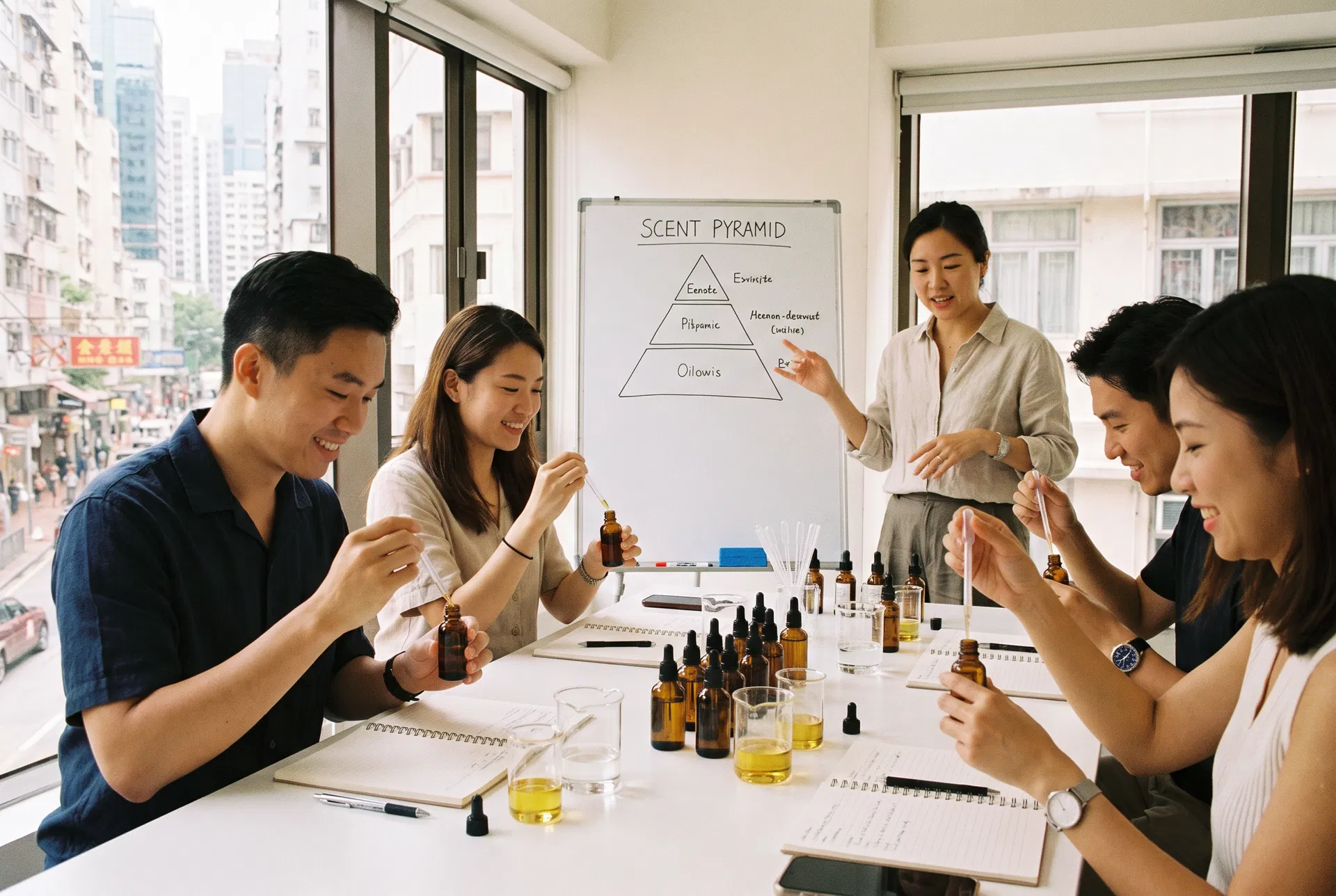
For a group that wants to understand top, heart, and base directions, ask whether time can be allocated for smelling, comparing, noting choices, and reviewing a simple blend. For a casual gathering, compare whether each person’s steps are straightforward, whether the tables leave room to talk, and whether labels can relate to the occasion. Do not assume that every format includes the same stages; the proposed flow needs confirmation for the enquiry.
Children, first-time adult participants, and people who already enjoy fragrance need different levels of explanation. Share the approximate age range, language needs, and whether carers will attend, then ask what pace may suit the group. An adult-style discussion of formula choices should not simply be transferred to a younger group without considering attention span and supervision.
Understand materials and the skills behind scent choices
Scent families create a practical starting point
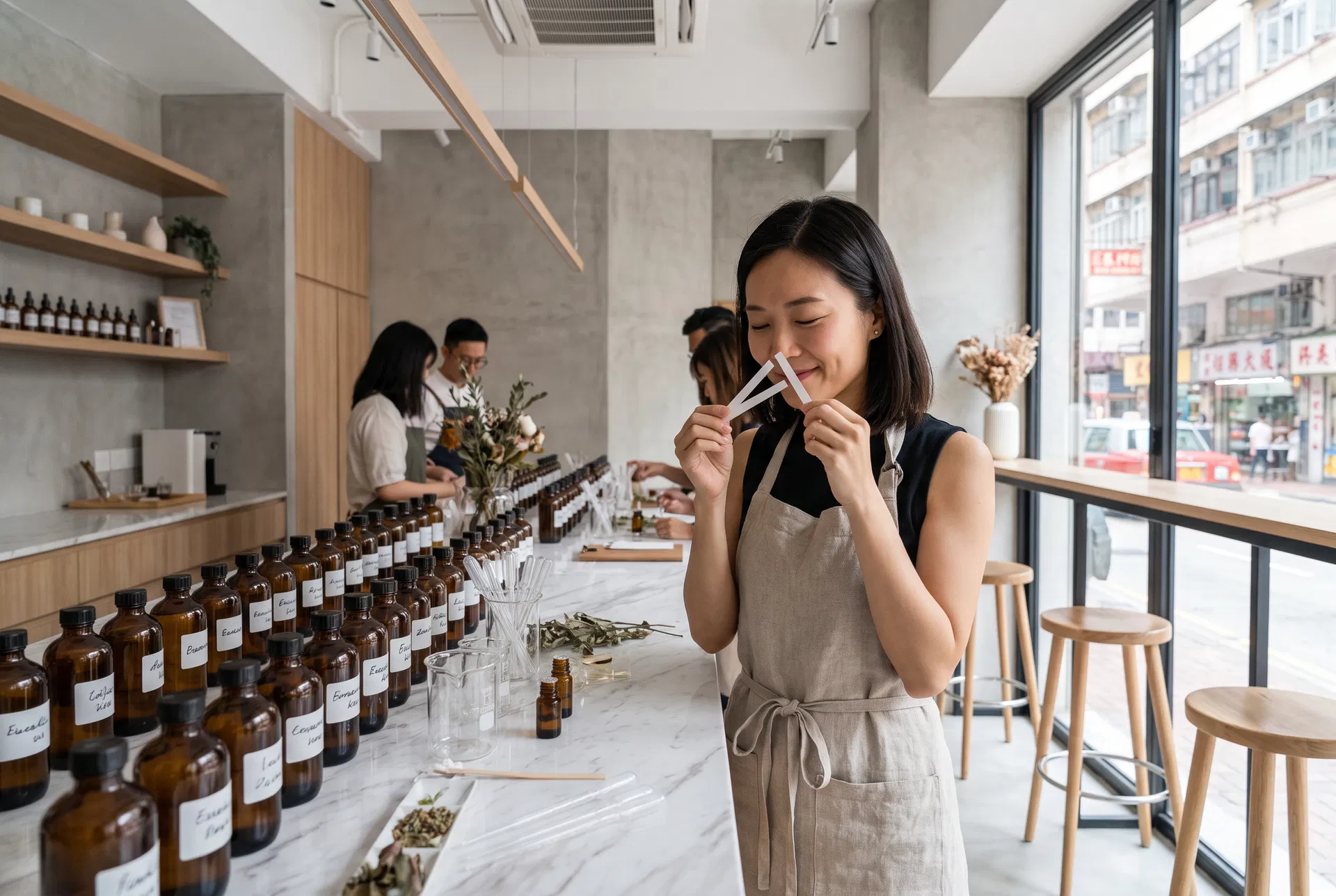
Planning can begin with broad directions such as fresh citrus, floral, herbal, woody, fruity, or warmer spicy impressions, rather than with a request to reproduce a named perfume. A scent may register differently on a paper strip, in the room, or near clothing. Ask how samples are identified, whether testing strips are used, and whether the material options are appropriate for the age group and setting. Actual stock, quantities, and handling methods must be confirmed for the date.
Observation and note-taking matter more than complexity
A beginner-focused session may emphasise noticing preferences, using words to explain an impression, and comparing a small number of directions. A longer arrangement might allow for base concepts, a creative theme, smelling order, and a simple record of choices. None of these elements should be treated as guaranteed. The better comparison is whether the learning aim is realistic for the group’s available time and attention.
Material transparency is worth discussing with the organiser. Enquire about the general material categories, any dilution or carrier involved, whether an alcohol base or another medium may be handled, and what instructions are given on site. These questions help a school, parent, or coordinator prepare under its own requirements; they are not a substitute for personal or professional advice.
Compare perfume creation with other craft activities
The medium changes the participant experience
Perfume creation centres on scent selection, proportion, and a personal idea. The resulting item is usually compact, which can suit groups seeking an individual fragrance memory. Unlike painting, pottery, or leather activities that rely mainly on visual and tactile work, it places more emphasis on managing ambient smell and the pace of smelling. Drying space and transport for a large object may be less central, but that does not remove the need for a suitable setup.
Choose for the environment, not a trend
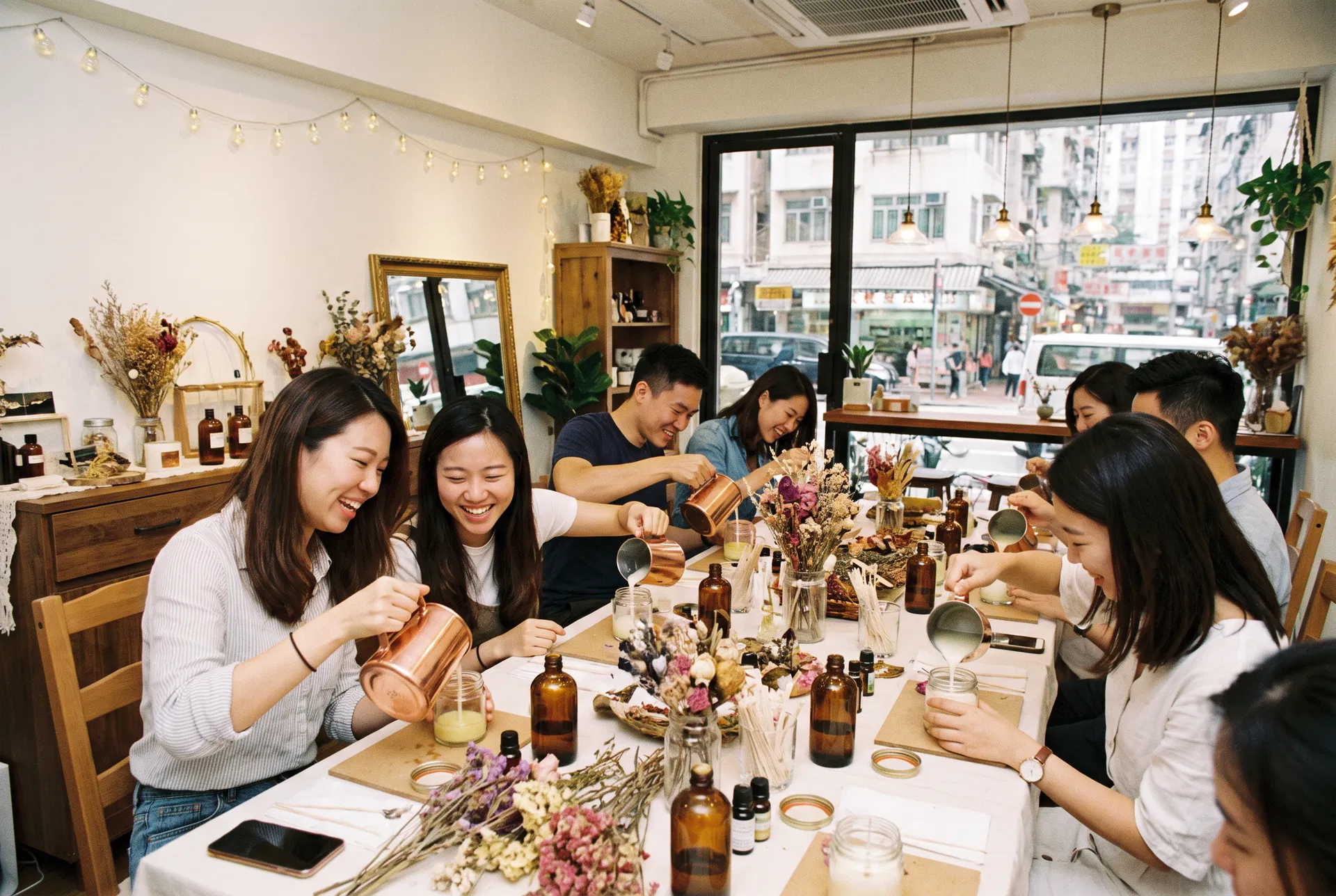
It is also distinct from candle making. A candle activity may involve wax, containers, setting time, and heat-source management, whereas fragrance blending calls for attention to scent materials, measuring, mixing, and sealing instructions. Both may contain aromatic elements, but venue needs, product handover timing, and operational considerations differ. Ask about each activity separately rather than carrying assumptions from one to another.
If a team needs everyone to finish together, compare which steps can happen in parallel, how long people may wait, and how many work surfaces are available. If a school values reflection, ask whether describing scents, sharing choices, and collecting notes could fit the plan. For a short family outing, clear arrangements for collection and home storage may be more useful than a lengthy technical explanation.
Plan around Hong Kong school, workplace, and family conditions
Schools need age-appropriate logistics
A school coordinator can begin by checking year level, number of learners, lesson length, visitor and material rules, Cantonese, English, or Putonghua needs, and whether classes would rotate. For an on-campus arrangement, share the available room, desks, hand-washing access, ventilation, and setup or clearing time early so feasibility can be considered. The final on-site process, material list, staffing, and timetable all require confirmation.
Workplaces and families need a workable participation pattern
A workplace activity does not need to be framed as a sales exercise or a promised team outcome. It is more useful to state the desired participation style: small-group discussion, individual making, or a relaxed after-work session. Then check the available time, headcount, entry arrangements, ventilation, internal purchasing process, and any request for bilingual facilitation, name labels, or an event theme. Each detail remains subject to the proposed arrangement.
Families, friends, and mixed-age groups should consider whether carers can attend, how long children can stay engaged, and whether the venue has accessible routes, waiting space, and a smooth departure plan. Tolerance for stronger or lighter aromas varies. Inform invitees that smelling is involved and give them a route to raise questions in advance, which is usually more considerate than changing the format at the last minute.
Put ventilation and everyday safety planning first
Set up a room for smelling and making
A suitable venue generally has ventilation, stable worktables, adequate lighting, and clear routes in and out. Avoid positioning a smelling activity beside meal service, powerful existing odours, or a crowded passageway. If the venue restricts sprays, alcohol-based products, open flames, or specified materials, tell the provider before booking rather than trying to resolve the issue on arrival.
Use conservative participation practices
A coordinator can ask about container labels, pouring instructions, spill protection, cleaning supplies, and supervision guidance. Participants should follow the on-site instructions, avoid mixing liquids that have not been explained, spraying towards another person, bringing materials near the eyes, or eating and drinking while handling them. These are cautious event-planning measures, not medical guidance; individuals should make decisions appropriate to their own circumstances.
When colleagues, pupils, or family members may have scent concerns, invitations can describe the smelling and material-handling elements and provide a contact point. Ask whether a lower-exposure seat, shorter smelling period, or another participation route may be possible. Such options cannot be presumed to suit everyone, so discuss them with the provider and the participant in the context of the event.
Confirm the product, label, and handover plan
Bottle choices affect transport and storage
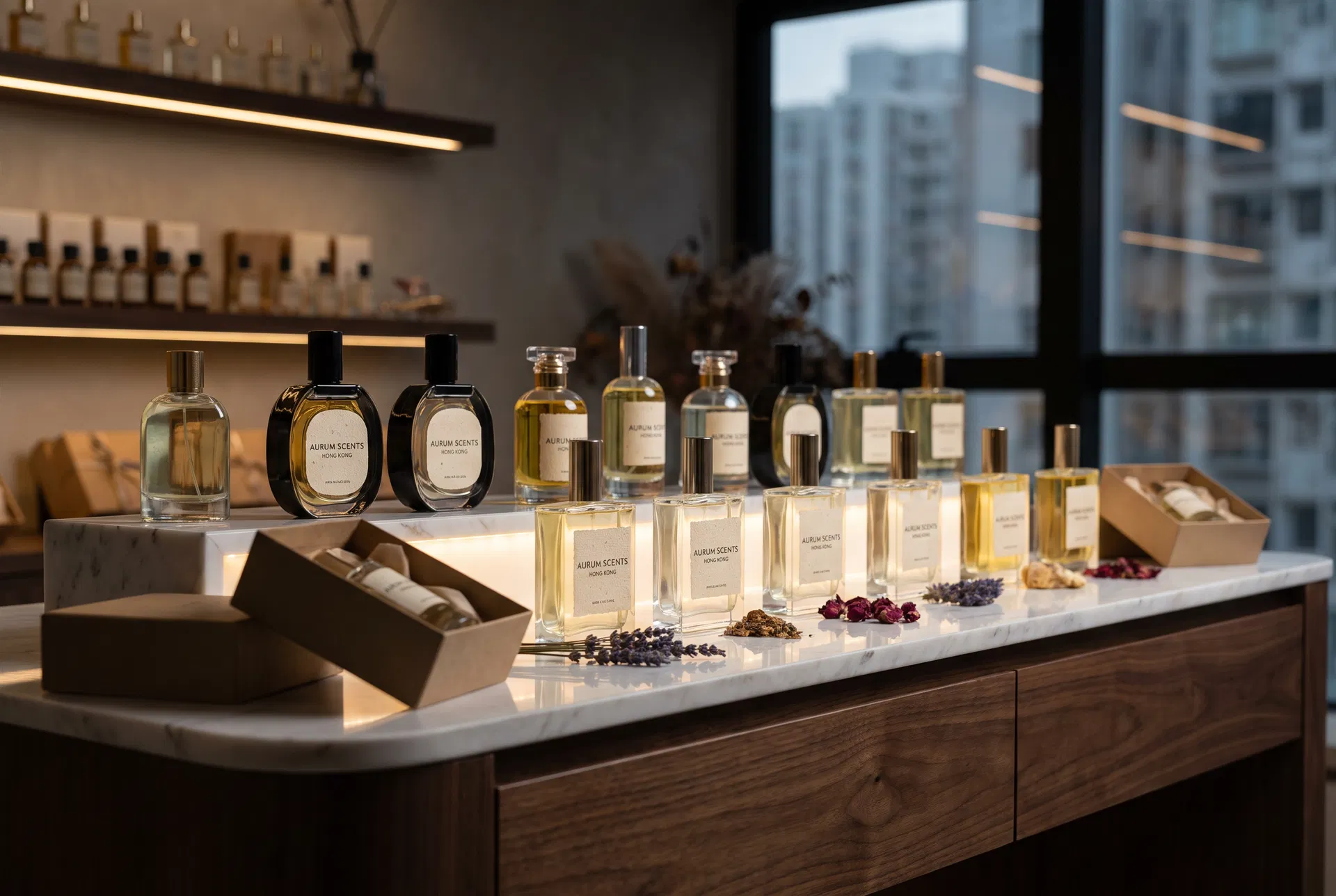
A finished item involves more than an attractive bottle. Ask about volume, spray or rollerball format, label information, whether a blend needs time before use, and carrying it home. Containers, packaging, and personalisation can change with numbers and timing, so use a written response as the reference.
Treat handover timing as an enquiry item
Some groups value taking an item away on the day, while others value a record of their scent choices or creative idea. Directly ask whether handover can happen that day, whether later collection could be considered, whether each participant receives one item, who handles packing, and what happens if someone is absent. Experience with another craft should not be used to infer the answer.
For a school display, workplace gathering, or family celebration, work backwards from the required date. Ask for general storage information and available label details, so responsibility for carrying, distributing, and storing items is clear.
Use an enquiry checklist to compare feasible options
Give complete basics in the first message
A first enquiry is more useful when it includes preferred and alternative dates, location, expected attendance, age range, purpose, budget range, required language, and available duration. For a school or workplace venue, add ventilation, tables, power, access, setup, and clearing limitations. Complete information lets a provider explain what may fit the conditions instead of offering a generic suggestion.
Confirm every detail that cannot be assumed
In the next exchange, confirm possible scent or material directions, how individual making and demonstrations might be organised, minimum or maximum numbers, facilitator and support staffing, venue requirements, product format, handover timing, and the applicable conditions for cancellation or rescheduling. Fees, dates, capacity, and any additional provision are not fixed assumptions; ask for a quotation and written confirmation for the specific request.
Finally, weigh options against purpose, time, participant needs, and venue feasibility rather than a single price. Keep confirmed points separate from open questions, and ensure the responsible school, workplace, or family has the same version before the event.
After a school has listed ages, lesson periods, and room details, it can contact a preserved flower workshop Hong Kong provider to discuss whether materials and workflow are suitable.
After comparing fresh and dried materials, a flower arrangement class Hong Kong can better match the intended display and handling needs.
When an open day needs a creative station that people can complete together, compare the materials and take-home arrangements for anart workshop Hong Kongbefore choosing a format.