Quick answer
For a focused, flowing activity, consider a calligraphy workshop; for repeated shapes and patterns, try Zentangle. Neither requires you to assume a particular result: the experience depends on the session and your preferences. Before booking, check the format, length, group size, materials, venue and total cost with the provider. For a group event, also ask how the activity will be adapted to participants and what practical arrangements are included.
How to choose among stress relief workshop recommendations
Start with the experience you want
A workshop can be a structured way to try something creative, learn a simple activity or spend time with other people. It is not automatically a remedy for stress, and people respond to activities differently. Treat “relaxing” as a possible personal experience rather than a guaranteed outcome. If you are choosing for yourself, think about whether you would rather practise controlled strokes, build patterns, work with plants or make something alongside others.
Keep expectations realistic
The setting matters too. Some people prefer a quiet, individual task; others enjoy a group activity and the conversation around it. Consider whether you want a one-off introduction or a series, whether you are comfortable following a demonstration, and how much time you can set aside. For families or colleagues, ask whether the session is designed for the ages and group dynamics involved instead of assuming one format suits everyone.
Compare stress relief workshop recommendations by practical details
Use stress relief workshop recommendations as a starting point for questions, not as a ranking of proven results. Ask what participants actually do, how much instruction is involved and whether there is time to work at an individual pace. The organiser should confirm the current session details, including availability and any conditions. A short description or attractive photograph cannot tell you whether the activity, teaching style or venue will suit you.

What to expect from a calligraphy workshop
A measured activity with brush and ink
Calligraphy centres on the movement and placement of marks, so the activity may appeal if you enjoy rhythm, form and close attention to a page. A beginner session might introduce tools and basic strokes, but the actual content varies by organiser. Ask whether the focus is on a particular calligraphy tradition, lettering style or finished piece, and whether the session is suitable for complete beginners before you book.
Ask what your calligraphy workshop provides
Do not assume that materials are included. Confirm whether brushes, ink and paper are supplied, whether you need to bring anything, and whether materials can be taken home. Also ask about clothing or workspace considerations if ink may be used. These are practical checks, not reasons to expect a particular result: an organiser can explain the arrangements for the session you are considering.
Consider the learning style
A calligraphy workshop may suit someone who likes a guided activity with visible, deliberate strokes. It may be less appealing if you want open-ended group making or prefer to work without close attention to technique. Beginners can ask how the instructor introduces the activity and whether there is room to practise without aiming for a polished result. FlintHub Academy's calligraphy workshop page is one place to check for activity-specific details; confirm current arrangements directly.

Zentangle: a pattern-based drawing activity for beginners
Repeated lines and shapes
Zentangle is commonly described as a drawing approach built around repeated lines and patterns. That makes it an option to explore if you enjoy working with small details and developing a design gradually. As with any workshop, the exact prompts, materials and teaching style depend on the organiser. Ask what a participant will do during the session rather than relying on a broad label alone.
No drawing background assumed—but check the format
A drawing background may not be necessary for an introductory activity, but do verify the intended level and ask how the facilitator supports first-timers. Find out whether the session is demonstrated step by step, whether participants follow shared prompts or create their own patterns, and whether there is a finished piece to take away. The answers will help you decide whether the structure sounds comfortable and interesting to you.
Enjoy the process, not a promised outcome
Some people find repeated mark-making absorbing; others may prefer a more varied activity. There is no need to treat the process as meditation or to expect it to relieve stress. FlintHub Academy's Zentangle information can help you explore the topic, but check the specific session details with the provider. If you are booking for a child or a group, ask whether the activity and pace are suitable for the participants.

Other creative and mindful activities to compare
Art Jamming and flower arranging
Calligraphy and Zentangle are not the only creative options. Art Jamming may appeal if you want a more open-ended making session, while flower arranging offers a different mix of design and hands-on work. The format, guidance and materials can vary, so ask what is included and whether participants follow a set theme. Do not assume that a named activity will be quiet, unstructured or suitable for every group.
Sound-based or scent-making sessions
Singing-bowl meditation and scented-candle making are other categories to explore. Their availability, format and materials need to be checked with each organiser. For any activity involving equipment, substances or a particular environment, ask what the session entails and what participants are expected to do; avoid relying on broad wellness descriptions as a substitute for clear practical information.
Choose by format, not by claims
A useful comparison is to focus on what you will be doing, how much instruction you want and whether you prefer individual or shared work. FlintHub Academy's stress relief workshop information is a starting point for exploring the topic, not confirmation that every listed activity is currently offered. Ask the provider which options are available and request details for the particular date, group and venue you have in mind.

Choosing a workshop for individuals, families or work groups
For an individual booking
For an individual, the main questions are often about level, pace and time commitment. Check whether the session is a single event or part of a series, how long it lasts and whether places are available on your preferred date. If you are new to the activity, ask what beginners can expect and whether instruction is provided throughout. Avoid assuming that a description of a class applies to every session.
For family participation
Families should confirm age suitability, whether adults and children take part together, and whether each participant needs a separate booking. Ask about the activity's expected pace, the materials provided and any venue arrangements relevant to your group. A shared creative task may give family members something to do together, but it cannot guarantee a particular effect on communication, confidence or wellbeing.
For a workplace or school event
For a school or workplace event, clarify the group size, intended age range, event length and room requirements. Ask whether the organiser can adapt the activity to your objectives and what that adaptation involves. Do not presume that a workshop includes a facilitator for every group, travel, materials or a particular wellness outcome. Request a written outline of what is and is not included before making a decision.
What to confirm before booking, including cost and materials
Get the session details in writing
Before committing, confirm the activity, date, start and finish times, venue, group size and level. Ask whether the session is open to individual bookings or arranged for private groups, and whether the organiser can meet any requirements you have. These details can change between events, so rely on the information given for the specific booking rather than general descriptions elsewhere.
Ask for a complete price
Prices can vary by activity and booking arrangements. Ask the provider for the full price for your session and whether it is charged per person or per group. Check whether materials, venue costs or other items are included, and whether any minimum group size applies. Do not treat an estimated figure as a confirmed quote.
Check changes and cancellation terms
Ask how to reserve a place, when payment is due and what happens if you need to change or cancel. The available payment methods, refund conditions and rescheduling options should be confirmed directly; they should not be assumed from a general booking description. For a corporate or school enquiry, request a written proposal with the planned activity, timing, participant numbers, inclusions and any additional costs clearly set out.
Planning a creative wellbeing event in 2026
Match the activity to the event
If you are planning ahead for 2026, begin by defining what you want the event to offer: an introduction to an art form, a shared activity, or a quiet change of pace during a busy day. Then compare options against the available time, participant interests and venue. A short, hands-on session and a longer guided class are not interchangeable, so ask the organiser to describe the proposed format in concrete terms.
Set expectations with participants
Tell participants what the activity involves and whether it is beginner-friendly, whether anything needs to be brought along and how long the session is expected to last. Avoid promising that an event will reduce stress or improve team relationships. A more accurate invitation explains the creative activity and leaves room for people to decide whether it interests them. For mixed groups, ask about alternative formats or participation expectations.
Review the plan before confirming
Before confirming, review the final arrangements with the provider: date, venue, group numbers, materials, cost, cancellation terms and the named contact for questions. Ask what would happen if the format needs to change. Planning for 2026 is a useful horizon for comparing options, not evidence that a particular event or service is available. Confirm dates and arrangements directly before sharing them with your group.
Questions about stress relief workshop recommendations
Do I need to bring tools to a calligraphy workshop?
That depends on the organiser and the session. Ask whether brushes, ink, paper or other materials are supplied, whether there is anything you need to bring, and whether materials can be taken home. Confirm the answer for your specific booking rather than assuming that all workshops provide the same items.
Which is more relaxing: Zentangle or calligraphy?
There is no universal answer. Zentangle involves repeated patterns, while calligraphy focuses on strokes, rhythm and lettering. Some people may prefer one style of activity, but the experience is personal and depends on the session. Choose based on the activity you would like to try, not a promise that one is more effective.
What types of stress relief workshops can I look for?
Options mentioned in this guide include calligraphy, Zentangle, Art Jamming, flower arranging, singing-bowl meditation and scented-candle making. Availability and format vary by provider. Ask what a specific session involves, what is included and whether it suits your group before booking.
Do I need drawing experience for a Zentangle workshop?
A beginner-focused session may not require previous drawing experience, but check the stated level with the organiser. Ask how the activity is introduced, what guidance is provided and whether participants follow set patterns or make their own. You do not need to expect a particular finished result to take part.
Are these workshops suitable for corporate team-building?
A creative activity may be considered for a workplace event, but suitability depends on the group, session and event goals. Ask the provider about group size, duration, venue needs, activity format and any adaptations. Do not assume that a workshop guarantees stress reduction or improved teamwork.
How much does a stress relief workshop cost?
Ask the organiser for the current price for your date, group size and activity, and check whether materials, venue costs or other charges are included. Confirm whether the price is per person or per group, and treat estimates as provisional until you receive a quote.
Prepared with AI assistance and local editorial adaptation. This is planning guidance, not a record of a delivered event. Confirm current arrangements directly; images are references and do not verify a particular class or event.
For a gathering centred on quiet, individual canvases, enquire whether Art Jamming Hong Kong can suit the planned media, timing, and venue conditions.
After table protection, resting space, and collection arrangements are checked, a fluid art workshop Hong Kong may be easier to fit into the venue flow.
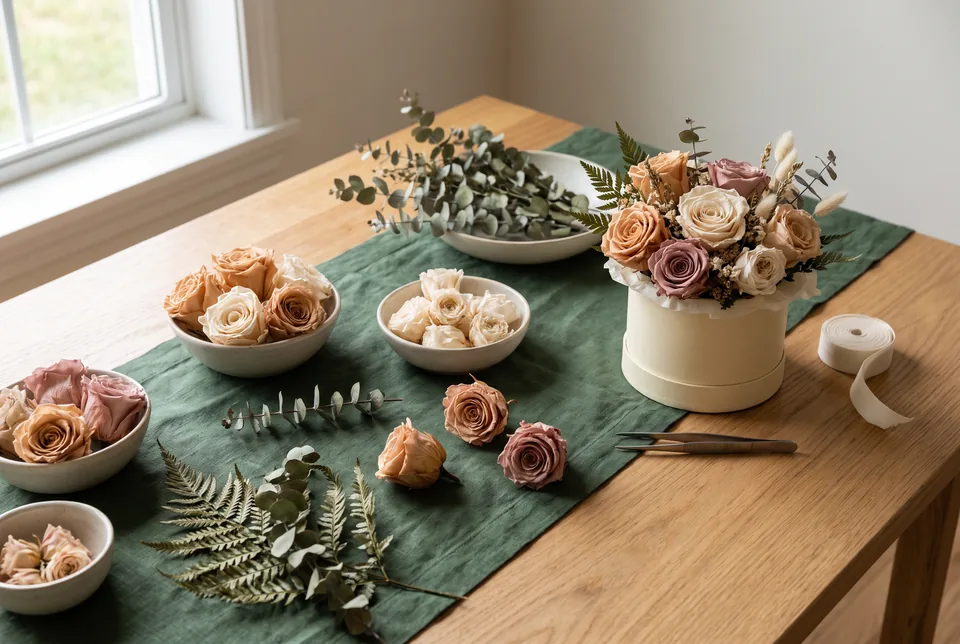
If a gift piece must be carried and displayed, ask a preserved flower workshop Hong Kong provider about vessel size, packaging, and handover arrangements.