
Quick answer
For a couples’ craft workshop, start with the kind of activity you both enjoy: leatherwork for a practical object, candle-making for choosing a scent, or metalwork for a jewellery project. Before booking, ask the provider to confirm the current price, session length, what is included, whether you can make matching or shared pieces, and any age or venue requirements. Published examples and prices can vary, so treat them as a starting point, not a quote.
Three workshop styles to consider for a date
A leather workshop for a useful keepsake
The best couples’ craft workshop is not necessarily the one with the most impressive finished object. It is the one whose pace and activity suit both people. Consider whether you would rather concentrate on shaping a material, make choices together, or learn a new skill with guidance. If one person prefers practical projects and the other enjoys visual or scent-based decisions, compare the activity itself rather than choosing by the finished item alone.
Candles: a sensory, collaborative project
A leather workshop may involve making a small accessory, such as a wallet or bracelet, depending on the provider’s current project and format. It can appeal to couples who like functional keepsakes and enjoy choosing details. Ask what item is included, whether there are design options, and whether personalisation such as initials is actually available. The source guide suggests that some providers offer engraving, but this is not a universal feature and should be confirmed before you book.
Metalwork: jewellery with a personal design
Candle-making centres on scent and presentation, so it may suit couples who enjoy comparing fragrances and making decisions together. Ask which choices are offered, whether each participant makes an individual candle or you work on a shared one, and how the finished item is presented or collected. A metalwork class focused on jewellery may be a better fit if you want to discuss a design together. Confirm the project and what techniques are included; do not assume every session makes rings.

Compare timing, price and what is included
Treat published figures as estimates
The original guide gives indicative per-person ranges of HK$400–800 for leatherwork, HK$600–1,200 for metalwork and HK$250–500 for candle-making. These are not verified current prices, and the source does not establish what is included in each range. Use them only as an initial comparison when planning for 2026, then request a current quote directly from the provider. A higher fee does not automatically mean a better experience or a more valuable finished piece.
Check the full session length
Session length can differ by project, class format and provider. The source guide suggests around three to four hours for making rings, but this should not be treated as a standard duration or a confirmed schedule. Ask how long the activity itself lasts, whether an introduction or design discussion is included, and whether any finishing or collection happens later. Allow time for travel and avoid booking another fixed activity immediately afterwards if the workshop’s end time is not confirmed.
Ask what the fee covers
Compare like with like by asking whether the stated fee is per person or per couple and what materials, instruction and finished items are included. Check whether there are extra charges for a particular design, personalisation or additional item. Also ask about group size, language of instruction, booking deposit and cancellation or rescheduling terms. These details may vary; do not rely on a general price list or assume that a particular payment method or flexible refund policy is available.

How to choose an activity you will both enjoy
Start with shared interests and different skill levels
Before looking at dates, each person can name what they would most enjoy: working with a tactile material, exploring scent, or making jewellery. Then compare preferences and agree on a session that gives both people a meaningful role. A date should not depend on either person having previous craft experience; ask the provider whether the listed project is suitable for first-timers and whether support is available throughout the session.
Decide between matching and individual pieces
Decide whether you want to make two separate items, create matching designs or collaborate on one piece. Matching rings or coordinated accessories may sound appealing, but not every provider allows couples to customise projects in that way. Ask whether both participants follow the same design, whether individual choices are possible and what happens if one person needs more time. For a shared candle project, check whether the class format supports joint decisions or supplies one item per participant.
Think about the keepsake you want
Think about how you will use or remember the finished work. A wallet or bracelet may be practical; a candle may be tied to a scent you choose together; jewellery may mark an occasion. These are possibilities, not promised outcomes: materials, designs and finishing vary. If the finished item is important to your plans, ask about dimensions, available options, collection arrangements and whether the item is completed during the session. This helps avoid choosing an activity based on an image that does not match the actual class.

Questions to ask before you reserve a couples’ craft workshop
Confirm the project and booking details
Start by asking for the current session description, date, start and end times, per-person price and minimum or maximum group size. Confirm whether both people need to book separately and whether places are available for your preferred date. If you are planning around an anniversary or other fixed occasion, check what happens if a session is changed or cancelled. Request the provider’s own written terms rather than assuming that rescheduling or refunds are available.
Check access, language and venue information
Ask where the activity takes place and whether the venue suits your plans for the day. Confirm the address, arrival instructions, accessibility information and whether the session is conducted in English or another language you are comfortable with. If the provider offers off-site sessions, verify that this applies to the particular activity and date.
Understand the provider’s terms
Ask what you need to bring, what the provider supplies and whether any age restrictions or other participation conditions apply. For an activity involving tools, heat or other specialist materials, ask the provider to explain its arrangements and any relevant requirements; do not infer that every venue, project or session has the same setup. Clarify the cancellation, late-arrival and collection policies before paying. The aim is to establish the details for your booking, not to assume a guarantee based on general promotional wording.

Make the experience feel like a date, not just a class
Choose a pace that leaves room to enjoy the day
A workshop can be the main event or one part of a wider date. If the session is several hours long, decide whether you would prefer to keep the rest of the day unplanned or arrange a meal afterwards. Check the confirmed finish time before making reservations. Choosing a session together also helps set expectations: one person may want to focus closely on the craft, while the other may see it as a chance to talk and experiment.
Share decisions without taking over
Making things side by side can bring out different preferences. One person might favour a simple design while the other wants to try something more distinctive. Agree in advance whether you will make decisions jointly or each create an individual piece. Neither approach is better; the point is to choose a format that leaves both people involved. If collaboration is central to the occasion, confirm with the provider that the activity accommodates a shared project rather than assuming that couples can combine materials or designs.
Plan around the finished piece
Think about the finished object as a memento, not as proof that the session will meet a particular standard. Handmade pieces can differ, and the outcome depends on the chosen project and the format offered. If appearance, durability or a particular design matters to you, ask the provider what the session can realistically produce and what finishing is included. Keep photographs or a note of your chosen design if that would make the day more memorable, while checking first whether photography is permitted.
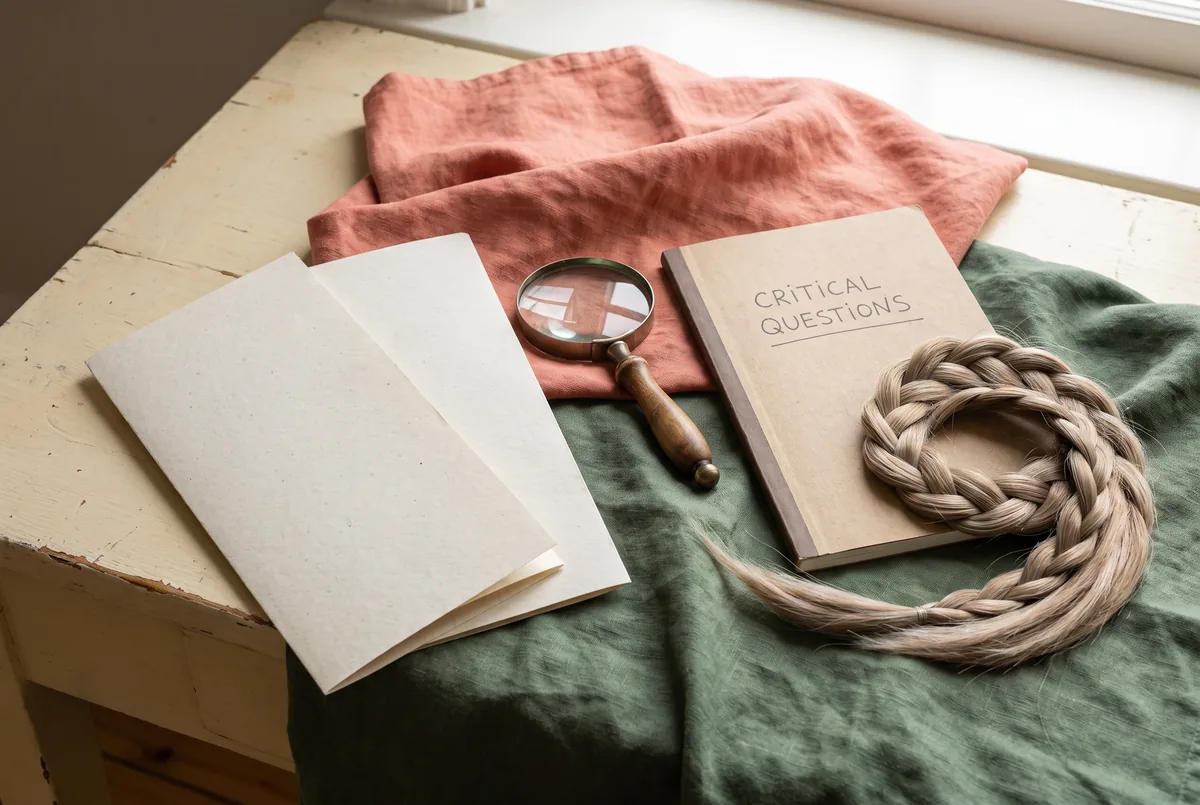
Planning a Hong Kong craft date in 2026
Check availability close to your preferred date
The title of this guide looks ahead to 2026, but workshop schedules and offers can change. Treat the year as a planning horizon, not as evidence that a particular class, date or price has been reviewed or confirmed. When you find a potential session, check the provider’s latest information directly and ask whether the quoted details apply to both participants. This is especially useful when planning for a weekend, public holiday or a date linked to an anniversary.
Compare providers on the same basis
Compare a short list of options using the same questions: what project is included, how long it lasts, what the total cost covers, where it takes place and what happens if plans change. Reviews or photographs may help you understand the style of an activity, but they do not replace confirmation of the current class details. Do not assume that a provider has the exact design, scent, material or personalisation shown in an old image.
Keep plans adaptable
If your preferred session is unavailable, consider switching the date or choosing another craft style rather than making a rushed booking. A candle-making class may feel more exploratory, while leatherwork or metalwork can offer a different kind of project; the specific experience depends on the provider’s current programme. Keep a backup plan for the rest of your date and wait for confirmation of the booking before treating the activity as settled.
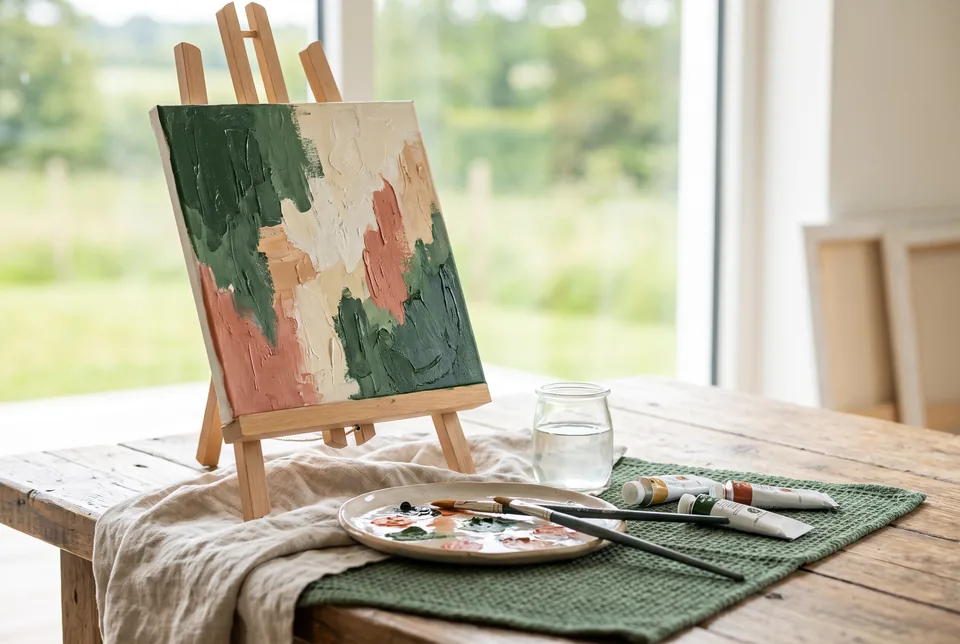
A simple checklist before booking together
Agree on your couples’ craft workshop priorities
First, agree on what matters most: trying an unfamiliar activity, making a particular type of keepsake, choosing a convenient location or staying within a budget. If you have different priorities, rank them rather than expecting one workshop to meet every preference. Then shortlist activities that fit your available time and ask each provider the same practical questions. This makes comparisons clearer and helps avoid choosing solely on a headline price.
Get the details in writing
Before paying, keep a record of the confirmed date, venue, start time, total price, included project and relevant booking terms. Check whether the booking is for two people and whether the stated arrangement includes the items you expect to make. If any detail is unclear, ask for clarification. The original source includes specific claims about class duration, personalisation and prices; those details cannot be confirmed generally and should not be relied on without checking with the relevant provider.
Make the final decision as a pair
Finally, choose the activity you will both look forward to, not simply the one that sounds most impressive. A good date can come from the process of making choices and spending time together, even if your finished pieces look different from one another. Whether you choose leather, candles or jewellery, a little preparation makes it easier to enjoy the session without assuming a particular result. Confirm the practical details, then leave room to enjoy trying something new.
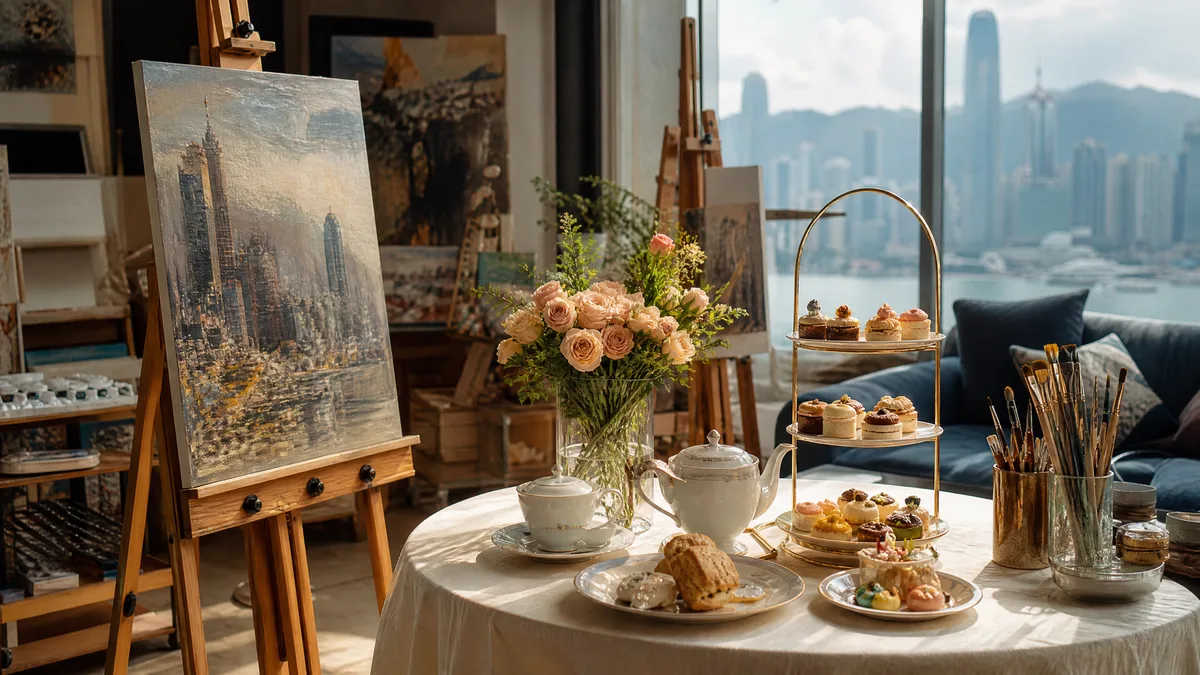
Questions about couples’ craft workshop
What are popular types of couples’ workshops?
Options described in the source include leatherwork for accessories, metalwork for jewellery and candle-making for scent-focused projects. Some providers may also offer fragrance activities. Availability, project choice and whether the activity is designed for couples vary, so confirm the current class details before booking.
How long does a couples’ ring-making workshop take?
The source guide suggests around three to four hours for a ring-making metalwork session, but this is not a verified standard duration. Ask the provider how long the specific class lasts, whether design and finishing are included, and whether the ring is completed or collected later.
Can a leather workshop include engraving or personalisation?
It may, but this is not guaranteed. The source claims that many leather workshops offer engraving, without substantiating that as a general rule. Ask the provider whether initials, a date or another design can be added, whether it costs extra and whether the chosen project supports personalisation.
Is a candle-making workshop suitable for men?
A candle-making activity is not inherently limited by gender; suitability depends on each participant’s interests and the class format. Couples can ask what scent options and project choices are available. Do not assume that particular fragrances, including the examples mentioned in the source, are offered.
How much do couples’ craft workshops cost?
The source gives indicative ranges of HK$400–800 per person for leatherwork, HK$600–1,200 for metalwork and HK$250–500 for candle-making. These figures are unverified and may be out of date or exclude extras. Request a current quote and check what the price includes before booking.
Can two people collaborate on one piece?
Some formats may allow a shared project, while others provide one item per participant or expect each person to work independently. Ask the provider whether you can collaborate, make matching pieces or personalise separate designs, and confirm any effect on the price or session length.
Prepared with AI assistance and local editorial adaptation. This is planning guidance, not a record of a delivered event. Confirm current arrangements directly; images are references and do not verify a particular class or event.
For a school or family considering perfume-making workshop Hong Kong, discuss ventilation, age range, materials, language support and participant numbers before selecting a format.
Before setting a family activity theme, ask how an art workshop Hong Kong would fit the group’s ages, room conditions, and cleaning needs.
When a team needs a quieter transition during a busy event, compare creative options and consider a stress-relief workshop Hong Kong that fits the available time and venue.