
Quick answer
Choose a candle session if you would enjoy a more sensory activity focused on fragrance, colour and a decorative or scented finished piece. Pick leather if you prefer a practical object and are happy to spend time on detailed assembly. These are general distinctions, not guarantees about every class: project options, duration, group size, materials and price vary by provider. Check those details, along with any age requirements and cancellation terms, before you pay.
What distinguishes a leather and candle workshop comparison?
Making an object versus creating a sensory piece
The clearest difference is the kind of attention each activity asks for. A leather session usually centres on constructing an object from prepared pieces, with steps that may include choosing components, marking, joining or stitching. A candle session is more likely to focus on choices such as scent and appearance, followed by combining materials and assembling the candle. The exact process depends on the class, so ask what participants will actually do rather than relying on the activity name alone.
How project choice shapes a leather and candle workshop comparison
The finished item can also shape how satisfying the session feels. A card holder or small wallet may become part of someone’s everyday routine, while a candle is often chosen for its scent, appearance or suitability as a gift. Neither outcome is automatically more valuable: consider whether you would rather keep using an object or enjoy a decorative and fragrant piece. Ask whether the listed project is fixed or whether participants can choose from several options.
For a leather wallet DIY session, find out whether the class makes a full wallet or a smaller accessory, and whether personalisation is available. For candles, check the type and size of the finished item and whether fragrance choices are offered. These questions help set realistic expectations about both the activity and its result. Photos can be useful for understanding the project, but confirm that the pictured item is the one included in the booking.

Compare the likely pace, time and level of detail
Why advertised duration needs context
Time varies with the chosen project, the amount of instruction and the size of the group. The source material suggests that some candle sessions may run for around 1.5 to 2.5 hours, with more elaborate projects taking longer, and that leather projects can involve several detailed assembly steps. Treat these as broad indications, not fixed timings. Ask the organiser how long the particular session is expected to take, whether set-up or collection time is included, and whether the finished item is ready to take home that day.
Beginner-friendly does not mean identical
Candle making may feel more approachable to someone who wants to focus on fragrance and design choices, while leatherwork can involve more precise handling and joining. That is not a universal measure of difficulty: a complex candle project can be demanding, and a simple leather project may be designed for first-timers. When comparing listings, look for the exact project, the steps participants complete themselves and the level of guidance offered.
If you are booking for a mixed-experience group, ask whether beginners can complete the same project as more confident participants and whether assistance is available throughout. Avoid assuming that a provider will adapt the pace or provide individual guidance unless it confirms this. For children or younger participants, check the minimum age and any adult supervision requirements directly. These practical details matter more than a broad label such as ‘suitable for beginners’.

Assess price by checking what the booking includes
Compare like with like
The Chinese source gives indicative figures of HK$250–500 per person for candle workshops and HK$350–800 for leather workshops, while noting that the leather price can vary with the size of the project. These are not verified current prices and should not be treated as a live quote or market-wide rate. Fees may change according to the provider, date, materials, project and group arrangements, so request the current price for the specific session before making a decision.
Look beyond the material
A fair comparison should include more than the headline amount. Ask whether materials, tools, instruction and the finished item are included, and whether there are extra charges for a larger project, personalisation or a particular fragrance. Also confirm whether the quoted amount is per person, whether a minimum group size applies and what happens if the group changes. The answers make it easier to compare two offers on the same basis.
Value depends on what you want from the event. Someone looking for a useful accessory may prefer to pay more for a leather project they will use, while someone seeking a relaxed creative outing may favour a candle session. Neither choice guarantees a longer-lasting or better-quality result. Ask about the materials and the work participants complete, then decide whether the activity, finished piece and overall cost suit your plans.

Choose a workshop to suit your date, friends or team
A thoughtful option for couples
For a date, consider whether you and your partner would rather make matching or complementary objects, or share a session built around scent and design. A candle activity can suit people who enjoy discussing fragrance and appearance; leather may appeal to those who want to create something practical or exchange handmade gifts. The atmosphere is not guaranteed by the craft itself, so check the venue, session format and whether participants make one item each or work together.
Questions for a group booking
For friends, match the project to the group’s interests and patience. A shared activity is more enjoyable when everyone understands what they will be doing and has a realistic idea of the time involved. Ask whether the group can book the same project and whether the provider can accommodate the number of people. Do not rely on general claims about which format is best for a large group; the available space, staffing and project design can all affect what is workable.
For a team event, confirm the practical arrangements before choosing a craft. Ask the organiser about capacity, set-up, location, timing, materials and whether the activity can be delivered at your chosen venue. If considering a leather workshop, request details of the project and how participation is organised; for a candle workshop, ask about the available formats and options. Treat each point as something to confirm, rather than assuming a provider offers a particular service.

Compare project choices and personalisation options
Leather wallet DIY and other possible projects
Leather workshop projects can include items such as card holders, key cases, bracelets, belts or wallets. More involved listings may show bags or book covers, but their availability should be checked rather than assumed. Ask what the booking covers, whether participants choose a colour or finish, and whether lettering or other personalisation is included. A project photograph can illustrate the style, but it does not establish that every option is available on your date.
What to ask about candle design
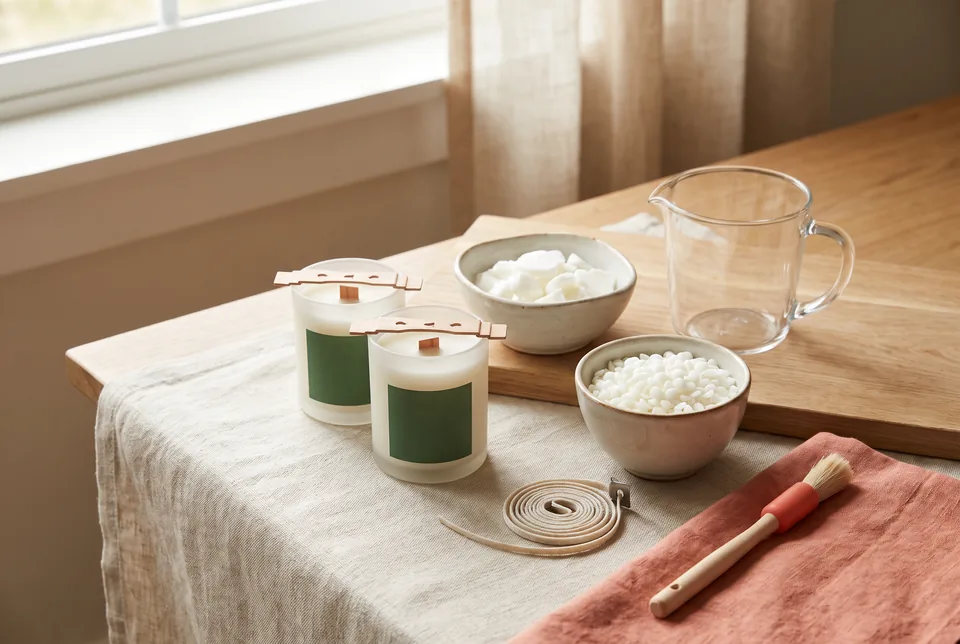
Candle activities can vary in their focus, from a scented candle to a more decorative design. If an aromatherapy candle class is on your shortlist, ask what fragrances are available and whether participants can select or combine them. Confirm the size and number of candles included, as well as whether the finished piece needs time before it can be taken away. The source material refers to taking the completed candle home, but collection arrangements should be confirmed with the provider.
Personalisation is one of the details that can make a session feel special, particularly if you are choosing a gift or planning an occasion. However, options may depend on the project and booking. Check whether a name, message, colour or scent can be selected, whether there is an added fee and when the choice must be made. If a specific result matters to you, ask the provider to confirm it in writing before booking.

What to confirm before booking in Hong Kong
Get the essential details in one place
Before paying, request the session date, start and end time, address or venue arrangement, project description and full price. Ask what materials are provided, what participants should bring and whether the listed fee covers the finished piece. If booking for others, confirm age limits, minimum and maximum group sizes, and whether each participant must choose the same project. A clear answer to these questions is more useful than a broad description of the experience.
Check group, venue and date arrangements
For a private or corporate booking, ask whether the provider can accommodate your group size and preferred location, and what the quotation includes. Do not assume that a workshop can be delivered at a school, office or outdoor venue, or that a particular package or timetable is available. Actual arrangements depend on the provider and should be confirmed directly.
Finally, read the booking terms carefully. Confirm the payment options, cancellation and rescheduling policy, and any deadline for changing participant numbers. The source does not substantiate specific payment methods or refund terms, so check these rather than relying on general claims. Keep the organiser’s written confirmation of the project, price and arrangements so that everyone in your group has the same expectations.
A simple decision guide for your 2026 plans
Choose by the experience you want
If you want to make a practical accessory and are comfortable with detailed assembly, start by comparing leather projects. If fragrance, colour and a sensory design process sound more appealing, explore candle sessions. These are starting points rather than firm rules; the project and teaching format matter more than the craft label. A class with a simple leather item may suit a casual outing, while an elaborate candle design may call for more time and attention.
Use a short checklist before committing
For a couple or group of friends, prioritise a shared interest and a convenient session length. For a team, focus first on capacity, venue and how the activity will work for the number of participants. In every case, compare the precise project, total cost, inclusions and booking terms. If two options remain close, ask the providers the same questions so you can judge their answers consistently.
The 2026 reference here is a planning horizon, not a claim that these options have been independently tested or ranked for that year. Availability and terms can change, so check current details with the organiser before booking. A little advance checking should help you choose an experience that fits your budget, timetable and expectations—whether you leave with a useful leather accessory or a candle made to your taste.

Questions about leather and candle workshop comparison
Which is more suitable for a beginner: a leather workshop or a candle workshop?
Either may suit a first-timer, depending on the project and the support provided. Candle sessions may involve fewer assembly steps, while some leather projects require careful joining or stitching. Ask the provider what beginners will make, which steps they complete themselves and what guidance is available; suitability cannot be guaranteed from the workshop type alone.
What can I make in a leather workshop?
Possible projects include wallets, card holders, key cases, bracelets and belts, while some listings may offer more involved items. The available project depends on the provider and session. Confirm what is included, whether you can choose a design or finish, and whether lettering or other personalisation is available.
How long does a candle workshop take?
The source material gives a broad estimate of about 1.5 to 2.5 hours for some scented candle sessions, with more elaborate projects potentially taking longer. This is not a guaranteed duration. Check the specific session’s start and finish times, whether set-up is included and when the finished candle can be collected.
For a couples’ activity, should we choose leather or candles?
Choose according to what you would both enjoy making. Candles may appeal if you like fragrance and design choices; leather may suit you if you would enjoy creating practical accessories or gifts. Ask whether each person makes an item and what project options are available before booking.
How much do leather and candle workshops cost?
The source lists indicative ranges of HK$250–500 per person for candle workshops and HK$350–800 for leather workshops, but these figures are unverified and may be out of date. Ask the provider for a current, itemised price and check which materials, instruction and finished pieces are included.
Which workshop is better for a group event?
Neither is automatically better for every group. The workable choice depends on the project, group size, venue, available guidance and time. Ask the provider to confirm capacity, how participants will be organised, what the fee includes and whether your preferred date and location are possible.
Prepared with AI assistance and local editorial adaptation. This is planning guidance, not a record of a delivered event. Confirm current arrangements directly; images are references and do not verify a particular class or event.
To fit campus safety rules and the school timetable, candle workshop Hong Kong should be considered after the year level and room conditions are shared.
To compare expressive activities, ask how a perfume-making workshop Hong Kong might fit the date, location, group needs and handover arrangements.
When an open day needs a creative station that people can complete together, compare the materials and take-home arrangements for an art workshop Hong Kong before choosing a format.