
Quick answer
For graduation catering, first confirm the date, venue, guest count, event timings and any dietary requirements. Decide whether food is a light refreshment, a meal or a reception buffet, then ask suppliers for a written quotation that explains menu portions, delivery or service arrangements, set-up needs and any minimum order. For larger events, verify that the supplier can meet the venue’s requirements and agree on a realistic schedule before confirming.
Plan graduation catering around the event
Clarify what the celebration needs to achieve
Graduation celebrations can range from a brief reception after a school presentation to a class gathering or a larger family event. Before comparing menus, write down the purpose of the occasion and the experience you want guests to have. A short reception may call for easy-to-eat refreshments, while a longer celebration may need a more substantial meal. The right choice depends on the event rather than a standard package label.
Map graduation catering to the ceremony schedule
Build the food plan around the ceremony timetable. Note when guests arrive, when the formal programme ends, whether there will be speeches or photographs, and how long people are expected to stay. If food is served during a transition, allow enough time for guests to move from the ceremony space to the dining area. Ask the venue and supplier what timings are workable; do not assume that a delivery or set-up can happen at any time.
If the occasion also includes a creative activity or class session, treat refreshments as one part of the wider event plan. The schedule should leave time for people to eat and talk without cutting into the main programme. Coordinate any activities with the ceremony and reception timetable, and confirm catering details separately with the relevant providers.

Estimate numbers and plan for the right scale
Use a confirmed headcount where possible
The guest count affects menu quantities, serving arrangements, space requirements and the quotation. Separate confirmed attendees from people who have been invited but have not replied. Ask when the supplier needs the final number and whether changes are possible after that point. If children, families, school staff or guests with different appetites will attend, explain the mix rather than relying on a single per-person estimate.
When catering for 50-person parties
For catering for 50-person parties, consider how guests will be served and where they will gather. A buffet, individually packed refreshments or a mix of snacks and drinks each uses the space differently. Check whether the venue has suitable tables and enough room for a queue, and clarify who will set out and clear away the food. Do not assume that a supplier’s menu includes serving staff, tableware or venue set-up.
When catering for 100 guests
Catering for 100 guests needs particularly clear coordination between the organiser, venue and supplier. Confirm the delivery or service window, access arrangements, serving points and the person who will be available to receive the order. Ask the supplier to explain how the proposed quantities relate to the guest count and event duration. A larger order is not automatically suitable if the venue layout or schedule cannot support the service.

Choose a menu around the guests and occasion
Decide between refreshments, a meal and a reception
Start by deciding what role food will play. Light refreshments can suit a short interval, whereas a longer event may require a meal or more filling options. Consider the time of day, the expected length of the gathering and whether guests will be seated. Ask suppliers what each proposed menu includes, how items are portioned and whether drinks, serving utensils or tableware are part of the quotation.
Collect dietary requirements early
Gather dietary information through the organiser or school and share it with the supplier before agreeing the menu. Be specific about the requirements you have been told, including vegetarian needs or other restrictions, and ask what alternatives can be provided. Do not assume that a menu item is suitable based on its name alone; request ingredient and preparation information from the supplier where needed. Confirm the final arrangements in writing.
Think about convenience as well as choice. Food that is easy to serve and eat may be more practical during a crowded reception, while a sit-down meal requires a different layout and longer service period. If floral arrangement or balloon decoration is part of the event styling, coordinate the placement with the venue and catering set-up so that serving areas remain accessible. These additions should be planned as separate elements rather than assumed to be included in a catering order.

Check the venue, delivery and serving arrangements
Confirm access and facilities with the venue
Before asking for a final quotation, find out what the venue permits and provides. Check access times, delivery instructions, available tables, power or other facilities if relevant, and any rules about food service or clearing waste. The venue may have requirements that affect how food can be delivered, displayed or served. Share those details with prospective suppliers rather than asking them to plan without the necessary information.
Agree what the supplier will provide
Ask the supplier to distinguish clearly between food, delivery, set-up, serving and collection. These may be included, available at an extra cost or not offered at all. Confirm the delivery address and contact person, the time the food is expected, and what happens if the event schedule changes. Put important arrangements in writing, including the final menu, quantities and any agreed service responsibilities.
For a school or community venue, assign a named organiser to coordinate with both the venue and supplier on the day. That person should know who can grant access, where the order will be received and whom to contact if there is a delay. If the event has several programme elements, share a simple run sheet with the people who need it. Clear handovers help avoid confusion, but they cannot replace confirmation of the supplier’s actual service terms.

Set a realistic service schedule
Plan refreshments around programme breaks
A useful service time is one that fits the event programme and gives guests a reasonable opportunity to eat. For a workshop or ceremony lasting a few hours, a break around the middle may be convenient, but the best timing depends on the agenda and venue. Avoid scheduling food service during speeches, award presentations or other moments when guests are expected to be in a different area.
Allow time for arrival, serving and clearing
Build in more than the time required to eat. Guests may need time to reach the serving area, queue, find a place to sit and return to the programme. The organiser should ask the supplier how much time is needed for delivery and set-up, then confirm whether clearing is included and when it can take place. These details matter especially when the venue has a strict booking period.
For a half-day event, organisers may consider more than one food interval, such as a refreshment break and a meal, if the programme and budget allow. Confirm the proposed plan with the supplier rather than relying on a general timing rule. If the event runs late, agree in advance who can approve schedule changes and what the supplier can accommodate. A written timetable gives everyone a shared reference without promising that every provider can adapt at short notice.

Compare quotations and confirm the booking
Request comparable written proposals
When asking for quotations, send each supplier the same useful information: date, venue, estimated headcount, event duration, service style and dietary requirements. Ask for a breakdown that identifies the menu, quantities, delivery or staffing, equipment or tableware if offered, and any additional charges or minimum order. This makes it easier to compare like with like instead of choosing on headline price alone.
Check payment, changes and cancellation terms
The source of a low or high quotation may be the menu, portion assumptions, service level or delivery arrangements. Ask questions if any item is unclear and request confirmation of what is not included. Prices and availability can vary by provider and date, so do not rely on general price ranges as a promise. Obtain a current written quote and check how long it remains valid before making a decision.
Before paying or confirming, read the supplier’s terms for deposits, payment deadlines, changes to numbers, postponement and cancellation. These terms differ between providers and should not be assumed. Ask who is responsible for communicating final numbers and when those numbers become binding. Keep the quotation, menu and key arrangements together so the organiser can refer to the same agreed details throughout the planning process.
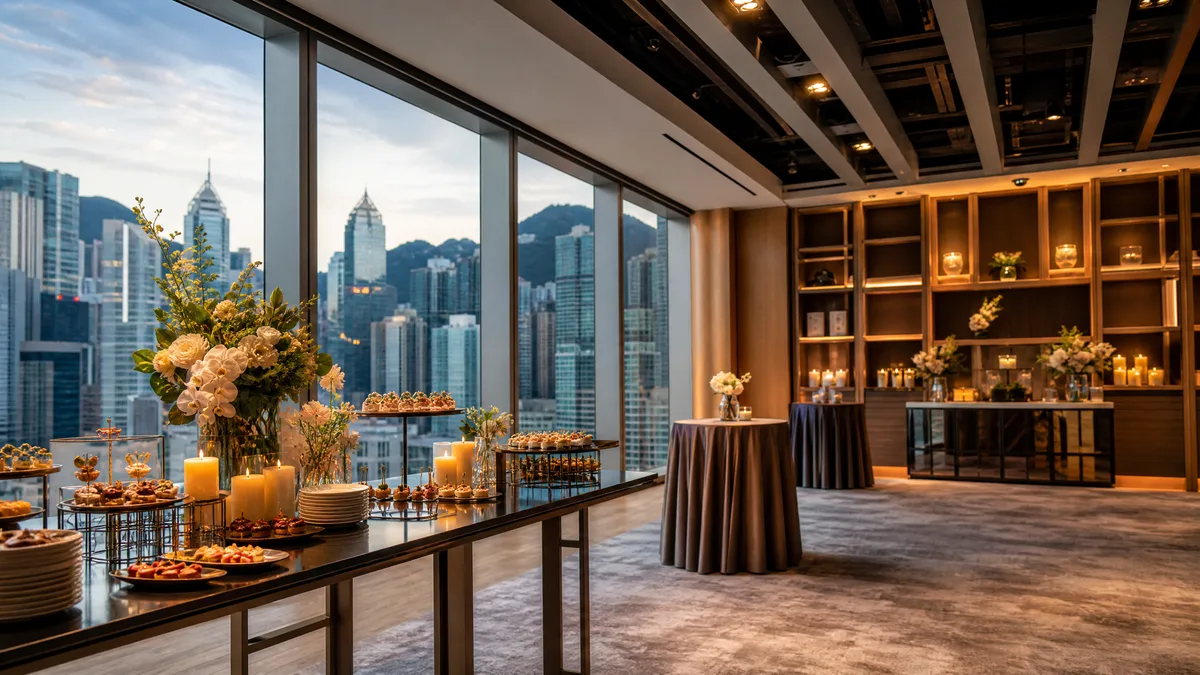
Ask practical food-service questions before the day
Confirm transport and serving information
Food handling and transport arrangements are important questions for any event organiser. Ask the supplier how food will be packed and delivered, when it should be served, and whether any particular instructions apply after arrival. Do not infer temperature control, certification or other safeguards from a supplier’s marketing description. If you need documentation or have a venue requirement, ask the provider to confirm what it can supply.
Make a simple event-day checklist
Before the event, check the final guest count, menu, delivery time, access instructions, venue contact and dietary requests against the written agreement. Make sure the person receiving the order knows what is expected and how to contact the supplier. If there are labelled alternatives for guests with dietary needs, confirm how those items will be identified and kept distinct, rather than leaving the arrangement to chance.
On the day, follow the supplier’s instructions for serving and any venue rules. Identify who will handle the food area, answer questions from guests and deal with leftover items, if that is part of the agreed plan. A checklist cannot guarantee a smooth event, but it can make responsibilities visible. Begin enquiries early for the intended graduation date, while checking current availability and terms directly with suppliers.
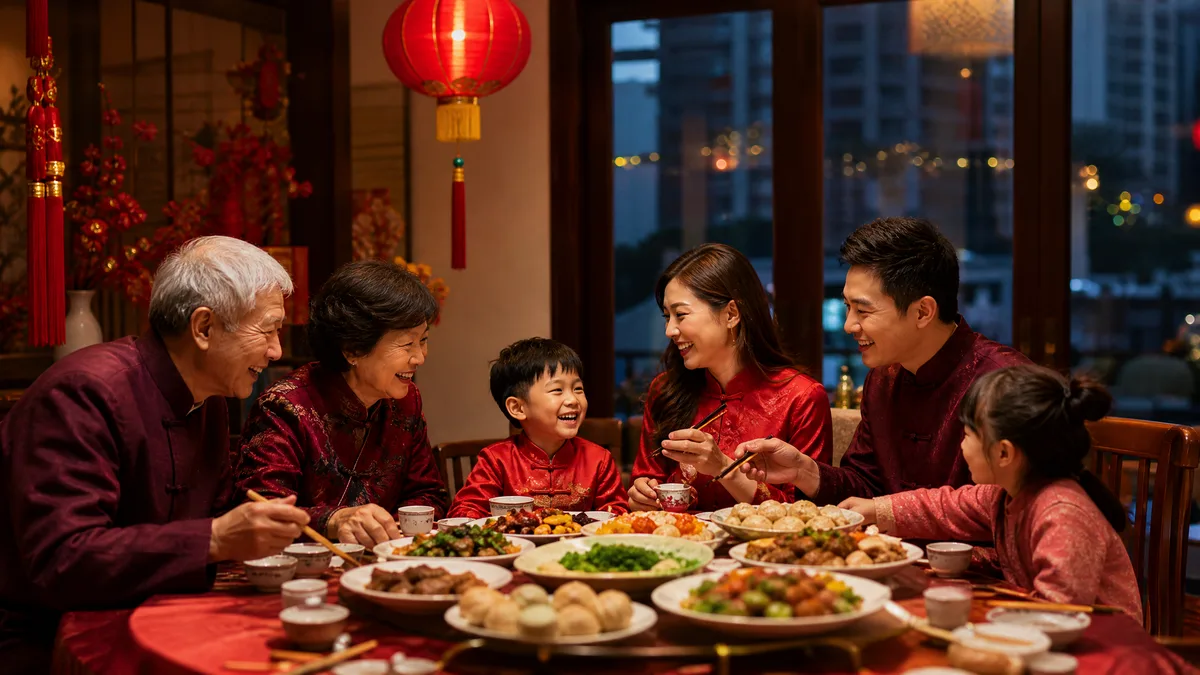
Catering information to check with providers
If this option is relevant to your event, review graduation catering and confirm the menu, delivery arrangements, dietary information and booking terms directly with the provider.
If this option is relevant to your event, review 50 person party catering and confirm the menu, delivery arrangements, dietary information and booking terms directly with the provider.
If this option is relevant to your event, review 100 person catering and confirm the menu, delivery arrangements, dietary information and booking terms directly with the provider.
FlintHub and the linked partner website have common ownership. This link is not an independent endorsement, tested recommendation or confirmation of availability.
Cake Cutting or Take-Away Gifts
Will your Graduation Cake be cut after the ceremony, or will guests take individually packed portions home? Ask the supplier whether the proposed format supports that choice, and confirm who handles cutting, utensils and packaging; otherwise, the photo moment may leave an unplanned serving task. Before approving the design, check graduates’ names, school wording and the deadline for final changes. Ask which decorations are edible and which must be removed before serving. For take-away portions, request product-specific storage instructions and confirm whether suitable boxes can be supplied rather than assuming packaging is included.
Prepared by FlintHub Academy with AI assistance from public information for event catering, gifting, baking and floristry planning and enquiries, not first-hand service testing or real client cases. YumYum and FlintHub Academy have the same owner; links are relevant service resources, not independent third-party endorsements. AI-generated concept illustrations do not depict actual YumYum products, services, venues, instructors or clients. No professional author credentials or guarantees of safety, price, availability or outcomes are claimed. Confirm allergies, materials and storage requirements, scope, fees and availability with the actual provider.
Questions about graduation catering
How far in advance should I book graduation catering?
There is no lead time that applies to every supplier or date. Enquire as soon as the ceremony date, venue and approximate guest count are known, especially during busy periods or for a large event. Ask when the supplier needs a deposit, final numbers and menu confirmation, and check that the delivery or service time is available before treating the booking as confirmed.
How do I choose a package for the number of guests?
Begin with the best available headcount, then consider the event duration, time of day, guest mix and whether food is a snack or a meal. Ask the supplier to explain portions and service arrangements for that number, and confirm whether the venue can accommodate the proposed layout. A package described for a particular group size may not suit every schedule or venue.
How can I check how food will be transported and served?
Ask the provider directly about packing, delivery timing, serving instructions and any documentation required by your venue. Confirm what the supplier can verify in writing rather than assuming that particular equipment, certifications or temperature controls are included. Follow the provider’s guidance and the venue’s requirements on the day.
When should refreshments be served during a workshop or ceremony?
Place a break where it fits the programme and gives guests enough time to reach the food, eat and return. A mid-event interval may suit a session lasting a few hours, but the agenda, venue and service style determine the practical timing. For a half-day event, ask whether a separate refreshment break and meal are workable.
How should vegetarian or other dietary requirements be handled?
Collect requirements early and send them to the supplier before confirming the menu. Ask which alternatives are available, what ingredients they contain and how they will be identified at the event. Confirm the final arrangements in writing; do not assume that every provider can accommodate every dietary request.
How are catering costs usually calculated?
The quotation may depend on the menu, guest count, service style, delivery and any staffing or venue-related requirements. Ask for an itemised current quote and check for minimum orders, additional charges and payment deadlines. Do not rely on general per-person estimates, as prices and included services vary between suppliers.
Prepared with AI assistance and local editorial adaptation. This is planning guidance, not a record of a delivered event. Confirm current arrangements directly; images are references and do not verify a particular class or event.
Before requesting a proposal for team building Hong Kong, list the venue limitations around space, access routes, materials and cleaning.
Before setting a family activity theme, ask how an art workshop Hong Kong would fit the group’s ages, room conditions, and cleaning needs.
When a company needs shared practice rather than only a social break, corporate training Hong Kong should begin with a real work situation and a clear participation goal.