
Quick answer
Start by confirming your headcount, activity timetable, venue rules and dietary requirements. Decide whether individually packed meals, refreshments or a combination will work best, then ask suppliers about menu options, minimum orders, delivery, set-up and any additional charges. Confirm the final order and arrival time in writing, with a named contact on the day. Requirements and lead times vary, so check them with the provider rather than relying on general estimates.
Plan school catering around the activity timetable
Fit school catering breaks into the programme
Begin with the activity schedule rather than a menu. Mark the expected arrival, session start and finish, breaks, and any time when participants must move between rooms. This makes it easier to decide when food can be delivered and served without interrupting the programme. Build in time for everyone to collect a meal and eat at a comfortable pace.
Allow time for delivery and distribution
Ask the caterer what delivery window is available and whether the order will arrive ready to distribute. Confirm who will receive it, where it can be left, and whether the school has a designated area for food. These details matter particularly when the venue has access restrictions or the event is taking place during a busy school day.
Check venue and school arrangements
A school workshop may need a different food break from a sports day or an event with several sessions. If you are also arranging a school workshop, coordinate the meal break with whoever is responsible for the programme. Do not assume that a supplier can enter the premises, set out food or collect packaging; agree each task in advance.
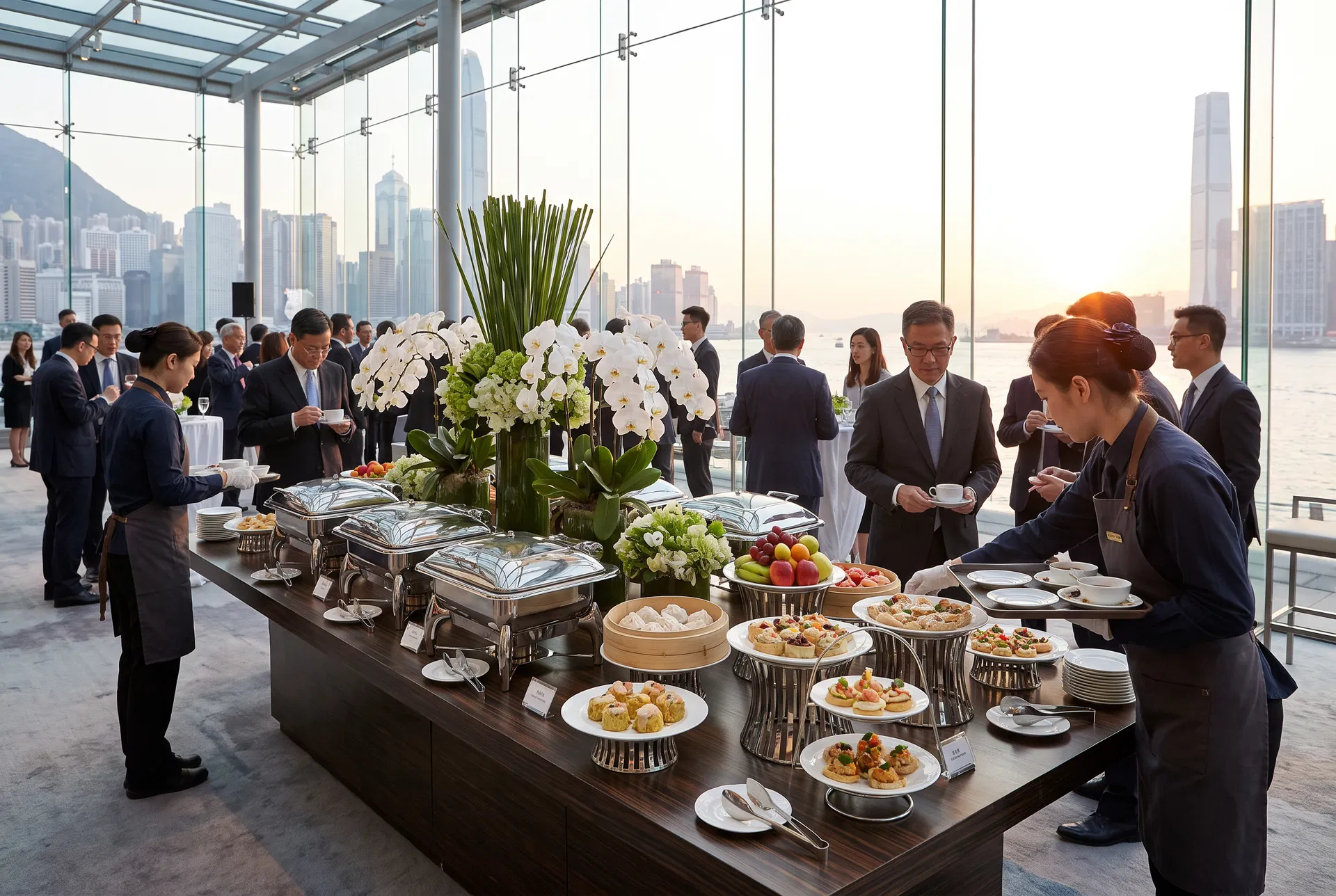
Choose a meal format that suits the group
When individual school lunch boxes may help
Individually packed meals can make distribution straightforward when participants have a short break or need to eat in assigned groups. Before choosing this format, check whether the supplier can label meals clearly and how variations will be identified. The organiser should also consider rubbish, storage space and whether participants will eat in the same room as the activity.
Shared refreshments and break-time catering
Shared platters or refreshments may suit a longer programme with a dedicated break, but they require space for serving and a plan for queues. Think about the number of people using the area at once, how much time is available and whether staff can supervise distribution. Ask the provider what is included, rather than assuming that serving items or set-up are part of the order.
Match portions and service to the occasion
The right format depends on the event, not on a universal rule about group size. Compare the practical implications of packed meals, snacks and shared food against your timetable and venue. If the programme includes a science experiment, for example, coordinate the meal break and eating area with the activity lead so that food and session materials are kept separate.
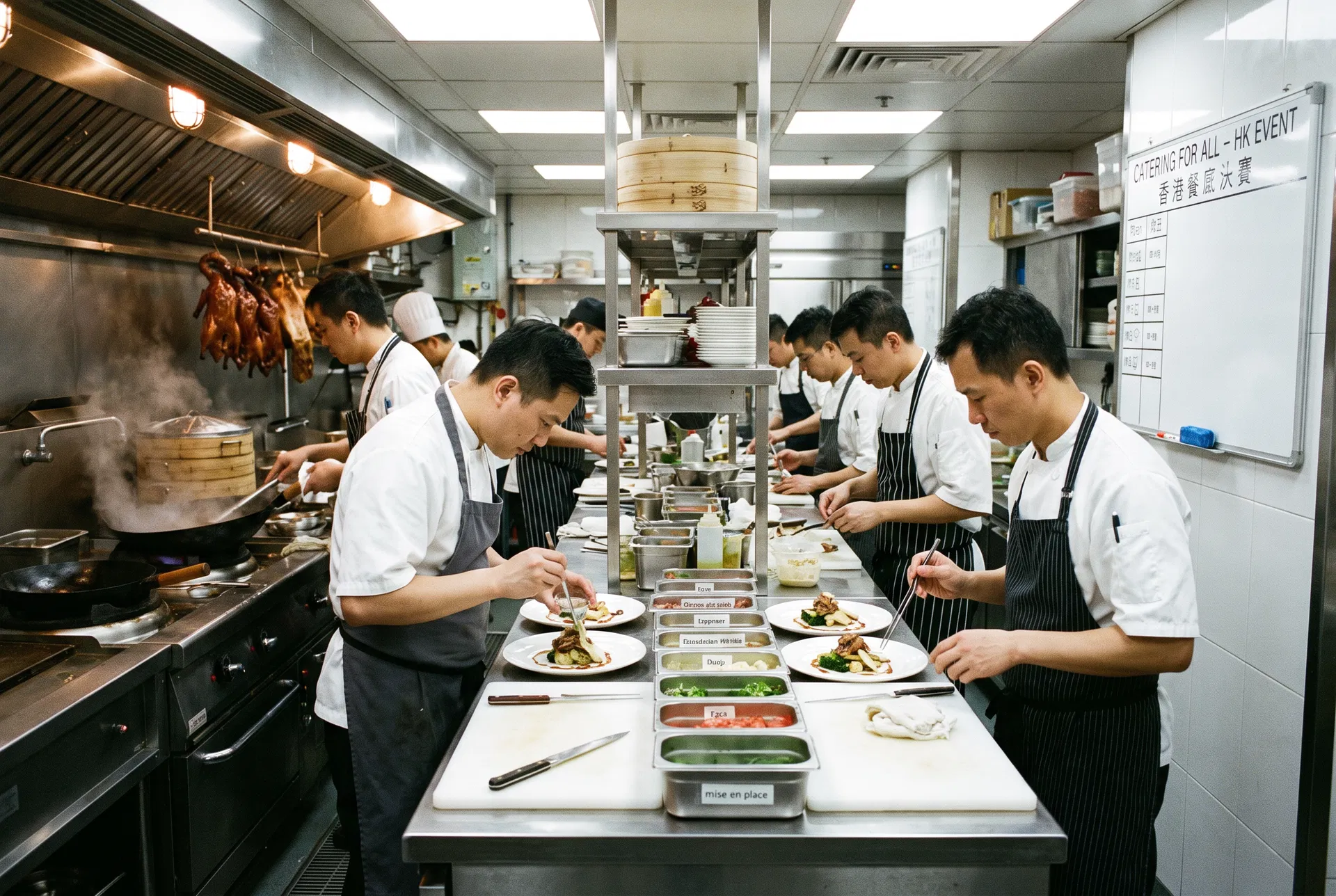
Confirm menus and dietary requirements clearly
Gather requirements before requesting a quote
Ask families or participants for dietary information using the school’s usual process and within its privacy practices. Record the number of meals needed for each stated requirement before requesting a quotation. Be specific: a general request for “vegetarian options”, for instance, may not tell a caterer whether eggs or dairy are acceptable.
Ask how meal variations are identified
Send the requirements to the supplier and ask which options can actually be provided for the date and quantity. Confirm how altered meals will be labelled and handed to the right people. If a requirement cannot be met, raise that promptly with the school and the relevant family or organiser rather than making assumptions about suitable substitutions.
Check ingredients and cross-contact information
Ask the provider for current ingredient and allergen information, and what they can tell you about handling different meals. Do not treat a menu description or verbal reassurance as a guarantee that a meal is suitable for an individual. Share the supplier’s information with the people responsible for the event and follow the school’s own arrangements.

Compare catering quotes by checking what is included
Request comparable details from each provider
A useful quotation should make it possible to compare the menu, quantity, delivery arrangements and total cost. Ask whether prices are per person or per order, whether delivery is charged separately, and whether there is a minimum spend or minimum number of meals. Request details in writing so that organisers are comparing the same requirements.
Clarify delivery, minimum orders and extra charges
Check whether the quoted service includes only food delivery or also set-up, serving equipment and collection of packaging. Ask what happens if the final headcount changes and by what deadline the provider needs confirmation. These terms vary, so do not rely on generic estimates or assume that a change can be accommodated.
Verify availability and service claims
If a supplier mentions food-safety credentials, special packaging or temperature controls, ask what applies to your specific order and request relevant details. Avoid treating a marketing statement as proof of suitability. Compare providers on the information you can verify, their response to practical questions and how clearly they set out limits and responsibilities.
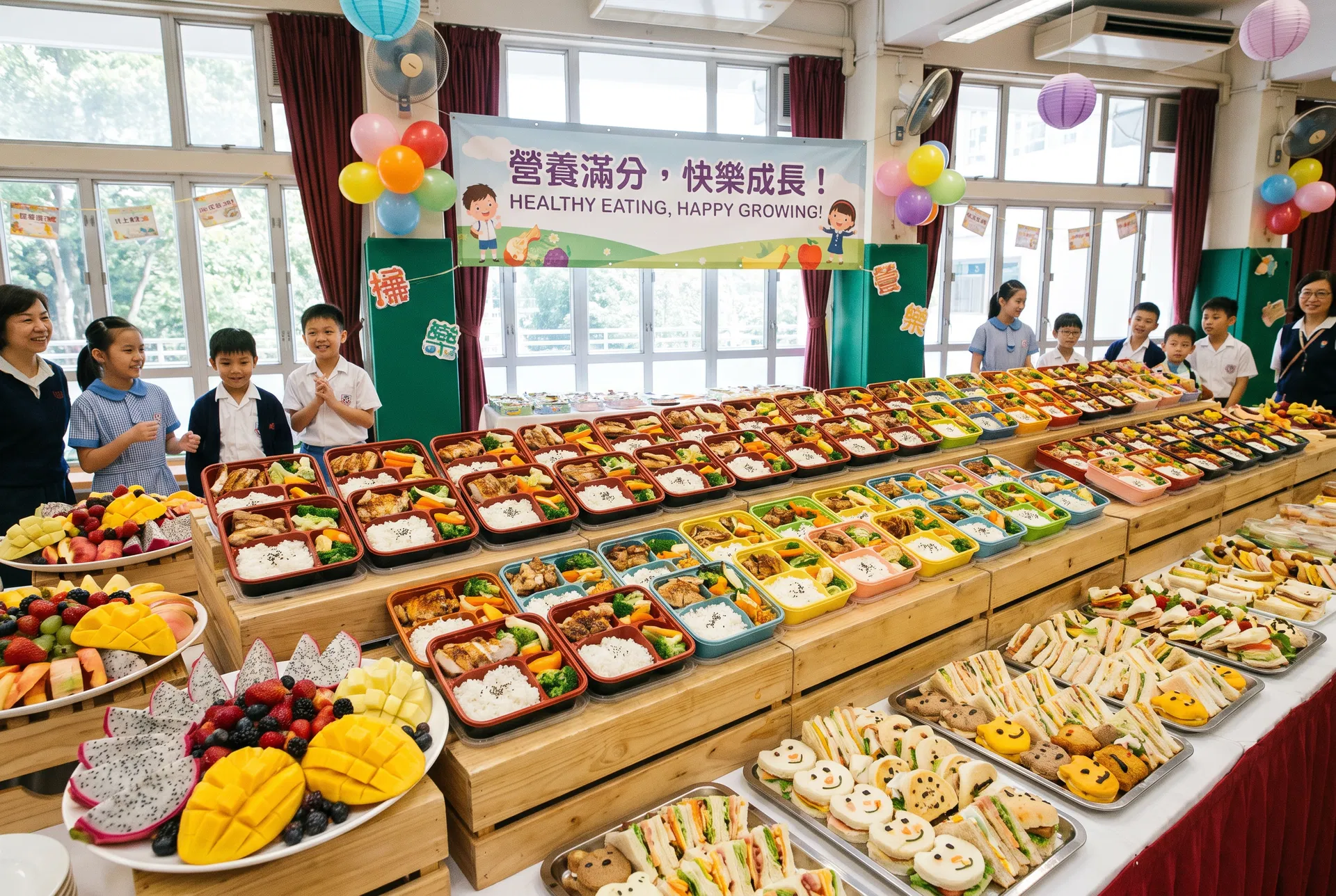
Confirm the order, delivery and day-of responsibilities
Set a realistic booking timeline
There is no single booking lead time that suits every school event. Availability can depend on the date, menu, quantity and delivery location. Contact providers as early as your planning allows, especially for a large group or a busy period, and ask when they need the confirmed headcount and menu choices.
Keep the final order in writing
Once you have selected a supplier, keep a written record of the date, delivery address, arrival window, quantities, menu variations, agreed price and any additional services. Confirm the process for updating the order and the provider’s cancellation or amendment terms before committing. The organiser should ensure that the final version is shared with the people handling the event.
Name a contact for arrival and distribution
Agree who will meet the delivery, check the items against the order and distribute meals. Share a contact number with the supplier if appropriate, and make sure the named contact knows where and when to meet them. Do not assume the caterer will manage on-site distribution unless this has been explicitly confirmed.

Make food breaks work with the programme
Choose a break length that fits the group
For a short workshop, a mid-session refreshment break may be practical, but the timing and length depend on the programme and group. Allow enough time for participants to leave the activity area, collect food and return. If the event runs for half a day or longer, consider whether a separate meal break is needed rather than trying to fit everything into a brief pause.
Plan for queues, movement and clean-up
Think through the route from the activity space to the eating area and back. A narrow serving point or a large group arriving at once can make a short break feel rushed. Where possible, discuss staggered distribution with the school team and caterer, and decide who will manage queues, leftover food and waste.
Keep refreshments proportionate to the event
Refreshments should support the event without creating avoidable complexity. Check whether the venue permits eating in the planned area and whether there is space for food to be set down. If the schedule changes, tell the supplier or event contact as soon as possible; do not expect a delivery time or service arrangement to change without agreement.

Use a simple checklist for school event catering
Before asking for prices
Before requesting quotations, establish the date, venue, estimated headcount, timetable and meal format. Gather dietary information through the school’s agreed process and note any access or delivery constraints. A clear brief helps providers respond to the same requirements and makes it easier to identify unanswered questions.
Before confirming the order
Before confirming, check the menu, quantity, total price, delivery window, location, contact person and terms for changes. Make sure dietary variations are recorded accurately and ask how they will be identified. If anything remains unclear, get the provider’s answer in writing rather than relying on assumptions.
On the day of the activity
On the day, the named organiser can check that the delivery has arrived at the agreed place and broadly matches the order. Keep the supplier’s contact details available and have a contingency agreed with the school if delivery is delayed or an item is missing. These are planning measures, not a guarantee that every issue can be prevented.

Catering information to check with providers
If this option is relevant to your event, review school catering and confirm the menu, delivery arrangements, dietary information and booking terms directly with the provider.
If this option is relevant to your event, review bento catering and confirm the menu, delivery arrangements, dietary information and booking terms directly with the provider.
If this option is relevant to your event, review catering guide and confirm the menu, delivery arrangements, dietary information and booking terms directly with the provider.
FlintHub and the linked partner website have common ownership. This link is not an independent endorsement, tested recommendation or confirmation of availability.
Questions about school catering
How far in advance should we book catering for a school activity day?
Lead times depend on the supplier, date, menu and order size, so ask providers as early as possible. Confirm when they need the final headcount and menu choices, and whether availability is limited during busy periods. Do not rely on a fixed number of days without checking directly.
How do we choose a catering package for the number of participants?
Start with a confirmed or realistic headcount, then compare individual meals and shared options against the available break time, venue and distribution plan. Ask the supplier about portion assumptions, minimum order quantities and how changes to the final number are handled.
How can we check food handling and delivery arrangements?
Ask the caterer how the order will be packed, transported and delivered, and what arrangements apply to your particular booking. Request relevant information about any claimed credentials or handling controls. Check delivery timing and the receiving contact with the school; avoid assuming that a general claim guarantees a particular outcome.
When should we schedule refreshments during a workshop?
Place the break where it fits the session plan and allows time to collect food, eat and return. A mid-session pause may work for a shorter workshop, while a longer event may need a separate meal break. The organiser should confirm the duration with the programme lead and venue.
How should we handle vegetarian meals or other dietary requirements?
Gather requirements through the school’s usual process, then give the supplier clear numbers and details. Ask which options are available, what ingredient and allergen information they can provide, and how different meals will be labelled. Confirm the final arrangements with the people responsible for participants’ needs.
How are school catering costs usually calculated?
Pricing may be per person, per item or based on a minimum order, and can vary with the menu, quantity, delivery and any additional service. Ask for a written quotation showing the total and what is included, and confirm current prices directly with providers.
Prepared with AI assistance and local editorial adaptation. This is planning guidance, not a record of a delivered event. Confirm current arrangements directly; images are references and do not verify a particular class or event.
After confirming classroom or specialist-room conditions, a school can compare whether STEM school programme Hong Kong belongs within its current science topic or project learning.
For a school planning a hands-on learning day, a school workshop Hong Kong can be scoped around the timetable, space, and pupil group.
Before scheduling a staff development day, a teacher training workshop Hong Kong helps colleagues compare the time needed for modelling, rehearsal and reflection.