
Quick answer
For school catering at a STEM education day, first set the schedule, expected numbers, venue arrangements and a process for collecting dietary requirements. Then ask suppliers about menu options, delivery timing, minimum order, packaging and how they handle stated restrictions. A simple food-science activity can focus on observation and comparison, while keeping food service separate from any practical work. Confirm the final menu and timings in writing, and allow a realistic window for pupils to eat and clear away.
Plan school catering around the learning day
Plan school catering around the timetable and audience
An education day may include demonstrations, group tasks, presentations and transitions between rooms. Catering needs to fit that structure. Before contacting suppliers, note the start and finish times, number and age range of participants, staff supervision arrangements, venue access and whether there is a scheduled lunch or shorter break. These details help you ask practical questions without assuming a supplier can meet a particular requirement.
Make the food-science connection purposeful
For a school event, the organiser should also establish who is responsible for ordering, receiving and distributing food, and who will communicate dietary information. If the event is hosted away from the usual school site, confirm whether the venue permits outside food and where a delivery can be received. These are not minor details: a delivery window that conflicts with a session or a room without space to distribute meals can disrupt the day.
Food science works best when it has a clear learning purpose rather than being an unrelated novelty. Pupils might observe features such as shape, texture, colour or packaging, then describe similarities and differences using suitable age-appropriate language. The learning objective can be linked to observation, classification or design thinking. Keep the activity distinct from claims about nutrition or food safety unless those subjects are being taught with appropriate, verified material.
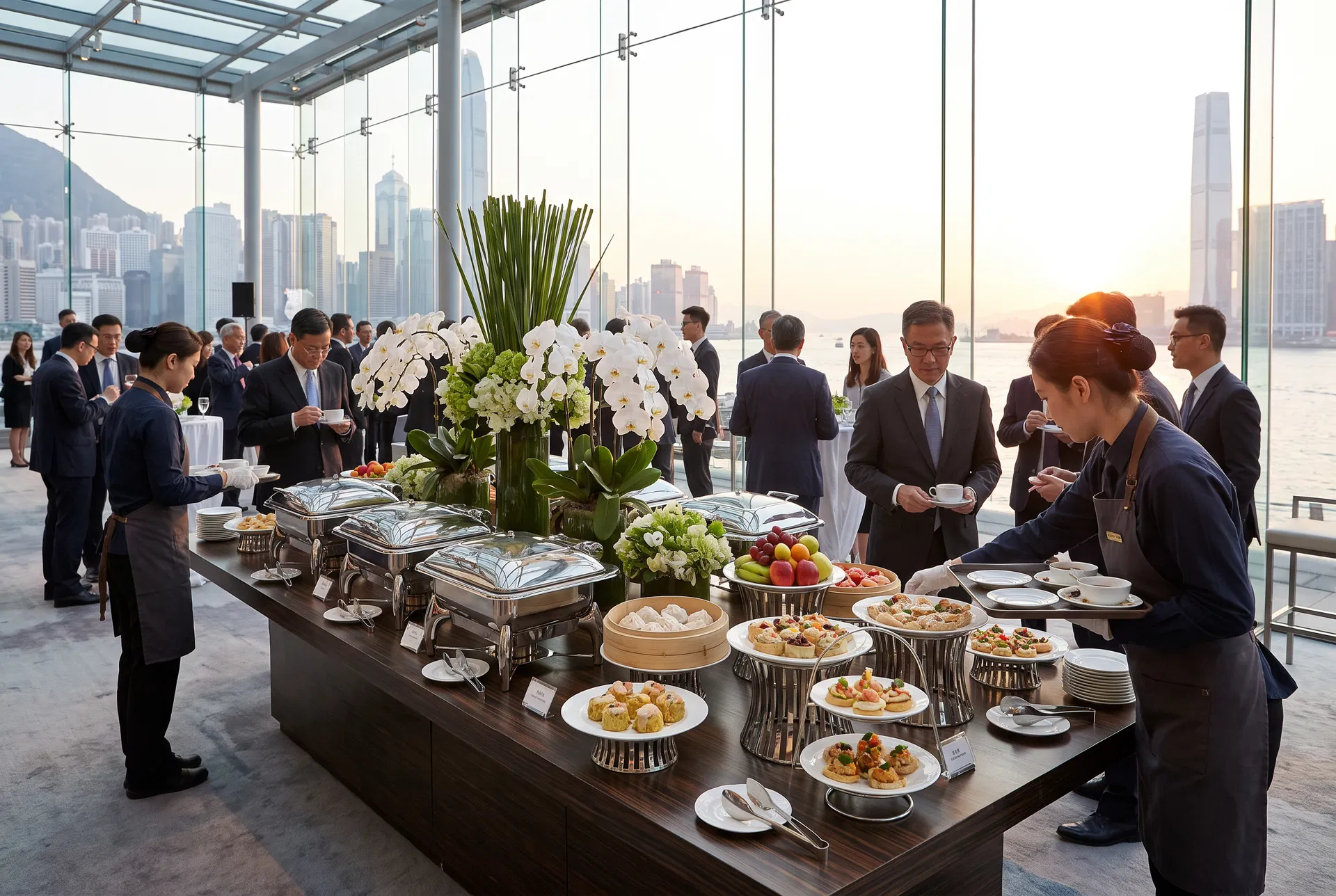
Turn an everyday meal into a food-science discussion
Use questions to guide observation
A meal provides familiar objects for careful observation. Depending on the menu and the lesson plan, pupils can discuss how foods differ in appearance, shape, texture or arrangement. An adult can invite them to record what they notice, compare descriptions, and consider how packaging helps keep items together during transport. These are discussion prompts, not evidence that a particular dish demonstrates a scientific principle by itself.
Keep practical activity and meal service distinct
A short activity might ask groups to sort examples by a visible feature, explain the rule they used and see whether another group would classify them in the same way. This keeps attention on evidence and clear communication. If a lesson includes a science experiment, plan its materials, supervision and clean-up separately; do not assume that catering supplies are suitable for an experiment or that a food supplier provides teaching materials.
Connect the activity to a wider programme where useful. A class exploring a science experiment can use food as a familiar context for observation, while a kids coding class or kids robotics session may sit elsewhere in the day’s timetable. These subjects need not be forced into one task: a coherent event can include distinct sessions, with transitions and breaks planned so pupils have time to take part and eat.
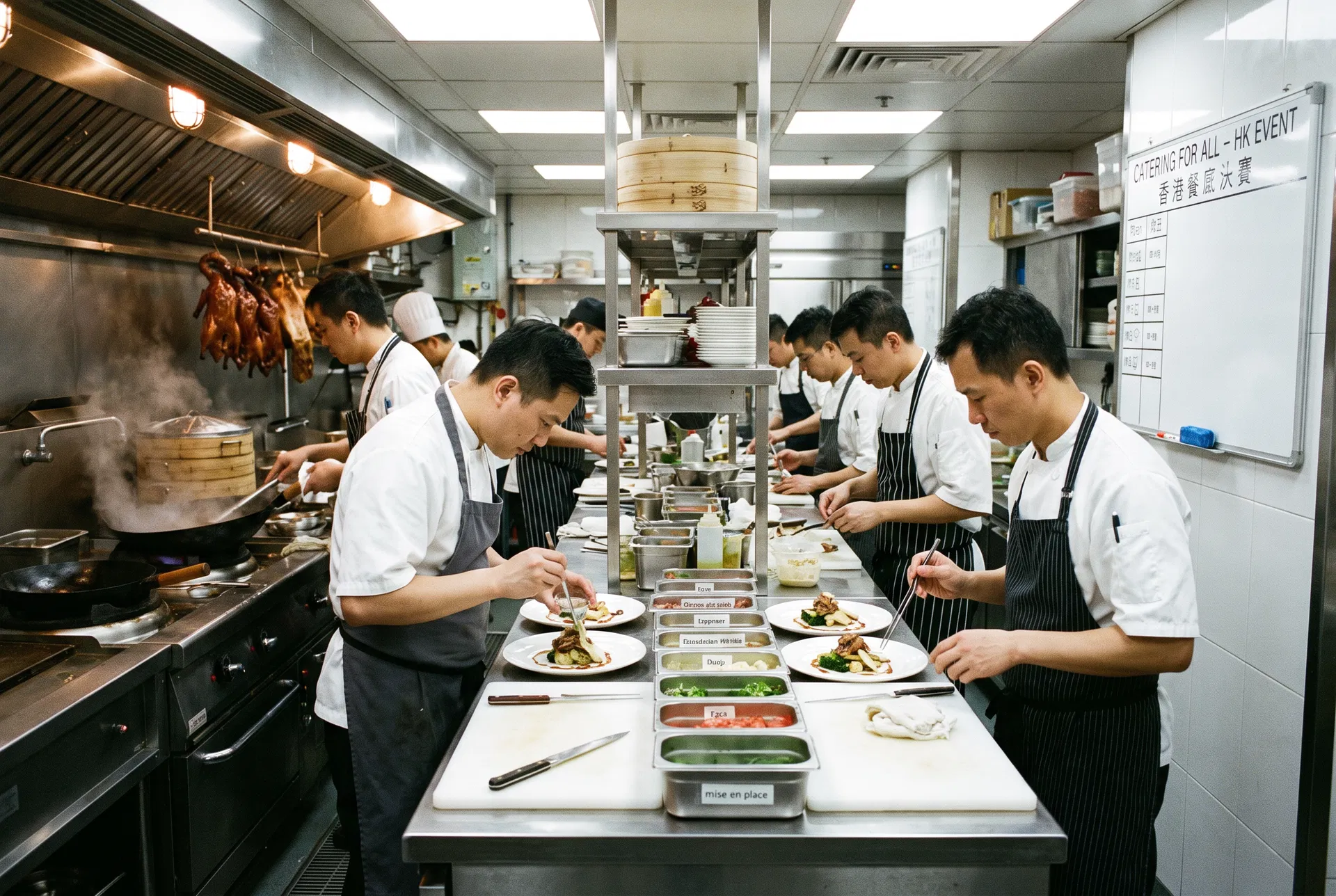
Compare lunch-box catering, shared food and sushi catering
Would lunch-box catering suit the room?
Individually packed meals may be practical when participants need to collect food quickly or eat in a classroom, but the organiser should check what the supplier offers and whether the venue can store and distribute the order as planned. Shared platters may suit a different layout or style of event, but can require more table space and a clear approach to serving. Neither format is automatically best for every school activity.
Ask what is included before deciding
Sushi catering can be considered as one possible menu format, not as a guaranteed fit for every age group, venue or dietary need. Ask for the exact menu and ingredient information, and check whether the supplier can answer questions about substitutions or separate orders. Do not infer that a menu is suitable for a restriction simply because it contains familiar ingredients; confirm the relevant details directly with the provider and the school’s responsible staff.
When comparing options, ask about portioning, packaging, utensils, delivery charges, minimum order, delivery window and what happens if the participant count changes. Ask whether setup or collection is included rather than assuming it is. For a school group, it is also useful to know how meals will be labelled and handed out, and whether the supplier can provide the information the school needs to organise distribution. Record the agreed arrangements in writing.

Collect dietary information and confirm menu details
Give families a clear way to share requirements
Schools should decide how to collect relevant dietary information before placing an order, using their established communication process. Ask families or participants to provide the information needed for the event, and make clear who will receive it. Share only what is necessary with the people responsible for arranging and distributing food. Avoid relying on informal recollection on the day, especially where a large group is involved.
Verify what the supplier can accommodate
When contacting a supplier, describe the requirements in the terms provided by the participant and ask what they can confirm. Possible requests may include vegetarian choices or other specified dietary needs, but availability and handling depend on the provider. Do not assume that a supplier can provide every alternative, or that a dish is free from an ingredient or suitable for a particular diet without explicit confirmation.
Before finalising, check the menu, quantities, labels, delivery time and any agreed alternatives against the event list. If the menu changes, ask for updated information rather than relying on an earlier version. The school remains responsible for deciding whether the information it receives is sufficient for its own arrangements. If the supplier cannot give a clear answer to a relevant question, consider another option or make a different plan with the responsible staff.
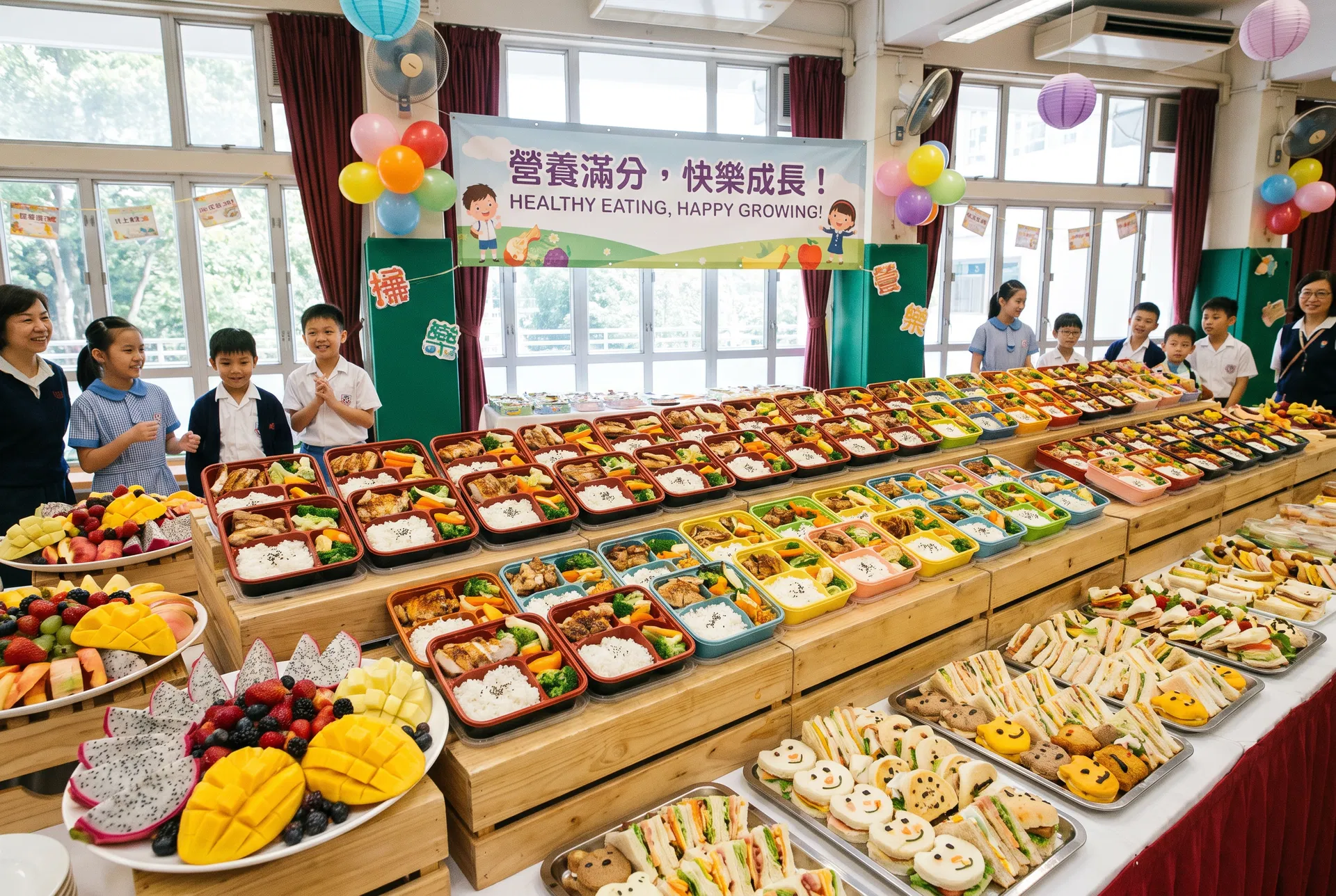
Build catering breaks into the event schedule
Allow time to eat and reset
A break needs to reflect the event’s actual schedule, participant numbers and venue layout. A short workshop may have one mid-session break, while a longer programme may need separate refreshments and a meal period. A 15–20-minute break for a two-to-three-hour workshop can be a planning starting point, not a fixed rule. Allow more time if participants need to collect meals, move between rooms or queue.
Plan delivery, distribution and clear-up
Set a delivery window that gives the organiser time to receive and check the order before the planned break. Confirm who will meet the delivery, where food can be placed, and whether the building has access restrictions. If the venue has rules about deliveries, waste or eating in teaching rooms, establish them in advance. A plan that works in theory may not work if tables, access or staff availability differ on the day.
Include time for distributing food, eating and clearing the area before the next session begins. Decide who will manage rubbish and any reusable items, and whether the venue expects the room to be returned to a particular condition. For larger groups, think through how participants will be directed and whether they can collect food without interrupting other activities. These simple logistics can matter as much as the menu itself.

Ask suppliers clear questions about school catering
Compare complete quotes, not headline prices
Request a written quote based on the event date, venue, participant count, menu and delivery requirements. Ask what the quoted amount covers, including delivery, packaging and any service or setup elements, and whether there is a minimum spend or order. Costs vary by supplier, menu, location, quantities and date, so obtain up-to-date quotes directly rather than relying on example per-person prices.
Check the order and change arrangements
Compare offers on a like-for-like basis. A lower quoted price may cover a different menu, portion size or delivery arrangement, so ask for a clear breakdown before deciding. If the budget is fixed, explain it and ask what options the provider can actually offer. Do not assume that a custom package, multiple alternatives or a particular level of service is available until it has been confirmed.
Ask how long the supplier needs to confirm an order, when the final headcount is due and what changes are possible afterwards. Confirm cancellation, amendment and payment terms directly rather than assuming a particular policy or payment method. Keep the supplier’s written confirmation with the event plan, including the final menu, delivery instructions, contact person and agreed response to any change.

A practical checklist for the day of the STEM event
Confirm responsibilities before arrival
Before the event, share a concise run sheet with the staff involved. Include the session timetable, expected numbers, catering contact, delivery window, receiving location, distribution plan and the person responsible for checking the order. Ensure that the organiser knows which dietary details have been confirmed and where the final menu information is kept. This is an organisational checklist, not a substitute for the school’s own policies or the supplier’s instructions.
Review the plan after the event
On arrival, check that the delivery matches the written order and that the quantity and labels appear consistent with what was agreed. If something is missing or unclear, contact the supplier and the school’s designated organiser rather than guessing. Keep the meal break within the planned schedule where possible, but allow the responsible staff to adapt if delivery or room conditions differ from expectations.
Afterwards, note what worked and what should change next time: whether the delivery window was suitable, whether distribution took too long, and whether the format fitted the room. For future events, use the same review process to update assumptions rather than relying on an old quote or menu. A clear record makes future planning easier while leaving room for each event’s particular group, venue and learning goals.

Catering information to check with providers
If this option is relevant to your event, review school catering and confirm the menu, delivery arrangements, dietary information and booking terms directly with the provider.
If this option is relevant to your event, review bento catering and confirm the menu, delivery arrangements, dietary information and booking terms directly with the provider.
If this option is relevant to your event, review sushi catering and confirm the menu, delivery arrangements, dietary information and booking terms directly with the provider.
FlintHub and the linked partner website have common ownership. This link is not an independent endorsement, tested recommendation or confirmation of availability.
Questions about school catering
How far in advance should I book catering for an event?
As a planning starting point, allow at least five to seven working days, and longer during busy periods or for larger events. Availability depends on the supplier, date, menu and delivery location, so ask the provider for its current booking deadline and when it needs the final headcount.
How do I choose a catering package for the number of participants?
Start with a confirmed or realistic headcount, the event duration, participants’ ages, venue layout and dietary information. Ask suppliers which formats and quantities they can offer for those circumstances, and check whether the quote includes delivery and packaging. Do not assume that a particular package is suitable without confirming the details.
How can I check how food is handled during delivery?
Ask the supplier how it maintains appropriate food temperatures during delivery, what packaging it uses, and what storage and handling instructions the school should follow after receiving the order. Confirm any claimed food safety certifications or standards directly, including what they cover, rather than assuming they guarantee safe handling.
When is the best time to schedule a workshop refreshment break?
Choose a break that fits the session plan, venue and time participants need to collect and eat food. A 15–20-minute break midway through a two-to-three-hour workshop can be a starting point; a half-day event may need separate refreshment and meal periods. Adjust these suggestions to the group size and actual schedule.
How should vegetarian or other dietary requirements be handled?
Collect requirements through the school’s usual process and ask the supplier, in advance, which options it can confirm. Check the final menu and any labels directly, and share information only with the people who need it to organise the event. Never assume that a substitute is available or suitable until confirmed.
How is catering cost usually calculated?
Quotes may depend on the menu, quantities, service requirements, delivery and minimum order. Request a current written breakdown for your event rather than relying on example prices, which may not reflect present-day offers. Compare like-for-like details and confirm any additional charges or order-change terms.
Prepared with AI assistance and local editorial adaptation. This is planning guidance, not a record of a delivered event. Confirm current arrangements directly; images are references and do not verify a particular class or event.
After confirming classroom or specialist-room conditions, a school can compare whether STEM school programme Hong Kong belongs within its current science topic or project learning.
For a school planning a hands-on learning day, a school workshop Hong Kong can be scoped around the timetable, space, and pupil group.
Before scheduling a staff development day, a teacher training workshop Hong Kong helps colleagues compare the time needed for modelling, rehearsal and reflection.