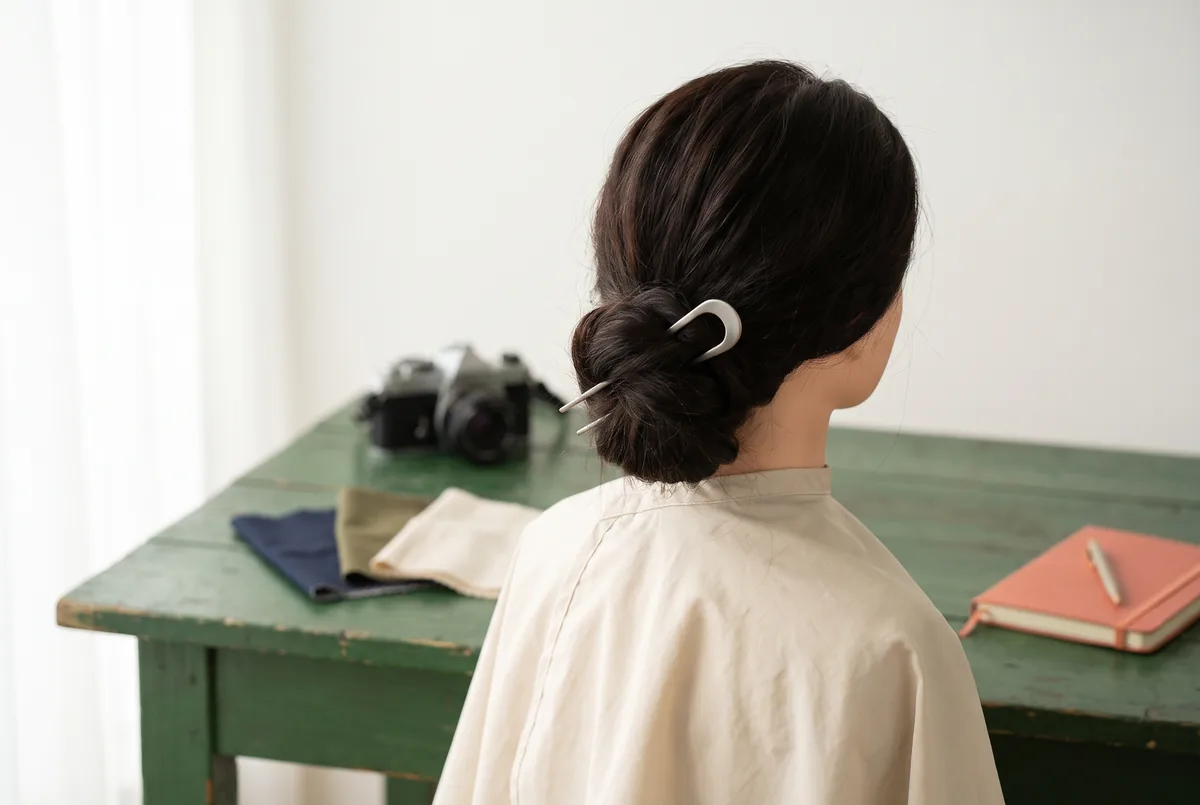
Keep optional colour work on a separate planning branch, and make the wedding-day schedule depend only on a feasible styling brief and confirmed arrangements. A wedding grooming dependency chart shows what must be decided first, who owns each decision and which fallback lets portraits proceed without unresolved chemical work.
For adults preparing a Hong Kong wedding, this is more useful than choosing a generic number of days between colouring and the ceremony. The date is fixed; hair suitability, product precautions and service availability are not determined by that date. The aim is a workable portrait plan, not a deadline that pressures someone into processing their hair.
1. Define the event path before choosing a new shade
A critical path is the chain of tasks that must happen in sequence for an event milestone to be reached. For portraits, that might be confirmed styling, salon departure, transport, dressing and arrival at the photography location. An optional colour change belongs on that chain only if the agreed styling genuinely depends on it. Usually the better question is whether the desired portrait can work with the current colour.
Write the earliest occasion when hair must be ready. A tea ceremony, registry appointment and hotel portrait session can have different requirements. Do not use the evening banquet start as the deadline if the first close-up photographs happen much earlier. Record travel between locations, outfit changes and the person responsible for helping with a veil.
The event setting also has dependencies. Use FlintHub's Proposal and wedding decoration planning when coordinating the visual background and event arrangements, but keep those decisions distinct from any salon enquiry. A backdrop can proceed while a colour option remains undecided. Common ownership does not turn separate service discussions into a combined wedding booking.
2. Rank portrait priorities and acceptable compromises
Start with three visible priorities, not a collection of conflicting inspiration photographs. You might want earrings visible in a side portrait, the dress back clear and a familiar appearance in family photographs. Add comfort as a requirement rather than something to evaluate only after a style has been chosen.
The first table separates the photographic goal from a possible hair change. Fill it with your own details. Its purpose is to reveal when colour is an aesthetic preference rather than a prerequisite for being ready.
| Portrait priority | What to check first | Optional change | Fallback if the change stays unresolved |
|---|---|---|---|
| Visible earrings | Hair position in the side view | Different face-framing layers | Discuss arranging existing hair away from the ear |
| Clear dress back | Where loose lengths fall | Shorter overall length | Consider a gathered outline with current length |
| Softer colour contrast | Current hair under the intended light | A new tone or lighter sections | Retain current colour and review the background |
| Recognisable family portraits | Whether the reference feels like you | A dramatic cut and shade together | Choose a familiar shape and defer the restyle |
| Comfortable veil placement | Actual comb, weight and collar contact | More elaborate pinned structure | Discuss a simpler accessory or placement |
A fallback is not a promise that every shape can be created on every head of hair. Existing layers, density and texture still need discussion. Equally, lighting cannot erase colour bands or guarantee a particular shade on camera. Its role is to help judge the real portrait requirement, not disguise a result or justify unnecessary processing.
3. Write the styling brief without making colour compulsory
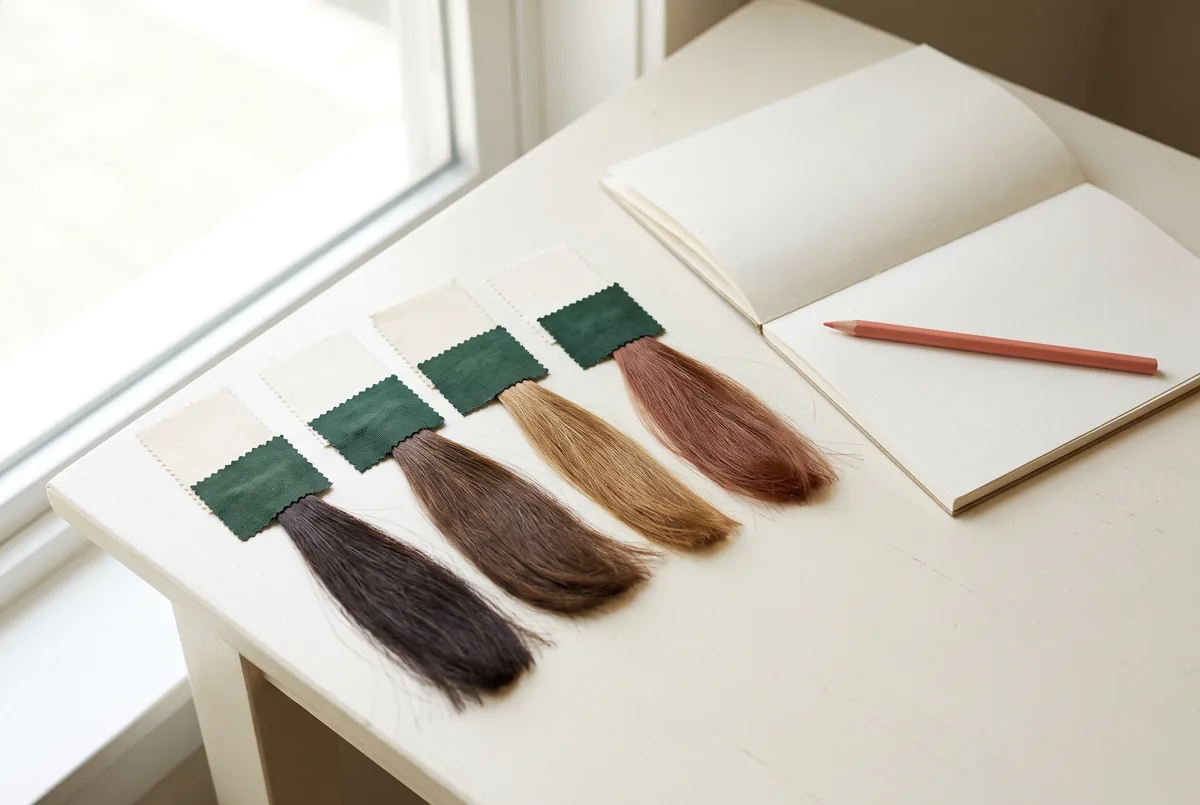
Prepare current front, side and back hair photographs, dress details and the actual accessory attachment. Label each reference with one feature you want: the parting, ear exposure, gathered height or visible movement. State what must remain possible, such as tucking hair behind an ear or sitting comfortably against a car seat.
Vit So's bridal hair page is a starting point for a hair-only salon enquiry using those details. In the dependency chart, record the proposed outline and required departure time separately from colour ambitions. A styling enquiry does not establish an included trial, makeup, another person's styling, hotel attendance or continuing touch-ups. Those are separate scope and availability questions, not supporting tasks already secured by the bridal label.
Ask whether the outline can be discussed using your present colour and length. If the stylist identifies a real dependency, write down what it is. “The reference needs more length than I currently have” is more actionable than “I need a complete transformation.” Any proposed added hair would introduce its own suitability, supply and fitting questions.
FlintHub's Wedding floral workshop is relevant to adults developing floral ideas for the occasion. If a floral piece is intended for the hair, share its actual size and attachment for the styling discussion. A workshop choice does not establish that a salon will fit it or that a heavier piece will sit comfortably.
4. Treat cut-and-colour scope as an optional branch
A haircut and a colour change affect different dependencies. Cutting can change the length available for gathering, the position of short layers and the accessory support. Colour changes the visual brief and may involve assessment of previous processing. Separate them even if you initially hope to arrange both in one visit.
When comparing a haircut and colour package, use the current menu to identify questions rather than confirm a wedding arrangement. Ask which listed combination, if any, matches the assessed work; what is included; what would be additional; and what complete visit is proposed. The phrase alone does not establish bridal styling, a discount, every lightening stage or completion in one appointment. Obtain a specific scope before placing either cutting or colouring into the event schedule.
There is a useful tradeoff here. Combining decisions may simplify administration, but it also makes a revised colour plan capable of disrupting a needed haircut. Separate visits may create extra travel and coordination. Decide whether that burden is worthwhile only after learning which services are suitable and available. Do not assume either arrangement is inherently safer.
Give optional colour its own decision owner and status. A partner can manage appointment messages, but the adult receiving the service decides whether to proceed. Record an unknown product or uncertain treatment history as unknown, not as an empty box that others interpret as “no previous chemicals.”
5. Use assessment gates, not a universal waiting period
A calendar reminder cannot clear chemical uncertainty. Share previous dye, bleach, perm and straightening work, including home products where known, and mention earlier reactions or current scalp irritation. Ask about the proposed product's instructions and any required preliminary testing or preparation before agreeing to treatment.
The US Food and Drug Administration advises following hair-dye directions. It explains that a reaction can occur despite previous uneventful use, and that no reaction during a preliminary skin test does not guarantee no reaction during dyeing. It also advises against dyeing an irritated, sunburned or damaged scalp.1 These are relevant consumer precautions, not Hong Kong regulatory rules or an endorsement of a salon.
The chart therefore needs an assessment gate: a decision that must be resolved before that optional branch advances. Product-specific requirements and the assessment of actual hair and scalp conditions govern the proposed arrangement. This article does not prescribe a universal interval between colour, other chemical services and wedding portraits. More calendar space is not proof that any combination is appropriate.
Choose an administrative decision point when you will stop revising the event brief. This is a coordination deadline, not medical clearance. If suitability or timing remains unresolved then, retain the current colour and ask whether the styling-only plan remains feasible. If a reaction occurs, seek healthcare advice; do not make another cosmetic service the automatic solution.
A non-chemical fallback still deserves care. The American Academy of Dermatology recommends limiting heat exposure, using the lowest heat setting and avoiding tightly pulled-back styles and tugging.2 Discuss gentle handling and comfortable tension. A pinned shape is not automatically harmless, and a looser finish is not a guarantee of all-day hold.
6. Move an enquiry to confirmed status before relying on it
An enquiry, a proposed scope and a confirmed appointment are different states. Give them separate labels in the chart. “Message sent” cannot support a transport booking that assumes a particular finish time. “Scope discussed” cannot establish that the chosen date is available.
To book a hair appointment, send the current hair details, proposed work, preferred dates and firm departure requirement, then wait for the arrangement to be confirmed. Vit So's single appointment address is 252 Hollywood Road, Sheung Wan, Hong Kong. Ask about the consultation language if English communication is important; an English website does not prove spoken English reception. Start from the in-salon arrangement rather than assuming service at a hotel or portrait location.
Retain the accepted service list, quote, arrival time, preparation instructions and any payment or change conditions together. Identify the person who will relay later changes. If the scope changes, ask whether the quote and timing still apply instead of assuming the earlier confirmation covers the revision.
Transport needs its own realistic allowance for the route and conditions. Avoid building the day around an unsupported service-duration estimate or an exact journey promised by a friend. Make the salon departure requirement clear, but recognise that a desired deadline is not itself an accepted appointment commitment.
7. Complete a hypothetical dependency worksheet
Consider a hypothetical adult bride planning a morning tea ceremony, later hotel portraits and an evening banquet. She prefers a low gathered shape, wants her earrings visible and is considering a lighter brown tone. None of the services below is booked; the table illustrates how to prevent the colour preference from controlling the whole plan.
| Decision or task | Must be resolved first | Who owns it | Status in this hypothetical plan | Action if unresolved |
|---|---|---|---|---|
| Portrait brief | Outfit sequence and important views | Bride with photographer | Agreed using current colour | Keep the same priorities |
| Styling outline | Current hair and accessory discussion | Bride with stylist | Enquiry only | Seek a feasible simpler outline |
| Optional lighter tone | History, assessment and product requirements | Bride with stylist | Undecided | Remove colour from event dependencies |
| Possible cut | Length needed for agreed outline | Bride with stylist | No cut approved | Preserve current length pending discussion |
| Salon visit | Accepted scope, quote, date and timing | Bride and salon | Not confirmed | Do not rely on a presumed slot |
| Portrait arrival | Confirmed preparation and transport plan | Couple or coordinator | Provisional | Revise logistics using confirmed facts |
To use the worksheet, first circle the fixed event milestones. Next, draw an arrow only where a task truly requires an earlier decision. Put styling on the event branch and colour on its optional branch. Add a written note wherever the two interact, such as a proposed cut changing the gathered shape.
Finally, assign one person to update the shared version when a decision is confirmed, changed or dropped. In this example, deferring colour leaves the portrait brief intact, but it does not magically confirm styling. That remaining booking dependency still needs resolution. The tool protects decision clarity; it cannot guarantee availability, prevent every delay or assess chemical suitability.
FAQ
How far before the wedding should I colour my hair?
There is no universal interval supplied here. Discuss your treatment history, intended change and the actual product requirements. Keep colour optional until its suitability and appointment arrangements are resolved. An event-planning deadline is not a safety waiting period.
Does choosing a package also secure bridal styling?
No. Compare the named work and obtain an applicable quote. Bridal styling, accessories, trials and any additional looks need their own scope discussion. A menu combination does not confirm a wedding-date appointment.
Can I plan for hotel styling instead of travelling to the salon?
Not without explicit confirmation of that arrangement. The verified starting point is the single Sheung Wan salon. Do not remove travel from the itinerary because a service page mentions weddings.
What if I decide against colour after discussing it?
Tell the salon and update the worksheet. Ask whether the revised styling or cutting request is still feasible, how the quote changes and whether the proposed timing remains available. Do not silently carry forward confirmation for a different scope.
Can a bridesmaid use the same chart?
Yes. Each adult participant can record their own portrait needs, hair history and appointments. Shared transport may depend on everyone's confirmed finish arrangements, but one person's quote or booking does not cover the others.
About FlintHub Academy
FlintHub Academy is the institutional author of this creative-event planning article. It was prepared with AI-assisted organisation and institutional editing. FlintHub Academy and Vit So share common ownership; the links are not independent endorsements. This is not a hairstylist-authored review, an expert-reviewed assessment or medical advice.
References
- [1] FDA: Hair Dyes
- [2] American Academy of Dermatology: 10 hair care habits that can damage your hair
FlintHub Academy · AI-assisted editorial prepared from public information. FlintHub publishes creative-learning and activity-planning resources. This is not a first-hand salon test, a real client case or a claim of hairdressing, clinical or medical credentials.