
Quick answer
The best class depends on your aim, experience, budget and available time. For a relaxed first try, look for a clearly described beginner session and check whether it includes materials, glazing and firing. If you want to build technique, ask about class size, tutor support, practice time and the full course outline. Compare the finished project, collection arrangements and total cost—not just the headline price—and confirm all details with the studio before booking.
Decide which pottery class is best for your aims
A taster or a course: which pottery class is best for you?
A search for which pottery class is best can bring up lists that imply there is one clear winner. In practice, the right choice depends on what you want from the session. A short class may suit someone curious about clay and keen to make a simple object; a series may be a better fit if you want time to practise and understand several stages of the process.
What you hope to make
Think about the kind of experience you would enjoy. Do you want to work at a wheel, shape clay by hand, decorate a prepared piece, or learn more than one technique? These are not interchangeable activities. Read the class description closely, and ask what participants will make and whether the project is fixed or can be adapted to their experience.
Compare what is actually included
Compare the full offer rather than relying on a headline or promotional photograph. Check the session length, group size, tutor support, materials, glazing and firing arrangements, and whether the finished work is included in the quoted fee. A useful pottery class comparison sets out these details side by side, while leaving unconfirmed claims—such as the quality of teaching or likely results—to be checked with the provider.

Wheel throwing and hand-building offer different experiences
What a pottery throwing taster involves
Wheel throwing uses a spinning wheel to shape clay, often into forms such as bowls or cups. It can be absorbing, but controlling the clay takes practice. A pottery throwing taster is therefore best understood as an introduction to the process, rather than a promise that a beginner will produce a perfectly even vessel. Ask how much of the session is demonstration and how much time each participant gets at the wheel.
Hand-building and creative freedom
Hand-building uses the hands and simple shaping techniques to form an object without a potter’s wheel. Depending on the class, participants may pinch, coil or build from slabs of clay. This approach can offer more freedom in shape and decoration, although the project and level of tutor support vary. Check whether the session is designed for first-timers and what kinds of objects are suitable for its duration.
Choose by interest, not assumptions
Neither method is automatically easier or better for everyone. A wheel session may appeal if you are curious about the movement and feel of turning clay; hand-building may suit you if you prefer shaping at your own pace. Some studios offer both, but do not assume that a booking includes a choice. Confirm the technique, project and any age or participation requirements before reserving.

Compare class fees by checking the full cost
What the quoted price covers
Fees can vary with the studio, location, session length, class format and what is included. The source information for this guide gives indicative Hong Kong ranges of HK$300–HK$600 for a one-off session and HK$2,000–HK$5,000 for a four-to-eight-session course, but these figures are not verified current prices. Treat them only as a starting point and request an up-to-date quotation from each provider.
One session versus a multi-week course
Ask whether the fee covers clay, tools, glazing, firing and the finished item, or whether any of these are charged separately. Also check whether the quoted amount is per person, whether there is a minimum group size and what happens if you need to change your booking. A lower advertised price may not represent the total cost if important stages or materials are excluded.
Questions about firing and collection
Finished work usually needs time to dry and be fired, so collection may not happen on the day. The source FAQ mentions an indicative two-to-four-week wait, but timing depends on the studio’s process and workload. Confirm the expected collection window, how you will be contacted, how long an item will be held and whether delivery is available. Do not assume postage or collection is included.

Choose a location and class format that work for you
Factor in travel and session timing
Convenience matters, especially if a course involves multiple visits or you need to return to collect a finished piece. Search by the districts that are practical for you, then confirm the studio’s exact location and current class schedule directly. A listing for a pottery class in Causeway Bay, for example, is a useful place to begin a location search, not proof of a particular venue’s present timetable or facilities.
Check venue and group arrangements
The venue can affect the experience, but photographs and broad descriptions do not tell you everything. Ask whether the session takes place in a dedicated studio or another type of venue, what facilities participants can use and whether the class is seated or involves standing. If you have access or other participation needs, raise them with the provider before booking rather than assuming an arrangement is available.
Ask about family or group suitability
For friends, families or workplace groups, check the maximum and minimum group size, whether everyone works on the same project and whether private sessions can be requested. The source material describes pottery as a possible group activity and gives an unverified capacity range of eight to 20 people; do not rely on that as a general rule. Ask the chosen studio what it can accommodate and whether group arrangements affect the fee.

Check that the class suits beginners and children
No previous experience required?
Many introductory sessions are intended for people new to pottery, but the wording alone may not explain how much help is available. Ask whether the tutor demonstrates each stage, how participants can get assistance and whether the project is designed for a first session. If you are comparing a pottery workshop with a longer course, check whether beginners can join at the start of the course or need prior experience.
Age guidance and adult participation
Age limits should be confirmed with the provider because they can depend on the activity, venue and class format. The supplied FAQ mentions five years as a general suggestion and notes that some providers may offer sessions for younger children with an accompanying adult, but neither is a universal rule. Ask about minimum ages, adult supervision, suitable projects and whether the session is specifically designed for families.
What to wear and bring
Before attending, find out whether tools, aprons or other materials are provided and whether there is anything participants should bring. Ask what clothing is appropriate for working with clay and whether the studio has any particular arrival instructions. These are practical details to verify, not universal requirements. If someone in your party has an access need, discuss it with the studio in advance so you can understand what arrangements are possible.
Questions to ask before you reserve a place
Tutor support and class size
Ask who leads the session, how many people are expected and what kind of guidance is available during the activity. Avoid assuming a class includes one-to-one tuition, a particular teacher’s experience or a set instructor-to-participant ratio unless the provider confirms this. If you are booking for a group, clarify whether one tutor will lead everyone and how the activity is adapted for mixed experience levels.
Cancellation, changes and payment
Read the booking terms before paying. Confirm the payment methods the provider accepts, the deadline for changes, any cancellation charges and what happens if the studio has to reschedule. These details will differ by provider, so ask for the current terms rather than relying on a general promise.
Confirm details in writing
Keep a record of the booking confirmation, quoted fee and any agreed arrangements. It should be clear what is included, when and where to arrive, how long the session lasts, and what to do if you have a question. If you are arranging a school or workplace event, ask the provider to confirm the proposed format, group size, venue and price in writing before treating them as settled.

A simple shortlist for finding the right class
Match the activity to your priorities
Make a shortlist around your priorities: technique, location, session length, budget and whether you want a one-off experience or ongoing practice. Then compare like with like. A short hand-building session and a multi-week wheel course have different aims, so they should not be judged solely by price or by which one produces a more polished-looking example.
Compare providers on equal terms
Look at current descriptions and ask each provider the same practical questions. Confirm the project, age guidance, group size, materials, firing, collection and booking terms. This article does not rank six studios or claim to have tested their classes; the source material does not supply verified studio names, current offers or evidence for such a comparison. Direct confirmation is the reliable way to establish what is available when you plan to attend.
Use 2026 as a planning horizon
If you are planning for 2026, use that as a planning horizon rather than assuming that schedules, fees or terms will remain unchanged. Availability and arrangements can change, so check again when you are ready to book. If you are also exploring other creative activities, you can browse local listings for art workshops or DIY crafts, then compare their current details in the same way.

Questions about which pottery class is best
How many sessions does a pottery class usually take?
It depends on the format and what you want to learn. A one-off introductory session may last around two to three hours, while a course may run over several sessions. The source material gives four to eight sessions as an indicative range, not a standard. Check the current course outline and session length with the provider before booking.
What is the difference between wheel throwing and hand-building?
Wheel throwing shapes clay on a rotating wheel and usually takes practice to control. Hand-building forms clay by hand, often without a wheel, and can allow more freedom in shape. Class projects vary, so ask which technique is taught, how much practice time is included and whether beginners are welcome.
How much does a pottery class cost in Hong Kong?
Prices vary by studio, class length, location and what is included. The source gives indicative figures of HK$300–HK$600 for a one-off session and HK$2,000–HK$5,000 for a four-to-eight-session course, but these are not verified current prices. Request a current total, including any materials, glazing or firing charges.
How long does it take to collect a finished pottery piece?
The work may need time for drying and firing before it can be collected. The source gives two to four weeks as an indicative wait, but timings depend on the provider and the work involved. Confirm the expected collection date, collection arrangements and whether delivery is offered before you attend.
What age is suitable for a child to attend a pottery class?
There is no single age limit that applies to every class. The source suggests that some sessions may suit children aged five and above, while some providers may offer family sessions for younger children; these details are not universal. Ask the studio about its minimum age, adult supervision and whether the activity is suitable for your child.
Can pottery classes be booked for a group activity?
Some providers may offer group sessions, but capacity, project options, tutor support and pricing vary. The source mentions groups of eight to 20, which should not be treated as a general capacity. Contact the studio with your group size and preferred date, and confirm the format, venue and total cost before making plans.
Prepared with AI assistance and local editorial adaptation. This is planning guidance, not a record of a delivered event. Confirm current arrangements directly; images are references and do not verify a particular class or event.
When comparing hand-building and wheel-based options, an enquiry about pottery class Hong Kong can bring material feel, vessel ideas and aftercare into one practical plan.
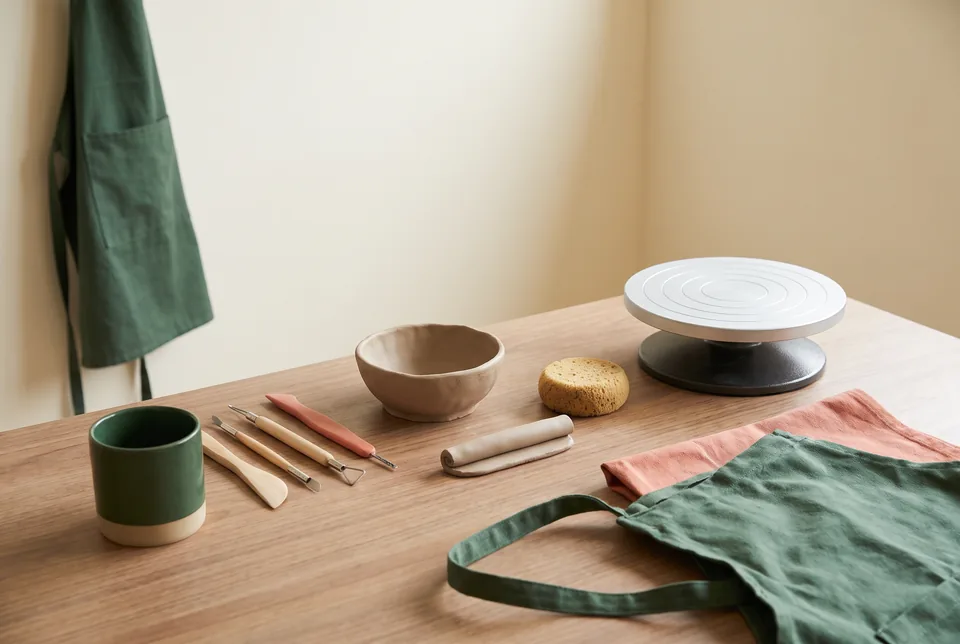
For a company gathering that needs room for beginners and conversation, an art workshop Hong Kong can be a practical starting point for discussing media and staggered timing.
Families or cross-team groups that want to decide on colours together can enquire whether a fluid art workshop Hong Kong suits their numbers and available time.