Quick answer
Most introductory pottery sessions focus on wheel-throwing, hand-building or decorating a pre-made piece with glaze. Wheel-throwing offers the familiar spinning-wheel experience; hand-building allows more freedom with forms, while glazing is centred on colour and surface design. Before booking, ask what the session includes, whether firing is covered, when finished work can be collected, and what age limits, prices and rescheduling terms apply. Details vary between providers and locations.
Hong Kong pottery class guide: three formats to compare
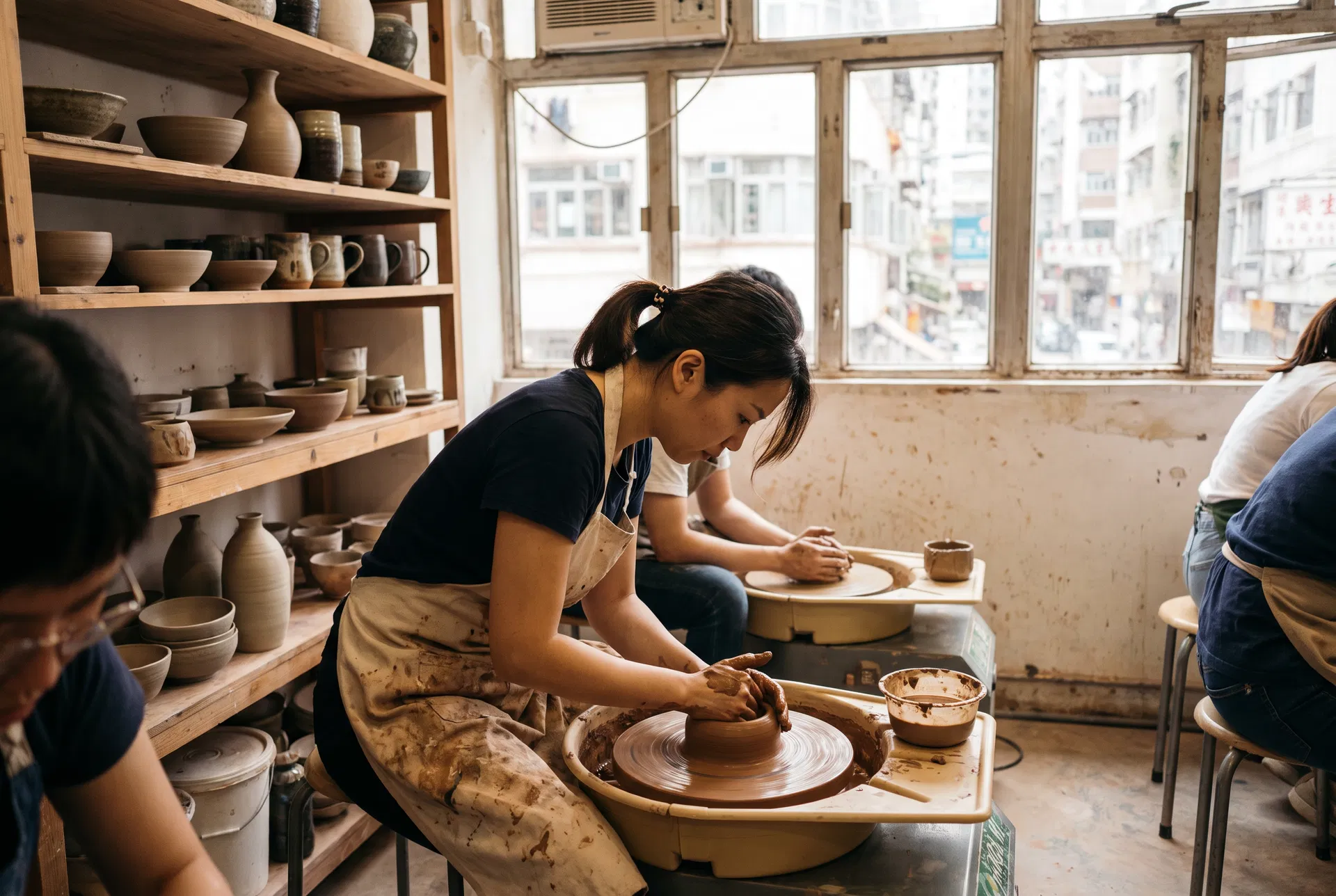
What happens in a wheel-throwing experience
A pottery class can mean several quite different activities. A wheel-throwing experience centres on shaping clay as it turns on a pottery wheel. Beginners are usually introduced to the basic movement and form of the process, although the amount of time spent practising and the number of pieces attempted depend on the particular session. Ask whether instruction includes trimming or finishing, or whether those stages take place later.
How hand-building differs
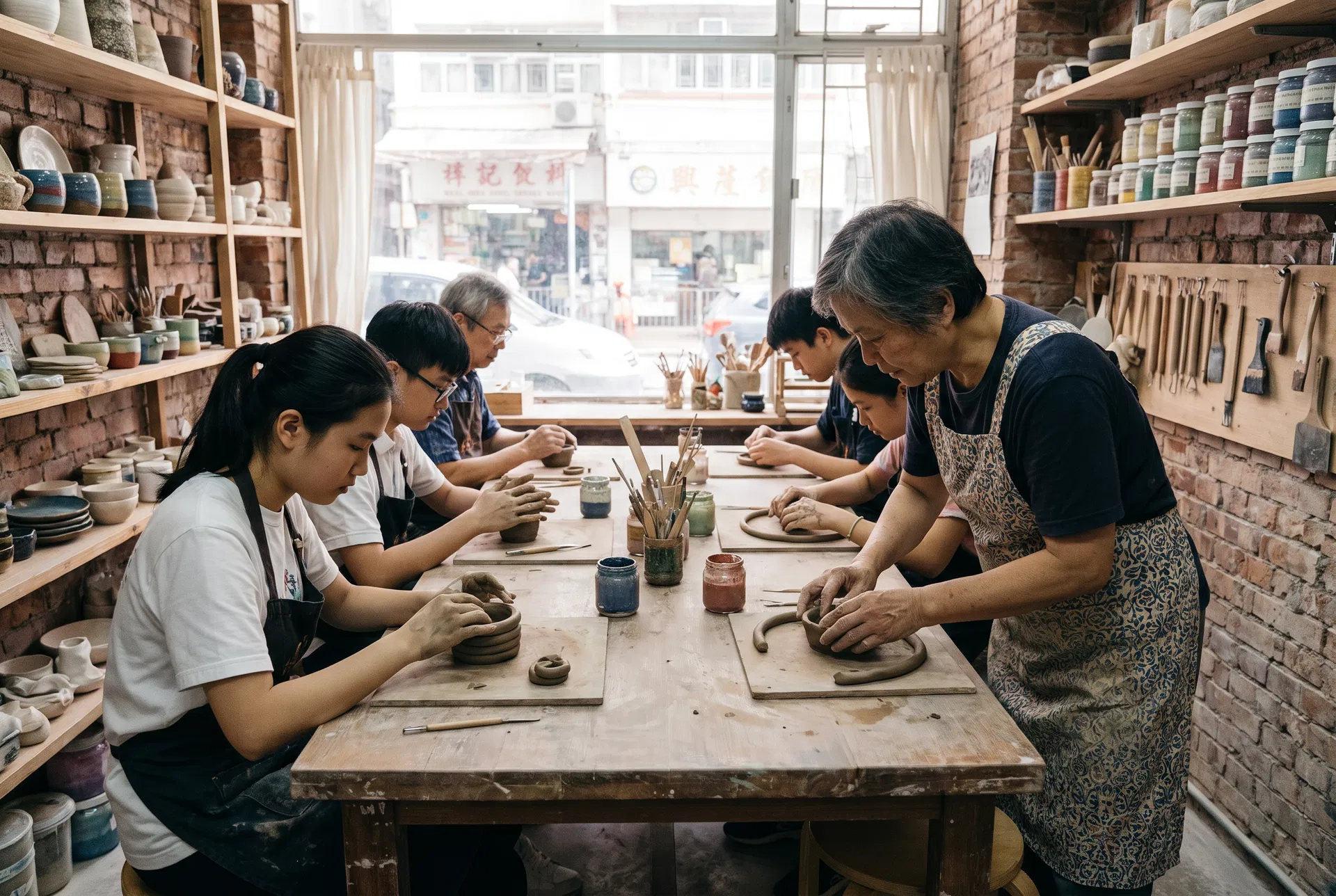
Hand-built pottery is made without shaping the clay on a wheel. Depending on the class, participants may form pieces by pinching, coiling or joining slabs. This format can allow more freedom in the shape of an object, which may appeal if you want to make a small sculpture or an individual design rather than a symmetrical vessel. The class description should clarify which techniques are included and what you are expected to complete during the session.
Decorating with glaze
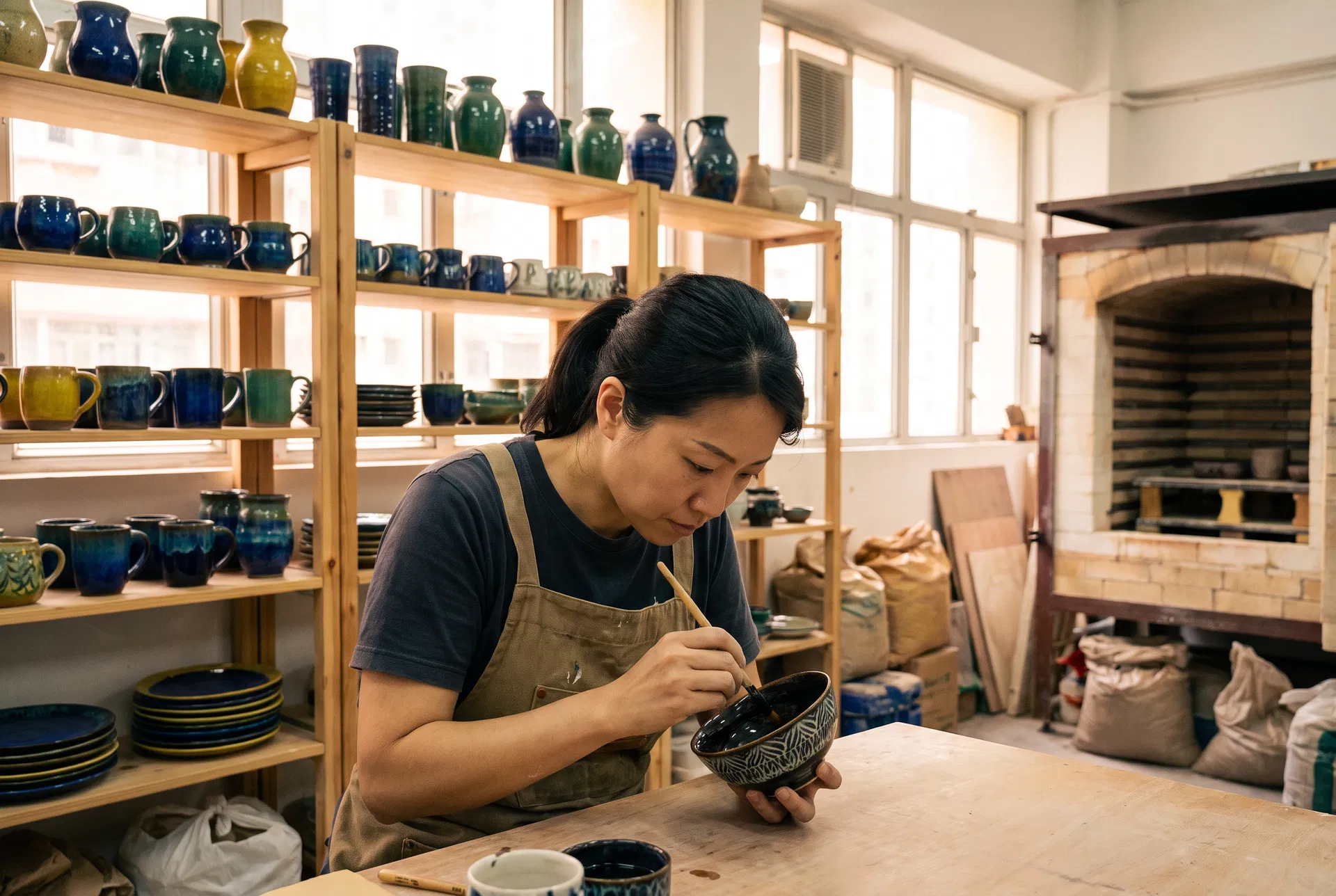
Glazing sessions often involve decorating a pre-made ceramic piece rather than forming a new object from raw clay. They can suit people whose main interest is colour, patterns and surface design. Check whether the piece is supplied, whether the class includes firing after decoration and how the finished item will be returned. A listing that simply says “pottery” may not make clear whether it covers making, decorating or both, so read the activity description closely.
Choosing between wheel-throwing and hand-building
What appeals to you about the process?
If you are drawn to the movement and feel of a spinning wheel, a wheel-throwing experience may be the more engaging introduction. It is a distinctive process, but the first session is not necessarily about producing a perfectly even bowl or cup. Beginners may need time to get used to centring clay and controlling its shape. Ask how much of the session is demonstration and how much is individual practice, so you can judge whether the format matches your expectations.
Experience level and expectations
Hand-building may be a better fit if you prefer working directly with the clay and exploring less regular shapes. It can be a practical option for a first class, but it is not automatically easier: joining sections and making a stable form still take care and guidance. Check whether the activity is designed for beginners and whether participants can choose their own project or work from a set example. That information is more useful than assuming one method suits everyone.
The difference between making and finishing
It is also worth distinguishing the making session from the finished result. Clay pieces may need drying and firing, and some classes require glazing at a later stage. A work-in-progress may look different from its final fired version, and the class provider should explain what is included in the booking. If you have a specific object in mind, ask whether the session format and available time make it realistic, rather than treating a short class as a guarantee of a particular outcome.
Finding a class location and checking what is offered
Comparing areas, including Causeway Bay
Location can shape how convenient a class is, especially if you plan to attend after work or at the weekend. A Causeway Bay pottery class may be one option to explore, but compare its location and schedule with options in other districts rather than assuming it will be the most convenient choice. Compare current listings across locations and check the actual address, transport options and session times with the organiser.
What a listing should tell you
A useful listing explains the technique, session length, intended age group, included materials and what happens to the work afterwards. It should also say whether the activity is a single session or part of a course. If these details are missing, contact the provider before paying. You may also want to ask about group size, language of instruction and whether the class is suitable for someone who has never worked with clay.
Questions to ask before booking
Search results can include related craft activities that are not pottery classes. For example, a mosaic lamp workshop involves a different material and project, so it should not be treated as a substitute for wheel-throwing, hand-building or glazing. Compare activities by what participants actually do and take home, not simply because several listings use the broad term “creative workshop”.
Session length, firing and collecting your finished piece
How much time to set aside
Around two to three hours can serve as a rough planning estimate for a single pottery session, but confirm the duration of the class you choose. Check the specific booking information for arrival time, teaching time and any clean-up or finishing period. If you are arranging a family outing or fitting a class around other plans, allow for the provider’s stated schedule rather than relying on a general estimate.
Why finished work may take longer
A piece made from clay is not necessarily ready to take home at the end of the class. Drying and firing can take additional time, and glazing may be a separate stage. A rough two-to-four-week collection window is an estimate to verify, not a universal turnaround. Ask when the provider expects work to be ready and how they will let you know if the timing changes.
Collection and delivery arrangements
Collection arrangements also vary. Some providers may offer collection in person, while delivery or post may or may not be available. Confirm the available options, any associated charges and how long an item will be held before making plans. If you are visiting Hong Kong or have limited storage or travel time, raise this before the session. Do not assume that firing, postage or a particular collection date is included in the class fee.
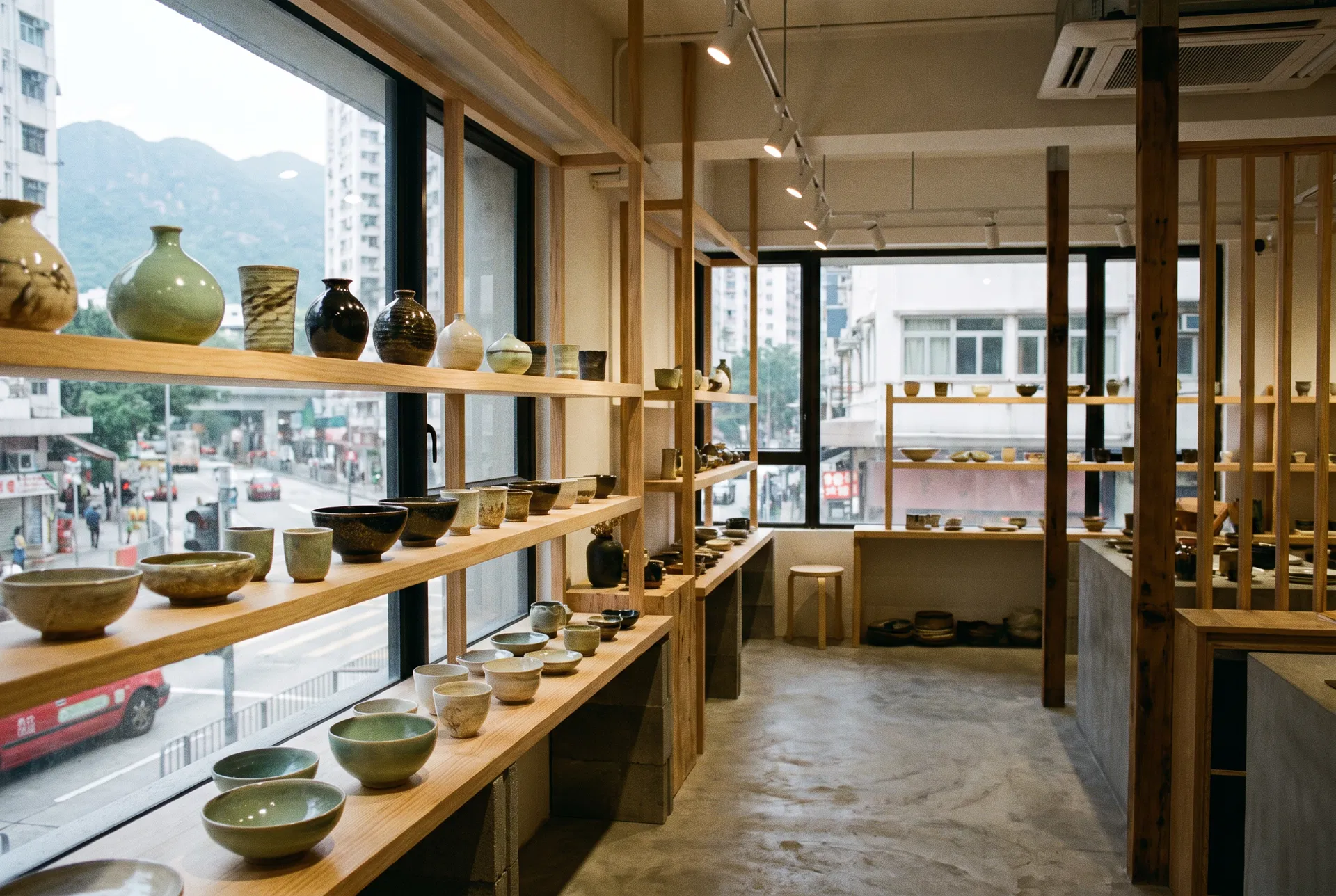
Is pottery suitable for beginners, children and groups?
First-time participants
Many pottery classes are marketed to beginners, but suitability depends on the technique, instructions and group set-up. If you have no experience, ask whether the session is designed for first-timers and what level of support is available. A short introductory activity is different from a multi-session course, and neither should be assumed to include advanced techniques. Choose based on the stated learning aims and the amount of time you want to commit.
Children and family bookings
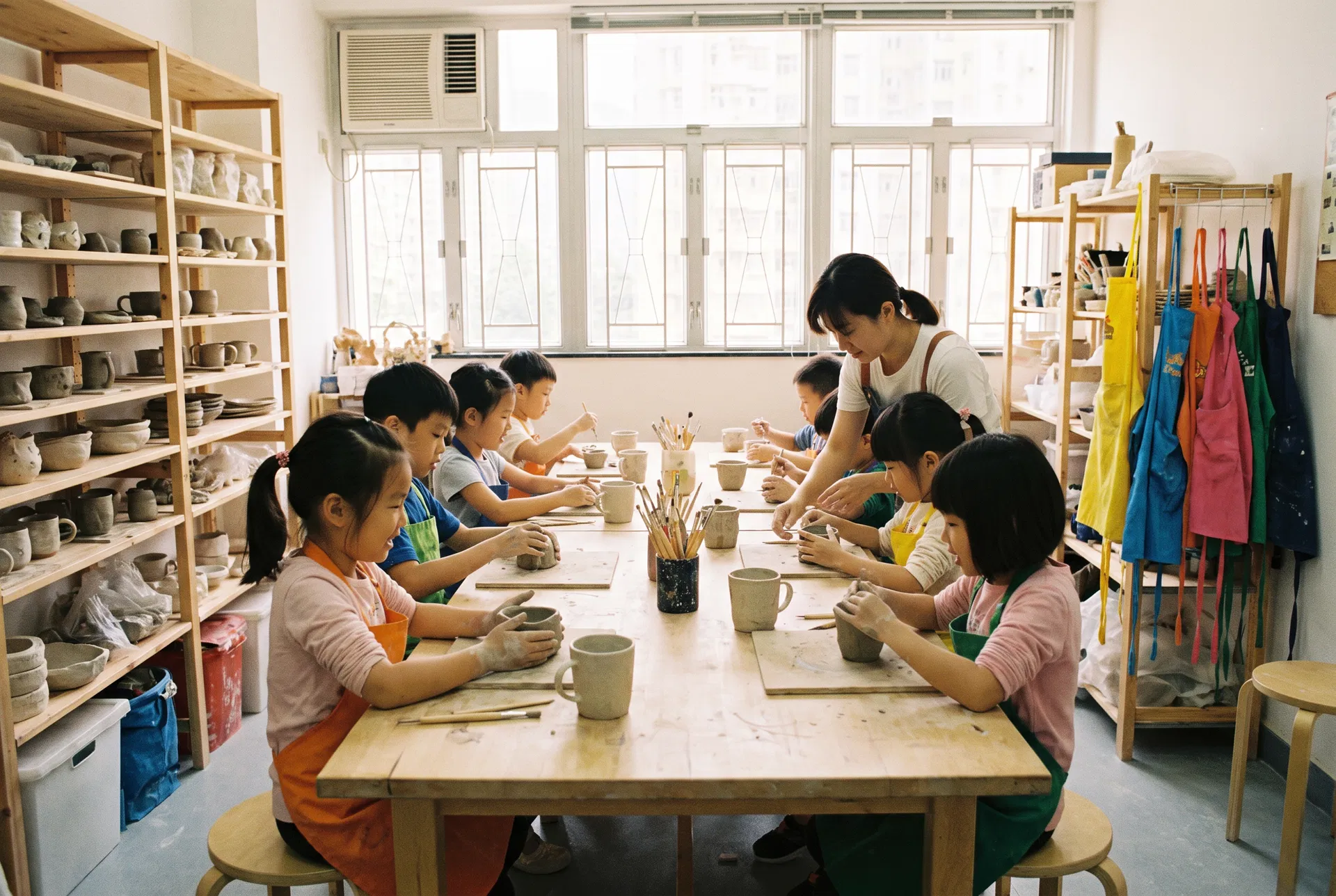
If you are considering a class for a child aged around five, check the provider’s minimum age rather than assuming they can take part. Hand-building may be worth considering for a family activity, but minimum ages, adult supervision requirements and available family sessions can differ. Check whether a child needs a separate booking or an accompanying adult. Also ask whether the activity and session length are appropriate for your family before confirming.
School or workplace enquiries
Schools and workplace groups should ask whether a provider can accommodate their particular group, venue and schedule before making plans. Explain the number and age range of participants, the intended activity and any venue constraints when enquiring. Confirm who supplies materials, what the organiser needs to prepare and whether the proposed format is feasible. Do not assume that a class advertised to individuals can automatically be adapted for a school visit or corporate event.
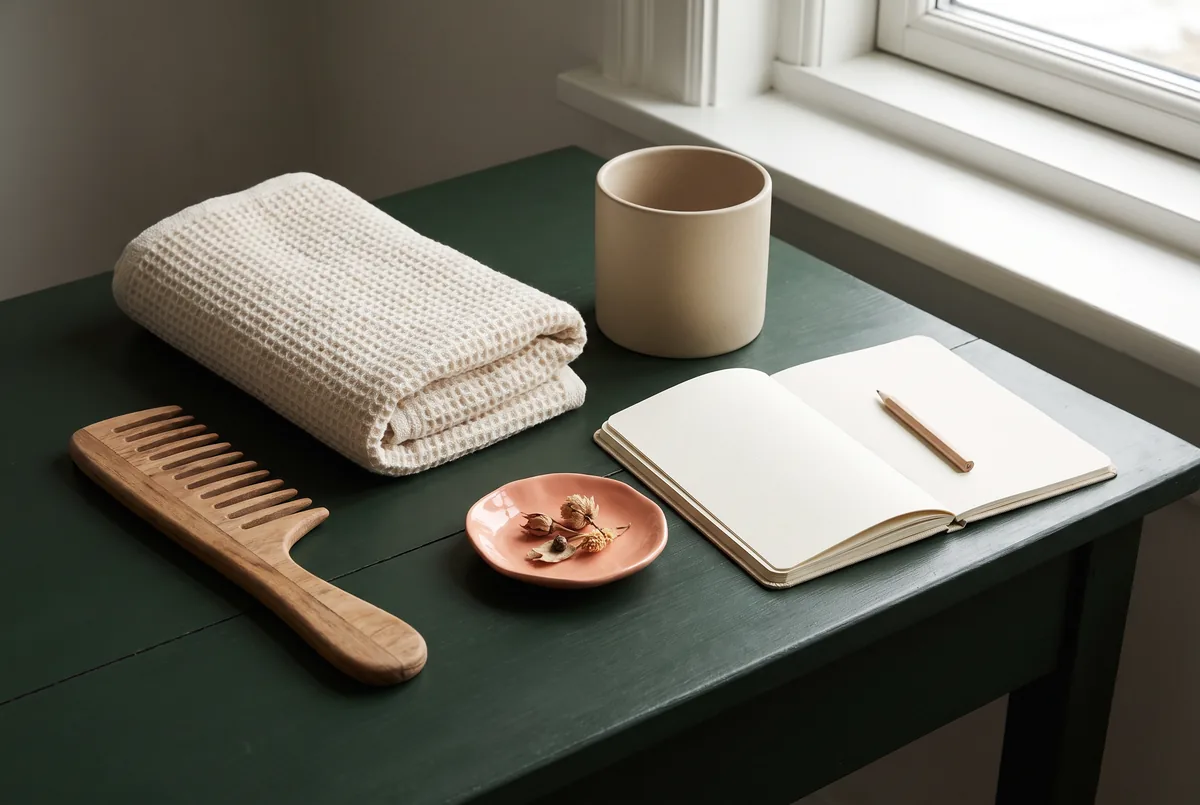
Prices, booking terms and questions to settle first
Treat published price ranges as estimates
For initial budgeting, treat figures of HK$300–600 per person for a single session and HK$2,000–4,000 for a four-to-eight-session course only as rough estimates to check with providers. They are not confirmed current quotes or a guarantee that materials and firing are included. Prices can depend on the technique, duration and provider, so request an itemised description of what the advertised amount covers before comparing options.
Check inclusions and additional charges
Ask whether clay, tools, glazing and firing are included, and whether there may be additional fees for firing, collection or delivery. Also check what happens if a piece does not survive the making or firing process; do not assume a replacement or refund is offered. If you are booking for several people, confirm whether the price is per participant, whether everyone makes an item and whether any minimum group size applies.
Confirm changes, cancellations and payment
Before paying, read the provider’s terms for rescheduling, cancellations and refunds, and confirm which payment methods are accepted. Check the booking process directly, and do not assume that consultations are free or that refunds and changes are available. If the booking is for a particular date or group, ask what information the organiser needs and request confirmation of the agreed activity, timing and total cost in writing.
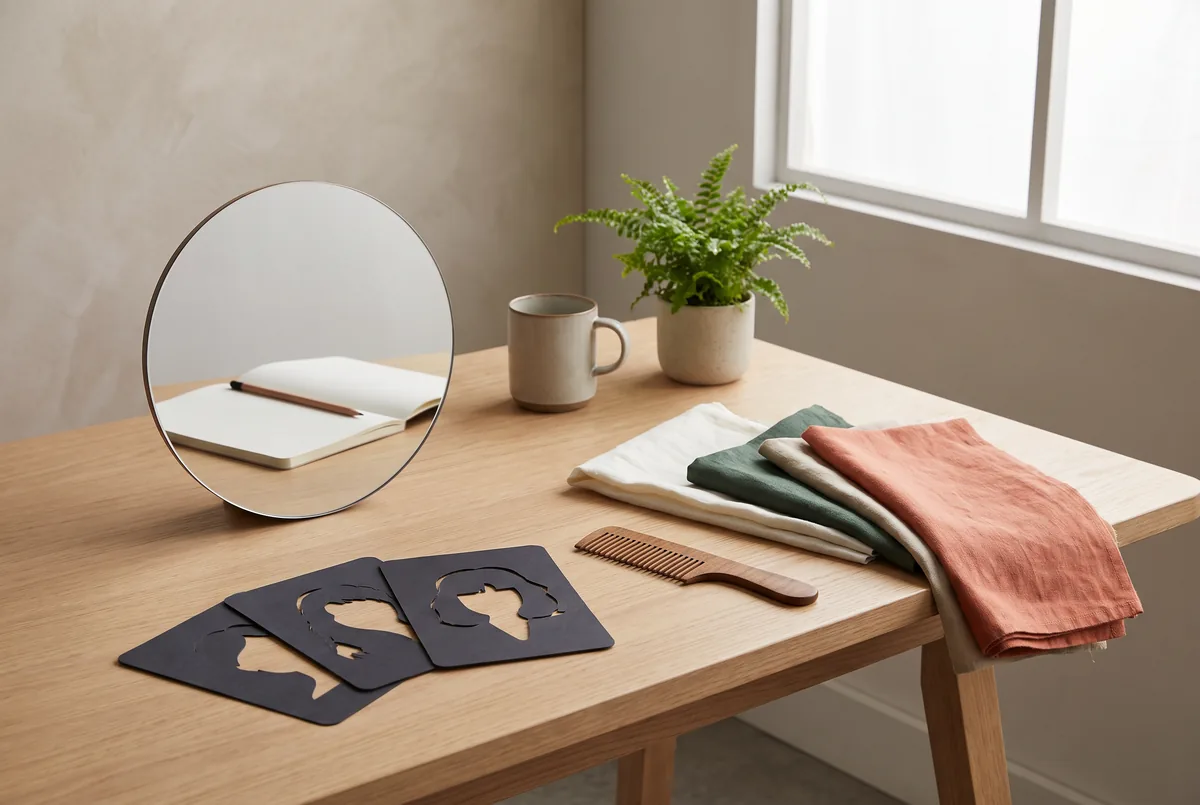
A practical checklist for planning a pottery class
Match the activity to your plans
Start by deciding whether you want to shape clay on a wheel, build a form by hand or decorate an existing ceramic piece. Then compare current class descriptions by location, session length and intended participant. Listings, prices and schedules can change, so check dates and details directly before arranging travel or inviting others. If you are planning ahead, confirm when bookings open and whether your preferred session is available.
Final pottery class guide checks with the organiser
Make a short list of questions: What exactly will participants do? What is included in the fee? Does the work need firing, and when and how can it be collected? Are there age limits or requirements for adult supervision? What are the change and cancellation terms? Clear answers make it easier to compare classes on a like-for-like basis and help prevent a mismatch between a promotional description and the activity you expect.
Choose with realistic expectations
Finally, allow room for the learning process. A first class is an opportunity to explore materials and technique, not a promise of a flawless finished object or professional-level skill. If the finished piece matters more than trying a particular process, a glazing session may be worth comparing with a making class. If the experience itself is the priority, choose the format that sounds enjoyable and confirm the practical details that matter most to you.

Questions about pottery class guide
What types of pottery classes are available in Hong Kong?
Common formats include wheel-throwing, hand-building and glazing or decorating a pre-made ceramic piece. What each class includes varies, so check whether you will make an object from clay, decorate an existing piece, or do both, and whether firing is included.
What should I look for in a Causeway Bay pottery class?
Compare the class description, technique, schedule, location and price with other current options. For an after-work or weekend class, check whether the journey and session times fit your plans. Confirm the address, transport access, session details and booking terms with the provider.
How long does a pottery class take, and when can I collect my work?
Use around two to three hours for a one-off session and roughly two to four weeks for finished work only as planning estimates to confirm with the organiser. Neither estimate is universal. Ask about the session schedule, drying and firing time, and collection or delivery arrangements.
Is wheel-throwing or hand-building better for a beginner?
Either can be suitable, depending on what you want to try and how the class is taught. Wheel-throwing involves learning to shape clay on a turning wheel; hand-building offers a different approach to forming objects. Ask whether the class is intended for beginners and what you can realistically complete.
How much does a pottery class cost?
Rough budgeting estimates are HK$300–600 for a single session and HK$2,000–4,000 for a four-to-eight-session course, but check these against current provider quotes before making plans. Confirm whether materials, glazing, firing and collection or delivery are included.
Can children take part in a pottery class?
Ask whether the provider offers classes for children or family groups, as minimum ages and supervision requirements vary. If you are booking for a child aged around five, confirm their eligibility rather than assuming they can join. Check activity suitability and booking requirements with the organiser before reserving.
Prepared with AI assistance and local editorial adaptation. This is planning guidance, not a record of a delivered event. Confirm current arrangements directly; images are references and do not verify a particular class or event.
When an open day needs a creative station that people can complete together, compare the materials and take-home arrangements for an art workshop Hong Kong before choosing a format.
After table protection, resting space, and collection arrangements are checked, a fluid art workshop Hong Kong may be easier to fit into the venue flow.
A family event balancing child participation and adult collaboration can first ask whether Art Jamming Hong Kong fits the expected group size and cleaning requirements.