
Quick answer
Start with the event format, confirmed guest count, venue requirements and dietary information, then ask catering suppliers what they can provide and by when. For a workshop, plan food around the activity rather than interrupting it; for a larger company event, allow time to compare menus and delivery arrangements. Do not assume a supplier can accommodate a particular diet, venue or schedule: confirm the details, total cost and cancellation terms in writing before booking.
Plan the team-building activity and Hong Kong catering services together
Start with the purpose and format
Before contacting suppliers, define what the event is meant to achieve. A short creative session, a half-day workshop and a company annual event call for different schedules and food arrangements. Decide whether the priority is collaboration, a relaxed social occasion or a mix of both. That choice helps you judge how much time to reserve for the activity, breaks and eating, without assuming that one format suits every team.
Set a realistic schedule for Hong Kong catering services
Build a draft timetable around the activity rather than treating catering as a separate add-on. Consider arrival, introductions, the main session, breaks and any clean-up or changeover required by the venue. Ask the activity provider and venue what timings are practical, then check whether a catering supplier can work within those constraints. Delivery windows, access arrangements and serving space should be confirmed, not taken for granted.
Coordinate creative activities and food
Creative sessions can provide a useful focus for a team day, but the meal does not automatically make an activity more successful. If you are comparing options such as corporate training, adventure team building or an art jamming workshop, consider the group’s interests, accessibility needs and available time. Match the food format to the programme: a brief break may suit refreshments, while a longer gathering may need a dedicated meal period.

Choose a menu and format for 20-person corporate catering
Confirm the number of guests
A reliable headcount is the starting point for 20-person corporate catering. Distinguish confirmed attendees from invitees who have not replied, and agree a date by which the number must be finalised. Ask suppliers how changes to the guest count affect the order and what their deadline is. Avoid choosing a package based only on a headline per-person figure; the menu, delivery, set-up and any minimum order can affect the total.
Compare serving formats
Consider how people will eat in the space available. Individually packed food, shared platters and a buffet-style spread each have different practical requirements, including tables, serving space and time. The right choice depends on the venue, schedule and group, rather than a universal rule. Ask the supplier to describe the portions and serving format, and check whether the venue permits the proposed arrangement.
Ask what each 20-person corporate catering menu includes
Request a written breakdown that identifies dishes, quantities, any included drinks or disposables, delivery charges and other costs. Ask whether substitutions are possible and how they are confirmed. For a small gathering, the simplest option may be the one that fits the event and room, not necessarily the menu with the most choices. A clear comparison makes it easier to assess value without relying on unsupported price ranges or assumptions about what a package includes.

Check dietary requirements and menu information before booking
Collect requirements discreetly
Ask attendees to share relevant dietary requirements before you request a final menu, while collecting only the information needed to plan the meal. Requirements may include vegetarian choices, religious dietary needs, allergies or other restrictions. Do not assume that a supplier can provide every requested option, or that a dish is suitable based on its name alone. Ask the supplier for specific ingredient and preparation information where needed.
Confirm what the supplier can accommodate
Once you have a proposed menu, put each agreed accommodation in writing and confirm which dishes it applies to. If the supplier cannot meet a requirement, discuss alternatives with the attendee and organiser rather than making assurances on their behalf. Any statement about ingredients, preparation or possible cross-contact should come from the supplier, who can explain the limits of the information they provide.
Share final information with attendees
Set a clear date for final dietary information and communicate the confirmed menu to guests in advance. This gives attendees an opportunity to raise questions before the event and helps avoid last-minute misunderstandings. If the menu changes, update the relevant people and check the supplier’s revised details. Do not describe a meal as allergen-free or suitable for a particular diet unless the supplier has explicitly confirmed that claim and its scope.

Schedule refreshments and meals around the activity
Allow breaks that fit the programme
There is no single ideal break time for every workshop. A two- or three-hour session may benefit from a pause partway through, but the timing and length should reflect the activity, group and venue. For a half-day programme, decide whether refreshments and a meal are both needed, then check how they fit with the agenda. Keep the schedule realistic instead of squeezing food into a short gap that participants may need for moving or resetting the room.
Plan food access and room use
Confirm where food can be delivered, placed and eaten. Some venues may have rules about food, waste, access or room use, so ask the venue contact before ordering. Check whether tables, serving equipment or a separate eating area are available rather than assuming they are included. If a practical activity is in progress, plan how people can step away without disrupting the session or creating a rushed changeover.
Keep a contingency in the timetable
Build some flexibility into the day for late arrivals, delivery coordination or a session that runs over. Agree who will be the point of contact for the organiser, venue and supplier, and share the event timetable with everyone who needs it. Confirm what to do if a delivery is delayed and whether the supplier has a contact method for the event day. Treat any proposed contingency as something to agree in advance, not a guarantee of a particular outcome.

Confirm venue access, delivery and set-up arrangements
Check site rules before ordering
Give a potential supplier the venue’s relevant information before confirming an order. This may include the address, access instructions, delivery point, available time window and any restrictions on bringing food into the space. Ask the venue whether a supplier needs to be registered or whether there are limits on deliveries. Do not assume that a venue can store, heat or serve food unless its representative has confirmed this.
Agree delivery and collection details
Agree who will receive the delivery and how the supplier will identify the correct room or contact person. Confirm whether the order is delivered ready to serve, requires organiser set-up or includes any collection arrangements. Ask what packaging is used and how waste should be handled, while checking whether the venue has its own requirements. These details can make a simple order easier to manage on the day.
Clarify what the supplier will provide
For an off-site activity or a venue with limited access, ask about the supplier’s delivery area and any conditions that affect service. Confirm the final delivery time and what information the supplier needs from you, then circulate the plan to the venue contact and event lead. If the event location or schedule changes, tell the supplier promptly and ask whether the original arrangement remains possible. Get any revised costs or commitments in writing.

Compare corporate annual dinner catering for larger events
Allow time to compare proposals
Corporate annual dinner catering may involve a larger guest list and a more detailed programme than a small team session. Start planning once the date, venue and approximate attendance are known, but distinguish estimates from confirmed numbers. Ask each supplier for a proposal that matches the event format and clearly states what is included. A proposal is useful for comparison only when the assumptions and exclusions are visible.
Review the full cost and scope
Review menu choices alongside logistics: serving style, delivery or set-up responsibilities, timing and any venue-related costs. Ask whether there are minimum order requirements or charges that depend on the final headcount. Avoid relying on general online price estimates as a substitute for a current quotation. The supplier’s written proposal should make clear which details are confirmed and which remain subject to availability or later decisions.
Confirm the booking terms
Before paying or confirming, read the supplier’s terms for deposit, amendments, cancellation and final guest-count deadlines. Policies vary, so do not assume an order can be changed or refunded on particular terms. Check who is responsible for coordinating with the venue and what happens if the event time or location changes. Keep the final menu, quotation and agreed arrangements together so the event team can refer to the same information.
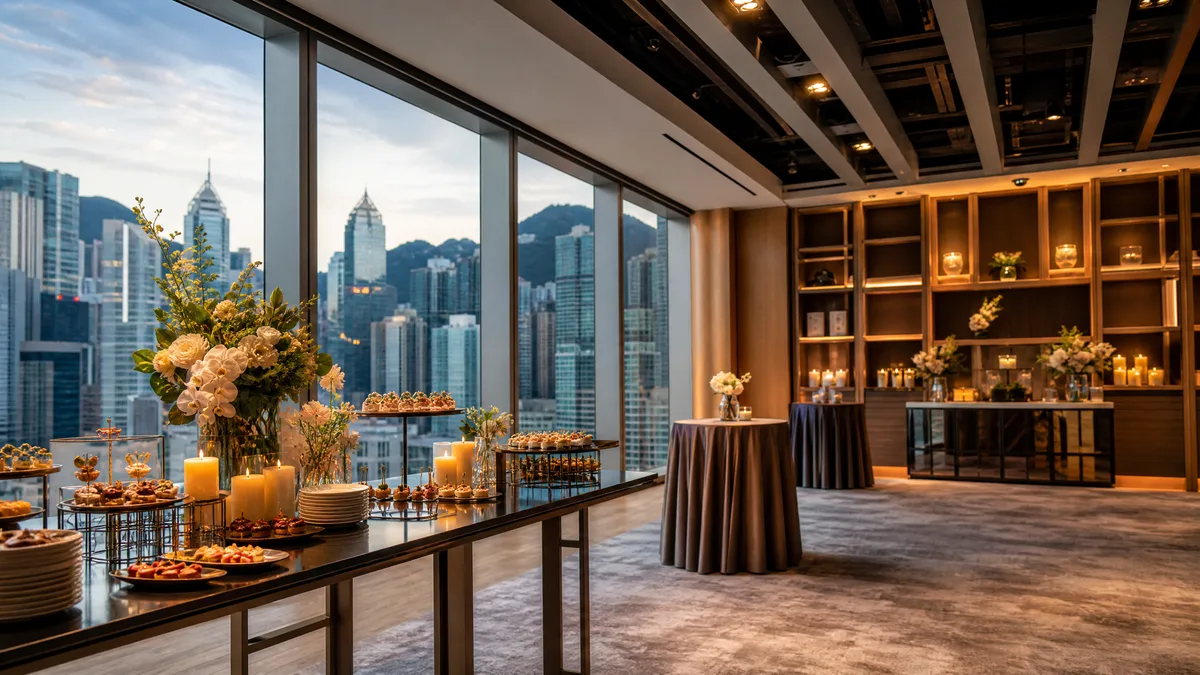
Use a supplier checklist to finalise your catering arrangements
Ask questions that resolve practical uncertainties
When contacting suppliers, give them the event date, location, expected headcount, schedule and proposed serving format. Ask whether they can serve that venue and what information they need to confirm availability. Then ask about menu options, dietary requirements, delivery timing, minimum orders, total cost and the deadline for changes. These questions are more useful than assuming a supplier offers a particular service or policy.
Compare suppliers on the same basis
Compare quotations using the same brief. Check the number of people covered, dishes and quantities, delivery arrangements, any additional charges and the supplier’s terms. If an answer is unclear, ask for clarification before deciding. For a small event, the best fit may depend on reliable communication and a workable delivery plan as much as menu variety; for a larger event, the responsibilities of the supplier and venue should be especially clear.
Record the final plan
Create a final event sheet with the confirmed guest count, dietary notes, menu, delivery window, venue contact and supplier contact. Share it with the people coordinating the day, while limiting personal dietary information to those who need it. Reconfirm the order by the supplier’s stated deadline and save the written confirmation. This checklist does not guarantee a smooth event, but it helps the organiser spot unanswered questions before they become day-of uncertainties.
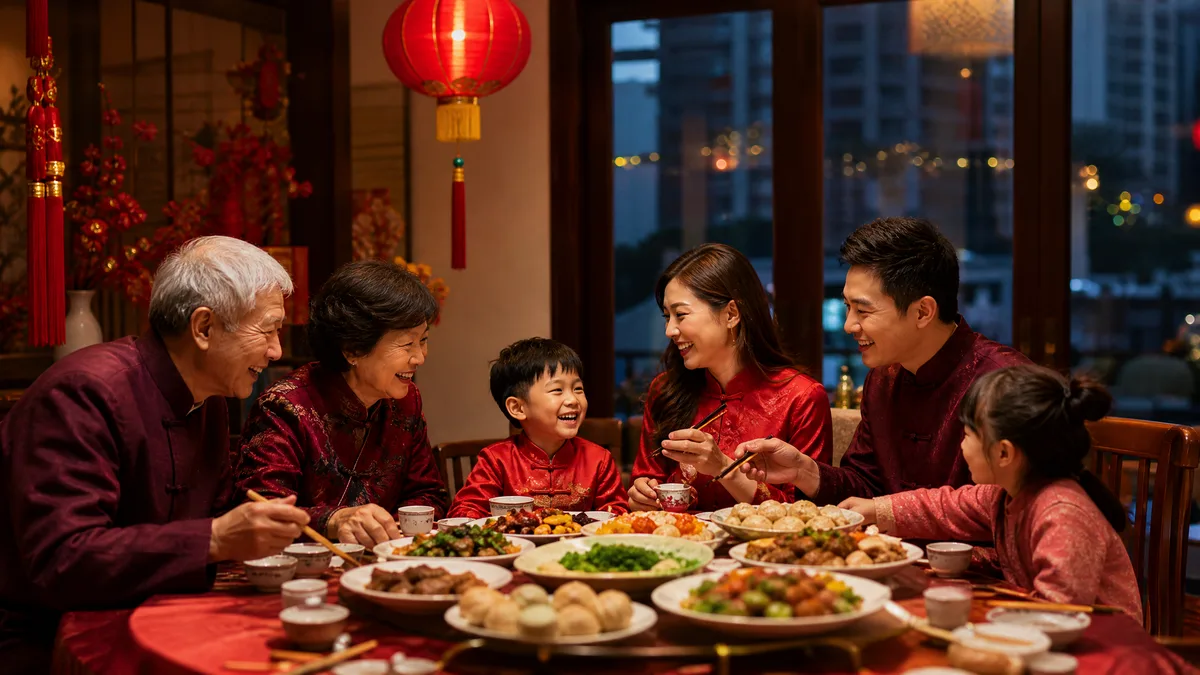
Catering information to check with providers
If this option is relevant to your event, review hong kong catering service and confirm the menu, delivery arrangements, dietary information and booking terms directly with the provider.
If this option is relevant to your event, review 20 person corporate catering and confirm the menu, delivery arrangements, dietary information and booking terms directly with the provider.
If this option is relevant to your event, review annual dinner catering and confirm the menu, delivery arrangements, dietary information and booking terms directly with the provider.
FlintHub and the linked partner website have common ownership. This link is not an independent endorsement, tested recommendation or confirmation of availability.
Plan the Workshop Meal Handover
Before choosing a Hong Kong Catering Service, ask: can the proposed meal start fit the team activity’s finish, including clearing materials and resetting tables? Request separate arrival, setup and serving times, and clarify whether food comes individually packaged or requires a buffet layout. If buffet setup needs the workshop space, ask the venue and activity organiser whether a separate area or longer changeover is possible. For a changing guest list, confirm the final headcount deadline and how later additions affect quantities and charges. Use those answers to choose a format that fits the timetable rather than rushing the activity’s closing discussion.
Prepared by FlintHub Academy with AI assistance from public information for event catering, gifting, baking and floristry planning and enquiries, not first-hand service testing or real client cases. YumYum and FlintHub Academy have the same owner; links are relevant service resources, not independent third-party endorsements. AI-generated concept illustrations do not depict actual YumYum products, services, venues, instructors or clients. No professional author credentials or guarantees of safety, price, availability or outcomes are claimed. Confirm allergies, materials and storage requirements, scope, fees and availability with the actual provider.
Questions about Hong Kong catering services
How far in advance should I book catering for an event?
There is no single lead time that applies to every supplier, date or event size. Contact suppliers as soon as the venue and date are known, especially for busy seasonal periods or larger gatherings. Ask when they need a confirmed headcount and menu, and whether availability or terms change as the date approaches.
How do I choose a suitable catering package for around 20 people?
Start with the confirmed guest count, event duration, venue and serving format, then ask for a menu and itemised quotation for that brief. Tell the supplier about dietary requirements and ask what can be accommodated. Check delivery, minimum-order conditions, included items and the deadline for changes before comparing options.
How can I check how food will be handled and delivered?
Ask the supplier how the food is packaged, what delivery arrangements they offer and what information they can provide about handling. Confirm who receives the order and whether the venue has relevant requirements. Do not assume particular temperature controls, certifications or food-safety practices; request the supplier’s own details and verify any claims directly.
When is a good time to schedule a workshop refreshment break?
Choose a break point that suits the activity and timetable, rather than relying on a fixed interval. For a two- or three-hour workshop, a pause around the middle may be a useful starting point, while a half-day event may need separate refreshment and meal periods. Confirm timing with the activity provider and venue.
How should I handle vegetarian or other dietary requirements?
Collect requirements early and ask the supplier, in writing, which options they can provide and what information they can confirm about ingredients and preparation. Do not assume alternatives are available or suitable. Share the confirmed details with attendees and discuss any unmet requirement directly with the person affected before finalising the order.
How are catering costs usually calculated?
Suppliers may quote per person, by menu or order size, or with separate delivery and other charges; the basis varies. Request an itemised quotation for your actual headcount and venue, and ask about minimum orders, extra costs, deposits and change deadlines. Confirm the final total and terms directly with the supplier rather than relying on general price estimates.
Prepared with AI assistance and local editorial adaptation. This is planning guidance, not a record of a delivered event. Confirm current arrangements directly; images are references and do not verify a particular class or event.
When a company needs shared practice rather than only a social break, corporate training Hong Kong should begin with a real work situation and a clear participation goal.
Before requesting a proposal for team building Hong Kong, list the venue limitations around space, access routes, materials and cleaning.
Before setting a family activity theme, ask how an art workshop Hong Kong would fit the group’s ages, room conditions, and cleaning needs.