
Quick answer
Choose Art Jamming if you want to make choices freely as you paint, and ask whether materials or prompts are provided. Fluid art is a better fit if you like colour movement and unpredictable patterns; alcohol ink art offers a different approach to spreading colour on a suitable surface. There is no universally easiest or best option. Before booking, check the session length, what is included, the venue, group suitability and the final cost directly with the provider.
Art Jamming comparison: what makes the three formats different?
Open-ended painting
Art Jamming generally describes a painting session in which participants make their own creative choices. Depending on the venue, a session may offer a canvas, paints and brushes, with a host or instructor available to explain the arrangement. The amount of instruction can vary: some sessions may be largely self-directed, while others may include demonstrations or prompts. Ask what the particular booking includes rather than assuming that every Art Jamming experience follows the same format.
Colour movement and ink effects
Fluid art is centred on moving paint across a surface to create flowing, often abstract patterns. The appeal is partly the element of chance: colour can spread or overlap in ways that are difficult to plan precisely. That makes the process quite different from painting a detailed image with a brush. If you are considering fluid art, check what materials and surfaces are used, how much guidance is offered and whether the artwork needs additional time before it can be taken away.
Art Jamming comparison: how much guidance should you expect?
Alcohol ink art uses alcohol inks on a suitable surface, where the colour can spread and blend into soft edges and layered effects. It can look atmospheric, but the appearance depends on materials and technique, so outcomes are not identical from person to person. The names of these activities are not guarantees of a fixed teaching style, finished result or amount of instruction. For a useful comparison, ask each provider to describe the actual session rather than relying on the activity label alone.

Difficulty, guidance and creative control
Starting without painting experience
You do not necessarily need formal art training to enjoy any of these formats, but that does not mean every session is designed in the same way for beginners. Ask whether newcomers are welcome, whether the host demonstrates the basic approach and whether participants can request help as they work. If you would rather follow clear instructions, a session with a stated demonstration or guided project may suit you better than one described as entirely self-directed.
Structured guidance or free choice
Art Jamming can offer more room to decide what to paint and how to approach it. That freedom is appealing if you enjoy making choices as you go, though it can feel less straightforward if you want a model to follow. Fluid art and alcohol ink art place more emphasis on working with moving colour and material behaviour, but they still involve choices about colour, placement and timing. Neither approach removes all decision-making or guarantees an impressive result.
Does fluid art suit your preferred creative process?
Think about what you want from the process, not simply what you think you are good at. If you like sketching and brushwork, open-ended painting may feel natural. If you are curious about patterns that develop through colour movement, ask about a fluid art session. If you prefer ink effects and softer blends, enquire about alcohol ink art. If possible, check photographs of work made during comparable sessions, while remembering that examples show possibilities rather than promised outcomes.

Session length, pace and taking your artwork home
Check the full time commitment
There is no reliable single duration that applies to every Art Jamming, fluid art or alcohol ink art session. Time can depend on the project, group size, amount of instruction and the provider’s arrangements. Ask how long the booking lasts and whether that includes an introduction, clean-up or any other part of the visit. For a group outing, confirm whether late arrivals can take part without disrupting the session.
Find out what happens after making the work
The time spent making a piece is not always the same as the time needed before it can be handled or transported. This matters especially when a process leaves paint or ink wet. Ask the provider whether the work is expected to dry at the venue, whether collection later is possible, or whether there are specific arrangements for taking it home. Do not assume that an item will be ready to carry away at the end of the booking.
Match the pace to your plans
If you are fitting an activity around dinner, travel or another event, leave room for the provider’s stated schedule and any collection arrangements. A shorter creative process may still involve waiting, explanation or after-session steps. For a date or family outing, it is worth checking the likely pace in advance rather than choosing solely on a broad estimate found elsewhere. The session details supplied by the venue should be the basis for planning.

Comparing prices, inclusions and booking terms
Compare like with like
Prices can vary by provider, location, session format, materials and booking size. Treat online figures or informal estimates as provisional and check current prices directly with the provider. Ask for the price for your chosen date and group size, and check whether the amount is charged per participant or for the group as a whole.
Ask what the quoted price covers
A useful quote should make clear what is included. Ask whether a surface and materials are supplied, whether instruction is part of the session, and whether there are extra charges for particular options or collection arrangements. If you are comparing two activities, compare the same practical details rather than just the headline price. For group bookings, confirm any minimum or maximum participant numbers and what happens if your headcount changes.
Confirm changes and cancellation terms
Before paying, check the provider’s own booking, rescheduling and cancellation terms. Do not assume that a deposit is refundable or that a date can be changed without charge. If you are booking on behalf of a school, workplace or family group, ask who needs to confirm the final details and what information the provider requires. Written confirmation of the agreed date, cost, inclusions and terms can help everyone plan from the same information.

Which activity suits a date, family outing or group event?
For a relaxed date or outing
For a date or a casual outing with friends, consider how you want to spend the time together. Art Jamming may suit people who want to chat while making individual choices; fluid art may appeal if the shared interest is watching colour move and seeing different patterns emerge. Alcohol ink art is another option if its material and visual effects appeal to your group. Ask whether participants work individually or share a project, and whether the booking is suitable for your group’s size.
For families and mixed-experience groups
For families or groups with different levels of experience, check the provider’s age guidance, supervision arrangements and whether everyone can take part in the same session. These details are not established by the activity name alone. A format that sounds simple may still involve materials, instructions or timing that are not right for every participant. Ask what adaptations, if any, are available, and make your decision based on the provider’s answer rather than assuming a particular family-friendly arrangement.
For workplace or school bookings
For a school or workplace event, the practical requirements matter as much as the art form. Ask whether the provider can accommodate your group size, venue, date and desired session length, and whether the format is guided or self-directed. Confirm who supplies materials, what set-up is needed and what the quote includes. Do not assume that a public session can automatically be adapted for a private event; request written details for the specific booking.

A practical checklist before booking in Hong Kong
Check the venue and access details
Before committing, confirm the venue address, arrival instructions, session date and start time directly with the organiser. If you are travelling across Hong Kong or bringing a group, check access and any arrival guidance in advance. The information here does not verify a particular studio, branch, available date or transport arrangement, so use the booking provider’s current details for those points.
Confirm materials and group arrangements
Ask what participants should wear or bring, whether materials are included and how the finished work will be handled. For activities involving wet paint or inks, ask the provider how they manage the artwork after the session and whether you need to allow time for collection or drying. Avoid relying on general assumptions about equipment, protective items or handling arrangements; the organiser should explain what applies to the session you are booking.
Keep plans flexible until details are verified
If you are planning ahead, do not assume that a particular date, programme or price is available. Ask the provider for current options and get the details in writing before making plans around them. For a useful shortlist, compare the creative process you prefer, the guidance offered, the full time commitment, the location, the total cost and the group’s needs.

Make your choice by starting with the experience you want
Choose freedom, flow or ink effects
In short, Art Jamming is a broad choice for people who want room to paint in their own way; fluid art is for those drawn to moving colour and less predictable patterns; and alcohol ink art suits people curious about ink spreading and blending on an appropriate surface. These are useful starting points, not rigid definitions. Individual providers may structure similar-sounding sessions differently, so ask for a description of the activity you will actually attend.
Use questions rather than assumptions
A good decision does not depend on finding a format that promises a perfect picture. It depends on matching the session to your preferred pace, the amount of guidance you want and the practical details of the booking. Ask direct questions about materials, duration, price, group suitability, venue and collection. If a detail is important to you, get it confirmed before paying rather than relying on assumptions or promotional wording.
Let the group’s priorities decide
For an individual, the best fit may be the process that sounds enjoyable even if the result is unpredictable. For a couple or group, agree whether you want conversation, experimentation or a shared guided activity. For a school or workplace, begin with the group’s needs and then check which formats a provider can offer. This Art Jamming comparison is intended to help you ask better questions and make a considered choice, not to rank every session or provider.

Questions about Art Jamming comparison
What is the difference between Art Jamming and fluid art?
Art Jamming usually gives participants more freedom to make choices while painting, whereas fluid art focuses on moving paint across a surface to create flowing patterns. The exact level of guidance, materials and format varies by provider, so check what the session includes before booking.
Is alcohol ink art difficult for beginners?
It may be accessible to beginners, but difficulty depends on the project and how the session is taught. Ask whether the provider offers an introduction, what the activity involves and what materials are included. No particular finish or result can be guaranteed.
Which activity is better for a date?
It depends on what you would both enjoy. Art Jamming may suit a relaxed session with room to paint and chat, while fluid art or alcohol ink art may appeal if you are interested in colour effects. Check the session format and whether it suits two participants.
How long does a fluid art workshop take?
There is no single duration that applies to every workshop. Ask the organiser how long the booking lasts, whether that includes the introduction and clean-up, and whether the artwork needs time to dry or must be collected later.
How much do these three types of painting session cost?
Costs can vary by provider, date, group size and inclusions. Request a current quote for the exact session and check whether materials, instruction and any collection arrangements are covered.
Can I join if I have no painting experience?
Possibly, but beginner suitability depends on the specific session. Ask whether newcomers are welcome, how much instruction is provided and whether the activity is self-directed or guided. Confirm this with the organiser rather than assuming every session is designed for complete beginners.
Prepared with AI assistance and local editorial adaptation. This is planning guidance, not a record of a delivered event. Confirm current arrangements directly; images are references and do not verify a particular class or event.
For a gathering centred on quiet, individual canvases, enquire whether Art Jamming Hong Kong can suit the planned media, timing, and venue conditions.
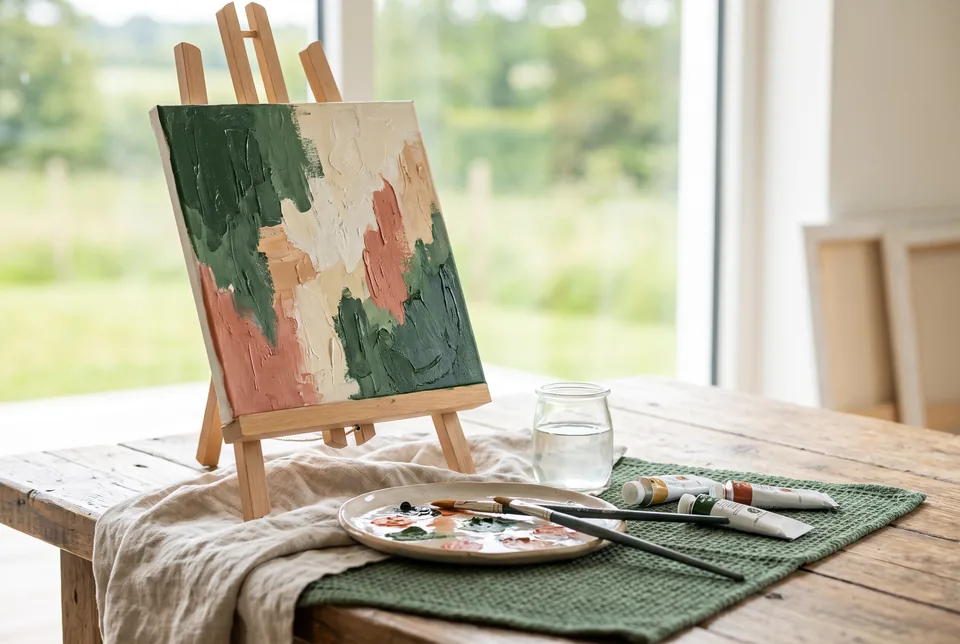
After table protection, resting space, and collection arrangements are checked, a fluid art workshop Hong Kong may be easier to fit into the venue flow.
Before a parent-child session, ask whether a children’s art class Hong Kong can accommodate the preferred date, supervision approach, and materials plan.