Quick answer
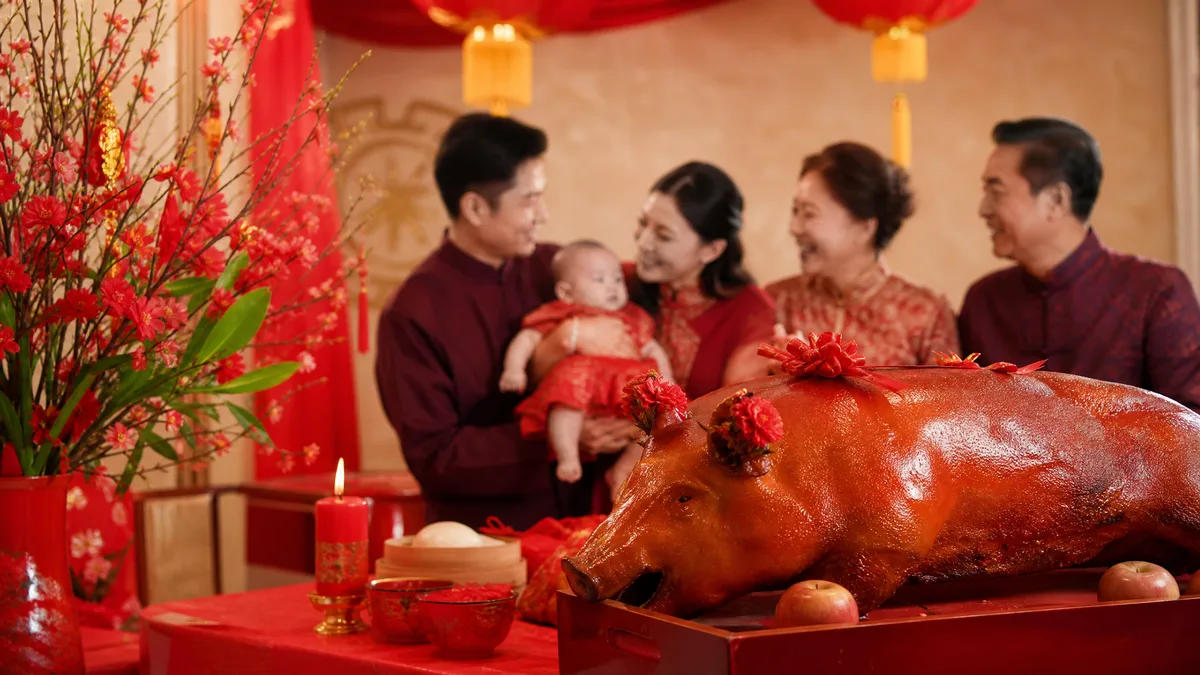
Start by deciding on the guest list, venue, date and style of celebration; these will shape your menu and budget. Ask catering providers about minimum orders, delivery and serving arrangements, dietary alternatives, allergen information and how food is packed and transported. Roast pig catering may suit a gathering where it is part of your family’s traditions, but it is only one option. Confirm every detail in writing, including the final headcount deadline and what happens if plans change.
Plan a celebration that reflects your family and traditions
What the 100-day milestone means to your family
In Hong Kong, families may mark a baby’s 100th day with a meal or gathering for relatives and friends. There is no single format that every family must follow. Some prefer a larger banquet, while others choose a small lunch at home or a relaxed gathering at a restaurant. Before booking anything, ask close family members which customs matter to them and whether there are practical considerations, such as older relatives who would find a long event difficult.
Choose a format before choosing the food
The celebration can be traditional, contemporary or a mixture of both. Food choices, decorations and the guest list can all reflect your family’s preferences without making the day feel like a formal production. If you are considering a traditional menu item such as a roast pig, check whether it suits the venue, the number of guests and the way the meal will be served. If it does not fit, a different menu can still make the occasion meaningful.
Set a broad style and scale first: a seated meal, buffet, home gathering or restaurant event will each lead to different catering arrangements. Then consider how long guests are likely to stay and whether the baby’s routine should shape the start and finish times. A clear plan helps prevent last-minute decisions about food, seating and delivery, and gives suppliers useful information when they prepare a quote.

Estimate guest numbers and plan your baby 100-day catering menu
Use the event format to guide baby 100-day catering quantities
Prepare an initial guest list before asking for catering prices. Separate confirmed guests from people who have not replied, and ask the provider how late you can update the final number. The right quantity depends on more than headcount: consider the event’s length, whether food is a full meal or refreshments, the time of day and whether guests will have other food available. Avoid relying on a generic per-person estimate without checking what it includes.
Balance roast pig catering with other dishes
Roast pig catering may be an option for a family that wants a traditional centrepiece, but it should be considered alongside the venue’s serving arrangements and the rest of the menu. Ask the supplier what portion or serving format is offered and whether the venue can accommodate it. Confirm whether sides, rice, drinks, plates, cutlery or staff are included or need to be arranged separately. Do not assume that a quoted package covers everything needed on the day.
Build the rest of the menu around the guests and the occasion. A mix of dishes can make the meal more comfortable for guests with different preferences, but the supplier should confirm what substitutions are available. Check whether children will need simpler options and whether there are guests who avoid particular ingredients. If you are planning a buffet, ask how dishes are labelled and how food will be presented at the venue; if it is a seated meal, confirm how courses will be served and timed.

Check dietary needs, ingredients and allergen information
Collect requirements early and confirm them clearly
Invite guests to share dietary requirements when they reply, rather than trying to collect this information on the event day. Ask them to be specific, since vegetarian preferences, religious requirements, food allergies and ingredient exclusions are not interchangeable. Keep a clear list and share it with the catering provider before confirming the menu. If requirements change, check whether the provider can still accommodate them by the agreed deadline.
Ask what alternatives the provider can actually supply
Do not assume a caterer can provide every requested alternative. Ask whether suitable dishes are available, how they are prepared and packed, and whether the provider can explain the risk of cross-contact for guests with allergies. If a guest has a serious allergy, communicate directly with the provider and the guest about what can and cannot be confirmed; avoid describing a meal as safe unless the provider has clearly confirmed the relevant details. The venue may also need to be involved in serving and labelling.
Request written menu details, including dish names and relevant ingredient or allergen information that the supplier can provide. Confirm how special meals will be identified at delivery and who will make sure they reach the intended guests. Where the provider cannot meet a requirement, it is better to know early enough to discuss another menu or a separate arrangement. Clear communication helps guests make informed choices without placing unverified assurances on the organiser.

Coordinate the venue, delivery and serving arrangements
Check access and timing with both parties
Catering plans need to fit the venue’s practical rules. Check the delivery address, access arrangements, available space and the time when food can be received. Some venues may have restrictions on outside food, setup or rubbish disposal, so ask the venue before confirming a supplier. If the celebration is at home, consider where food can be placed and how guests will move through the space without crowding the entrance or dining area.
Confirm what the catering package includes
Ask the provider to confirm the expected delivery window and what happens if the schedule changes. A delivery time should leave enough room to arrange food before guests arrive, while avoiding an unnecessarily early arrival. Confirm whether the service includes setup, serving equipment, staff, collection of reusable items or cleanup. These details vary by provider, so treat them as questions to verify rather than assuming they are part of the package.
For a 100-day gathering, plan food around the event schedule, arrival time and guests’ needs. Decide whether guests will eat soon after arriving or whether greetings, photographs or family rituals will come first. If the celebration lasts several hours, consider whether refreshments are needed before the main meal, and check the arrangements with the caterer. Ask the venue and caterer how serving can fit around speeches or rituals, while leaving flexibility for the baby’s feeding and rest.

Compare quotes and confirm booking terms before you commit
Compare like with like, not headline prices
Ask for an itemised quote based on your event date, location, expected number of guests and preferred style of service. Check what the price includes and whether delivery, setup, staff, serving items or venue-related charges are separate. Prices can vary by menu, supplier, location and service level, so ask each provider for a current quote for your particular celebration rather than relying on a generic per-person estimate.
Set a clear confirmation and change deadline
When comparing providers, use the same information for each enquiry: guest count, event duration, menu preferences, dietary needs and venue details. Ask about any minimum order, the deadline for confirming numbers, payment schedule and cancellation or amendment terms. Do not assume a deposit is refundable or that a booking can be changed without a fee. The provider’s written terms should answer these points before you pay or confirm.
Reserve early enough for your preferred date, especially if the gathering falls during a busy period, but verify availability directly. As a planning starting point, consider enquiring at least five to seven working days ahead, or two to three weeks ahead during festive periods, with earlier enquiries for larger gatherings. These timings are not guarantees: a particular provider may need more notice or may already be fully booked. Confirm the booking only after checking the date, delivery details, menu and terms.

Add thoughtful details without making planning harder
Keep decorations in proportion to the venue
Decorations can make the celebration feel distinctive, but they do not need to dominate the room. Choose a simple colour palette or a small focal point that works with the venue and the meal setup. If considering balloon decoration, check with the venue about installation, access and removal, and ask the decorator what is included. For floral arrangement, confirm the size and placement so displays do not take up serving space or obstruct movement.
Make the day comfortable for guests and baby
Think about the guest experience as well as the photographs. Make it easy for relatives to find the venue, identify where to sit and know when food will be served. If there are young children, consider where families can sit comfortably. If older relatives are attending, check access and seating with the venue. Keep the schedule flexible enough for greetings and family conversations rather than filling every moment with formal activities.
If you want an activity beyond the meal, consider a short family photo session or time for relatives to share their wishes for the baby. Any activity should fit the guests’ needs, the venue and the event’s timing, with room to pause if the baby needs feeding or rest. Keep the focus on a warm gathering rather than adding services simply because they are available. A few well-chosen details, agreed with the venue in advance, are often easier to manage than a complicated programme.

Use a final checklist to keep the event on track
Reconfirm essential details before the day
A few days before the celebration, reconfirm the booking with the supplier and venue. Check the date, address, delivery contact, arrival window, final guest count, menu and dietary notes. Ask who to contact if the driver is delayed or a detail needs clarification. If the venue has a loading or access procedure, make sure the supplier has received the relevant information and that someone will be available to meet the delivery.
Know who will handle each task
Agree who will handle practical tasks such as receiving the food, checking special meals, directing guests and asking the venue for support. This need not involve a complicated run sheet; a short list of names and responsibilities is enough. Keep the caterer’s written confirmation accessible, including the agreed menu and any changes. If something differs from what was confirmed, contact the provider promptly rather than making assumptions about what can be supplied.
After the event, consider noting what worked well and what you would change if organising another family gathering. The most useful points may be the portion quantity, delivery timing, menu mix or whether the venue had enough space for serving. This is not a substitute for checking future terms or prices, as providers and circumstances can change. It is simply a practical way to make planning easier next time and to share accurate feedback with family members.
Catering information to check with providers
If this option is relevant to your event, review baby shower catering and confirm the menu, delivery arrangements, dietary information and booking terms directly with the provider.
If this option is relevant to your event, review roast pig catering and confirm the menu, delivery arrangements, dietary information and booking terms directly with the provider.
If this option is relevant to your event, review grand opening flower basket and confirm the menu, delivery arrangements, dietary information and booking terms directly with the provider.
FlintHub and the linked partner website have common ownership. This link is not an independent endorsement, tested recommendation or confirmation of availability.
Choose a Hamper for the Parents
If you are bringing a Gift hamper to the baby’s celebration, ask the parents which contents they would actually use and how they will carry it home after the meal. Would compact packaging suit their transport plans better than a bulky basket? For edible gifts, confirm the adults’ dietary restrictions and ask the supplier for ingredient information for the selected items; food intended for parents should not be treated as infant food. If anything is meant to be served during the gathering, agree this separately with the hosts and venue rather than assuming it belongs in the catering arrangements.
Prepared by FlintHub Academy with AI assistance from public information for event catering, gifting, baking and floristry planning and enquiries, not first-hand service testing or real client cases. YumYum and FlintHub Academy have the same owner; links are relevant service resources, not independent third-party endorsements. AI-generated concept illustrations do not depict actual YumYum products, services, venues, instructors or clients. No professional author credentials or guarantees of safety, price, availability or outcomes are claimed. Confirm allergies, materials and storage requirements, scope, fees and availability with the actual provider.
Questions about baby 100-day catering
How far in advance should I book catering for a 100-day celebration?
As a planning starting point, consider enquiring at least five to seven working days ahead, or two to three weeks ahead during busy festive periods; larger gatherings may need more notice. Availability varies, so contact providers early and ask when the date, menu and final guest count must be confirmed.
How do I choose a catering package for the number of guests?
Start with the confirmed guest list, then tell the provider the event duration, format, time of day and whether the food is a full meal or refreshments. Ask what each package includes, how quantities are estimated and when the final headcount is due. Roast pig is one possible menu choice, not a default fit for every group.
What should I ask about food handling and delivery?
Ask how food will be packed and transported, what delivery window is available, and what the provider can confirm about handling and serving. Check whether the venue has requirements for outside food or setup. Do not assume that a supplier holds a particular certification or can guarantee a specific temperature; ask for verifiable details directly.
When should I schedule refreshments or a meal during an event?
Plan serving times around guests’ arrival, the baby’s routine and any photographs, speeches or family rituals. If the gathering lasts several hours, consider refreshments before the main meal. Agree the schedule with the venue and caterer, including how much time they need for setup and serving, and leave room for changes on the day.
How should I handle vegetarian, religious or other dietary requirements?
Collect requirements when guests respond and give the provider a clear written list before confirming the menu. Ask which alternatives are genuinely available, request ingredient or allergen information and check how special meals will be identified. Do not assume that every provider can meet every requirement or that cross-contact can be ruled out.
How is catering usually priced?
Quotes may depend on the menu, guest count, delivery location and service level, and some providers may set a minimum order. Request a current itemised quote and check whether delivery, setup, staff and serving items are included. Confirm the total for your event and any amendment or cancellation charges before booking.
Prepared with AI assistance and local editorial adaptation. This is planning guidance, not a record of a delivered event. Confirm current arrangements directly; images are references and do not verify a particular class or event.
When comparing creative activities for a child, start by exploring a children’s art class Hong Kong and then enquire about age fit, material choices, and accompaniment details.
Where a school is planning a parent day with small-group rotation, parent-child baking class Hong Kong can be a starting point for discussing flow, space, and adult accompaniment.
Where families of different ages will participate, a school workshop Hong Kong should clarify grouping, adult roles, and the capacity of the venue.