
Quick answer
For a relaxed Easter gathering, plan the activity and catering as one schedule: confirm guest numbers, ages, venue access, serving time and dietary needs before requesting quotes. Choose food that is easy to serve around an egg hunt or craft activity, and check what the supplier can accommodate, including delivery, equipment and set-up. Ask about minimum orders, final guest-count deadlines and cancellation terms; these vary by provider. For 2026 planning, book early around the Easter period, especially if your date or venue is fixed.
Plan Easter catering around the family activity
Set the shape of the gathering
Start by deciding what the gathering is for: a short egg hunt followed by snacks, a sit-down family lunch, or a longer party with games and crafts. That choice affects how much food you need, when it should be served and whether guests will be eating together or in stages. A simple plan also helps you avoid scheduling a cake moment while children are outdoors or guests are arriving.
Match Easter catering to the activity
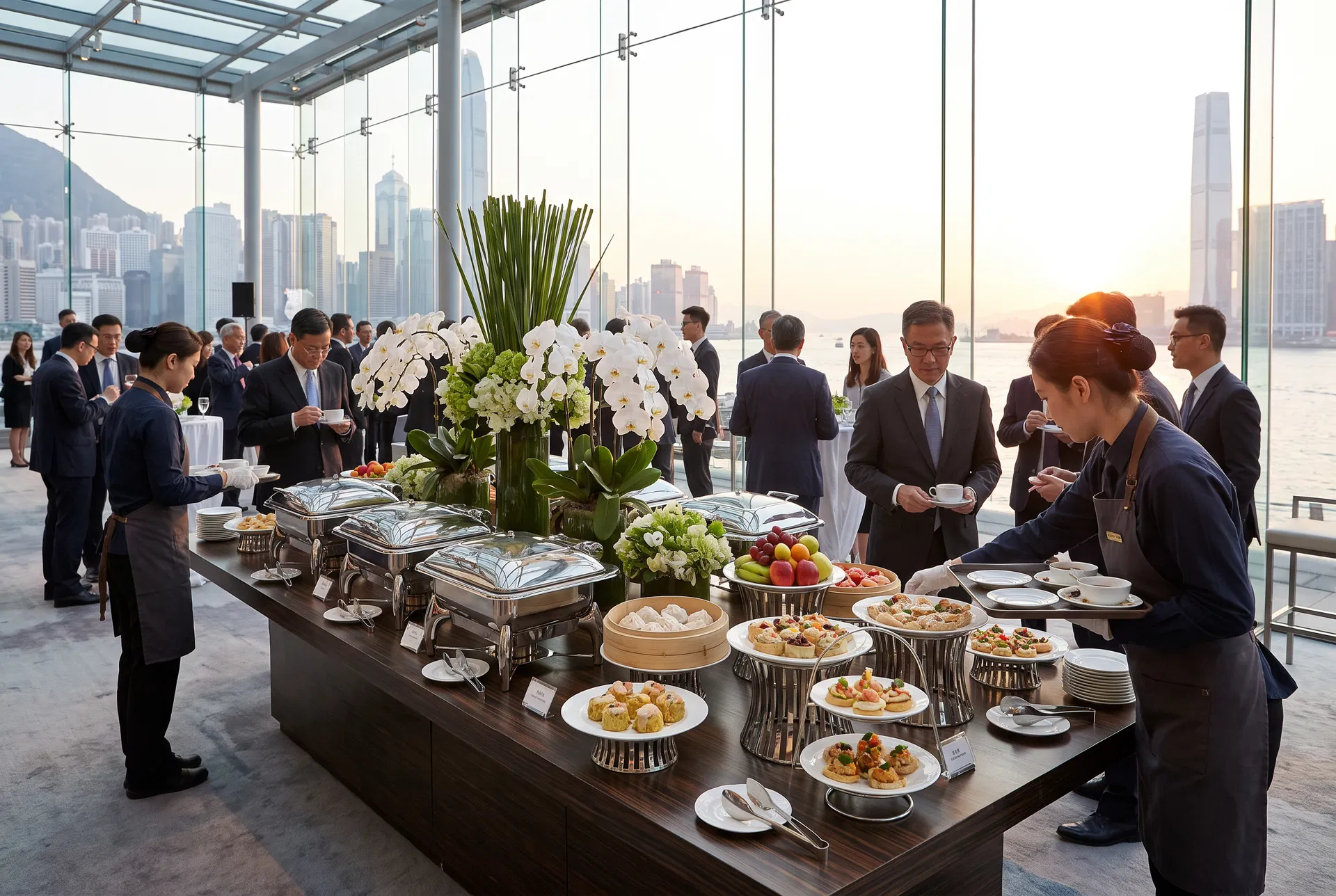
Think about how food will fit around the activity rather than treating it as a separate feature. Finger food and individually portioned snacks can be convenient when guests are moving between an egg hunt and a craft table, while a meal may suit a gathering where everyone can sit down. Check with the venue whether food can be served in the activity area and whether there are restrictions on eating, decoration or clean-up.
Build in a comfortable timetable
For a two- or three-hour event, a break in the middle can give children time to rest and adults a chance to talk. The source guide suggests a 15–20 minute tea break for a workshop of this length, but the best timing depends on the age group, activity and meal plan. Longer events may need more than one food break. Confirm the schedule with whoever is supplying or hosting the activity, and allow time for delivery and serving rather than planning every minute tightly.
Choose a menu and portions for children and adults
Consider age, duration and appetite
Guest numbers are only one part of estimating food. Consider how long the event lasts, whether guests will have eaten beforehand, the ages of the children and whether the menu is intended as a snack or a full meal. Younger children may prefer familiar, easy-to-handle choices, while adults may expect more substantial options at a lunchtime gathering. Avoid assuming that one standard package will suit every family.
Keep service practical
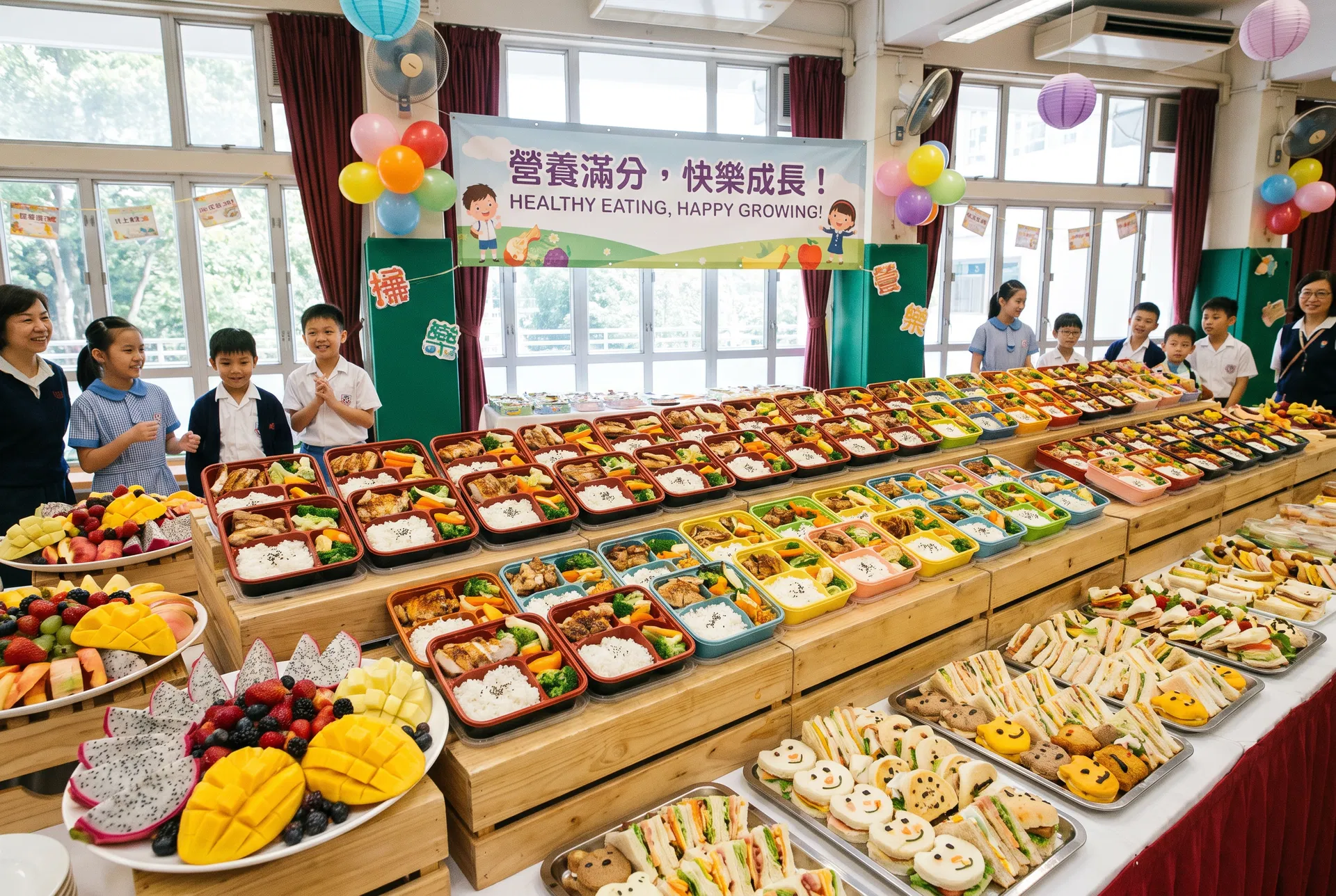
Ask the caterer to describe the portion assumptions behind a proposed menu. Find out whether the quoted quantity is intended as a light refreshment or a meal, and whether children’s portions are available. For children’s party catering, clarify what is included rather than relying on the label: the menu, delivery, serving items, staff and any set-up may be treated differently by different suppliers.
Ask what a package includes
If guests will be eating in small groups during activities, a menu that can be served in manageable batches may help keep the event organised. Check whether the provider can deliver at the required time and to the correct entrance, particularly in a venue with access arrangements or a strict booking window. Do not assume a quote includes tables, utensils, serving equipment or collection; request a written breakdown so you can compare like with like.
Make an egg hunt and food service work together
Separate the active and eating parts
An egg hunt gives an Easter gathering a clear focal point, but it can make food service awkward if both happen at once. Consider serving a light snack before the hunt, then offering the main food afterwards, or leaving a separate area for guests who do not take part. The right sequence depends on the venue and the children attending, so make the plan clear to parents and helpers in advance.
Plan for arrivals and pauses
Allow time for arrivals, coats, a short welcome and a transition between activities. If guests are expected to arrive over a period, serving all the food at once may not suit the schedule. Ask the provider whether delivery timing can be agreed and what happens if access to the venue is delayed. These are practical questions to confirm, not details to assume from a menu listing.
Keep the event welcoming
Not every child will want to join the same game or eat at the same time. A quieter activity, such as drawing or a simple craft, can offer an alternative while others take part. For families exploring a parent-child workshop, check the activity’s length and whether refreshments are allowed in the space. A kids art class may also suit a creative Easter theme, while balloon decoration is an option to ask an event supplier about; availability and suitability should be confirmed directly.

Confirm dietary needs, delivery and venue details
Share requirements early
Collect dietary information before choosing the final menu. Ask guests or parents to identify relevant restrictions and communicate them clearly to the caterer, including whether the request concerns an allergy, preference or religious requirement. Do not assume that a provider can accommodate every request or prevent cross-contact. Ask what they can offer and how they handle the information, then decide whether the response meets your needs.
Ask specific delivery questions
Confirm the delivery address, access point, arrival window and serving time. If the venue has loading rules, lift access, restricted hours or a booking contact, pass those details to the supplier. Ask whether food arrives ready to serve, whether set-up is included and who is responsible for clearing items afterwards. A written confirmation can help avoid confusion when several adults are coordinating the event.
Check responsibilities at the venue
Food storage and transport arrangements are also worth asking about, particularly for items that need temperature control. The original guide made claims about insulated boxes and food safety credentials that cannot be verified here; instead, request the supplier’s own information about packaging, transport and any relevant documentation. Check that the planned serving time and venue facilities are compatible with the supplier’s instructions, and do not rely on general assurances in place of specific answers.
Add an Easter cake without overcomplicating the menu
Choose the cake’s role
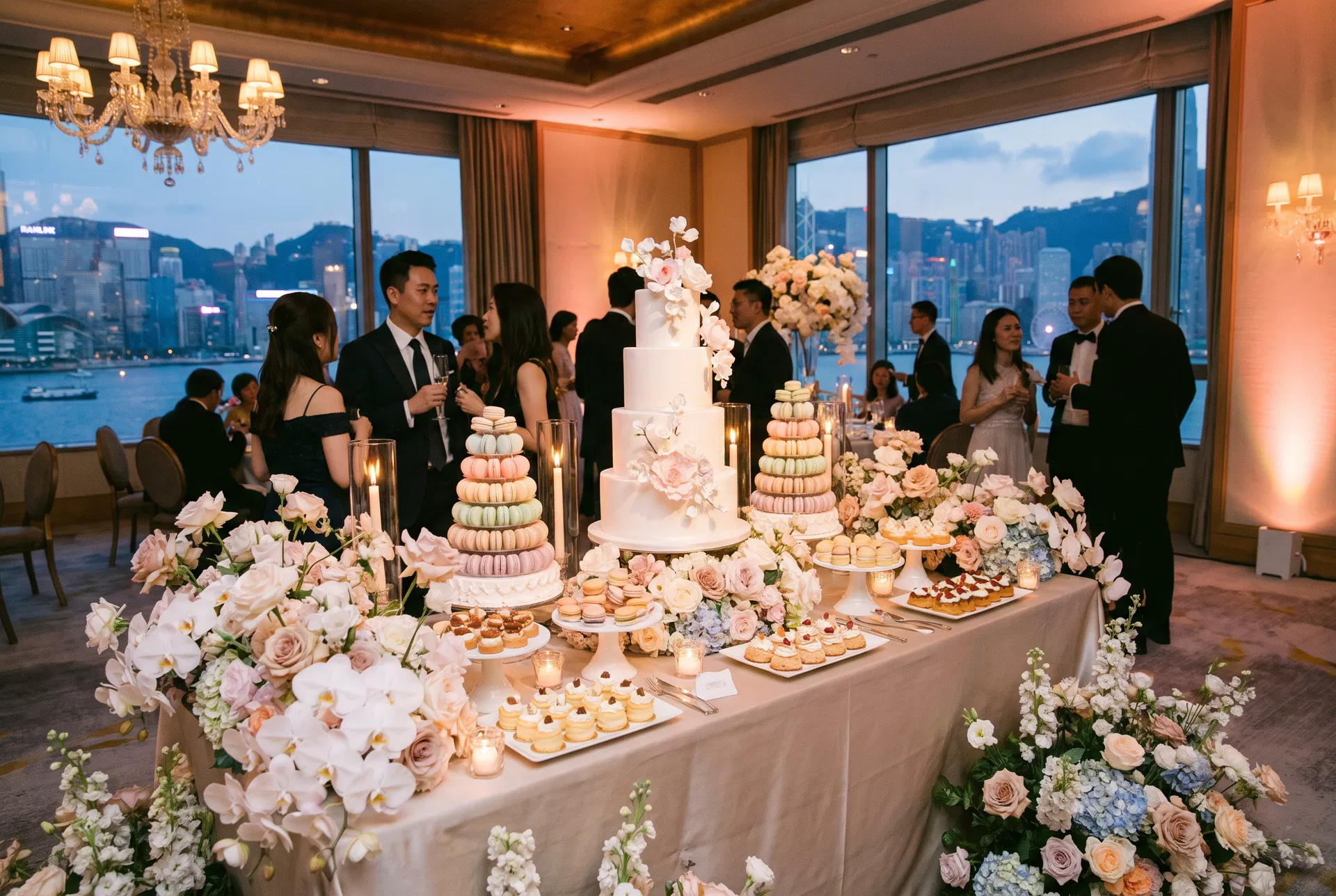
A cake can be the centrepiece of a family celebration, a dessert after lunch or simply one of several treats. Decide which role it will play before ordering, so you can avoid buying more sweet food than guests are likely to want. An Easter theme can come through in colour, decoration or a simple seasonal design; it does not need to dictate the rest of the menu.
Clarify design and serving details for custom cakes
When enquiring about custom cakes, provide the date, guest estimate, preferred size and design references, then ask what the baker can accommodate. Confirm collection or delivery arrangements, the time the cake should arrive, how it is packaged and whether any serving items are included. Ask for ingredient and allergen information where needed, and make your decision based on the supplier’s specific response rather than assuming a design or dietary adaptation is available.
Coordinate the cake with other food
Coordinate the cake moment with the rest of the schedule. If children will be hunting for eggs or taking part in a craft, allow time for them to return and settle before serving. Check whether the venue has a suitable place to keep the cake until then and what arrangements are permitted. If a caterer and cake supplier are separate, make sure both know the service time and who will receive each delivery.
Book early and compare catering quotes carefully
Confirm the date before choosing a package
The source guide recommends allowing at least five to seven working days for a standard booking and more time during busy seasons or for a large event. Treat these as planning suggestions, not guarantees: Easter availability, lead times and cut-off dates vary by supplier. For a 2026 gathering, start enquiries early if the date is fixed, especially when you also need to secure a venue or coordinate a group activity.
Compare what the quote covers
Ask for an itemised quote that sets out the menu, quantities, delivery charge and any optional services. Find out whether there is a minimum order, whether prices are per person or based on a package, and whether the final cost changes with the guest count. The source guide includes example price ranges, but these are not verified or current; request up-to-date written prices directly rather than using old figures to budget.
Check terms and deadlines
Before paying or confirming, read the provider’s booking terms. Check when the guest count and menu become final, what changes are possible, and what happens if you need to cancel or move the date. The source material does not substantiate particular payment methods, refund rights or flexible-change policies, so ask the supplier for its terms in writing. Compare the complete cost and conditions, not just the headline price.

Use a simple event-day checklist for a smoother gathering
Assign one contact for suppliers
Choose one adult to be the main contact for the caterer, venue and activity host. Share that person’s contact details with the relevant suppliers and make sure they know the expected arrival time and where to go. If another adult is managing the egg hunt or welcoming guests, agree who will handle questions about food, dietary requests and late arrivals.
Prepare the space and serving plan
Before the event, check what the venue provides and what you need to bring. Confirm where food can be placed, whether there is access to seating and rubbish facilities, and whether decorations or outside food are permitted. Do not assume a supplier provides equipment or on-site staff unless the quote says so. A short written list of responsibilities can help a family or volunteer team divide tasks without duplicating work.
Review the details before guests arrive
On the day, keep the plan flexible enough to accommodate late arrivals or an activity that runs over. Check the delivery when it arrives against the order, and raise any discrepancy with the supplier promptly. Keep the menu and dietary information available to the adults serving food, and tell guests where to ask if they have questions. These straightforward checks cannot guarantee a problem-free event, but they make expectations clearer for everyone involved.

Catering information to check with providers
If this option is relevant to your event, review easter catering and confirm the menu, delivery arrangements, dietary information and booking terms directly with the provider.
If this option is relevant to your event, review kids party catering and confirm the menu, delivery arrangements, dietary information and booking terms directly with the provider.
If this option is relevant to your event, review custom cake and confirm the menu, delivery arrangements, dietary information and booking terms directly with the provider.
FlintHub and the linked partner website have common ownership. This link is not an independent endorsement, tested recommendation or confirmation of availability.
Questions about Easter catering
How far in advance should I book Easter catering?
The source guide suggests enquiring at least five to seven working days ahead, and earlier for a large gathering or a busy date. This is not a guaranteed lead time: ask the supplier about Easter availability, its booking cut-off and when your guest count must be confirmed.
How do I choose a catering package for the number of guests?
First confirm the likely headcount, ages, event length and whether the food is a snack or a meal. Ask the supplier what portions its package assumes, whether children’s portions are available and what is included. Get the menu and any minimum order in writing before confirming.
How can I check food storage and hygiene arrangements?
Ask the provider how food is packaged and transported, what serving-time guidance applies, and what information or documentation it can provide about its handling practices. Do not rely on a general claim or assume a particular certification; assess the supplier’s specific response and follow its instructions.
When is the best time to schedule a break during a workshop?
For a two- to three-hour activity, a short break near the middle is a useful starting point; the source guide suggests 15–20 minutes. Adjust the timing to the participants, activity and meal schedule, and confirm it with the venue or activity host.
How should I handle vegetarian or other dietary requirements?
Ask guests about dietary needs early and pass accurate information to the caterer before finalising the menu. Confirm which alternatives the provider can offer and ask how it handles relevant ingredients or cross-contact. Never assume that every supplier can meet every requirement.
How is catering usually priced?
Pricing may be per person or based on a package, with possible minimum orders, delivery charges or other conditions. The source guide’s example prices are unverified and may be out of date. Request a current itemised quote for your guest count and compare what each supplier includes.
Prepared with AI assistance and local editorial adaptation. This is planning guidance, not a record of a delivered event. Confirm current arrangements directly; images are references and do not verify a particular class or event.
Where families of different ages will participate, a school workshop Hong Kong should clarify grouping, adult roles, and the capacity of the venue.
When comparing creative activities for a child, start by exploring a children’s art class Hong Kong and then enquire about age fit, material choices, and accompaniment details.
Where a school is planning a parent day with small-group rotation, parent-child baking class Hong Kong can be a starting point for discussing flow, space, and adult accompaniment.