
Quick answer
For a parent–child workshop, choose food that is easy to serve and eat, allow time for a relaxed break, and confirm the final headcount and dietary requirements with the caterer in advance. Match the amount and style of food to the event’s length and venue rather than assuming one package will suit every group. Ask about delivery, serving equipment, allergens, minimum order requirements and cancellation terms before confirming your booking.
Why food planning matters at a parent–child workshop
Support the activity, not compete with it
Food is often treated as a finishing touch, but it affects how a workshop runs. A well-timed break can give children a chance to reset and parents an opportunity to chat, while a poorly timed or complicated meal can interrupt a creative activity. Think about the session’s purpose first: a short craft workshop may need only a modest refreshment break, while a longer programme could call for more substantial food.
Plan for both adults and children
Consider the people taking part as well as the menu. Children may prefer familiar, easy-to-handle options, while adults may appreciate a wider choice. Serving food that can be eaten without elaborate cutlery or a long queue can make the break feel less disruptive. Check whether the venue has tables, chairs and space for serving before deciding what format would work best.
Food can also be part of the social experience. A shared break gives families time to discuss what they have made, meet other participants and move between activities at an unhurried pace. Keep expectations realistic, though: catering is one part of the event, not a guarantee of a particular response or level of engagement. The best choice is the one that fits the people, venue and schedule.
Choose a menu that suits the group and venue
Decide whether afternoon tea catering suits the session
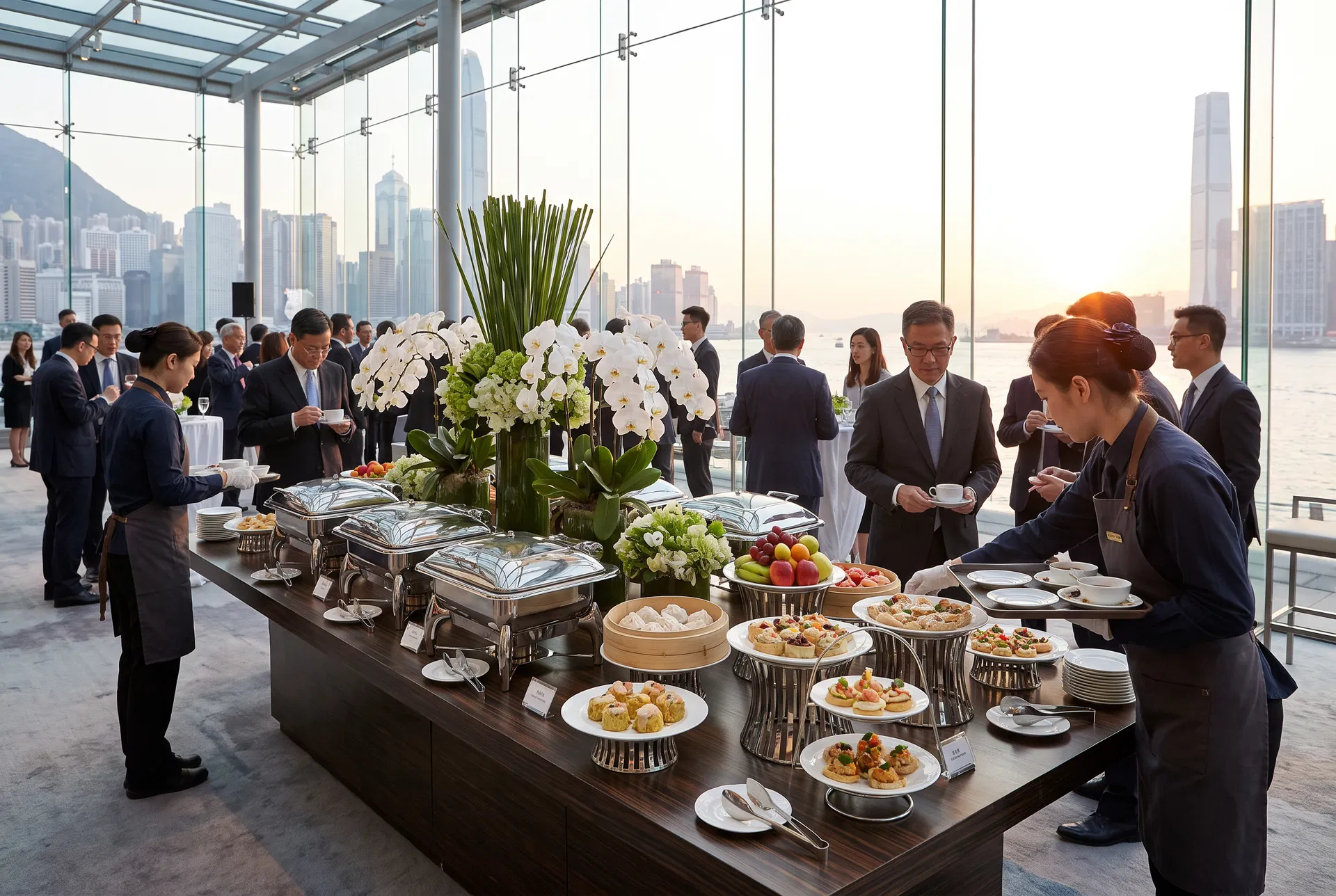
Start with the basics: the confirmed number of adults and children, the workshop duration, the time of day and whether participants will be eating a full meal or having a snack. A small group may want to compare a catering for 10 option with a larger shared spread, but package names do not always mean the same thing from one provider to another. Ask what is included and whether quantities are intended as a light refreshment or a meal.
Make dietary requirements clear
For a break between activities, afternoon tea catering may be worth asking about. Check the menu, portion sizes and serving format rather than relying on the label alone. Finger food can be practical when participants need to return to a table or activity, but some groups may prefer more filling choices. If the venue has limited seating or serving space, tell the caterer so that you can discuss suitable options.
Ask families to share dietary needs and allergies by a stated deadline, then pass accurate information to the provider and request written confirmation of what can be accommodated. Do not assume that vegetarian, halal, gluten-free or allergy-aware options are available. Ask how ingredients and possible cross-contact are handled, and make clear that the provider must confirm any specific requirements. If an option cannot be verified, discuss alternatives with the family concerned.
Set a break time that works with the workshop
Build the food break into the running order
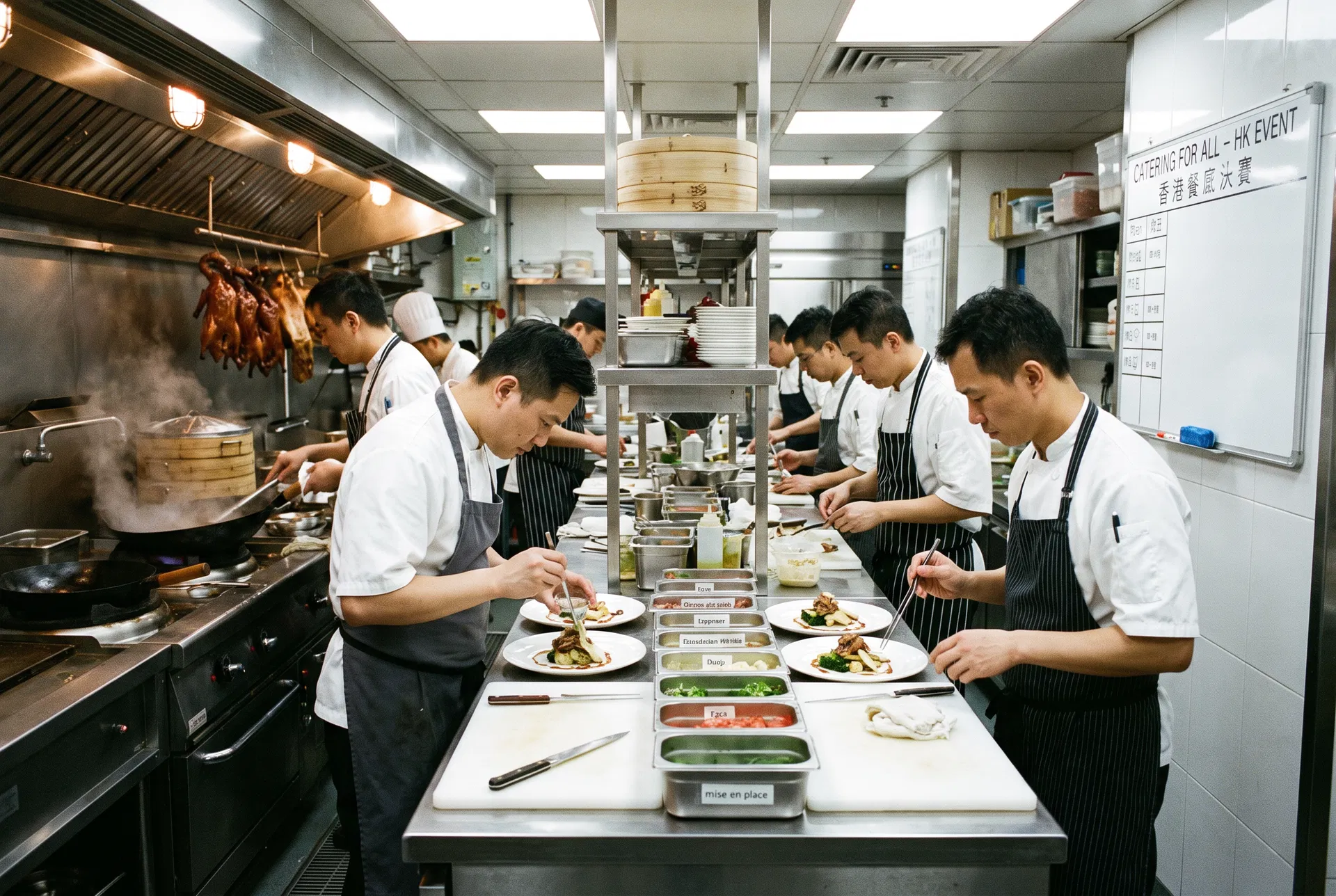
The right break depends on the activity and the group, so avoid treating a particular duration as a universal rule. For a workshop lasting a few hours, a midpoint pause may be convenient, but the facilitator may prefer to break after a natural stopping point. For a half-day event, consider whether one refreshment break is enough or whether the schedule calls for a separate meal period.
Allow for serving and clearing
Include more than eating time in the timetable. Participants may need time to wash their hands, queue, find a seat and clear their plates. Children may also need help opening packaging or choosing food, so a break that looks long enough on paper can feel rushed in practice. Ask the venue what serving arrangements are possible, and confirm who will set out and clear the food rather than assuming this is included.
Share the proposed serving time and workshop schedule with the catering provider before booking. Confirm the delivery window, access arrangements and where food can be placed. If the activity may overrun, ask how much flexibility is possible; do not assume that a provider can change the delivery time at short notice. Keep the break separate from any activity that needs participants’ full attention, and make the transition back to the workshop clear.

Check the venue, delivery and serving arrangements
Confirm practical details before booking
Venue details can shape the menu as much as the headcount. Check whether outside food is permitted, whether there is a suitable area for delivery and serving, and what facilities are available. Ask about access restrictions, lifts, loading arrangements and the time the room can be used. These details are especially important when a workshop takes place in a shared or school space with fixed opening hours.
Ask what the service includes
Clarify what the quoted service covers. Does the provider deliver only, or are set-up, serving items and collection included? Ask whether plates, napkins, utensils or drinks are part of the package, and whether any items need to be returned. Confirm who will be present to receive the order and what to do if delivery is delayed. These are questions to settle directly with the provider, as arrangements vary.
Also agree how waste and leftovers will be handled. The venue may have rules about rubbish, recycling and food storage, while the caterer may have its own collection terms. Do not assume food can be kept for later or that serving equipment will be removed automatically. A clear written summary of responsibilities helps the organiser avoid last-minute confusion and keeps the workshop space usable for the next activity.
Compare catering quotes and booking terms
Get a like-for-like event catering quote
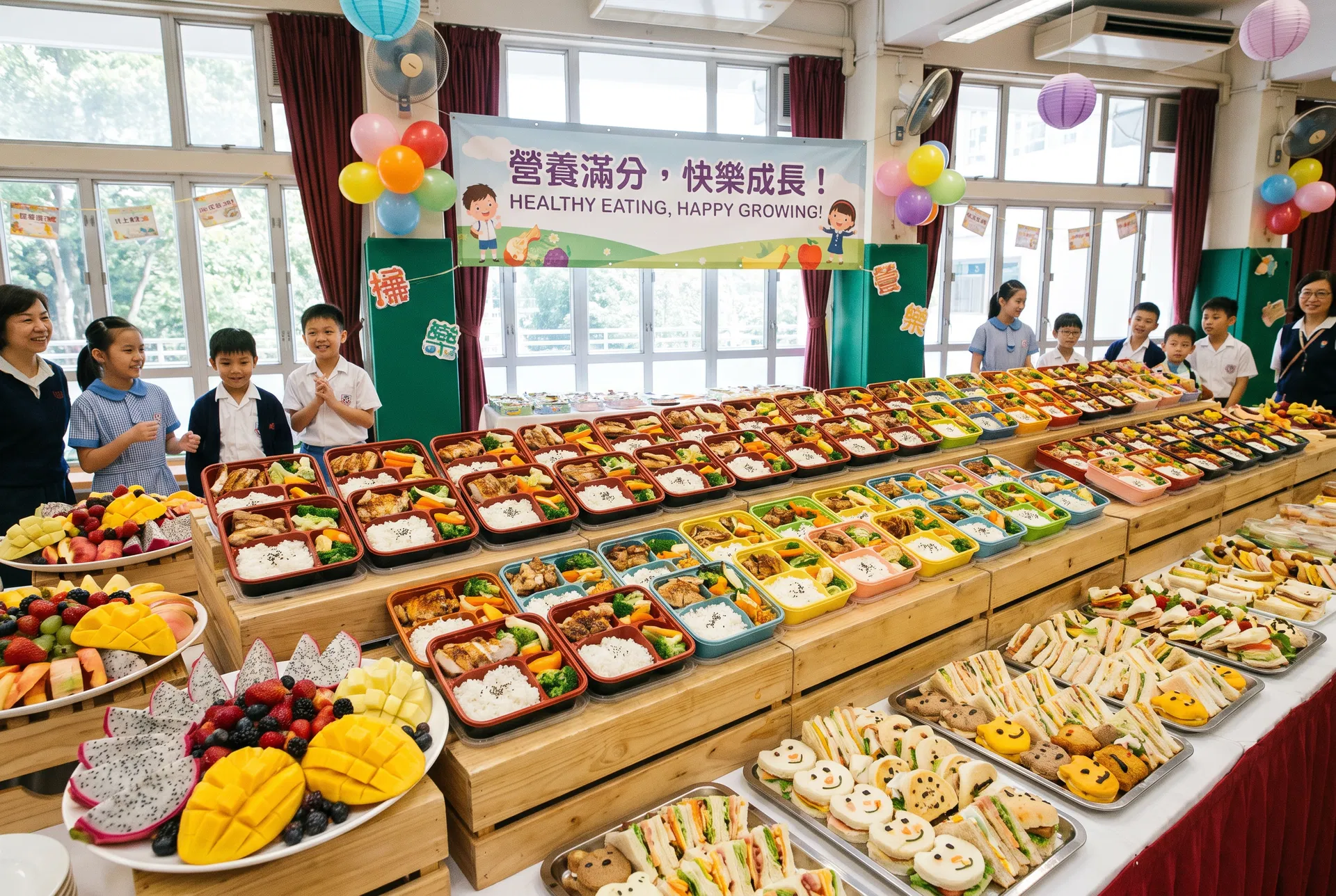
Catering costs can depend on group size, menu choices, delivery distance, service requirements and minimum order conditions. Rather than comparing headline prices alone, ask each provider for a breakdown and check whether the quotation includes any delivery or serving charges. No single per-person figure applies to every event, so request current prices for your date, location and requirements instead of relying on general estimates.
Confirm changes and cancellation terms
Before accepting a quote, confirm the final headcount deadline and whether the price changes if numbers go up or down. Ask how late menu changes can be made and whether substitutions are possible. If several families are paying separately, decide in advance who will collect dietary information and confirm the order; avoid sending conflicting instructions to the provider.
Read the booking, payment, cancellation and refund terms before making a commitment. Policies differ, so do not assume that a deposit is refundable or that a date can be changed without charge. Ask for the terms in writing, including what happens if the venue changes or the event is postponed. Keep the provider’s contact details and a record of the agreed menu, timing, headcount and special requests.
Coordinate the food with the people running the workshop
Give families clear information
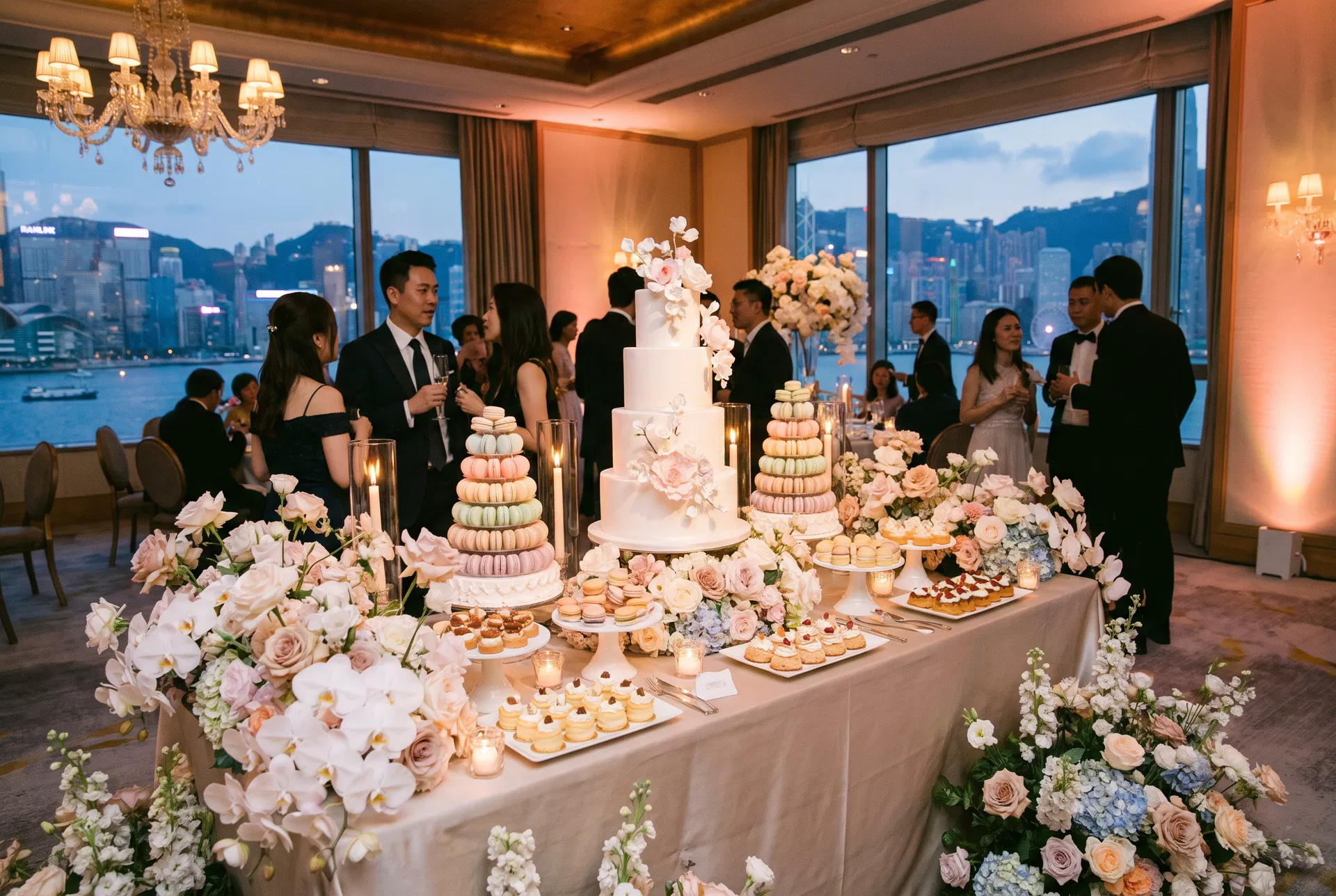
The organiser, facilitator, venue and caterer all need the same practical information. Share the expected arrival and serving times, the location of the break and any access instructions with the relevant people. Assign someone to receive the delivery and check it against the order. If the workshop has multiple sessions, tell the caterer which break applies and make sure the serving area will not obstruct the activity.
Keep food and activities organised
Let families know what food will be available and invite them to communicate dietary needs through a clear channel and by a reasonable deadline. Avoid promising that a particular dish is suitable until the provider confirms it. If participants need to bring their own food, explain how that will fit with venue rules and shared tables. Clear, neutral information helps families make their own arrangements without overstating what the event can provide.
Plan how the group will move from the activity to the food and back again. A simple queueing arrangement and a visible place to leave used items can reduce disruption. Keep food away from materials or work in progress where practical, and follow the venue’s instructions about cleaning and waste. These are organisational considerations, not a substitute for the provider’s advice on handling or storage.

A practical checklist before confirming your event catering
Review the order with the provider
Before you confirm, check the date, venue address, delivery time, contact person, headcount, menu and agreed price. Make sure dietary requests have been acknowledged, and ask for confirmation of any ingredients or special arrangements that matter to participants. Verify whether serving items, set-up, collection and waste handling are included. If any detail remains unclear, ask before paying or accepting the booking.
Keep the plan proportionate and flexible
A useful plan does not need to be elaborate. For a short session, simple refreshments may be more appropriate than a large spread; a longer event may require a different arrangement. The goal is to support the workshop and make the break comfortable, not to add unnecessary complexity. Build in a little time for delivery and serving, but avoid promising flexibility that the provider has not confirmed.
For further ideas about the learning activity itself, see our guide to a parent-child workshop. Families planning an art-focused session may also find our kids art class guide useful, while a singing bowl session offers a different kind of shared activity to explore. Whatever the programme, treat the food order as a separate decision: confirm the details with the caterer and venue, then communicate the final plan clearly to participants.

Catering information to check with providers
If this option is relevant to your event, review food catering and confirm the menu, delivery arrangements, dietary information and booking terms directly with the provider.
If this option is relevant to your event, review 10 person party set and confirm the menu, delivery arrangements, dietary information and booking terms directly with the provider.
If this option is relevant to your event, review afternoon tea catering and confirm the menu, delivery arrangements, dietary information and booking terms directly with the provider.
FlintHub and the linked partner website have common ownership. This link is not an independent endorsement, tested recommendation or confirmation of availability.
Match Portions and Allergen Arrangements
Before comparing Catering Packages for a parent–child workshop, count adults and children separately and ask whether portions suit a snack break or a meal. If arranging outside food, collect specific allergens from families rather than accepting a “child-friendly” label. Ask the caterer: can the kitchen confirm ingredients in sauces and explain how shared preparation and serving utensils are handled? Ingredient checks alone do not rule out cross-contact. Confirm whether separate serving equipment can be provided and who will manage it during the break; if arrangements remain unclear, discuss an alternative with the affected family before ordering.
Prepared by FlintHub Academy with AI assistance from public information for event catering, gifting, baking and floristry planning and enquiries, not first-hand service testing or real client cases. YumYum and FlintHub Academy have the same owner; links are relevant service resources, not independent third-party endorsements. AI-generated concept illustrations do not depict actual YumYum products, services, venues, instructors or clients. No professional author credentials or guarantees of safety, price, availability or outcomes are claimed. Confirm allergies, materials and storage requirements, scope, fees and availability with the actual provider.
Questions about event catering
How far in advance should I book event catering?
Lead times vary by provider, menu, date and group size. Contact caterers as early as practical, especially for busy periods, and ask when they need the final headcount and menu. Confirm the delivery slot and booking terms in writing rather than relying on a general lead-time estimate.
How do I choose a catering package for the number of participants?
Start with a reliable headcount, then explain the ages of participants, event length and whether the food is a snack or a meal. Ask what the package includes and whether the portions suit your purpose. A package described as catering for 10 may differ between providers, so confirm quantities, options and any minimum order.
How can I check how food will be kept and delivered?
Ask the provider how food is packaged and transported, what delivery timing they recommend and whether any serving or storage instructions apply. Confirm who will receive the order and follow the provider’s guidance. Do not assume that a particular temperature, packaging method or certification is provided unless the caterer confirms it.
When is the best time to schedule a refreshment break?
Choose a break point that fits the activity rather than following a fixed rule. A midpoint pause can work for some short workshops, while a longer event may need separate refreshment and meal breaks. Allow time for serving, eating and clearing, and agree the timetable with the facilitator and caterer.
How should vegetarian or other dietary requirements be handled?
Collect requirements in advance and pass them accurately to the caterer. Ask which options can be provided and request confirmation of ingredients and any relevant handling arrangements. Do not promise that a menu meets a particular need until the provider has confirmed it; families may need to make their own arrangements if it cannot be accommodated.
How is event catering usually priced?
Pricing depends on the menu, number of people, service level, delivery and any minimum order. Request a current, itemised quotation for your event and check which items or charges are included. Compare like for like, and confirm payment, cancellation, refund and headcount-change terms directly with the provider.
Prepared with AI assistance and local editorial adaptation. This is planning guidance, not a record of a delivered event. Confirm current arrangements directly; images are references and do not verify a particular class or event.
When comparing creative activities for a child, start by exploring a children’s art class Hong Kong and then enquire about age fit, material choices, and accompaniment details.
Where a school is planning a parent day with small-group rotation, parent-child baking class Hong Kong can be a starting point for discussing flow, space, and adult accompaniment.
Where families of different ages will participate, a school workshop Hong Kong should clarify grouping, adult roles, and the capacity of the venue.