Quick answer
Choose a preserved-flower session if you would like to make a keepsake and prefer an arrangement that does not need regular watering; choose fresh flowers if working with seasonal blooms and their fragrance is the main appeal. A Christmas wreath is a seasonal project suited to festive decoration. These are broad distinctions, not guarantees about lifespan or workshop format. Ask each provider what materials, tools, time, price and take-home arrangements are included.
A floral workshop comparison: three formats and what sets them apart
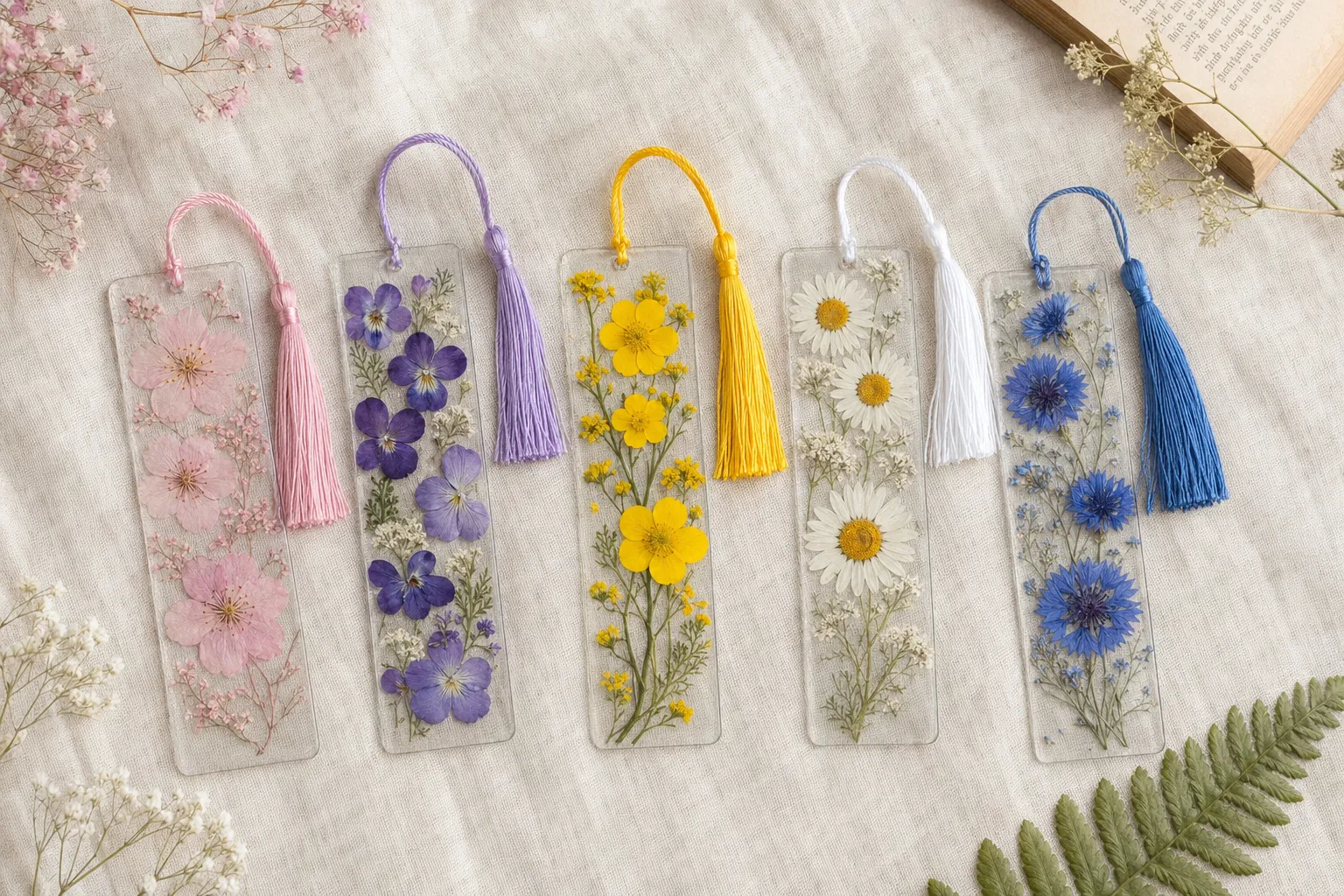
A preserved flower workshop for a longer-lasting display
A preserved-flower session focuses on flowers that have been treated to retain their appearance for longer than fresh cut blooms. The finished piece is often intended as a decorative keepsake, although its condition over time depends on the materials, treatment and display environment. Ask the organiser what type of flowers will be used and what care, if any, they recommend. A preserved flower workshop may suit someone who values a lasting display, but confirm the project and its scale rather than assuming every session makes the same item.
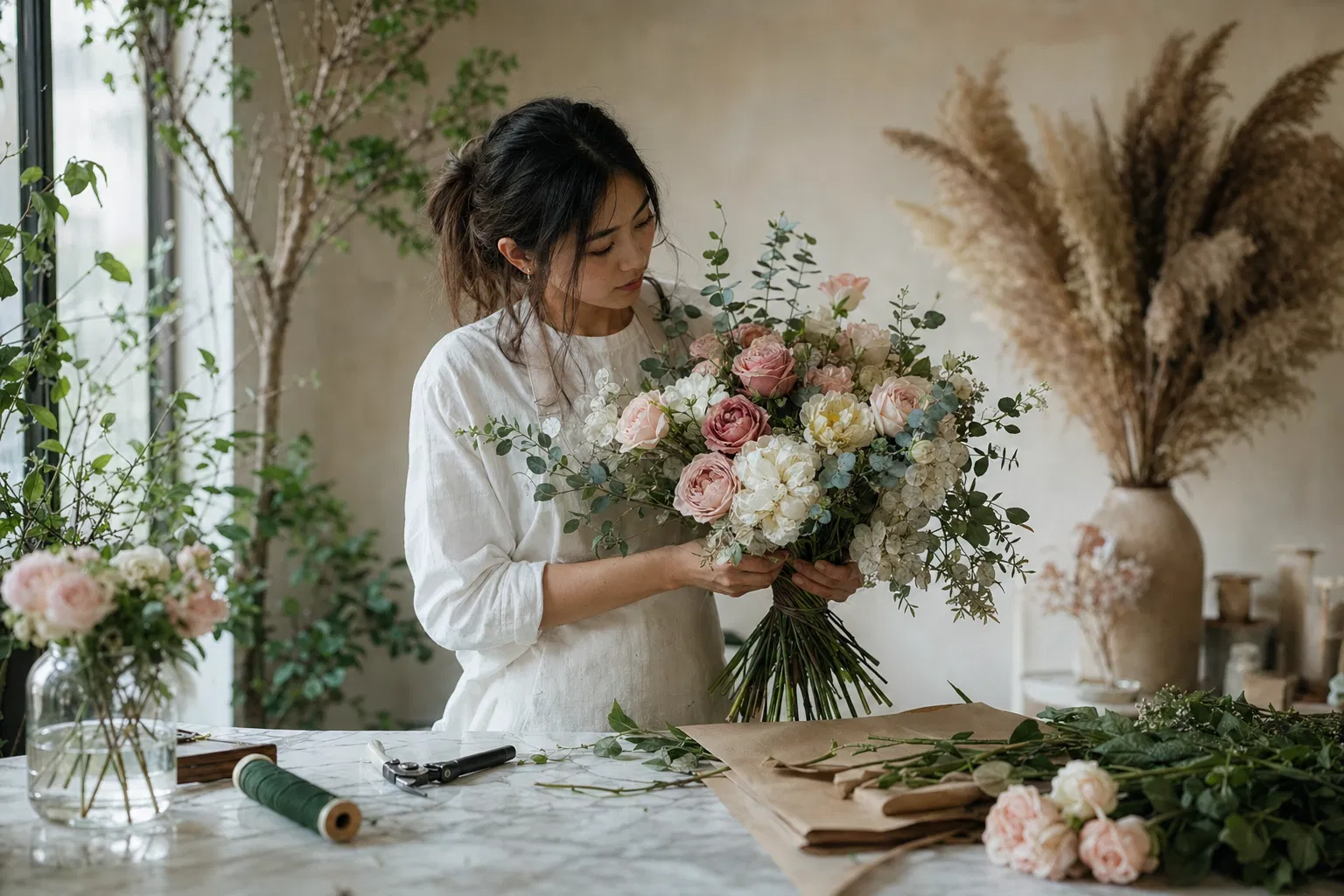
Fresh flowers for a seasonal arrangement
Fresh-flower arranging centres on working with cut blooms and foliage. It can be an appealing choice if you enjoy natural variation, fragrance and the character of flowers that change as they age. Fresh arrangements are perishable, and their useful display period varies with flower type and conditions; avoid treating any stated duration as a guarantee. Check whether the session concentrates on a hand-tied bouquet, a container arrangement or another design, since these involve different materials and outcomes.
Wreath-making as a festive project
A wreath session uses a circular or other base to create a piece of seasonal decoration. The contents may be fresh, dried, artificial or a combination, so the word ‘wreath’ alone does not tell you how long the finished piece will last. A Christmas wreath workshop is most relevant if you want a festive activity or a decoration for the season. Before booking, ask about the design, materials, whether the wreath is suitable for indoor or outdoor display, and what you will take home.
Materials, care and realistic expectations for finished work
Ask what ‘preserved’ means in the session
The label ‘preserved flower’ describes a broad category rather than one universal material or process. Some workshops may use treated natural flowers; others may combine them with dried elements or decorative components. Ask for a clear description of the materials before deciding, especially if the distinction matters to you. A provider’s estimate of how long an arrangement may retain its appearance should be treated as guidance, not a promise: humidity, sunlight, handling and the specific flowers can all make a difference.
Fresh flowers change with time
Fresh flowers have a different appeal: their colour, scent and shape are part of a living, changing display. The flowers available may depend on season and supply, so a photograph should not be assumed to show the exact blooms offered on the day. If you have a preferred colour palette or flower, ask whether it can be accommodated and whether substitutions are possible. For a gift, consider when it will be collected and how it can be transported, rather than focusing only on the workshop itself.
Check the wreath base and foliage
Wreaths can vary considerably according to their base and decorative materials. A design made with fresh foliage may behave differently from one using dried or artificial elements, while ornaments and ribbons can also affect the finished look. Ask whether the session includes a prepared base, which materials are supplied and whether you may choose among alternatives. Any advice about display and care should relate to the particular materials used; do not assume that a wreath will remain unchanged until or beyond the end of the festive period.
Choose a format to suit the occasion and the people taking part
A personal activity or thoughtful gift
For a personal creative outing, start with the type of object you would like to make and the time you have available. A smaller preserved arrangement may be attractive as a keepsake; fresh flowers may suit someone who wants to work with seasonal blooms; a wreath offers a clear decorative purpose. These are starting points, not fixed rules. Read the project description and ask whether the session is suitable for complete beginners, what level of guidance is provided and whether the finished item can be taken away on the day.
A get-together with friends or family
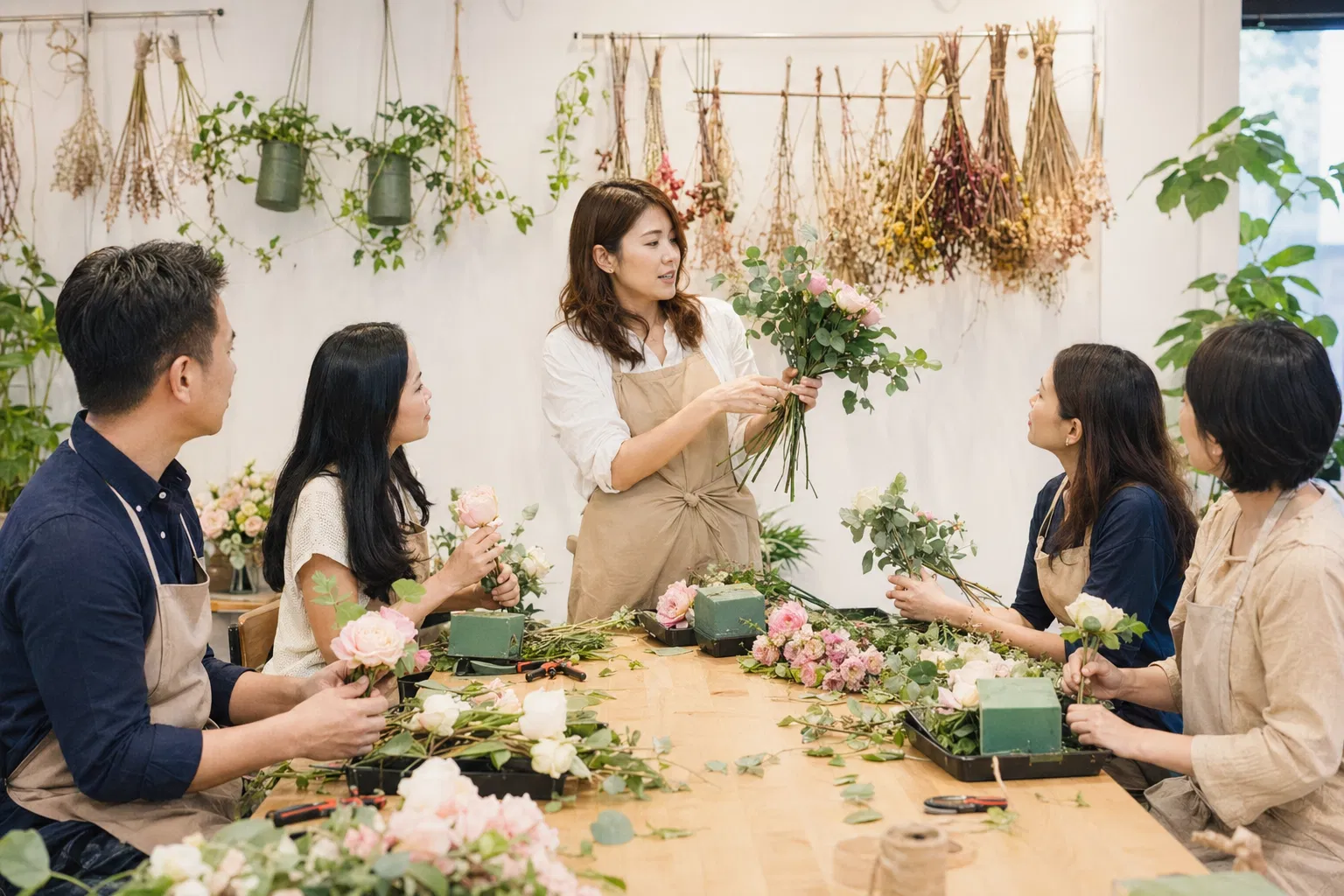
For friends, couples or family members, the activity itself may matter as much as the finished piece. Compare the expected duration, the amount of hands-on work and whether each participant makes an individual design or contributes to a shared one. If children are attending, check any age guidance and whether an accompanying adult is needed; do not assume that every session is designed for all ages. If you are arranging a group outing, confirm the booking conditions and whether everyone must choose the same project.
A group event with a shared theme
For a workplace or larger group, clarify the practical brief before comparing creative themes. Ask the provider whether the proposed session can accommodate your group, what space and set-up it requires, how materials are handled and whether the activity can be adjusted to your timing. A corporate floral workshop may be an option to enquire about, but availability, facilitation, location and group capacity must be confirmed directly. Do not infer that a provider offers a particular package, venue or team-building format unless it is stated for your booking.
One-off workshop or multi-session class: compare the learning format
A single session is not the same as a course
In general, a one-off workshop is organised around a specific activity or finished project, while a multi-session class has more time to revisit techniques and build familiarity. Providers use these terms differently, however, so check the actual schedule rather than relying on the label. Ask how long the session lasts, how much time is spent on demonstration and practice, and whether the stated duration includes arrival, set-up or packing away.
Check beginner guidance and project scope
If you are new to floral design, ask what the instructor will demonstrate and how much individual help participants can expect. The project description should make clear whether the session is mainly a guided make-along or includes a broader introduction to materials and design choices. Avoid assuming that a beginner-friendly label guarantees a particular pace or level of support. If you have a specific goal, such as learning to arrange flowers in a vase, check that the planned activity actually covers it.
Consider follow-on learning only if offered
Someone hoping to develop a skill over time may prefer a course with repeated sessions, but that option should be confirmed with the provider. Ask whether further classes are available, what topics they cover and whether prior attendance is required. Do not assume that a single workshop leads to an advanced pathway, certificate or professional qualification. For a straightforward comparison, note the number of sessions, learning aims and included materials side by side, then decide whether a one-day experience or a longer commitment better matches your interest.
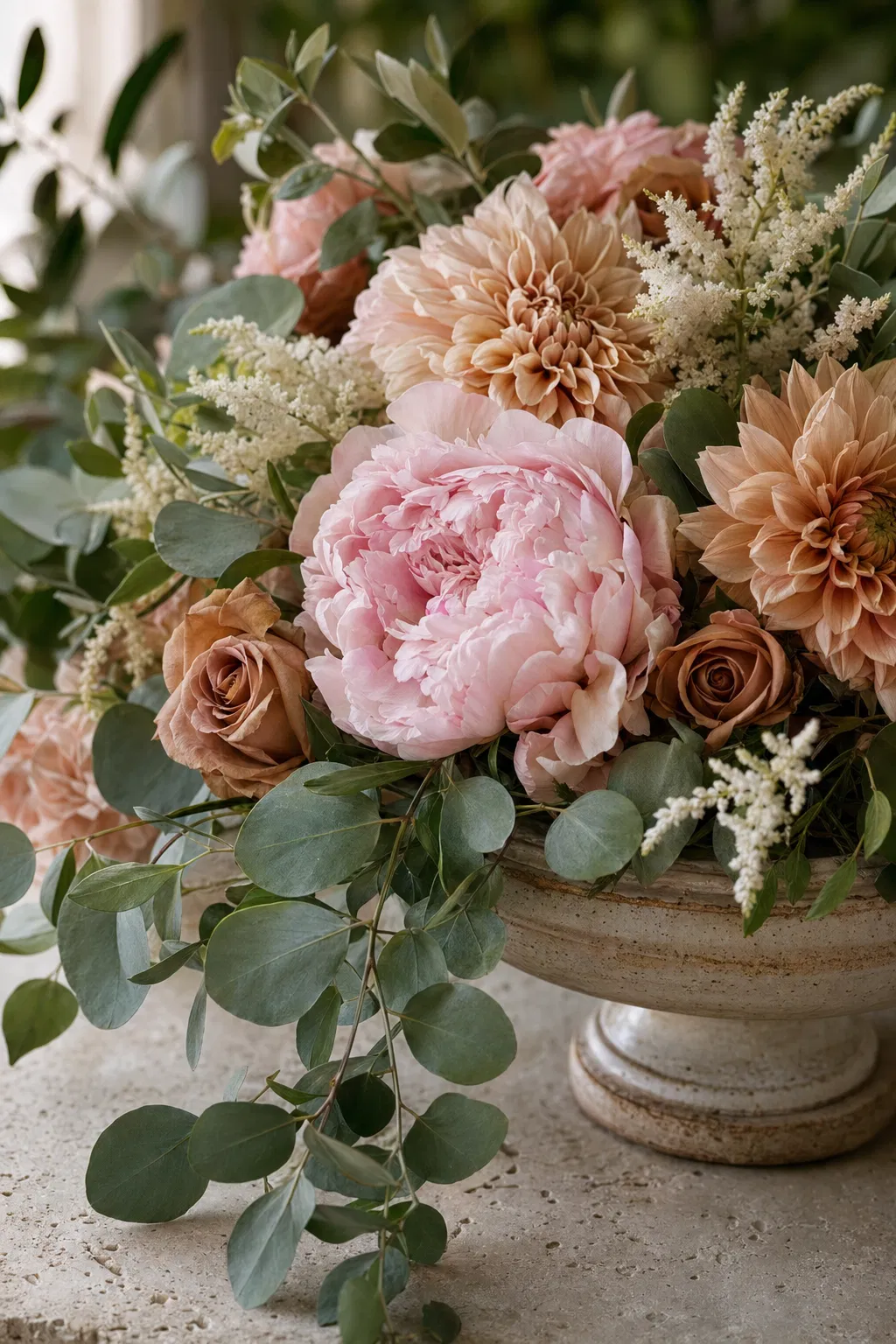
Compare prices by checking exactly what the booking includes
Ask for an itemised description of inclusions
Workshop prices can vary with flower type, quantities, design size, seasonal availability and the amount of instruction involved. The source information for this guide does not establish current prices, so treat any figures found elsewhere as indicative until the provider confirms them. Ask whether the quoted amount is per participant and what it covers: materials, a container or wreath base, packaging, refreshments or delivery should not be presumed to be included.
Check dates, group size and any extra costs
For a group booking, confirm the minimum or maximum number of participants, if any, and whether the price changes with attendance or project choices. Ask about the date, venue, set-up requirements and what happens if the preferred materials are unavailable. If you need a particular format, such as a private session or an off-site event, check whether it is offered rather than assuming it can be arranged. A written description can help you compare options accurately.
Read cancellation and rescheduling terms
Before paying, ask for the provider’s current booking, cancellation and rescheduling terms, including any deadlines or charges. Payment methods, deposits and refund arrangements can differ and should be confirmed directly; this guide cannot verify them. If booking for a group, find out who is responsible for confirming numbers and whether participant changes affect the arrangements. Clear answers to these points are more useful than comparing headline prices without knowing what each one covers.
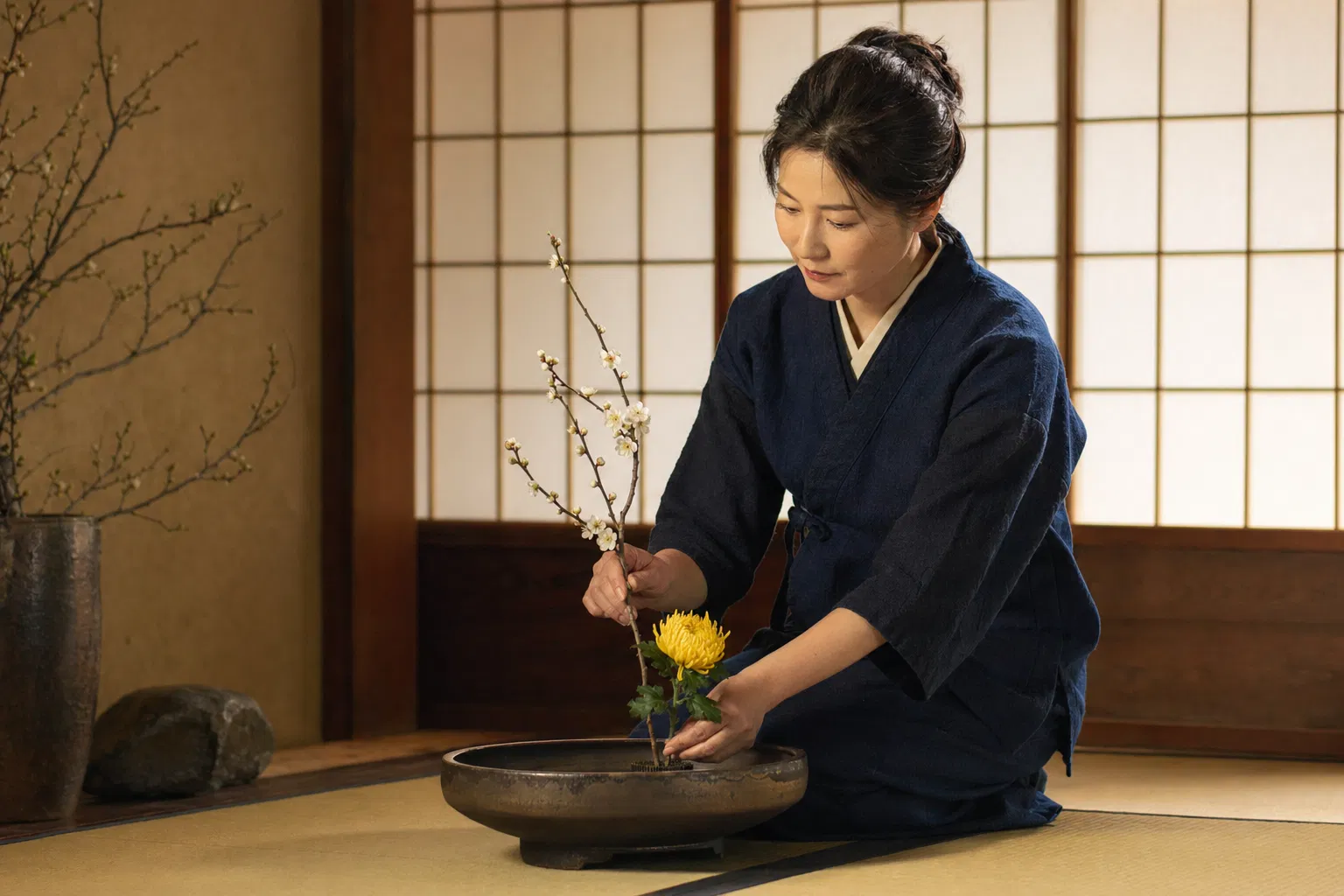
What to confirm before attending a floral workshop
Tools, materials and clothing
Ask whether the provider supplies all flowers, tools and other materials, or whether participants need to bring anything. The answer may differ by session, and a general description is not enough to establish what is included. Check whether protective clothing or an apron is recommended and whether there are any materials you should avoid bringing. Follow the organiser’s guidance for the specific activity, particularly where tools are involved; do not assume a participant can use equipment without instruction.
Transporting the finished arrangement
Think about how you will take the finished work home. A bouquet, a container arrangement and a wreath can have different transport needs, and a completed piece may be delicate or bulky. Ask whether packaging is provided and whether there is space to carry the item safely, especially if you are travelling by public transport. If the work is a gift, consider the timing between the session and presentation, as fresh flowers and preserved materials have different characteristics.
Venue and accessibility details
Confirm the venue, arrival time and any access details with the organiser. If you have mobility, sensory or other access requirements, ask what can be accommodated before booking rather than assuming the space or activity is suitable. For a group, check whether the venue has enough room for the planned number of participants and what set-up is expected. These are practical questions for the provider; no particular location, equipment or support arrangement can be assumed from the workshop title alone.
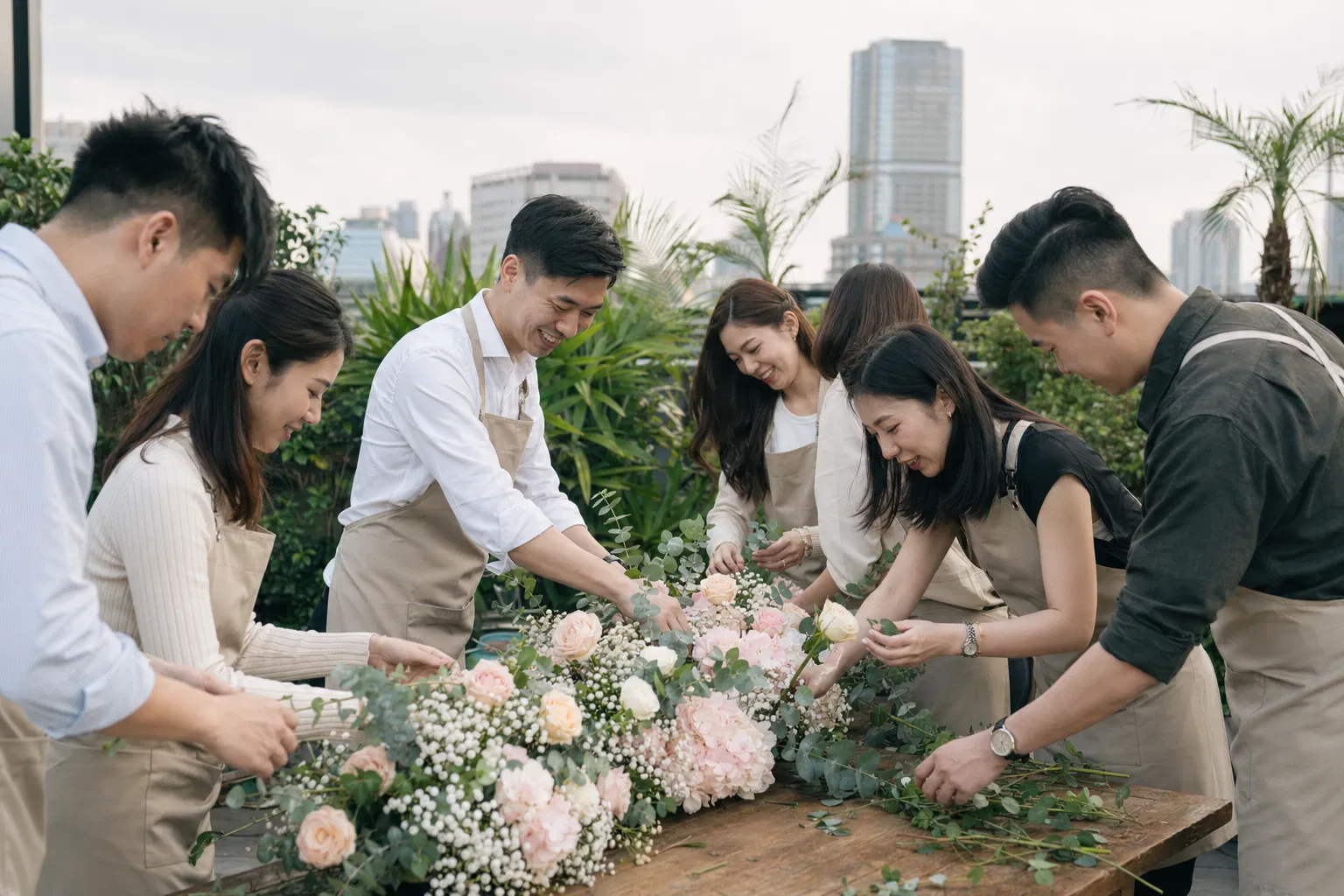
A simple checklist for making your final choice
Match the material to the result you want
Begin with the outcome you want: a keepsake, a fresh arrangement or a seasonal decoration. Then compare the materials and proposed project, not just the photographs or title. Ask what substitutions may occur, what care information is provided and whether the finished piece suits your intended display. If you are choosing for someone else, consider their preferences and whether they would enjoy making the item as well as receiving it.
How to make a like-for-like floral workshop comparison
Next, compare the format and practical details on equal terms. Put the duration, group size, instructor support, materials, venue and confirmed price together for each option. Check the booking terms and what happens if the date or materials change. This makes it easier to distinguish a brief creative experience from a structured class, and to judge whether the overall arrangement works for your schedule and budget without relying on claims that have not been confirmed.
Check seasonal dates before making plans
If you are planning ahead for Christmas, confirm the event schedule and availability before arranging your outing. Seasonal wreath sessions may be announced closer to the festive period, but dates and booking windows vary between providers. Check current listings directly and ask when details will be confirmed. The best choice is the one whose project, materials, timing and terms are clear and suited to your occasion—not simply the one with the most compelling label.
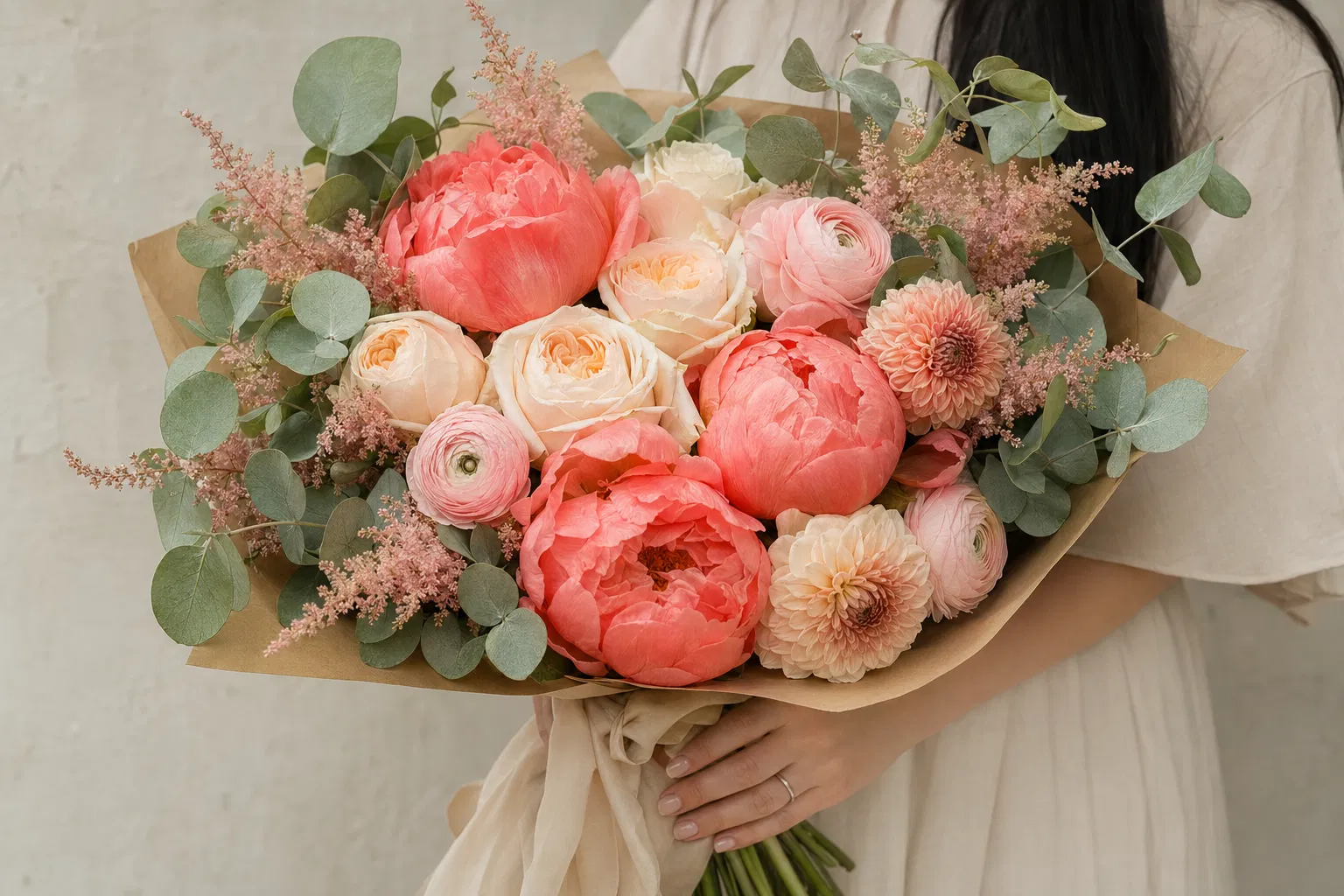
Compare Practice Rather Than Finished Photographs
Flower arranging class options are easier to compare when you ask what you will practise, rather than choosing by the sample photograph. For a fresh arrangement, ask whether you will select and position stems yourself; for a wreath, ask whether you will build the base or decorate a prepared one. Confirm whether the flowers are fresh, dried or treated, and whether the instructor can comment on your placement and balance during practice. If your priority is technique rather than a guided make-along, these answers can help you choose a session whose proposed activities match that goal.
Prepared by FlintHub Academy with AI assistance from public information for event catering, gifting, baking and floristry planning and enquiries, not first-hand service testing or real client cases. YumYum and FlintHub Academy have the same owner; links are relevant service resources, not independent third-party endorsements. AI-generated concept illustrations do not depict actual YumYum products, services, venues, instructors or clients. No professional author credentials or guarantees of safety, price, availability or outcomes are claimed. Confirm allergies, materials and storage requirements, scope, fees and availability with the actual provider.
Questions about floral workshop comparison
What is the difference between preserved flowers and fresh-flower arranging?
Preserved flowers have been treated to retain their appearance for longer than fresh cut flowers and generally do not need regular watering, though they still need suitable care. Fresh flowers are cut blooms that change over time and may offer fragrance and seasonal variety. The materials and likely display life vary, so ask the workshop provider what it uses and avoid treating any lifespan estimate as guaranteed.
When should I book a Christmas wreath workshop?
Seasonal dates and booking windows depend on the provider, so there is no universal start date or guaranteed peak period. If you want a session near Christmas, check listings early and ask when dates will be released and whether places are limited. Also confirm which materials the wreath uses and how long it is expected to suit your intended display.
Do I need to bring my own tools or materials?
That depends on the individual session. Ask whether flowers, tools, a container or wreath base, packaging and any other materials are included, and whether you should bring anything. Do not assume that all workshops provide the same supplies or that the finished work will be packaged for travel.
How is a flower-arranging class different from a floral workshop?
The terms are used differently by providers. A class may involve several sessions and a broader sequence of learning, while a workshop often centres on a particular activity or project in one session. Check the actual schedule, aims, duration and number of sessions rather than relying on the name.
How much does a floral workshop cost?
There is no verified current price range in the information available for this guide. Costs may depend on the flowers, quantities, project, session length, group size and what is included. Request the current price and a clear list of inclusions, then check whether there are extra charges, deposits or separate booking terms.
How many people can join a group floral workshop?
Capacity varies according to the provider, venue, project and available instruction, so no standard group size can be assumed. Ask whether your group can be accommodated, whether the session is private and what arrangements apply to larger groups. Confirm any changes to price, materials, staffing or venue requirements before booking.
Prepared with AI assistance and local editorial adaptation. This is planning guidance, not a record of a delivered event. Confirm current arrangements directly; images are references and do not verify a particular class or event.
After comparing fresh and dried materials, a flower arrangement class Hong Kong can better match the intended display and handling needs.
When an open day needs a creative station that people can complete together, compare the materials and take-home arrangements for an art workshop Hong Kong before choosing a format.
For a school or family considering perfume-making workshop Hong Kong, discuss ventilation, age range, materials, language support and participant numbers before selecting a format.