Quick answer
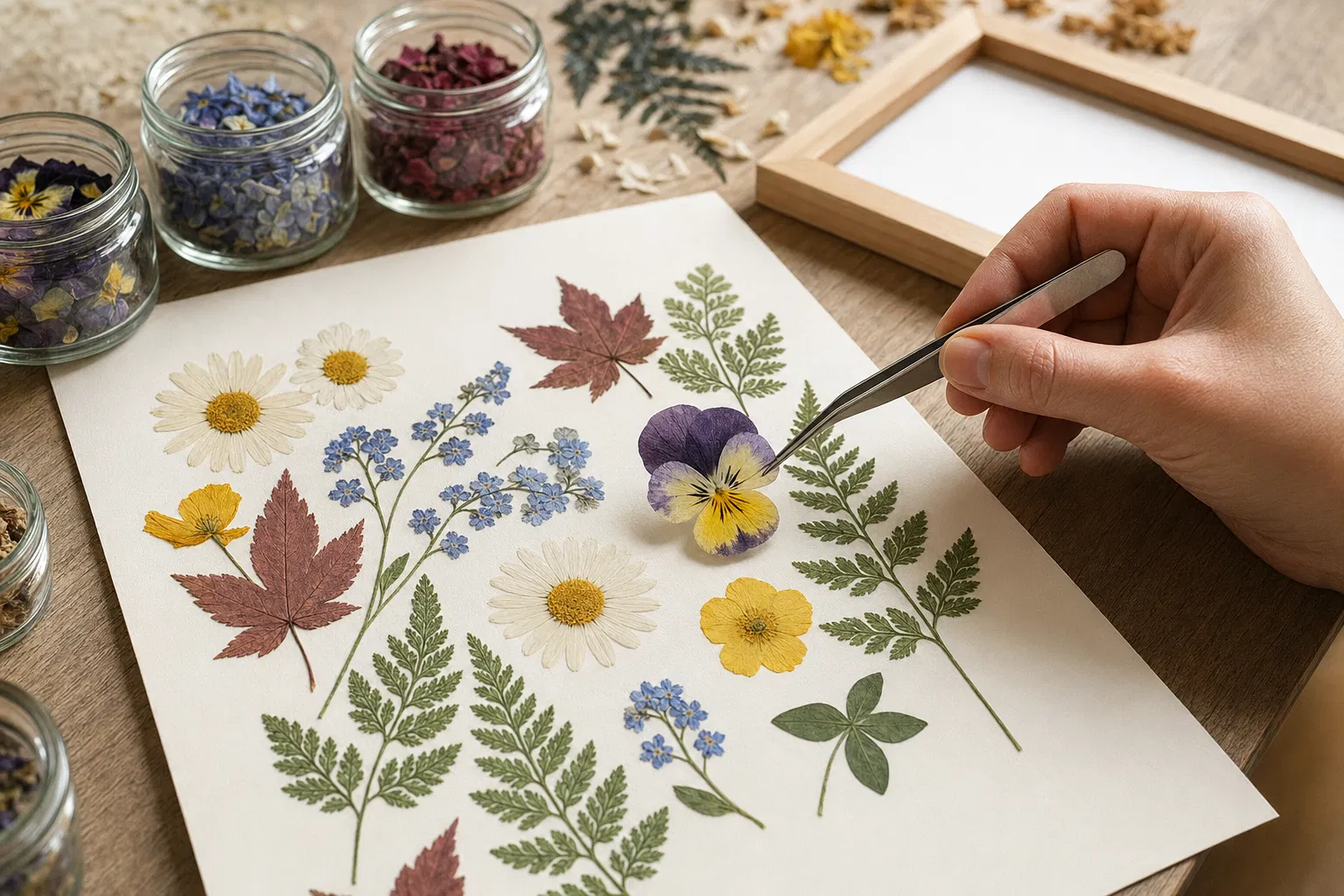
For a first class, look for a clear description of the finished project, the level of experience required, the session length and whether flowers and tools are included. Ask the provider to confirm the current price, group size, location, language and any booking or cancellation terms. Preserved flowers are treated to retain a softer, more natural appearance, while dried flowers have been dried and often look more muted. Choose the material and project that suit your taste and occasion.
Choosing a preserved flower workshop: start with the project
Match the preserved flower class to your reason for going
Workshop listings can use similar names for quite different activities. One session may focus on arranging flowers in a box, while another may centre on a small bouquet or wreath. Before choosing, check the project description and any example images, then consider whether you want a relaxed introduction, a gift-making activity or a chance to practise a particular arrangement. The title alone may not tell you how much time is spent demonstrating, choosing materials or making the piece.
Check what your preserved flower workshop project involves
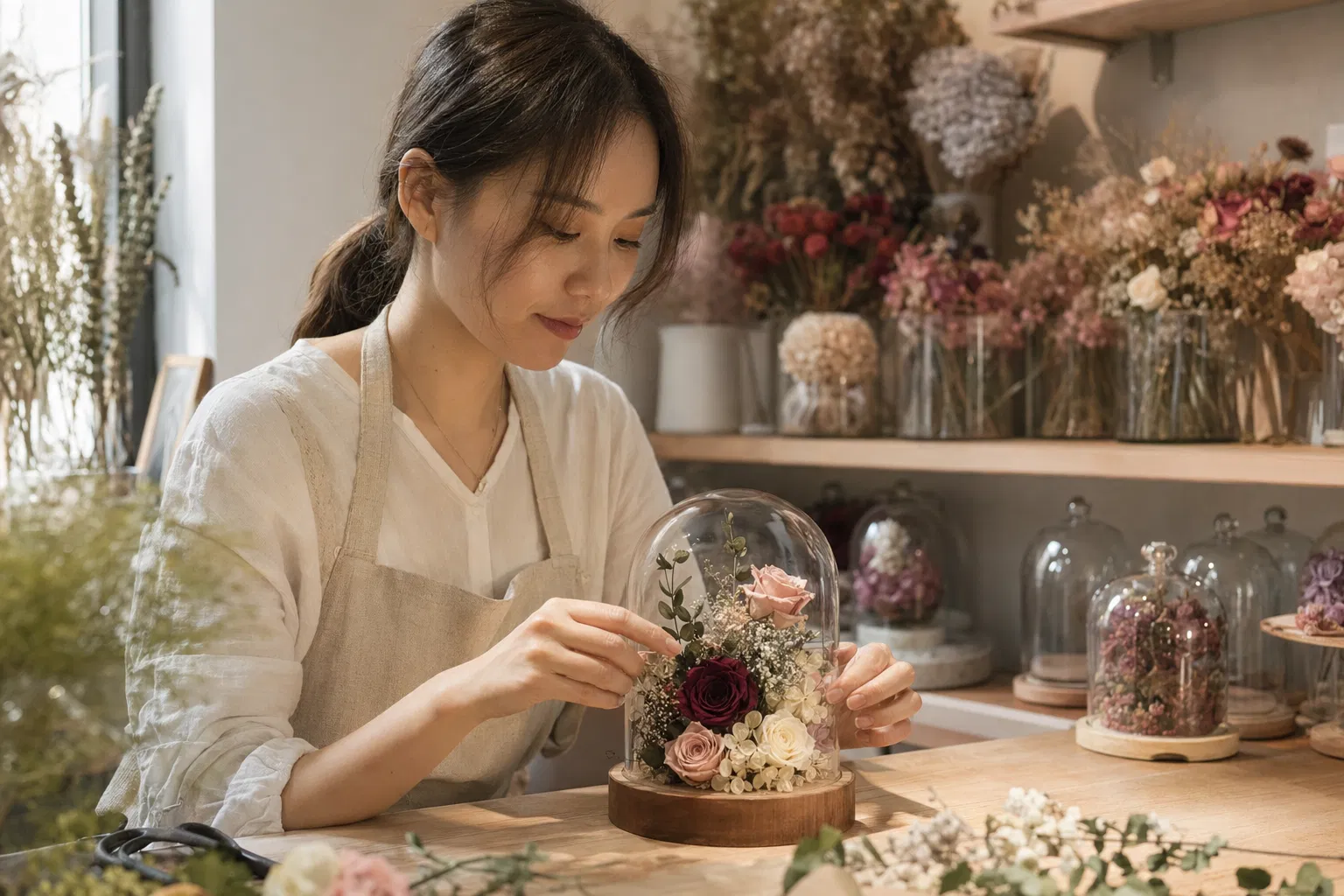
A preserved flower workshop is often appealing for birthdays, a date or a personal creative outing because participants can make an object to take home. If you are booking for someone else, think about their preferred colours and style rather than assuming that a romantic design will suit everyone. Ask whether the finished piece is fixed or whether participants can make choices about its colours and arrangement. Confirm what is actually included before treating a photograph as a promise of the final result.
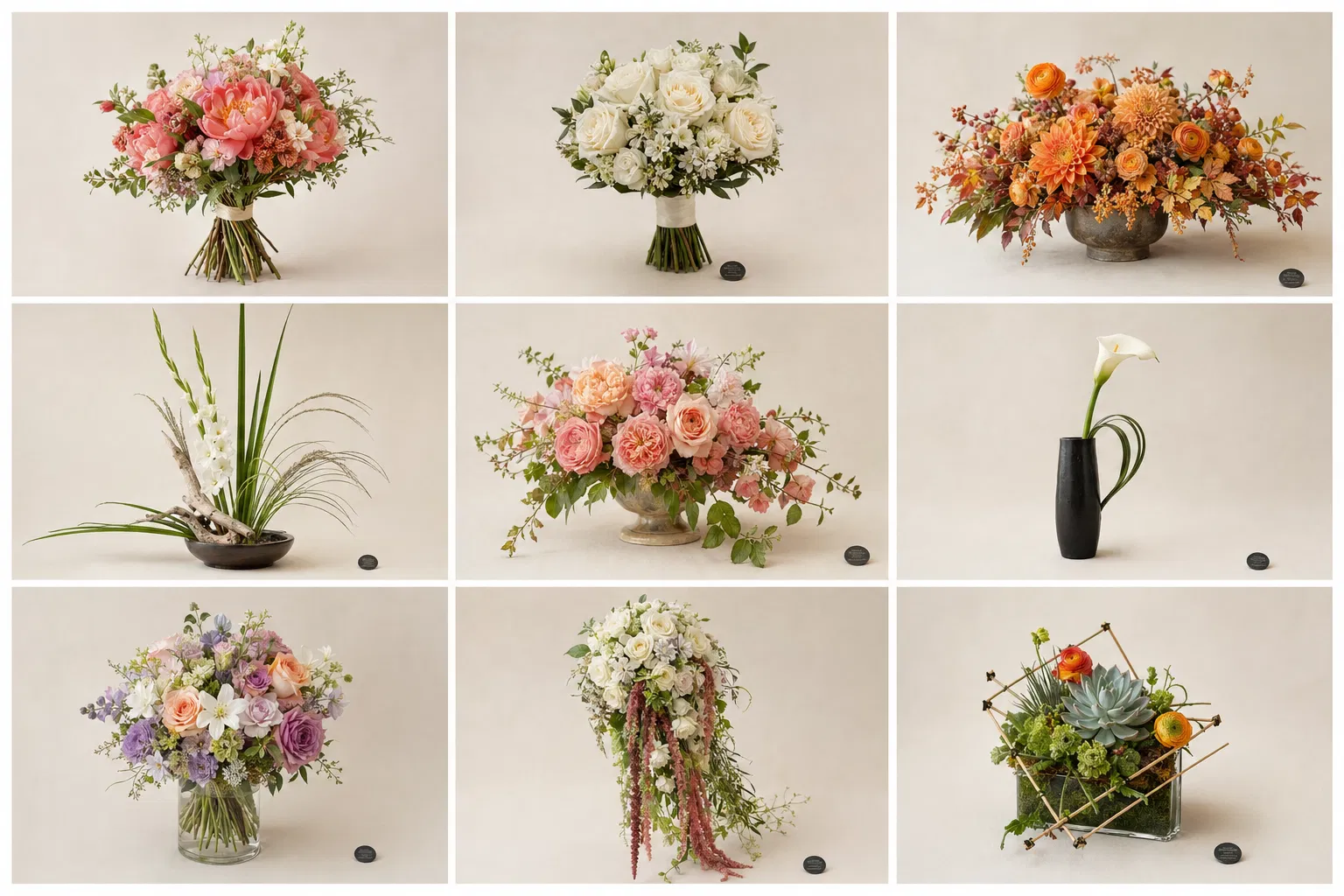
If you are comparing a preserved flower class with a broader floral workshop, look at the learning aim as well as the product. Some listings may emphasise an individual arrangement; others may describe a group activity or a wider introduction to flowers. For a related format, a flower arrangement class may be a useful point of comparison. Check its current content and suitability with the organiser rather than assuming that sessions with similar names cover the same skills.
Preserved and dried flowers: what is the difference?
How the materials tend to look
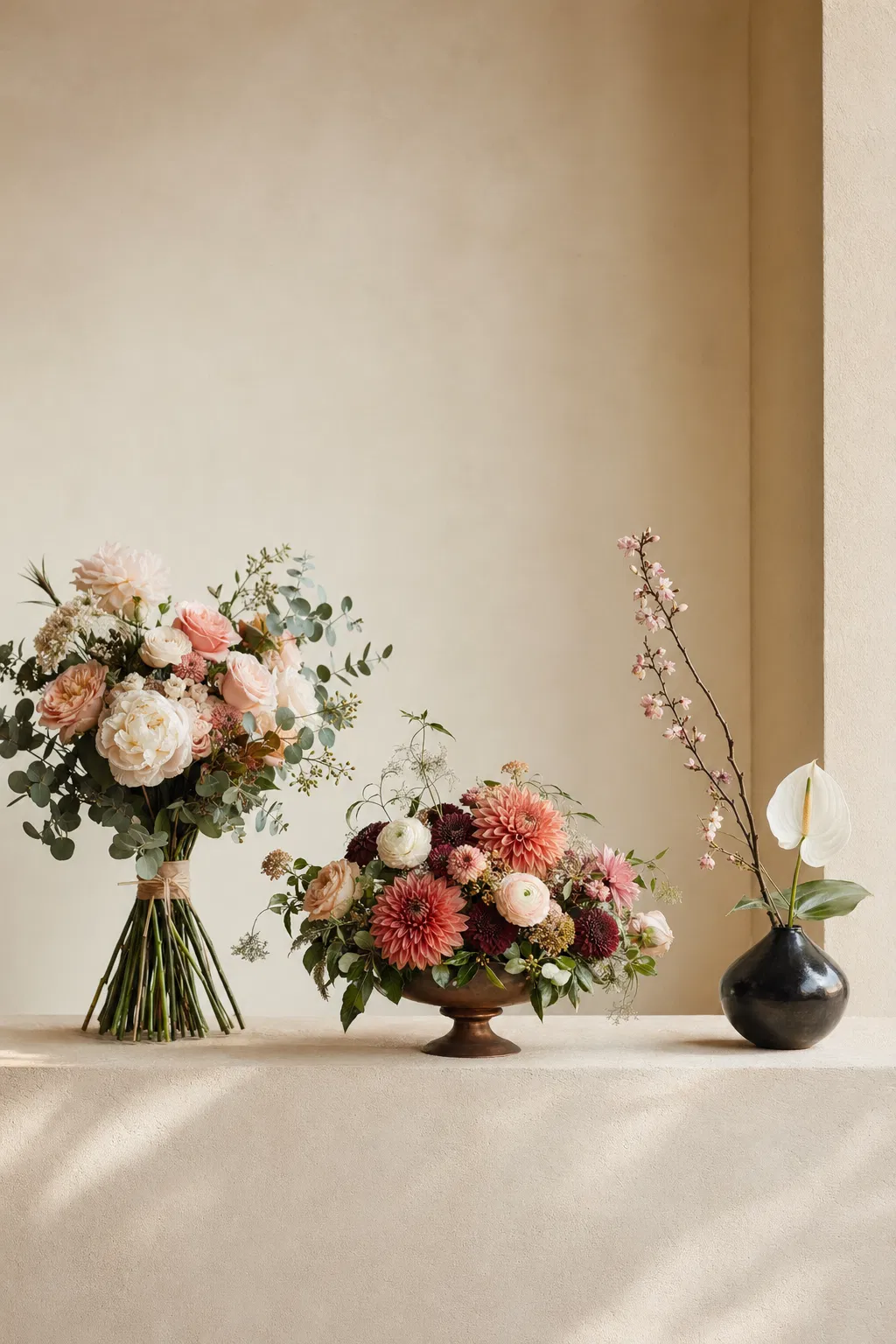
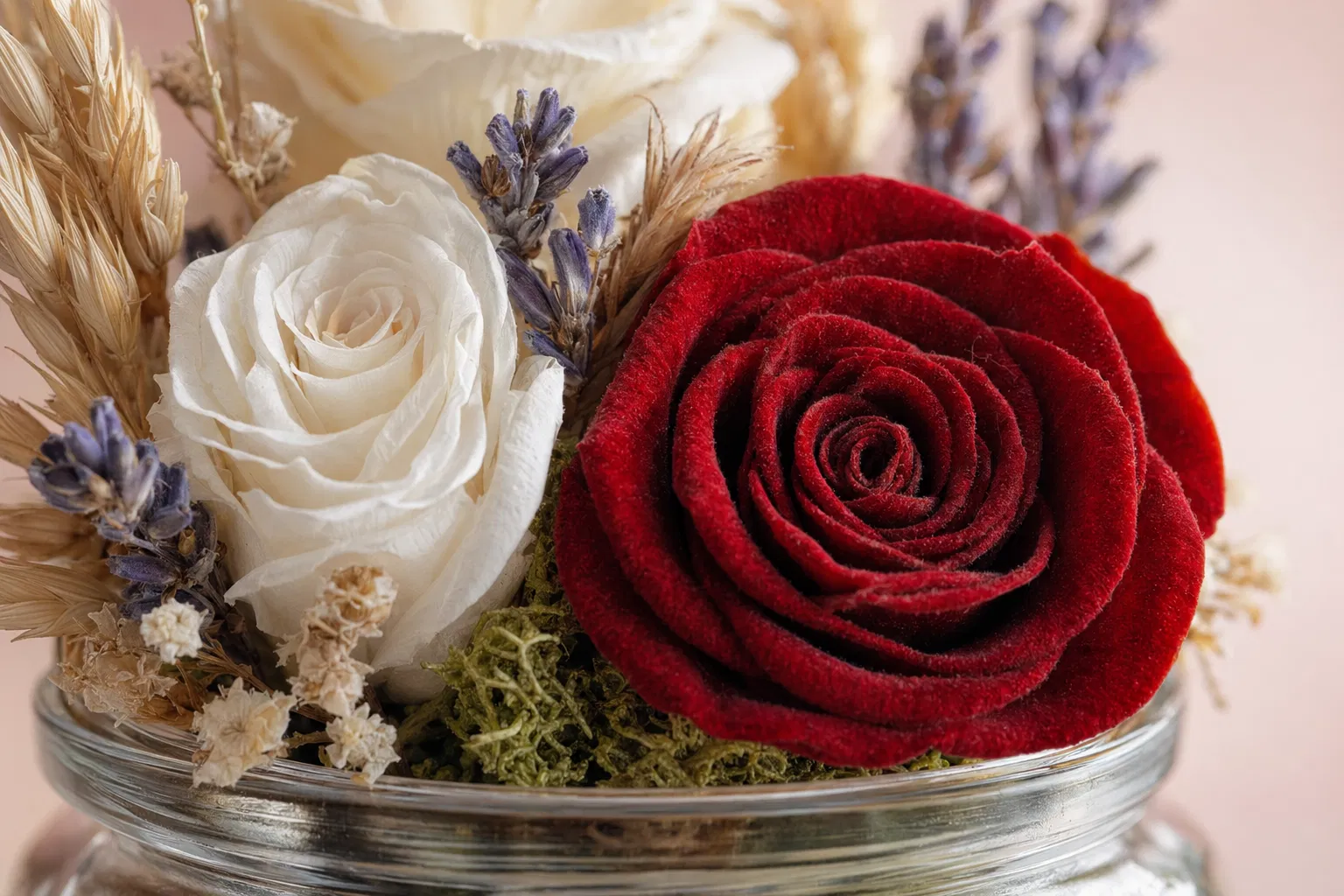
Preserved flowers begin as natural flowers and are treated so that they retain a softer feel and appearance than typical dried flowers. Dried flowers have been dried, and their colour and texture may look more muted or papery. The exact appearance varies according to the flower, treatment, age and storage, so a general description cannot guarantee how a particular arrangement will look. If colour or texture matters to you, ask the provider what materials are planned for the session.
Ask about care and display
A dried flower workshop may suit someone who likes an airy, rustic or vintage look, while preserved blooms may appeal to someone seeking a softer, more lifelike effect. These are broad aesthetic differences, not rules: arrangements can combine materials, and examples vary between providers. Ask whether the class uses preserved flowers, dried flowers or a mixture, and whether substitutions are possible. This matters especially if you have chosen a session based on photographs or are making a piece for a specific room.
Neither category should be treated as maintenance-free or guaranteed to last for a fixed number of years. Longevity depends on the materials and the conditions in which a finished piece is kept. Ask the organiser for care advice that applies to the flowers used in that class, including any guidance about display and cleaning. Avoid relying on generic claims about exact lifespan; ask the provider what to expect from their particular materials.
Choosing a class level and the amount of guidance
Beginners can ask what is demonstrated
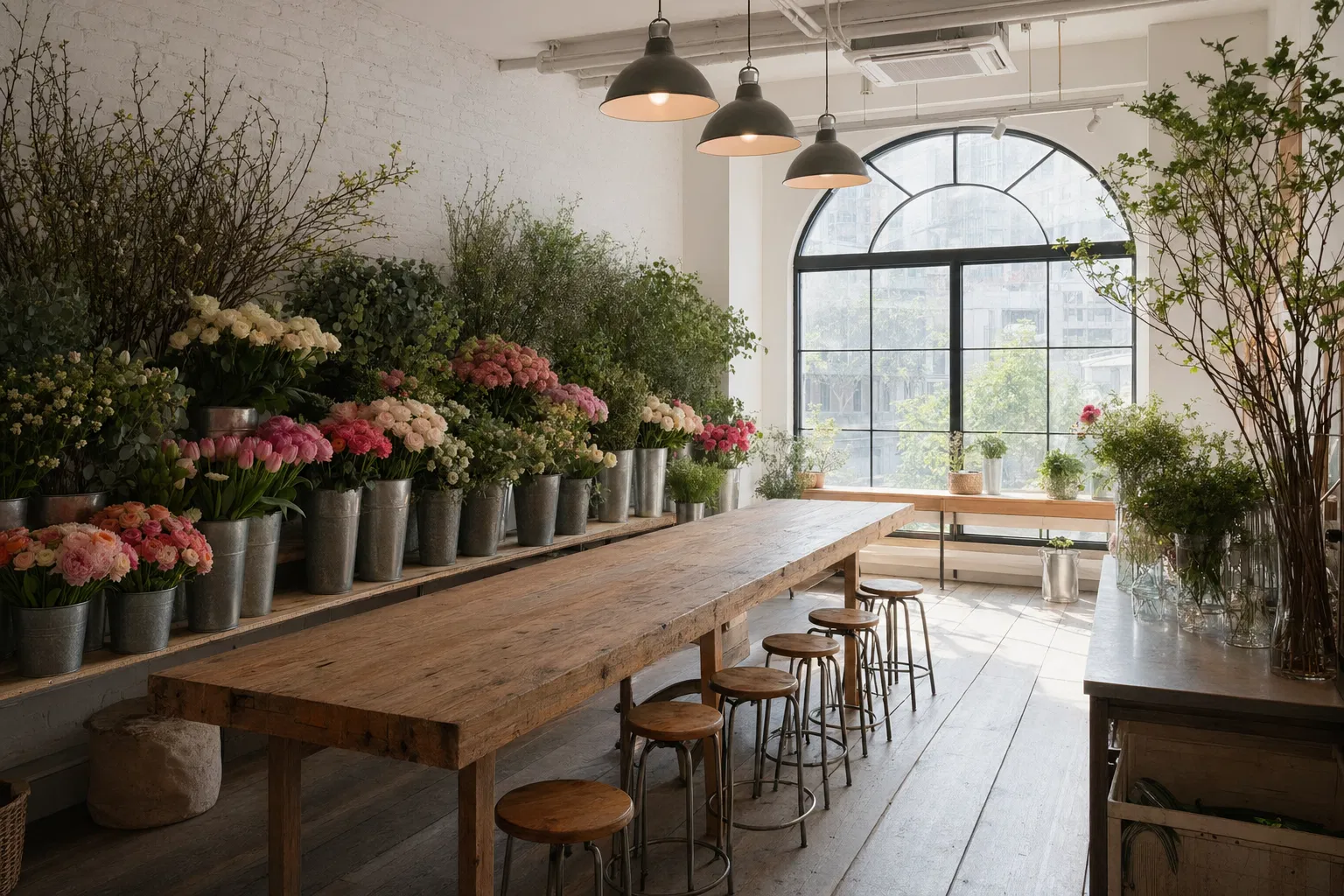
No previous flower-arranging experience is necessarily required for an introductory session, but do not assume every class is designed for complete beginners. Check the stated experience level and ask what the instructor will demonstrate. Useful details include whether the group will see a finished example, whether there is time for individual questions and whether participants follow one design or make their own choices. These questions help you judge the session without relying on broad claims about teaching quality.
More ambitious projects need clear details
For a first visit, a small and clearly described project may feel more manageable than a large or highly detailed arrangement. That does not mean beginners should avoid more complex designs; it means you should find out what the session expects of you. Ask whether the instructor explains the sequence, what support is available during the activity and whether the finished work is intended to follow a sample. Confirm these points directly, as class formats can differ.
If you already have experience, ask what makes the session more advanced. It may involve a different construction, more material choices or a larger finished piece, but the label alone is not enough to establish the content. Request a current outline and check how much of the session is practical work. A useful class description states what participants will do, rather than promising mastery, professional results or a particular standard of finished work.
Compare time, price and what the booking includes
Treat published prices as provider-specific
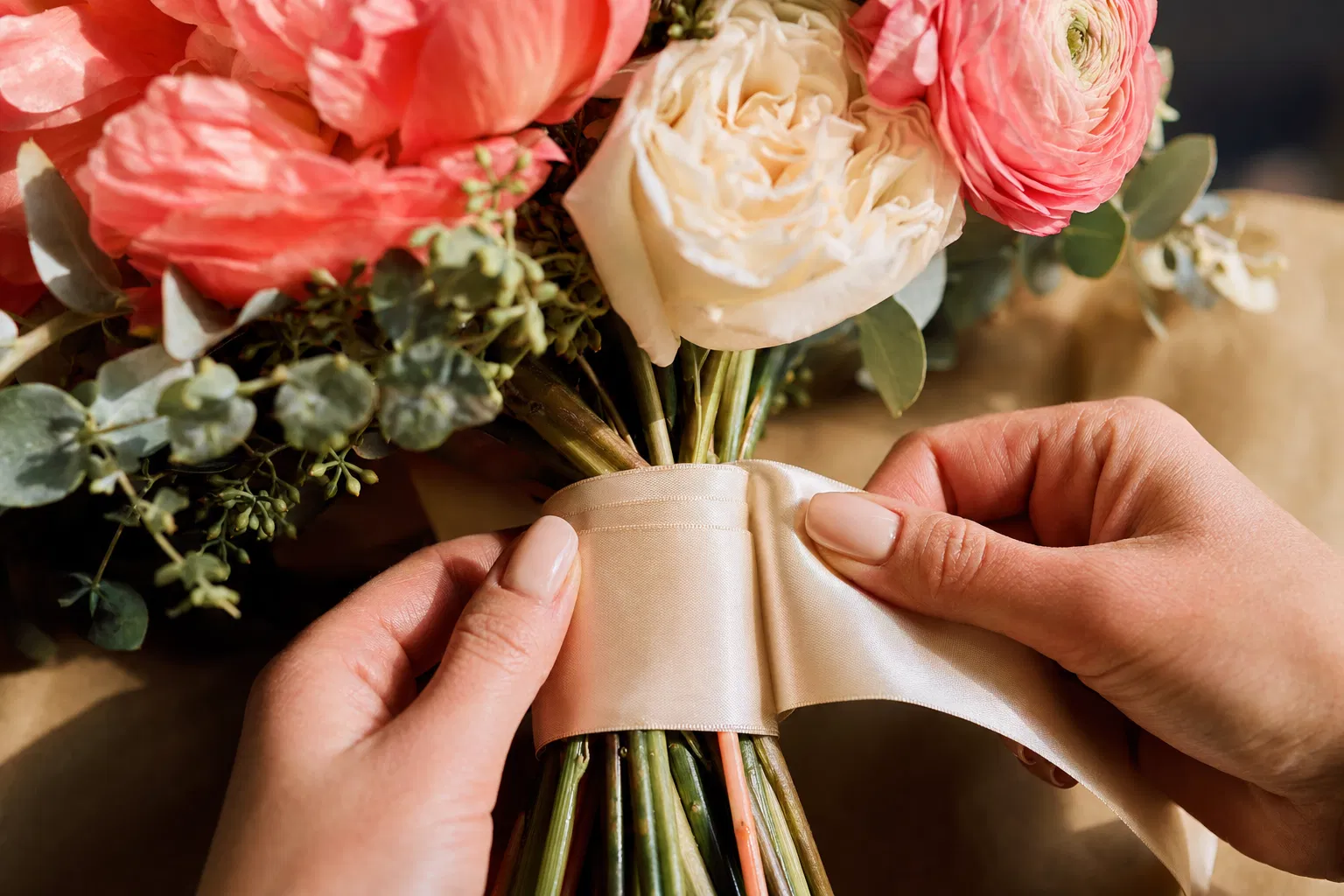
Compare current quotes from individual providers rather than treating a general online price range as a dependable guide to Hong Kong workshops. The cost may depend on the project, materials, session length and booking arrangement. Ask for the price per participant and whether it includes flowers, a container, tools and packaging. If the listing is unclear, request the full amount payable before making a decision.
Check duration and materials before paying
Session length also varies by project and provider. When comparing a small flower box or bouquet with a larger wreath or flower ball, check the scheduled duration rather than assuming they take the same amount of time. Ask whether the session includes a demonstration and whether participants normally finish within the stated time. Allow for travel and any arrangements needed to take the piece home.
For a group booking, ask whether the quoted amount changes with the number of participants and whether there is a minimum group size. Do not assume that a group discount, materials list or private session is available. Ask what happens if the provider needs to change the date, and read the actual booking terms for payment, rescheduling and cancellation before confirming. These details can affect the overall value more than a headline price alone.
Gift-making, dates and seasonal occasions
Make the activity personal to the recipient
Making a flower arrangement can be a meaningful gift when the recipient enjoys hands-on activities, but it is not automatically a better choice than buying a finished piece. Consider whether they would enjoy spending time creating something and whether the proposed design suits their home or taste. For a shared outing, check that the class welcomes the intended participants and that everyone can take part in the same session. Confirm age guidance and group arrangements with the provider rather than assuming.
Plan ahead for seasonal demand
For a Valentine’s Day activity, look for a class whose project and booking details are confirmed for the relevant date. Check current seasonal packages, designs and availability directly with the organiser rather than relying on an older listing. Ask whether the session is for individuals or pairs, what the price covers and whether the pictured flowers are included. Book only after the organiser has confirmed the date and arrangement in writing or through its usual booking channel.
Christmas wreath-making is another seasonal option, but it is a different project from a preserved-flower arrangement and may use different materials. A festive floral workshop can help you compare the format if you are looking for a seasonal activity. Check the current theme, materials, session date and what participants take home. Seasonal listings may change from year to year, so check that any event you are considering is confirmed for 2026.
Questions to ask before booking a Hong Kong workshop
Confirm the practical arrangements
Before paying, confirm the date, start and finish time, venue, language of instruction and the number of places available. Ask whether materials and tools are provided, whether you need to bring anything and how the finished work can be carried home. If the activity is not at a fixed venue, ask where it will take place and whether the location has been confirmed. Get these details directly from the provider before making travel plans.
For groups, clarify the proposal
For a school, family or workplace group, describe the number and age range of participants, the occasion and the time available. Ask whether the provider can accommodate the group, what format is proposed and what the price includes. Do not presume that a session can be delivered at your chosen site or tailored to a particular brief. Request a written outline and check whether travel, setup, materials or other costs are included before agreeing.
Finally, read the actual booking terms instead of relying on general statements about flexibility or refunds. Ask how to request a date change, what happens if a participant cannot attend and whether a deposit is required. Confirm payment options, cancellation terms and refund policies directly with the provider. A provider’s direct answer is the appropriate basis for a booking decision; if an important point remains unclear, pause before paying.
After the session: care and realistic expectations
Follow advice for the materials used
Once you have taken your arrangement home, follow the care advice supplied for its particular flowers and construction. Preserved and dried materials are not fresh cut flowers, so do not assume that watering or ordinary vase care is appropriate. Ask whether the piece should be kept away from direct sunlight and damp conditions, as specific care can depend on the materials and finish. Ask the instructor for guidance during the class and check whether the advice applies to every component of your piece.
Treat each finished piece as individual
Dusting and display should also be approached according to the provider’s instructions. Do not use a hairdryer, even on a cool setting, unless the provider confirms that it is suitable for your arrangement, as delicate components may be affected. Ask what cleaning method, if any, is appropriate before trying it. Keep the piece in the conditions recommended by the person who knows which flowers and materials were used, and avoid expecting an exact lifespan from general online guidance.
A handmade arrangement may differ from an example because natural materials vary in size, colour and shape, and participants make different choices as they work. A photograph can show a style or possible project, but it cannot guarantee an identical finished piece. Before booking, clarify how much freedom participants have and whether materials may be substituted. A realistic expectation is a guided creative activity whose precise outcome depends on the design, materials and choices made during the session.
Preparation or Arranging: Choose Your Focus
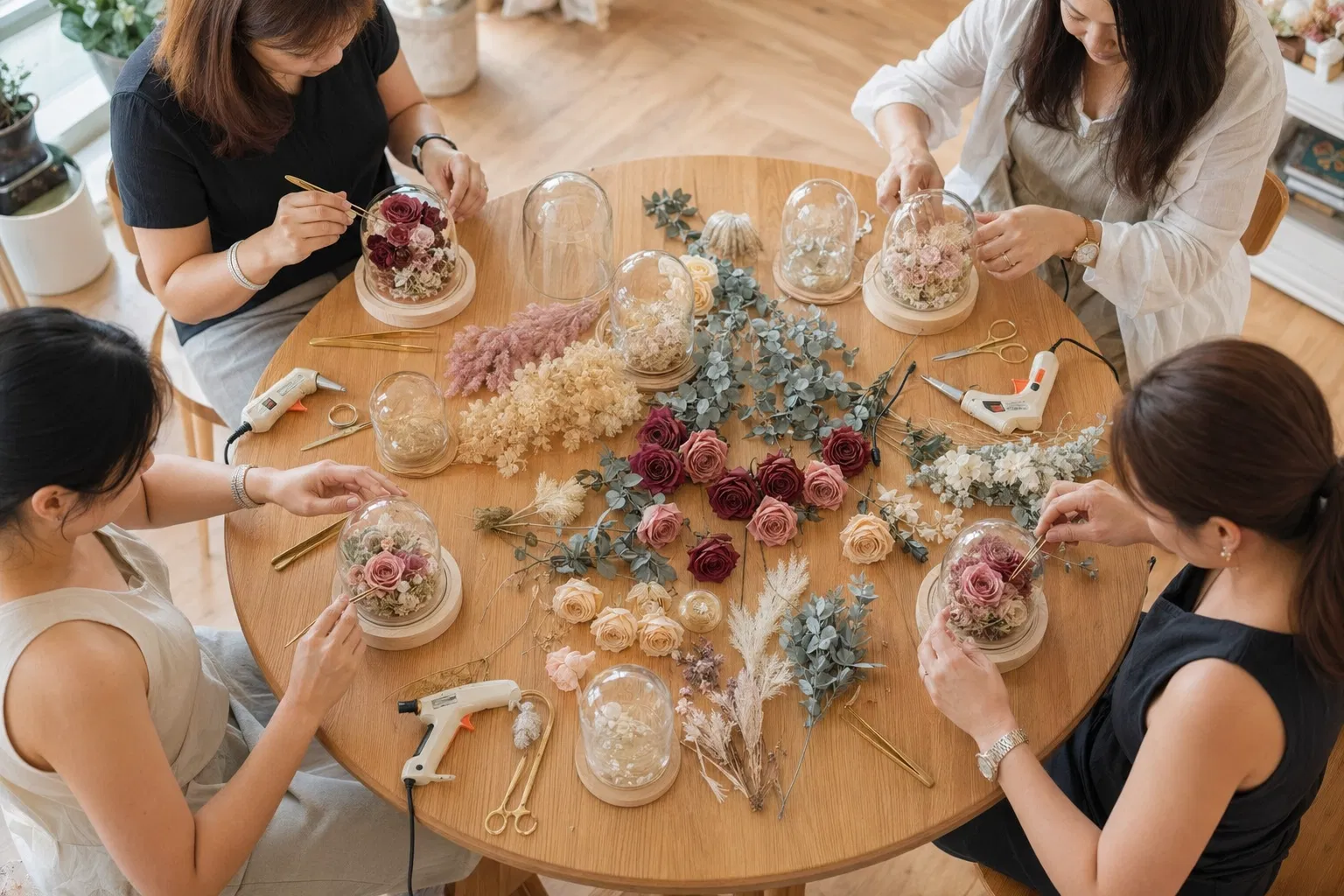
When comparing a preserved flower workshop with broader floristry classes, ask: will you arrange ready-treated blooms, or does the session include processing flowers? Request an outline separating material preparation, demonstration and independent arranging, rather than judging by the sample flower box or bouquet alone. Ask which design choices you can make yourself and whether the scheduled finish means a completed arrangement ready to take home or a project needing further work. If your priority is arranging practice, choose only after confirming how much time remains for placing flowers and adjusting the composition.
Prepared by FlintHub Academy with AI assistance from public information for event catering, gifting, baking and floristry planning and enquiries, not first-hand service testing or real client cases. YumYum and FlintHub Academy have the same owner; links are relevant service resources, not independent third-party endorsements. AI-generated concept illustrations do not depict actual YumYum products, services, venues, instructors or clients. No professional author credentials or guarantees of safety, price, availability or outcomes are claimed. Confirm allergies, materials and storage requirements, scope, fees and availability with the actual provider.
Questions about preserved flower workshop
What is the difference between preserved and dried flowers?
Preserved flowers are natural flowers that have been treated to retain a softer, more lifelike appearance. Dried flowers have been dried and often have a more muted or papery look. The result varies by flower and process, so ask the provider which materials the class uses and what care they recommend.
How long does a preserved flower workshop take?
Duration varies by project and provider. Ask how long your chosen session is scheduled to run, whether that includes demonstrations and whether participants normally finish within the allotted time. Confirm the timing directly before booking, especially for a larger or more detailed project.
How much does a preserved flower workshop cost?
Check current prices directly with the provider rather than relying on a general online range. Ask for the price per person and confirm whether flowers, tools, a container and packaging are included. Group rates and additional charges should also be confirmed before you book.
How should I care for a preserved flower arrangement?
Follow the care instructions for the specific flowers and materials used in your piece. Ask the instructor how to display and clean it; do not assume that generic advice or a particular cleaning method is suitable for every arrangement. Ask about expected longevity in your display conditions rather than relying on a guaranteed lifespan.
Is a preserved flower workshop suitable as a Valentine’s Day gift?
It can be a thoughtful option if the recipient enjoys making things and the proposed project suits their taste. Confirm that a session is available on your preferred date, what the activity includes and whether it is designed for one person or a pair. Check current seasonal packages directly with the organiser.
Can I attend if I have no flower-arranging experience?
Possibly, but check that the particular session is suitable for beginners. Ask what the instructor demonstrates, how much guidance is available and whether the project has any prerequisites. Class formats vary, so confirm these details with the provider rather than assuming every workshop is designed for first-timers.
Prepared with AI assistance and local editorial adaptation. This is planning guidance, not a record of a delivered event. Confirm current arrangements directly; images are references and do not verify a particular class or event.
After comparing fresh and dried materials, a flower arrangement class Hong Kong can better match the intended display and handling needs.
When an open day needs a creative station that people can complete together, compare the materials and take-home arrangements for an art workshop Hong Kong before choosing a format.
For a school or family considering perfume-making workshop Hong Kong, discuss ventilation, age range, materials, language support and participant numbers before selecting a format.